Carlyle Valley Predator Control Project
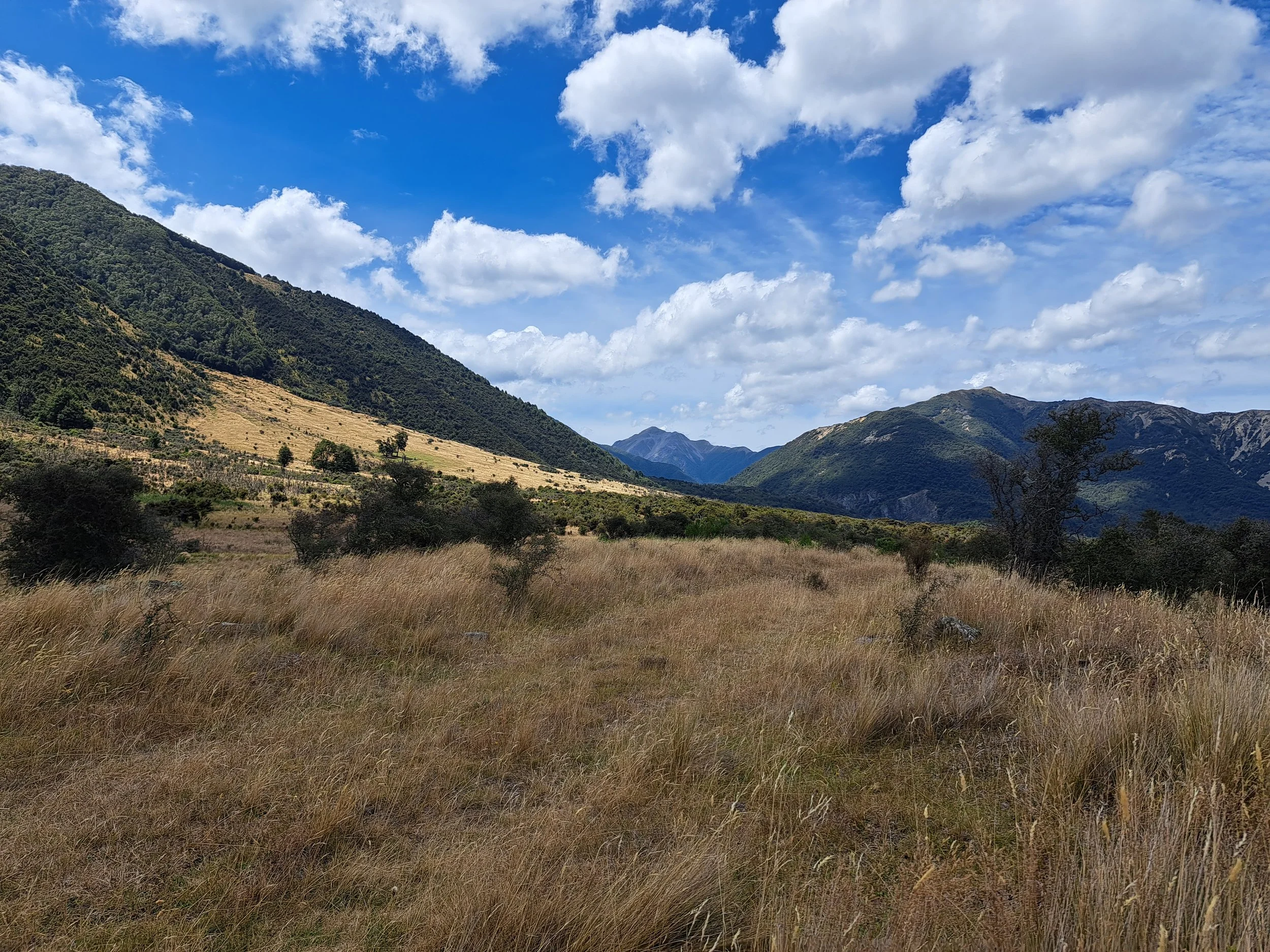
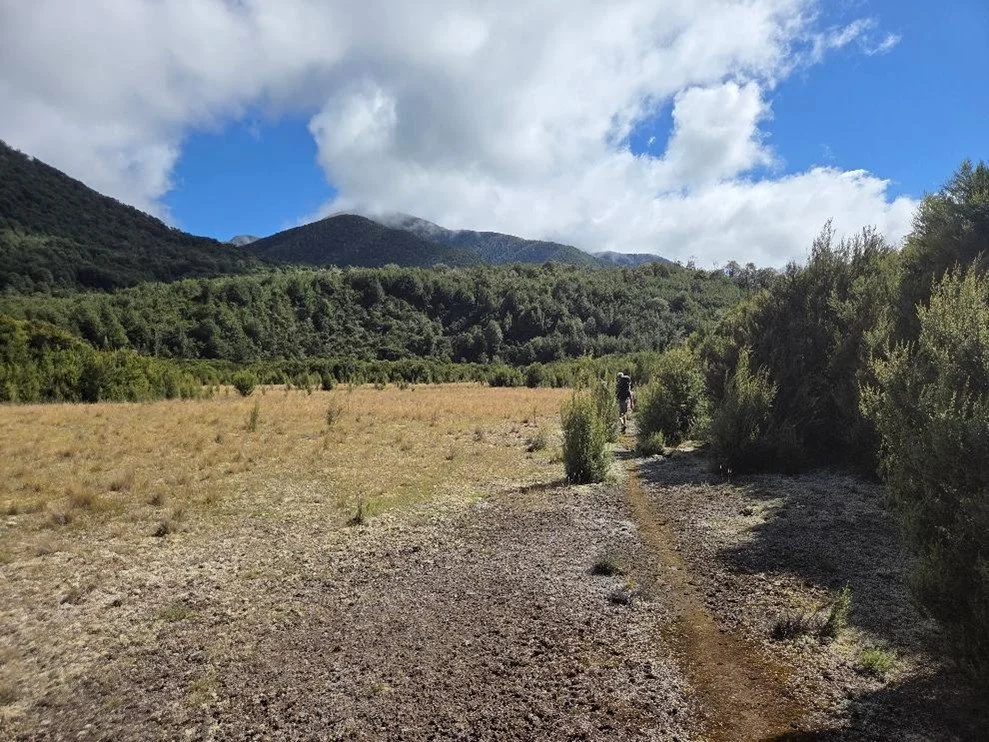
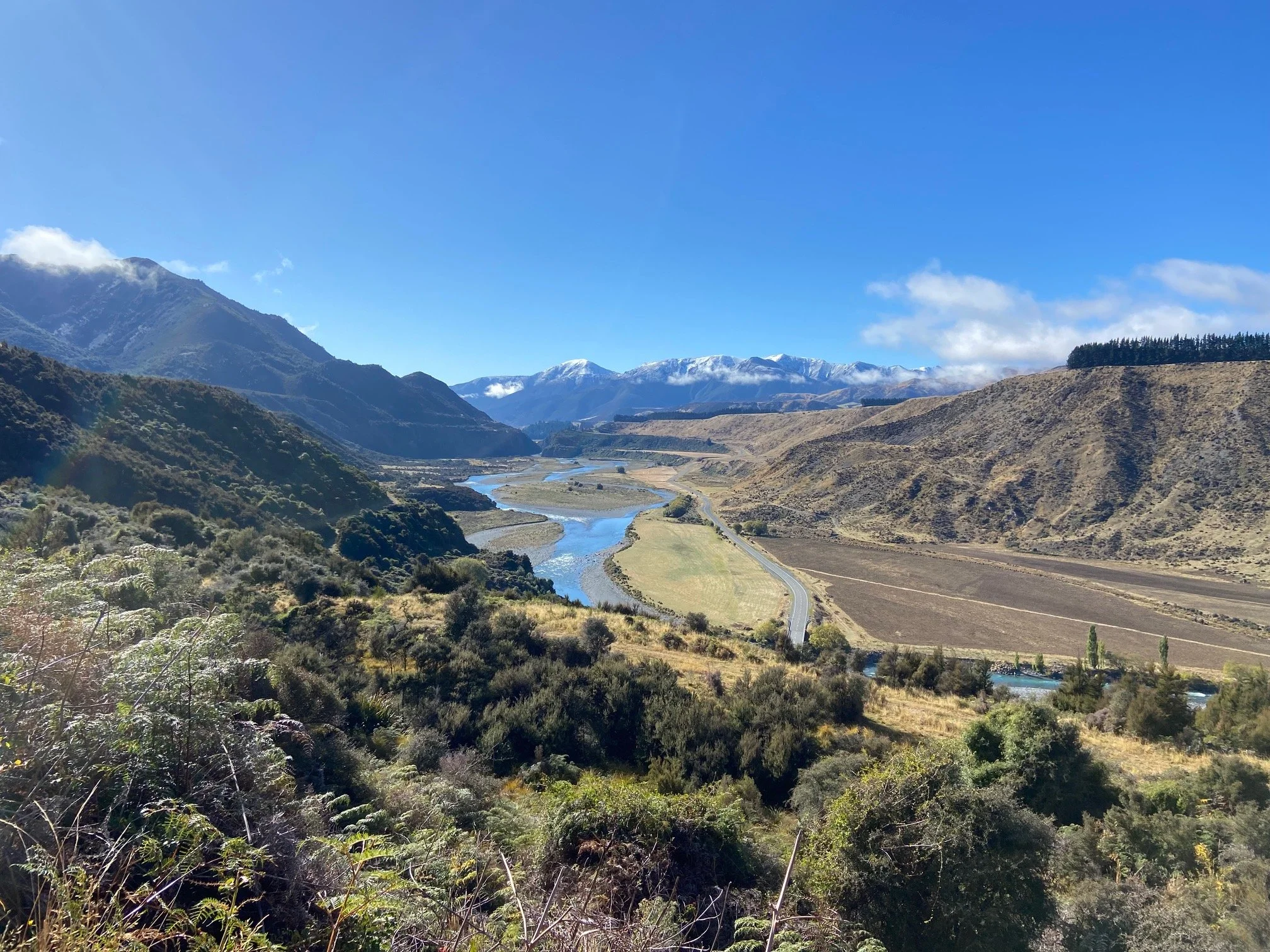
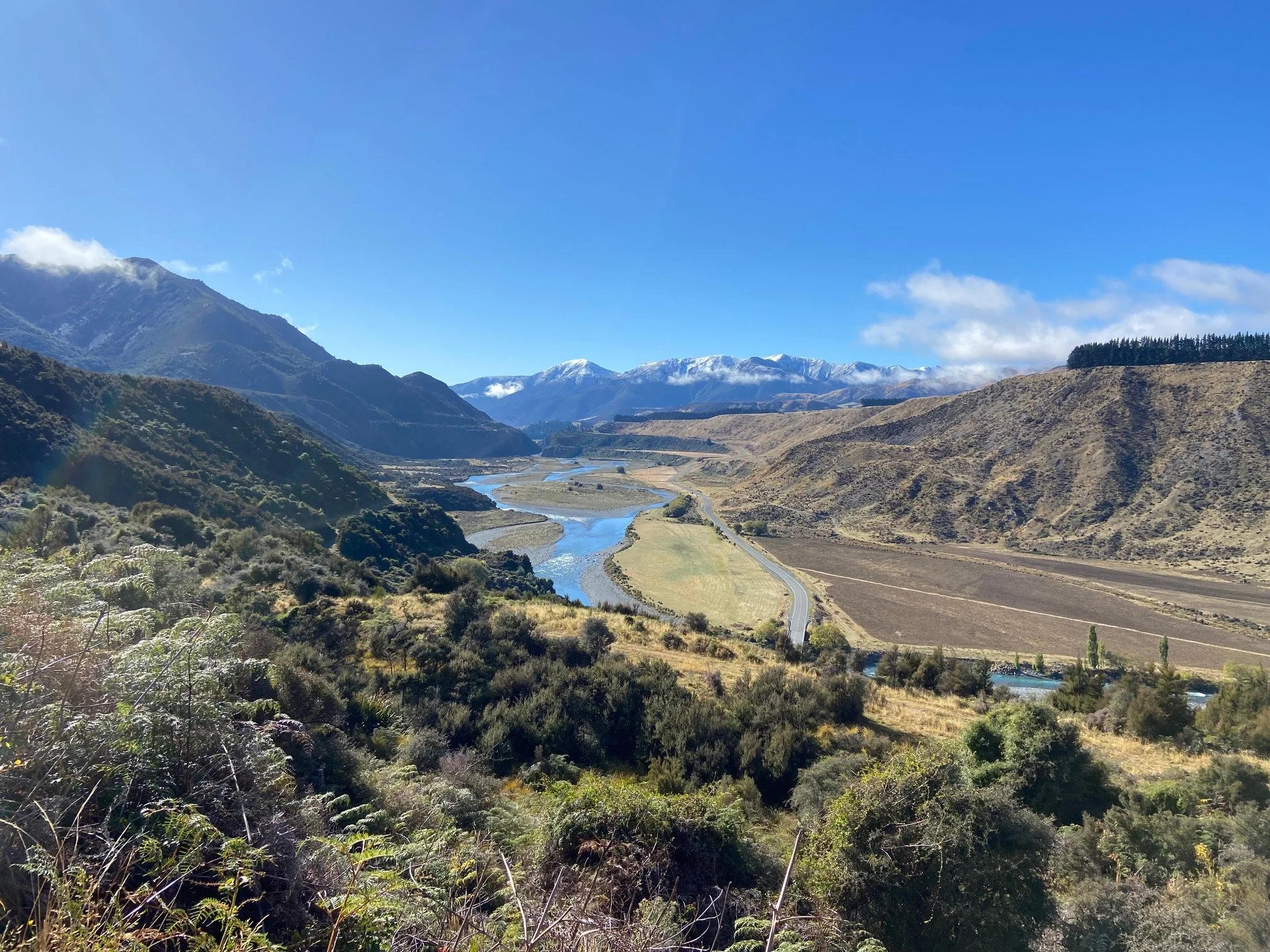
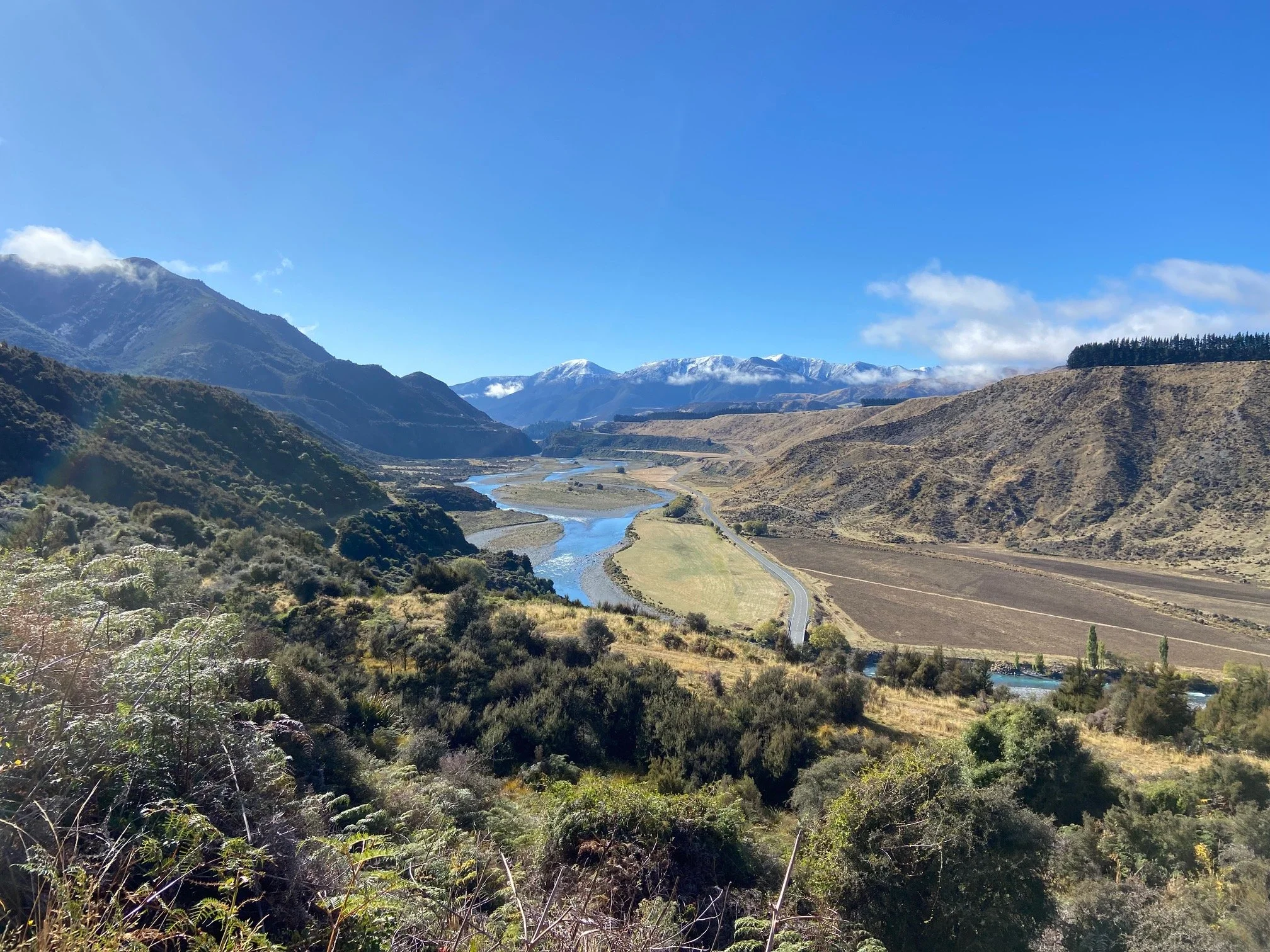
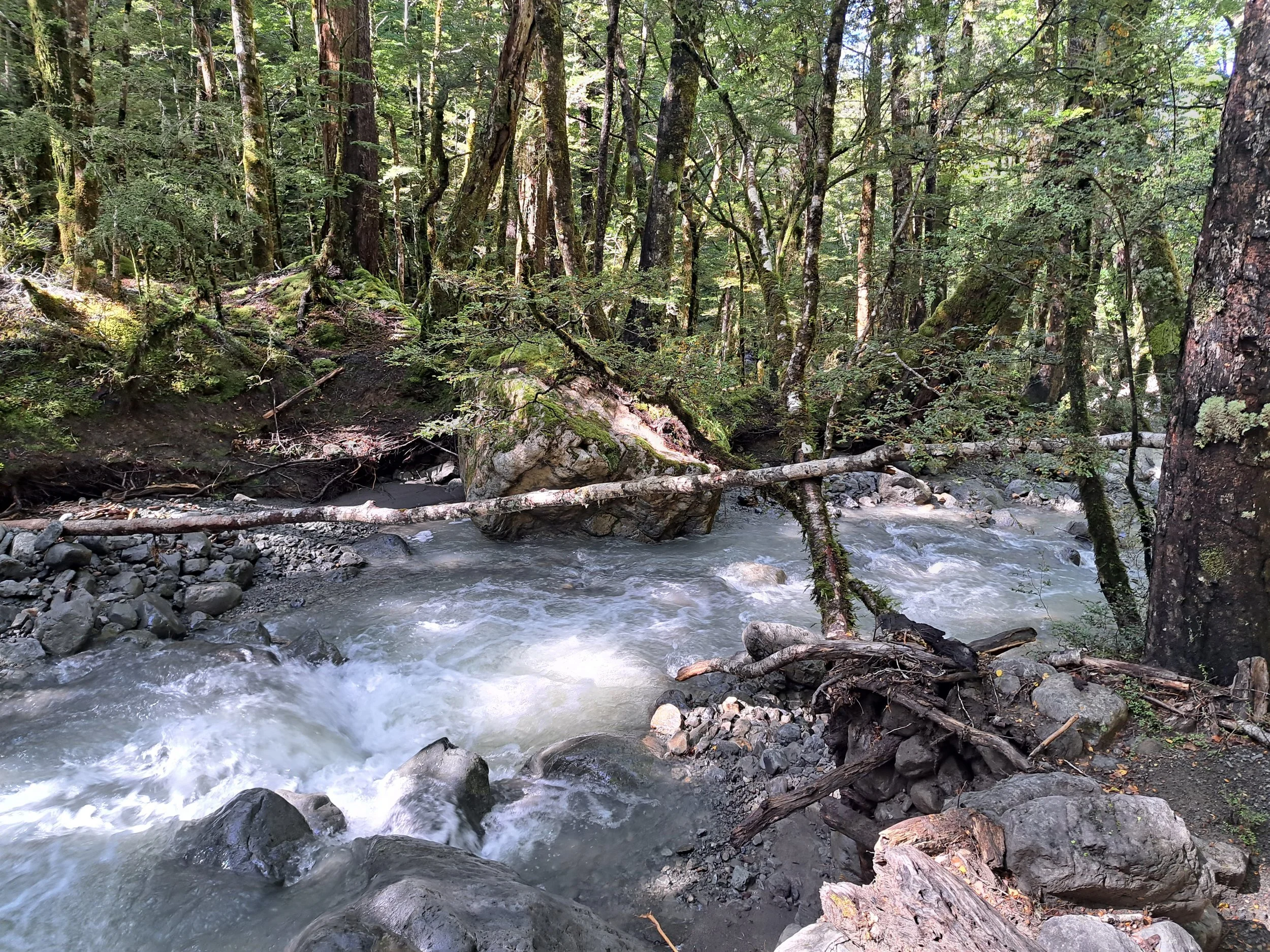
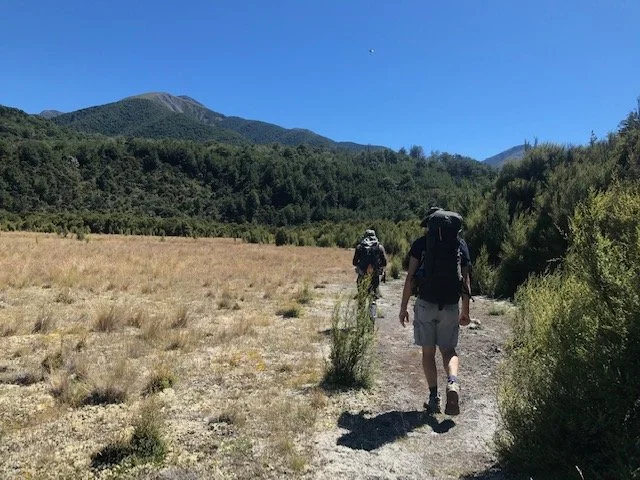
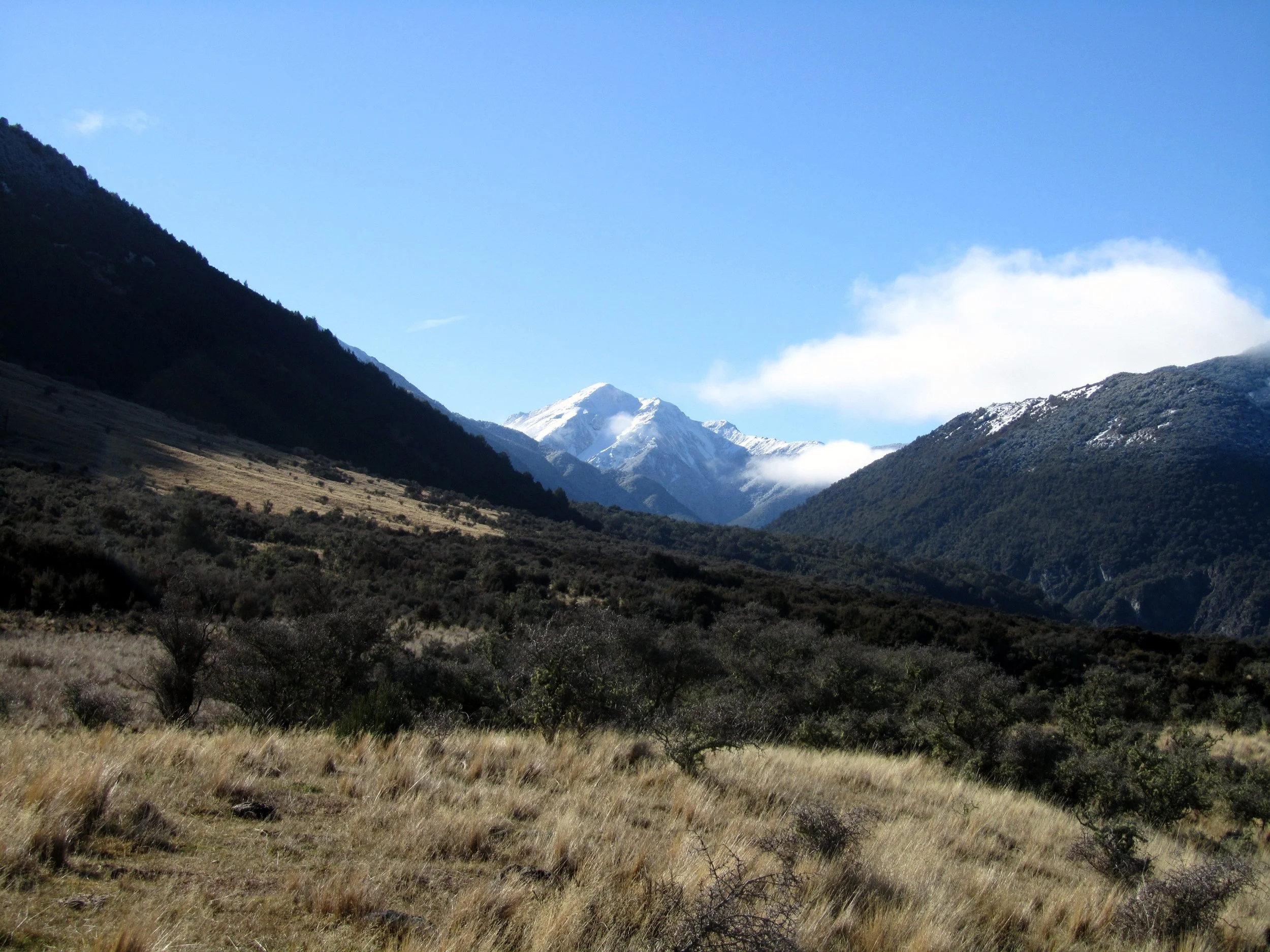
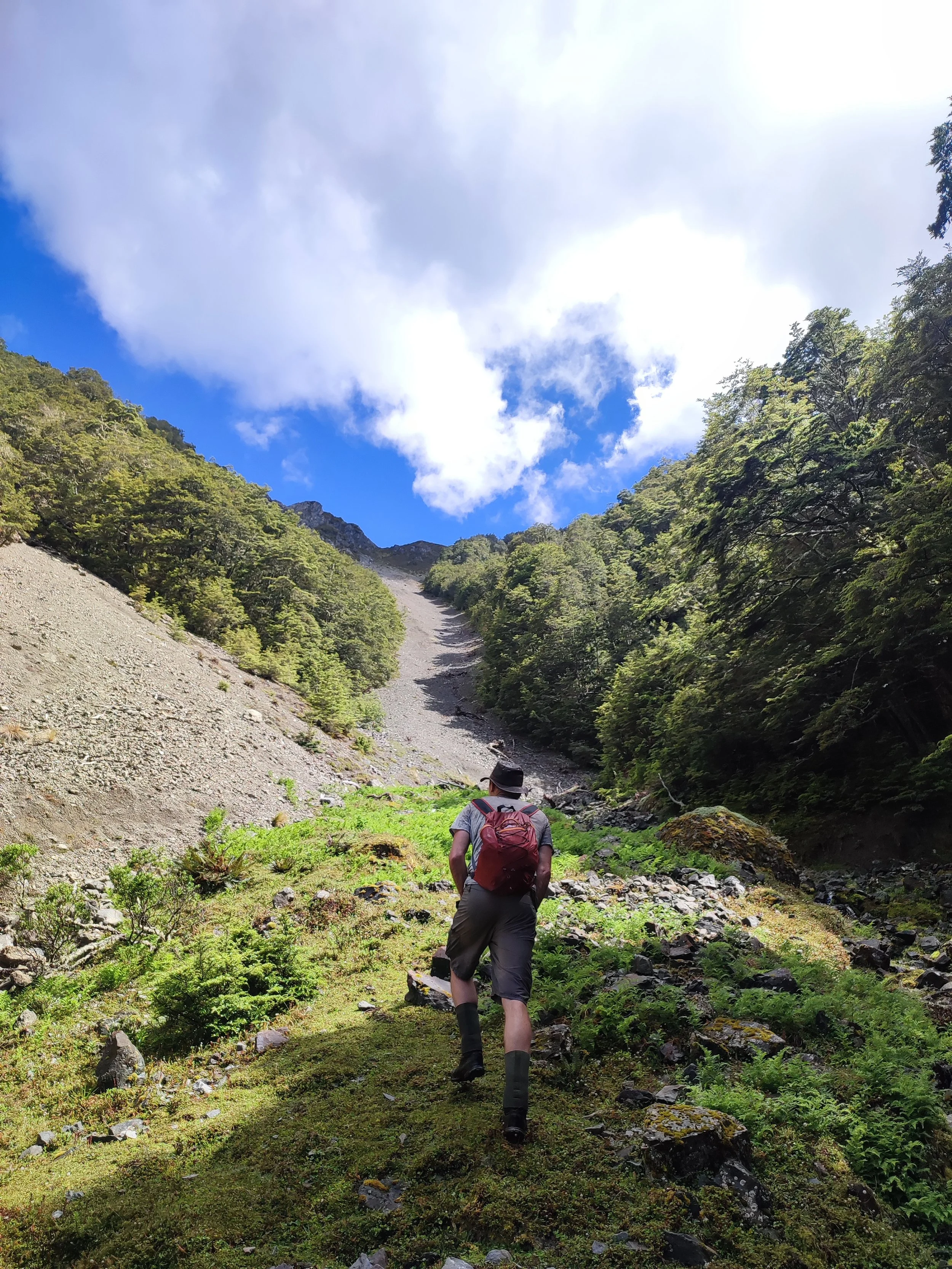
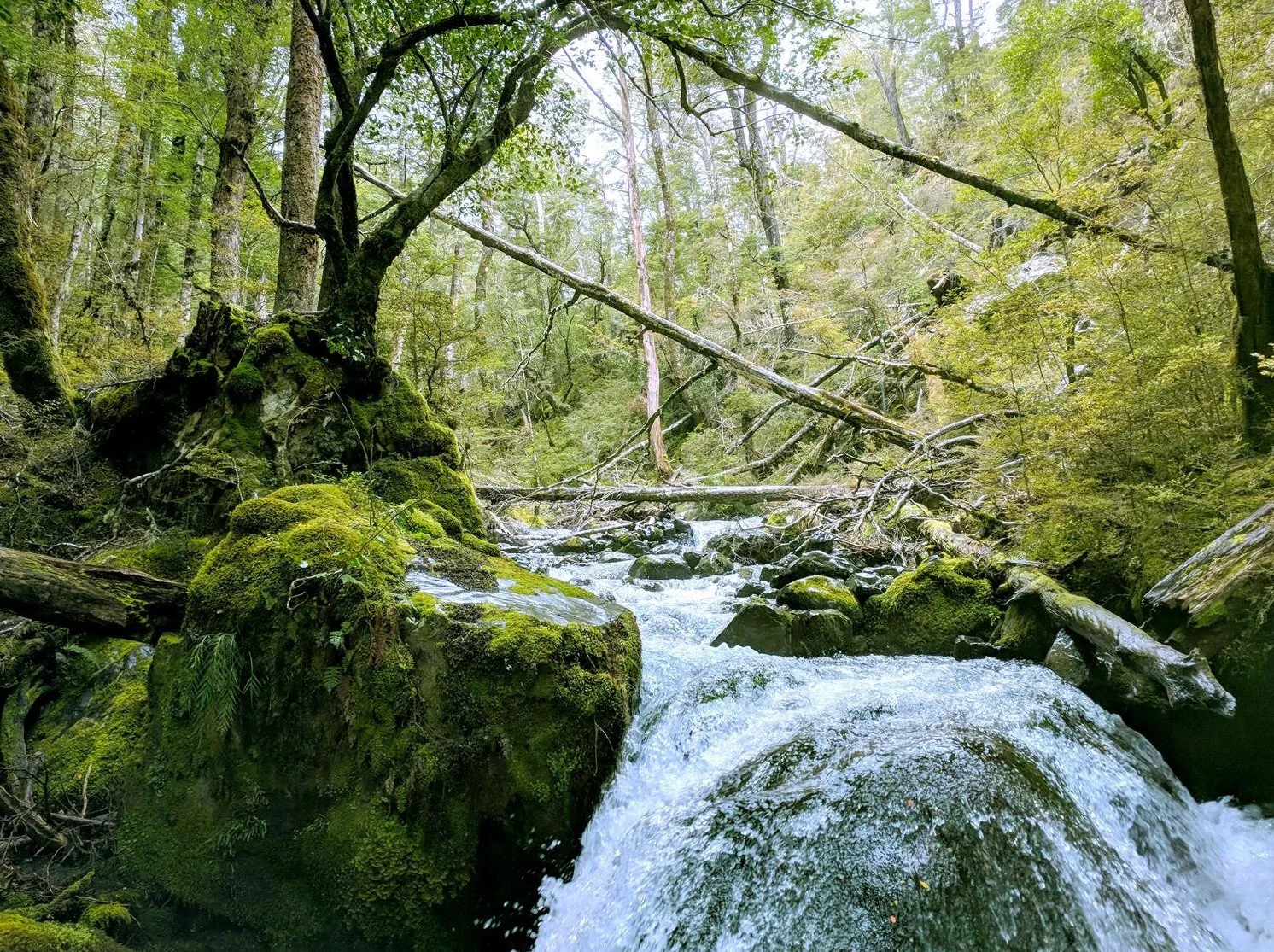
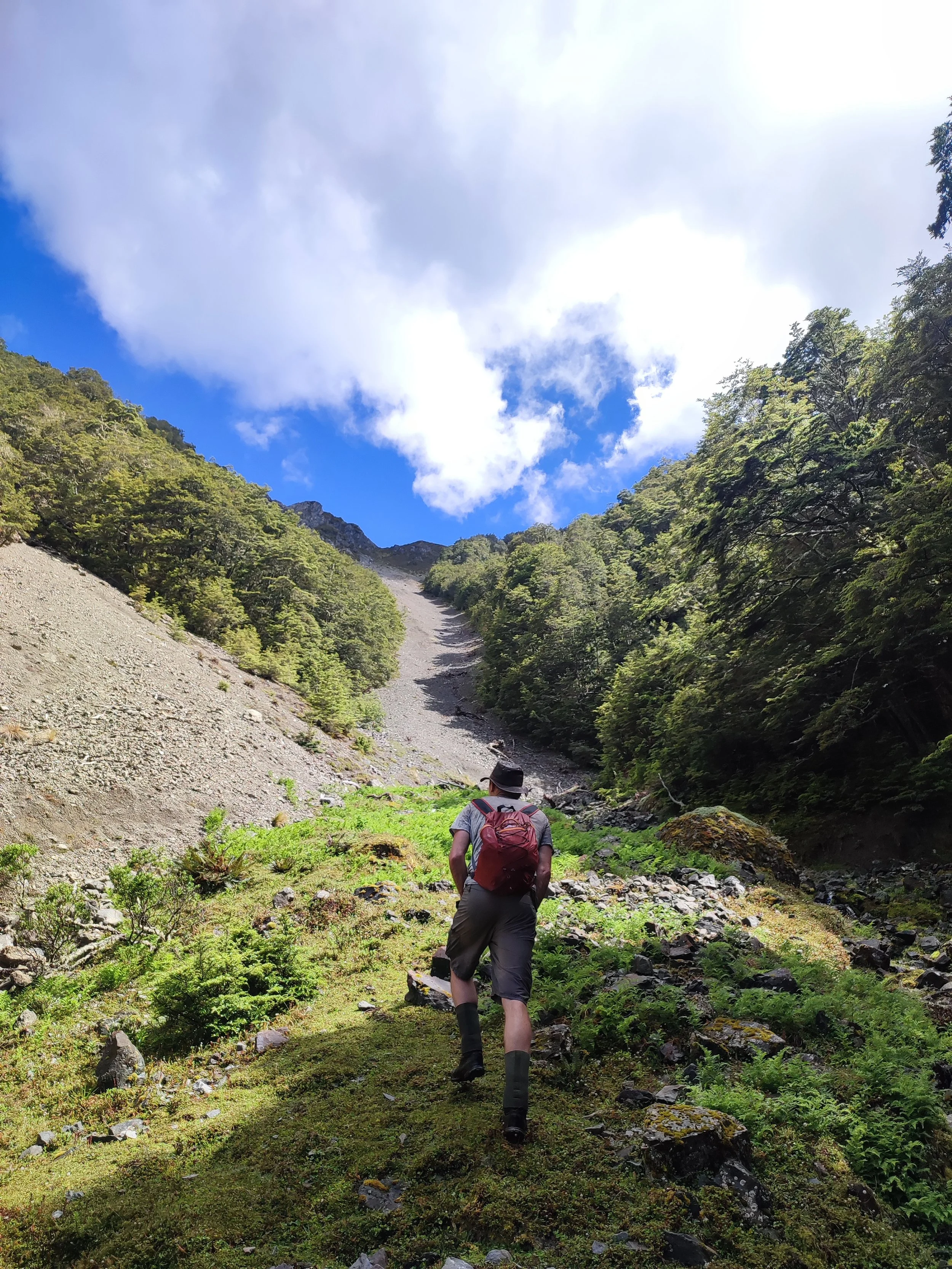
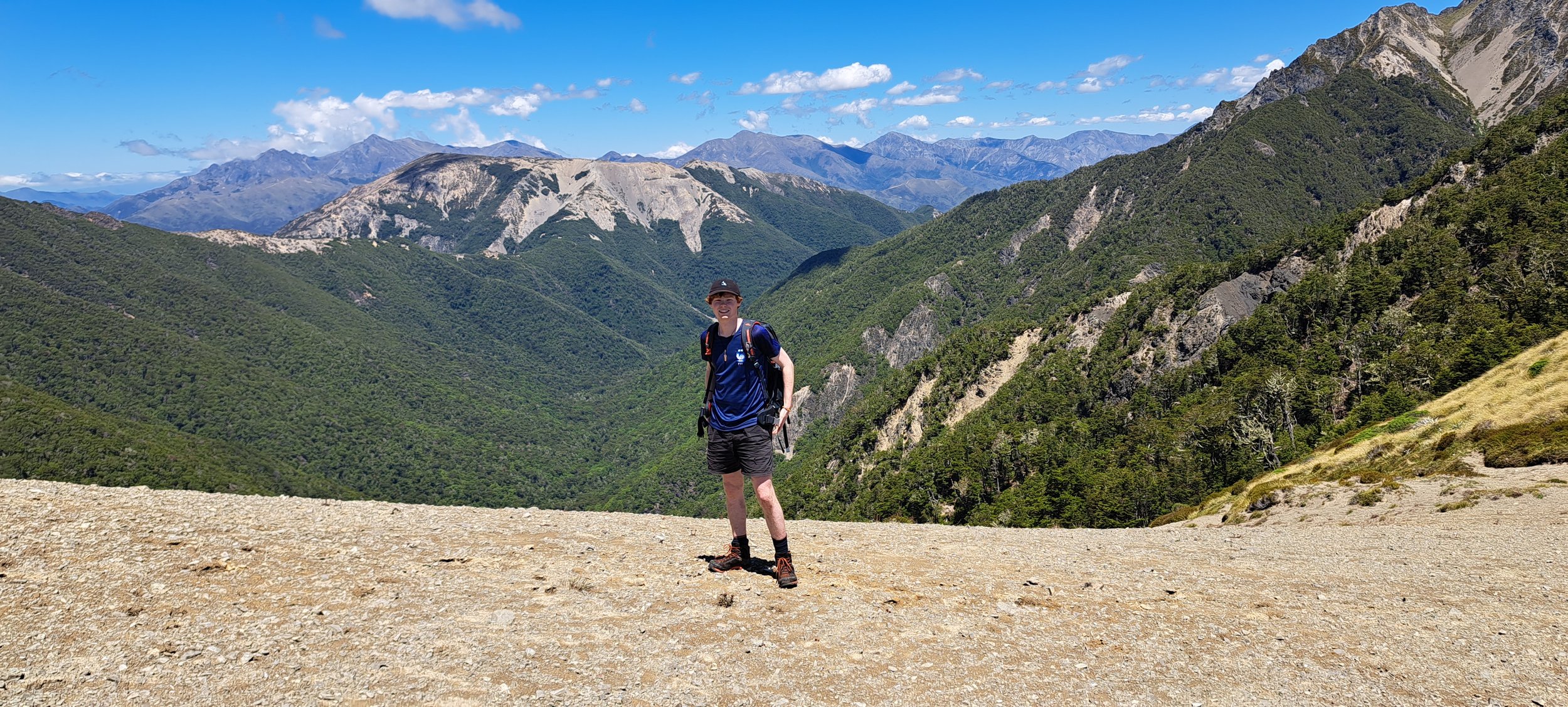
The Carlyle Valley is a picturesque steep-sided valley covered in beech forest in the eastern northern reaches of Lake Sumner Forest Park, close to Lewis Pass. Trust volunteers started predator control there in 2017 with the vision to reduce predators and help protect its birdlife.
Read the Carlyle Report
-
![]()
2026 Report
-
![]()
2025 Reports
-
![]()
2024 Reports
-
![]()
2023 Reports
-
![]()
2022 Reports
-
![]()
2021 Reports
-
![]()
2020 Reports
-
![]()
2019 Reports
-
![]()
2018 Reports
-
![]()
2017 Reports
Volunteer with us
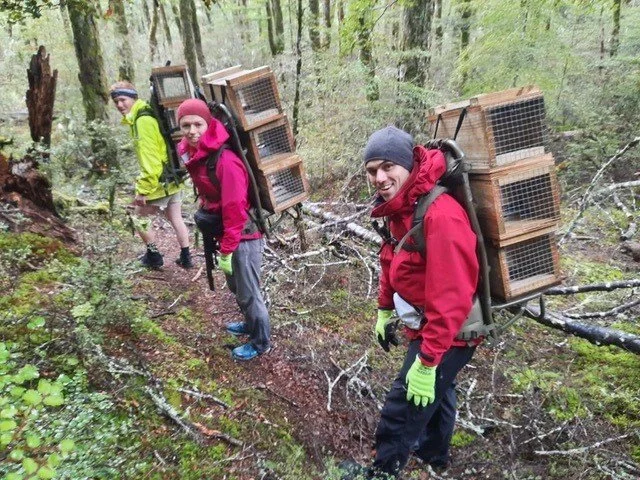
Would you like to join us in the Carlyle Valley and help with predator control?
Become a volunteer with the trust and help do your part to protect nature.
Join Us In The Carlyle
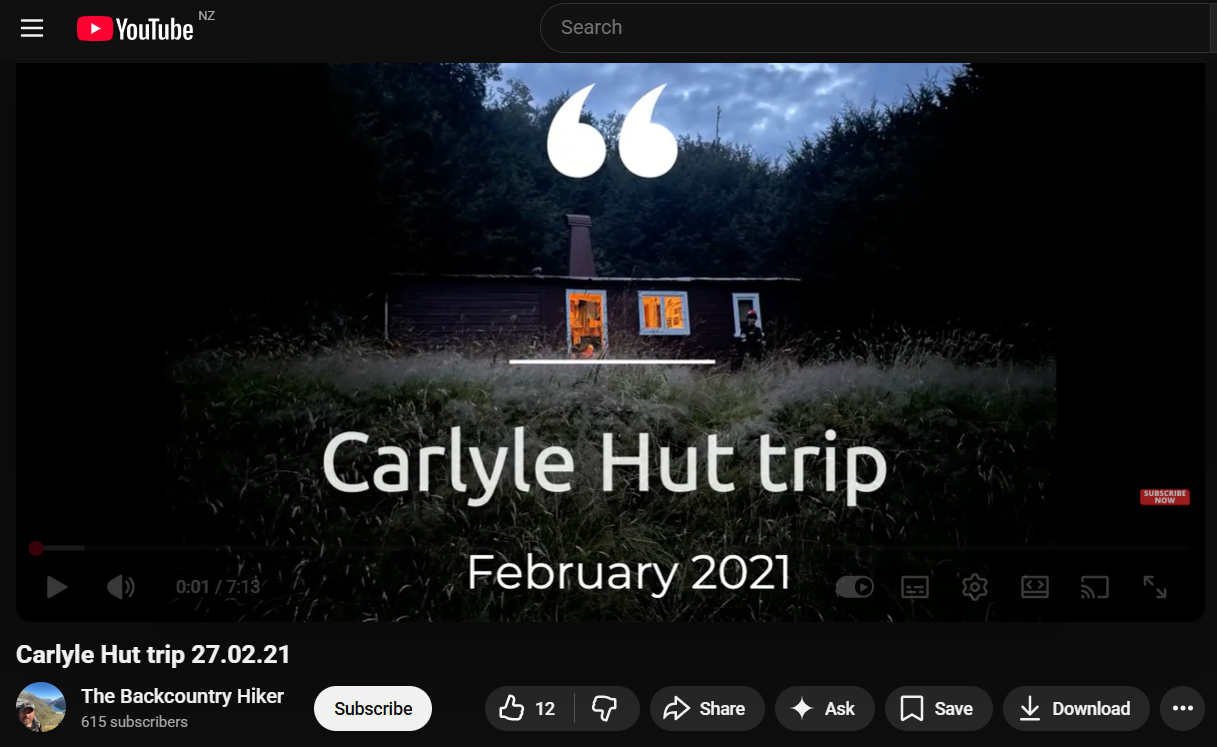
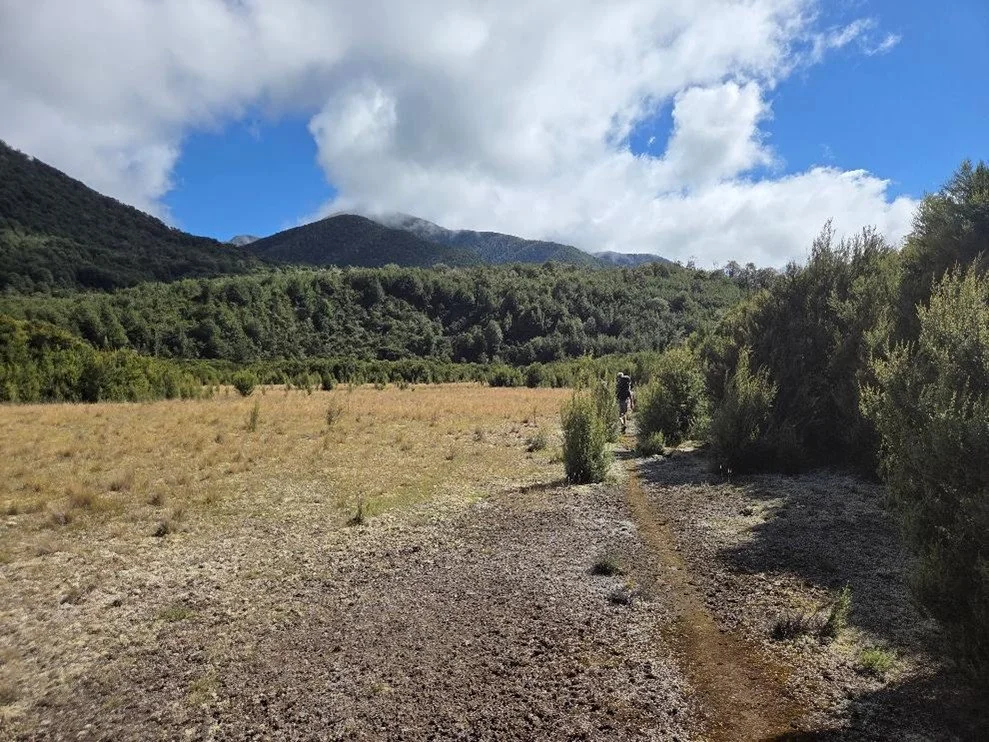
If you are interested in becoming a Volunteer Predator Controller for the Carlyle Valley, please have a read of our “Information for new/prospective trappers” above and watch the Carlyle Hut Video to get an idea on the area.
Then fill out the enquire form and we will be in touch!
Read more about the Carlyle Projects history below.
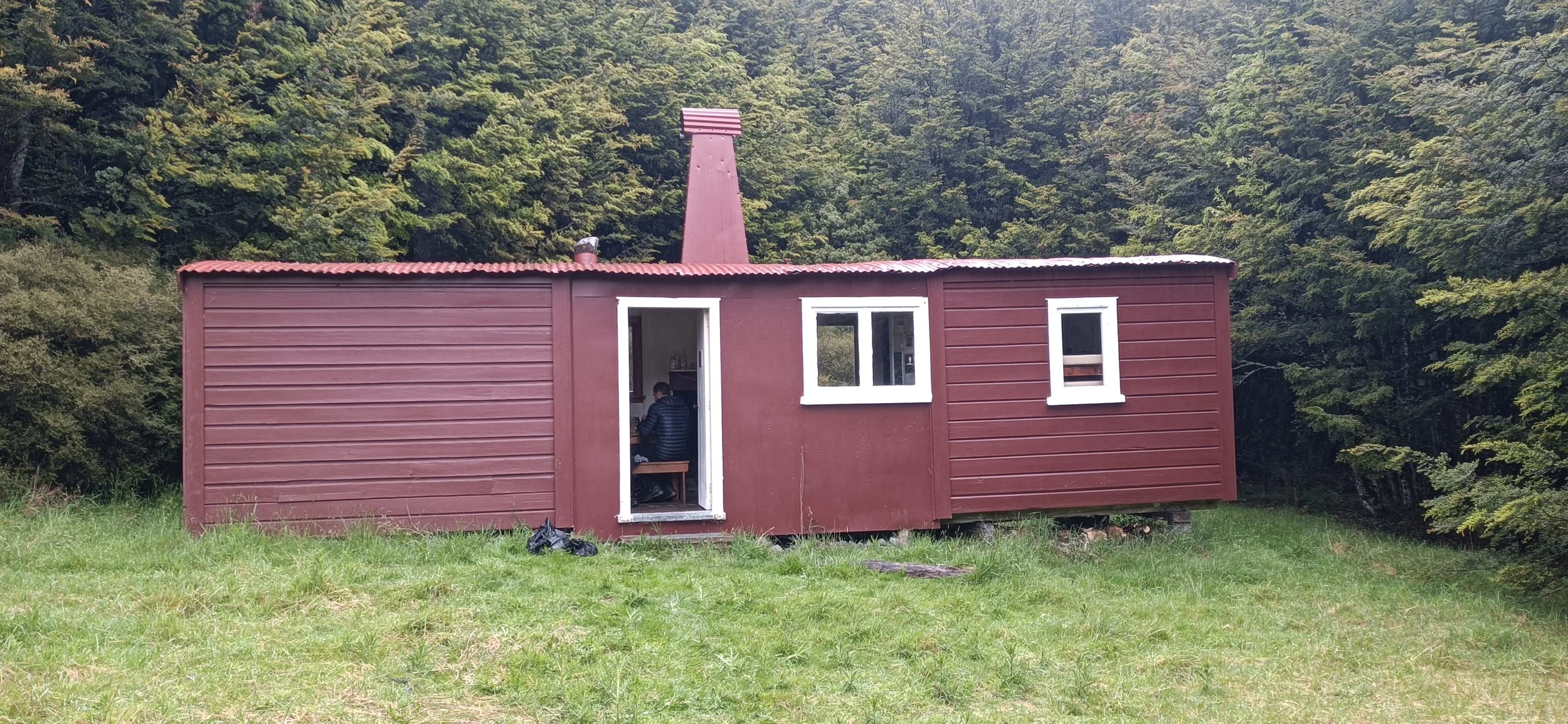
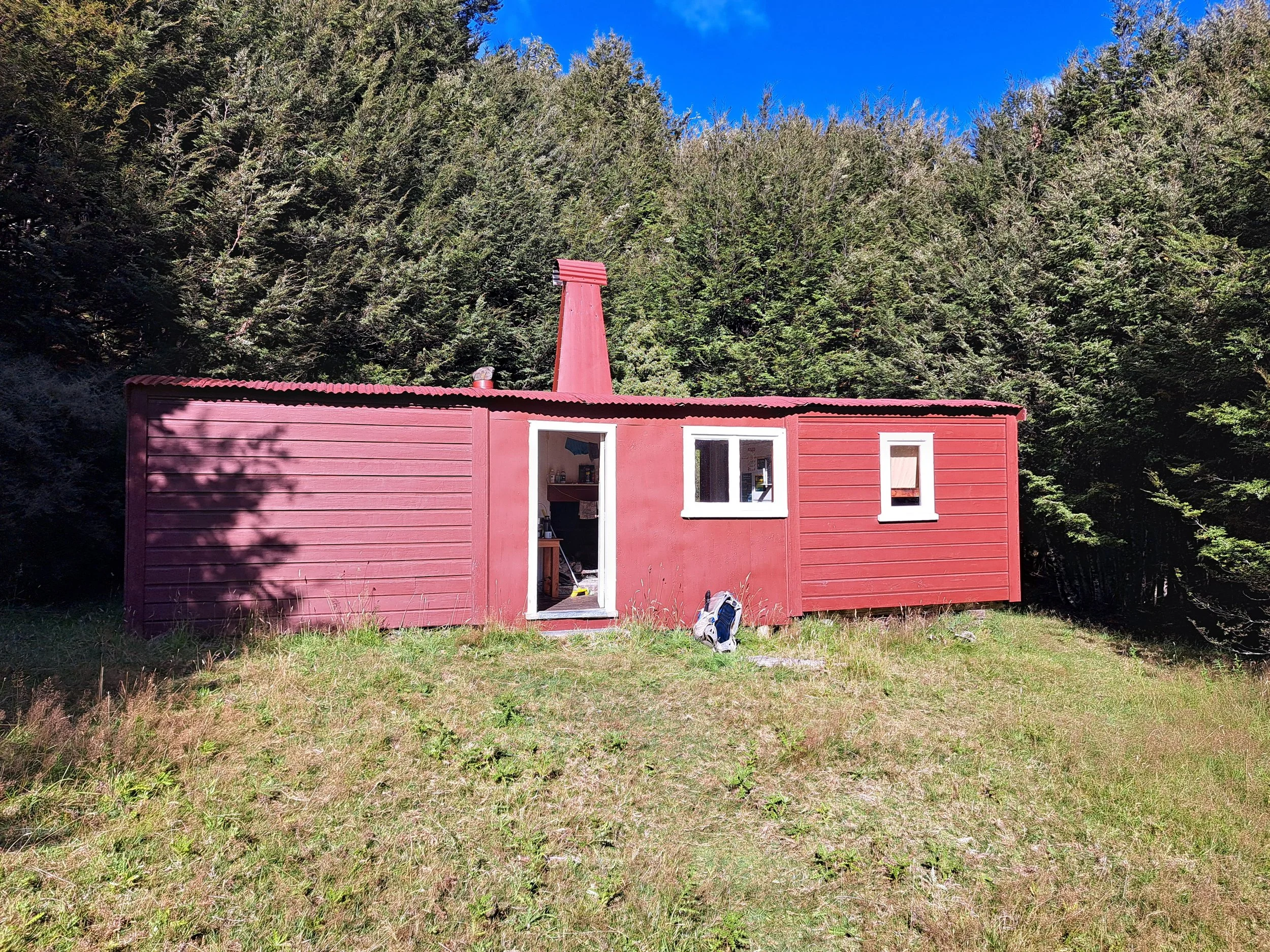
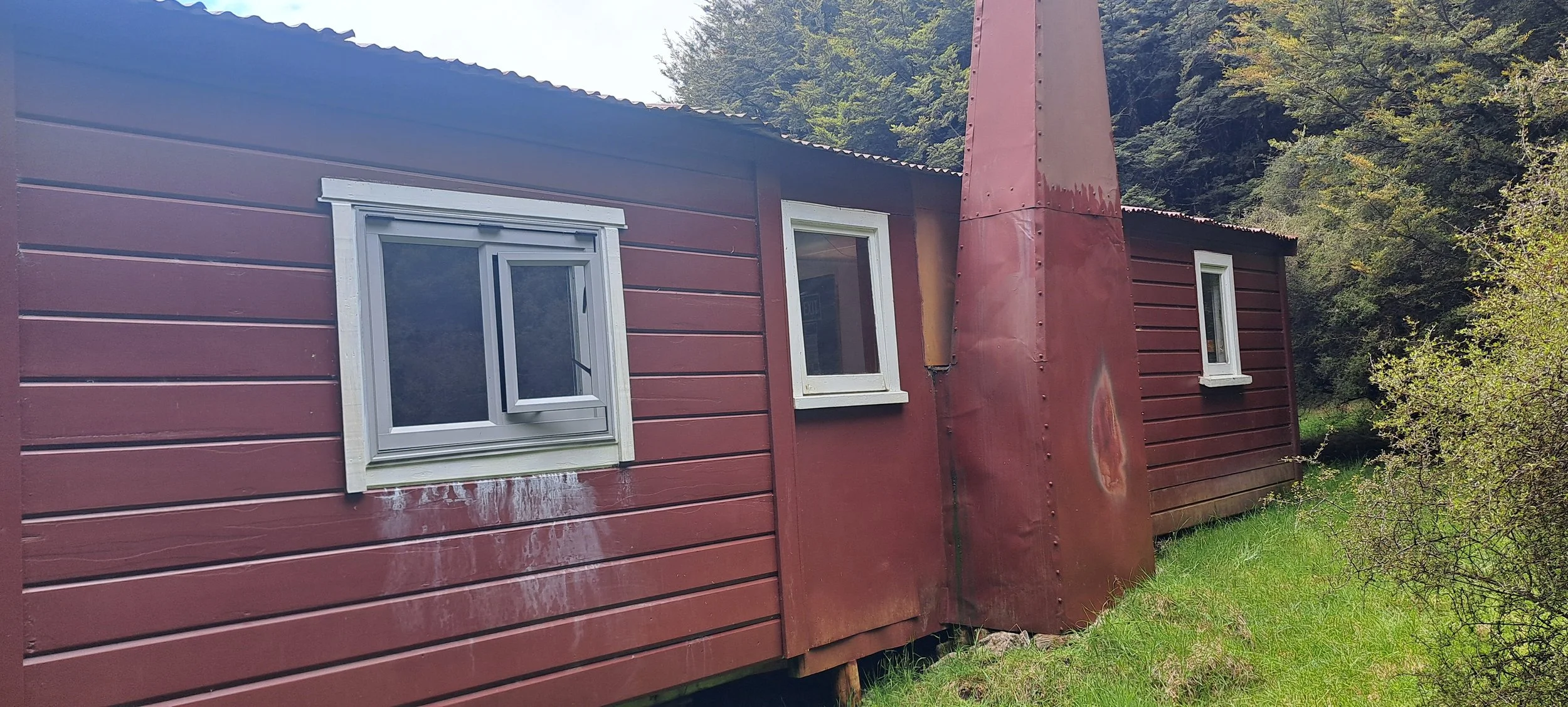
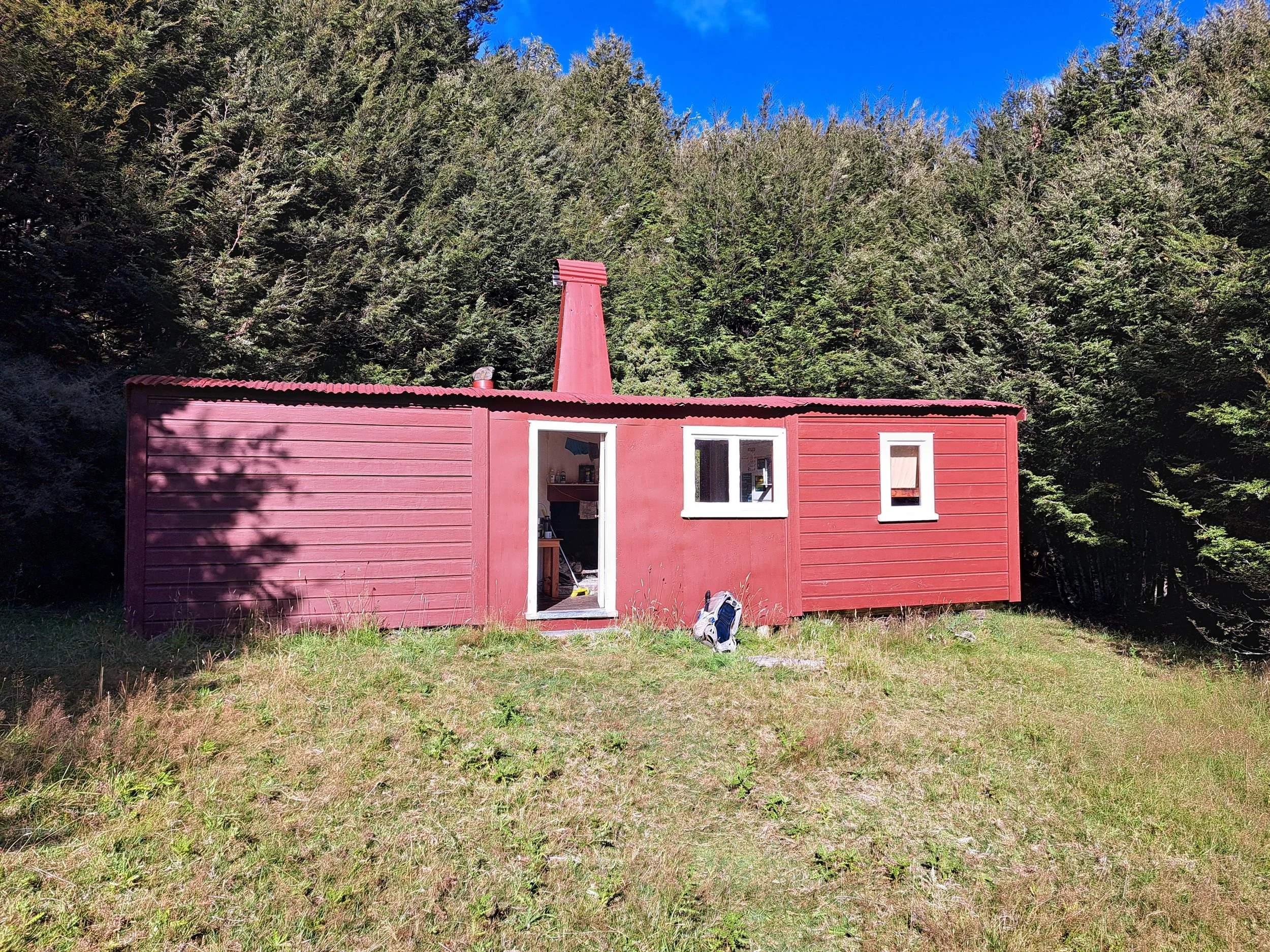
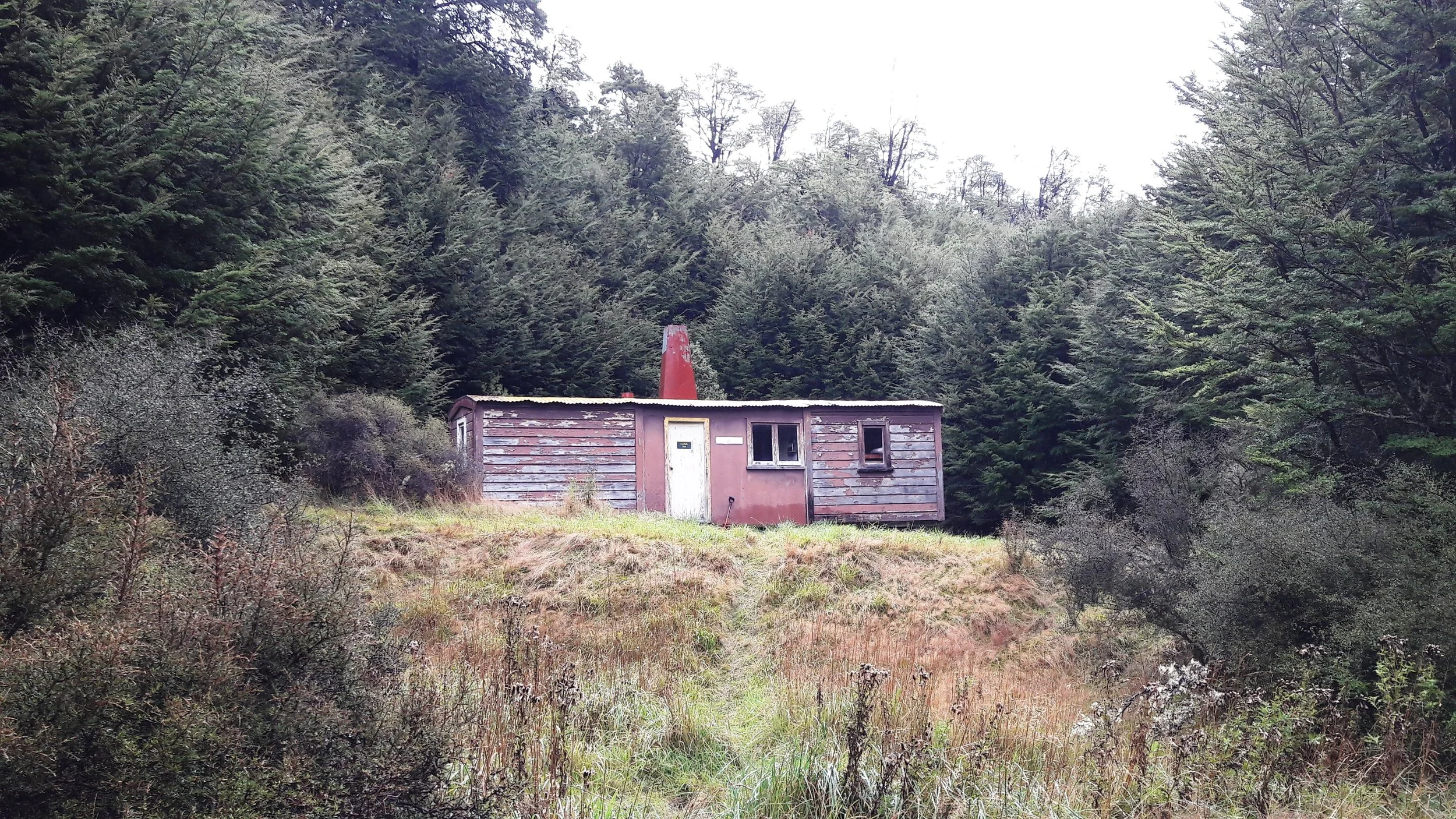
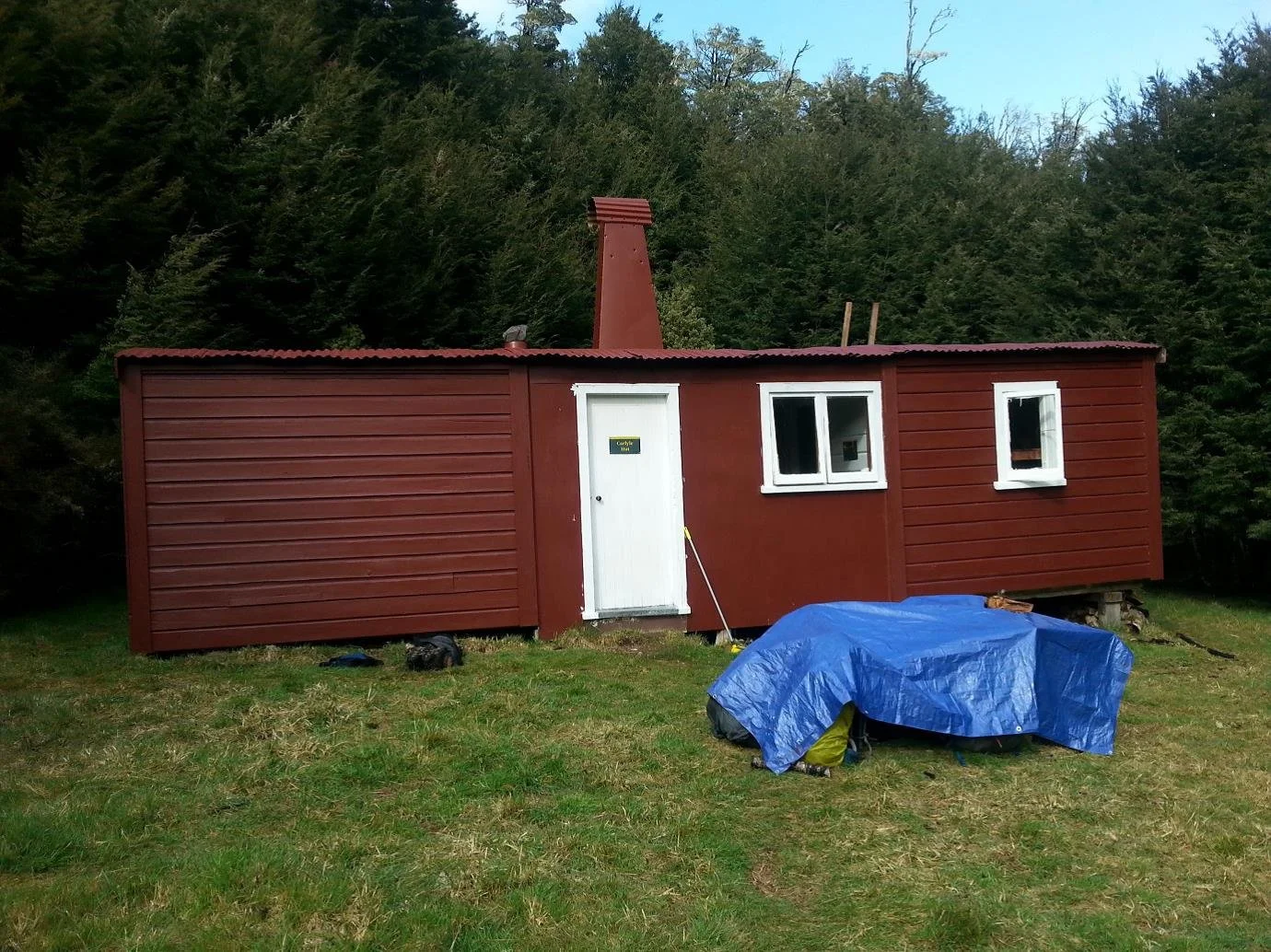
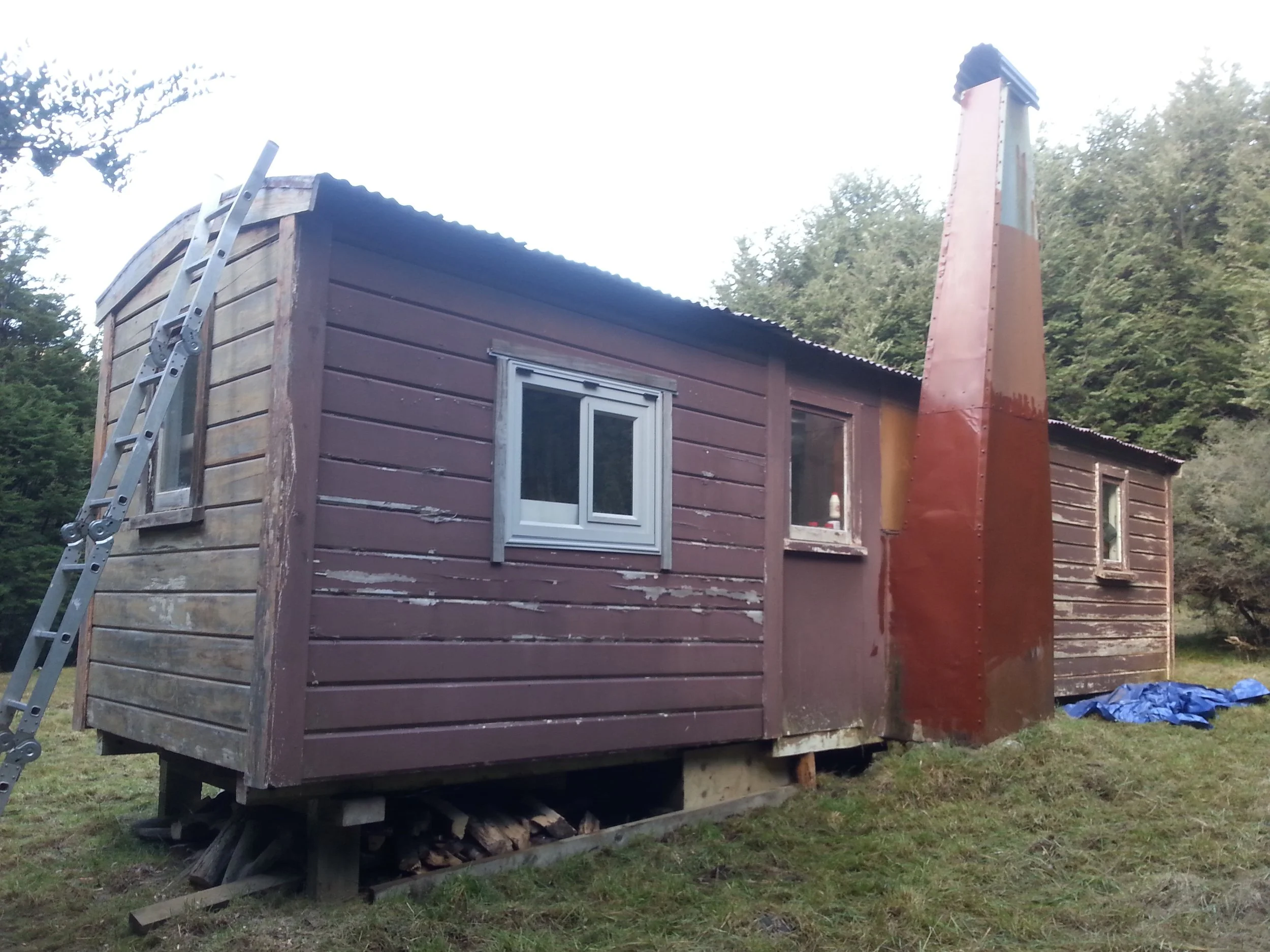
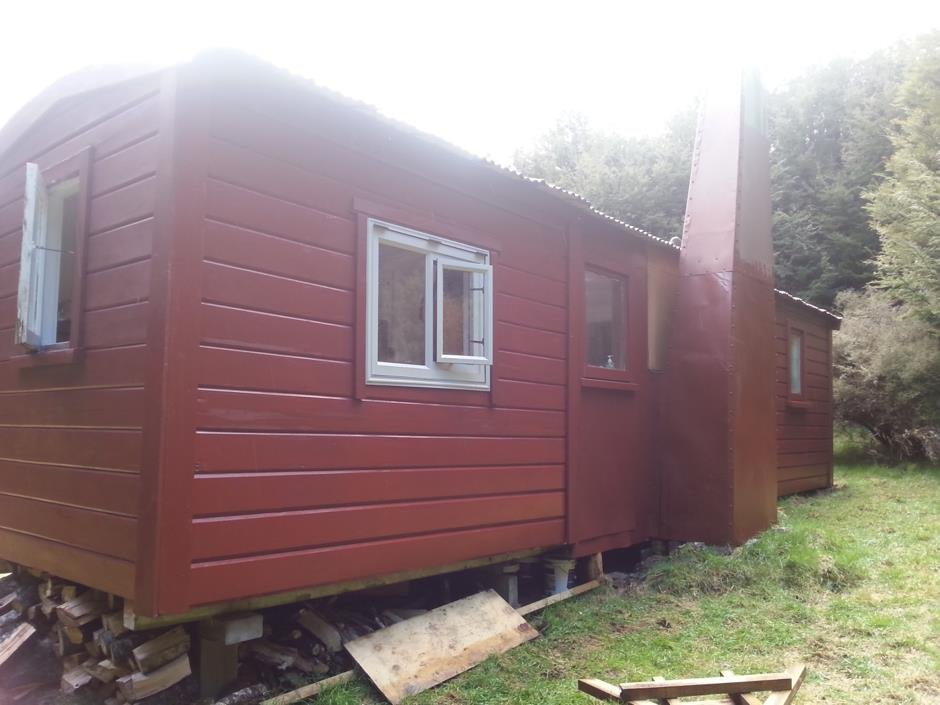
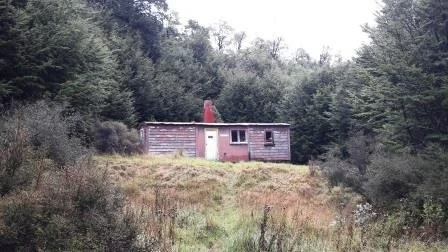
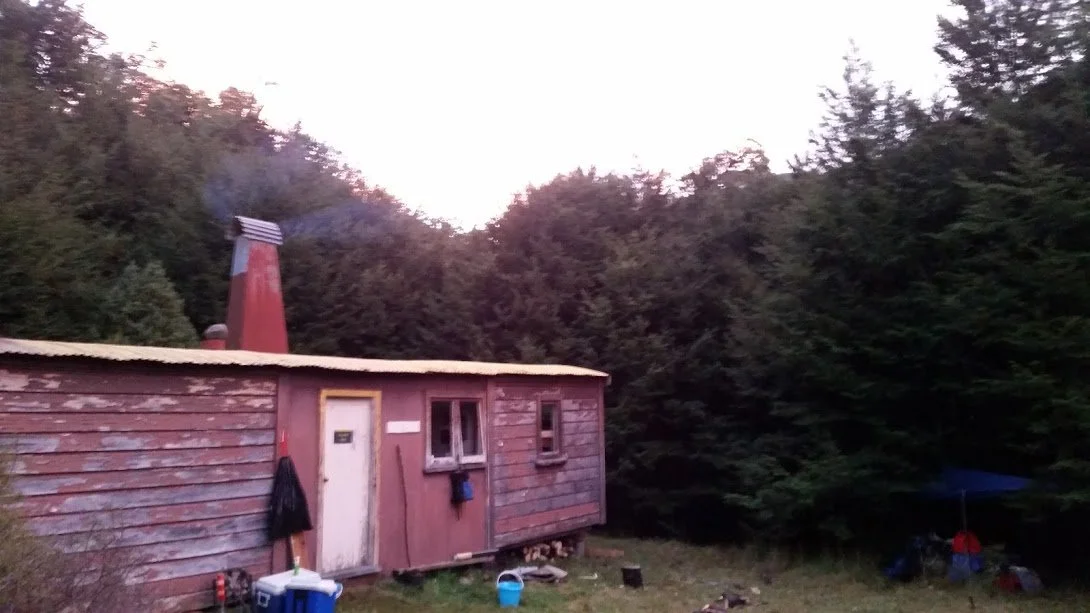
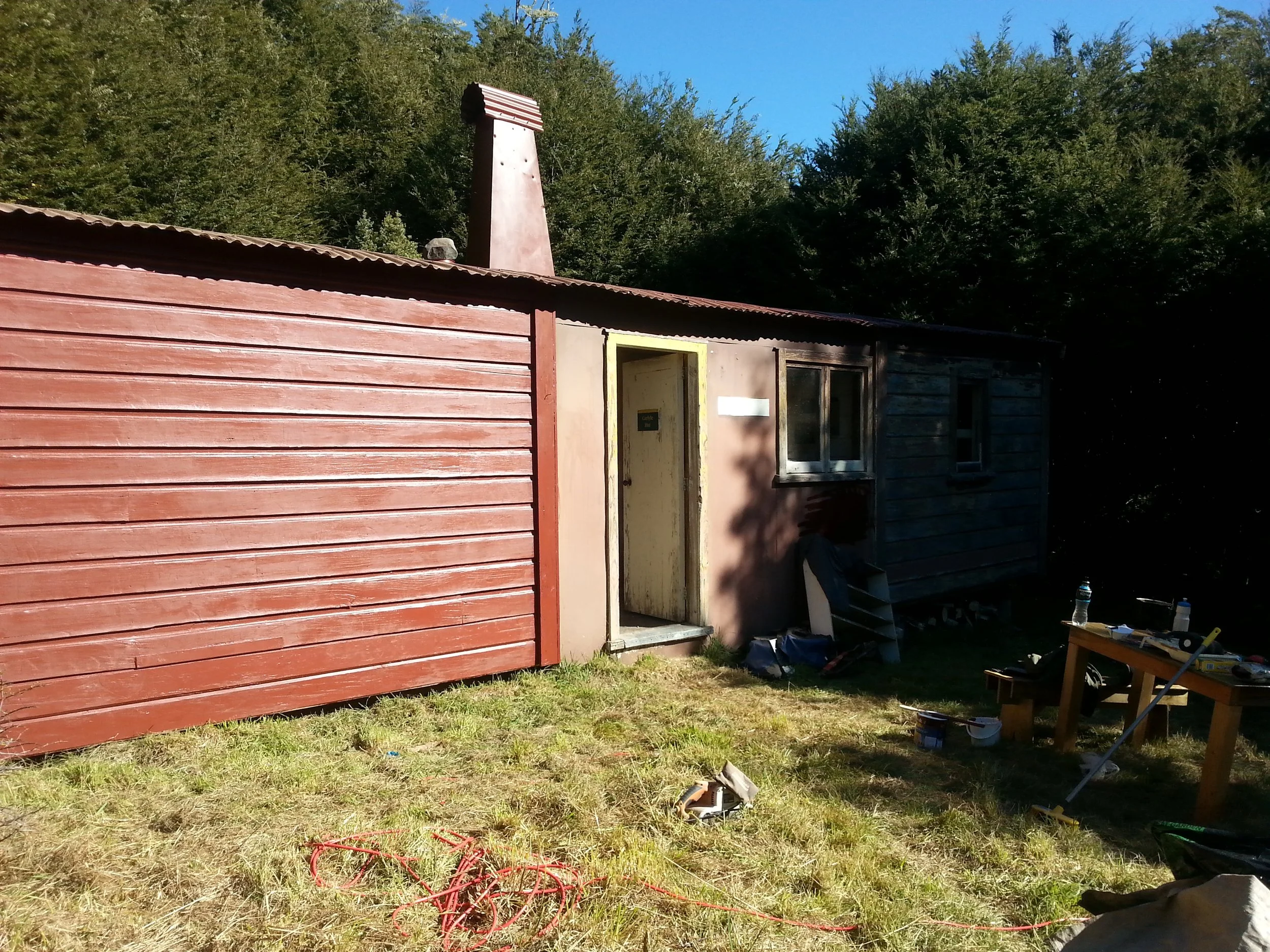
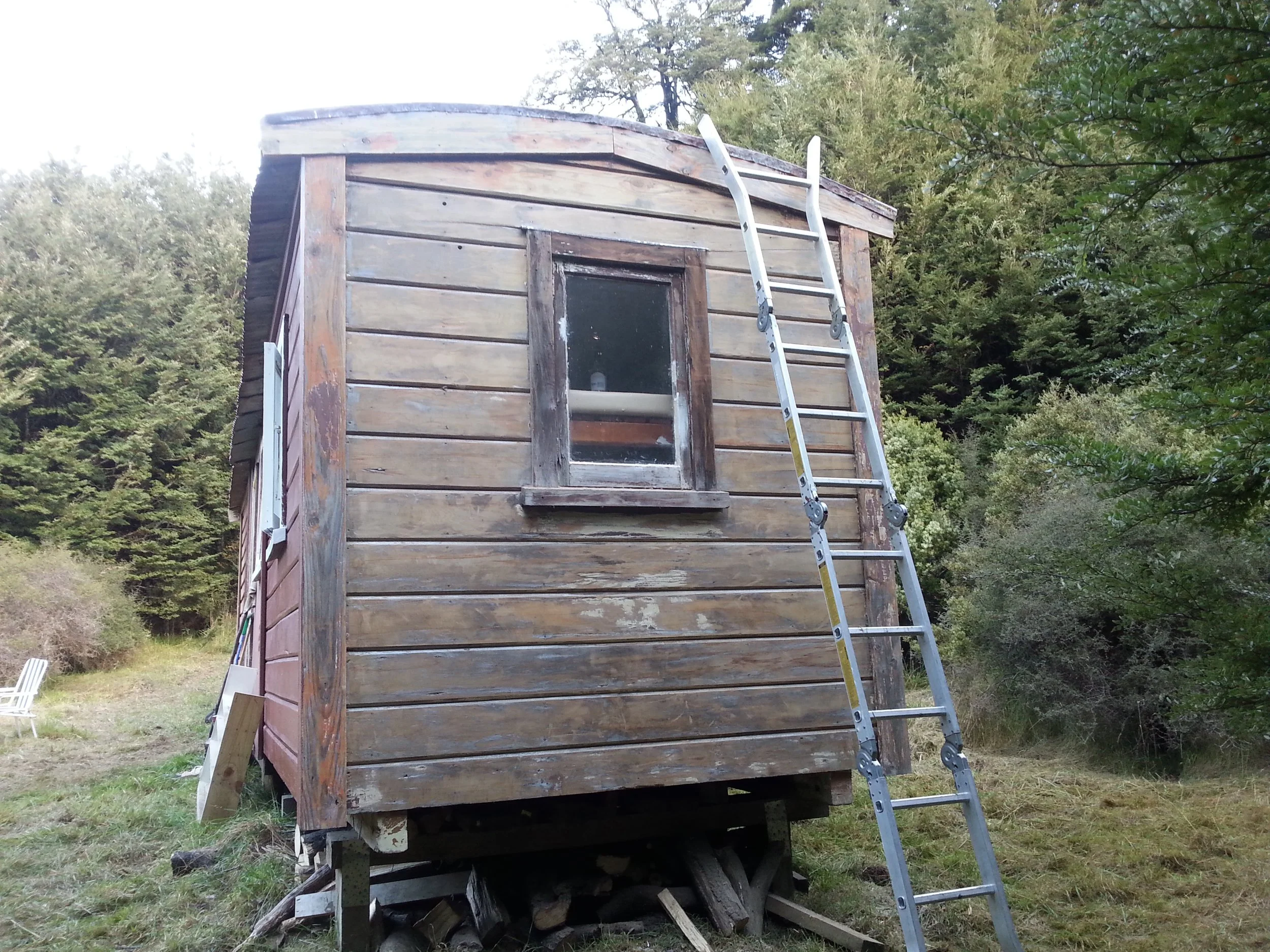
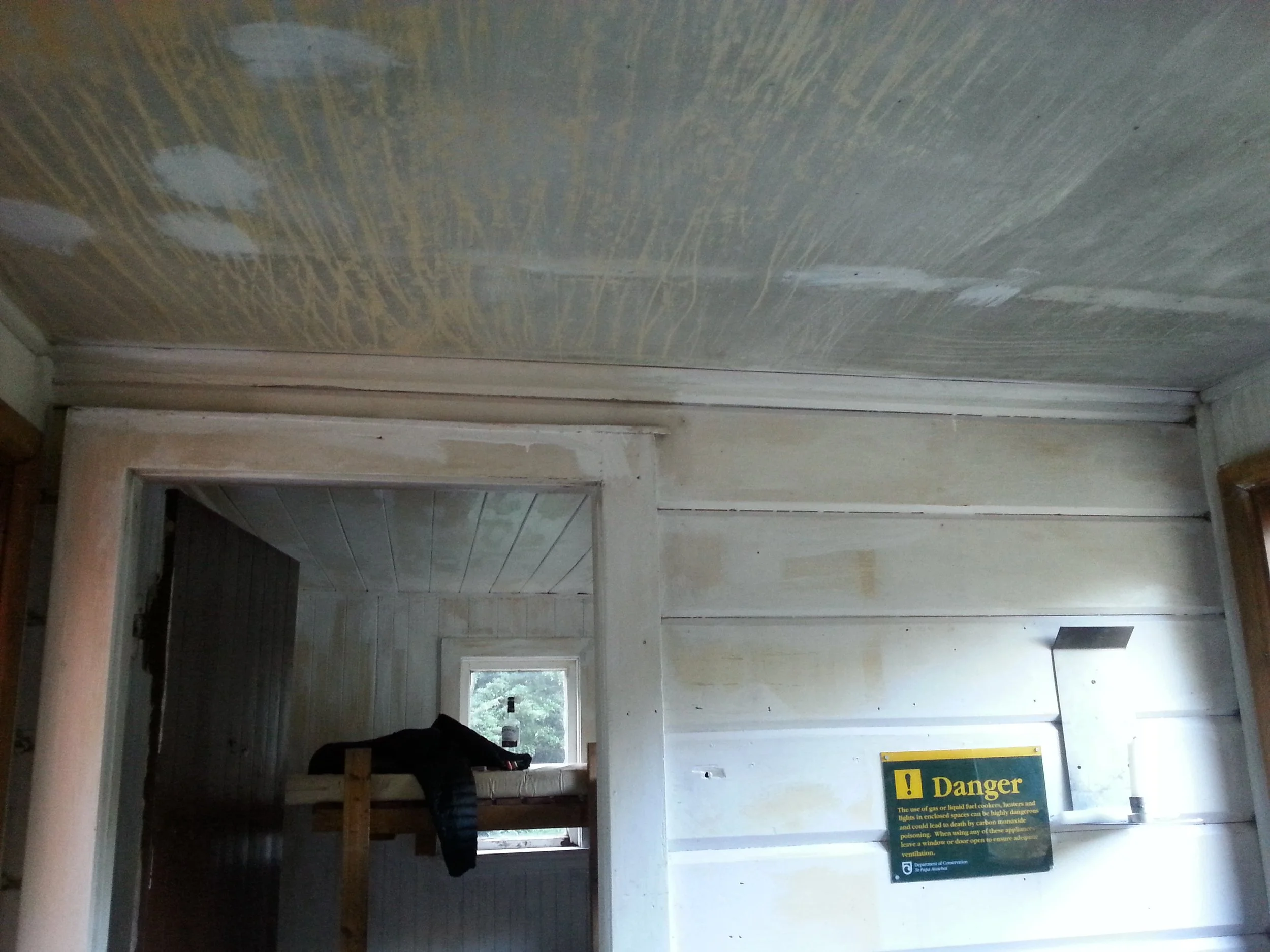
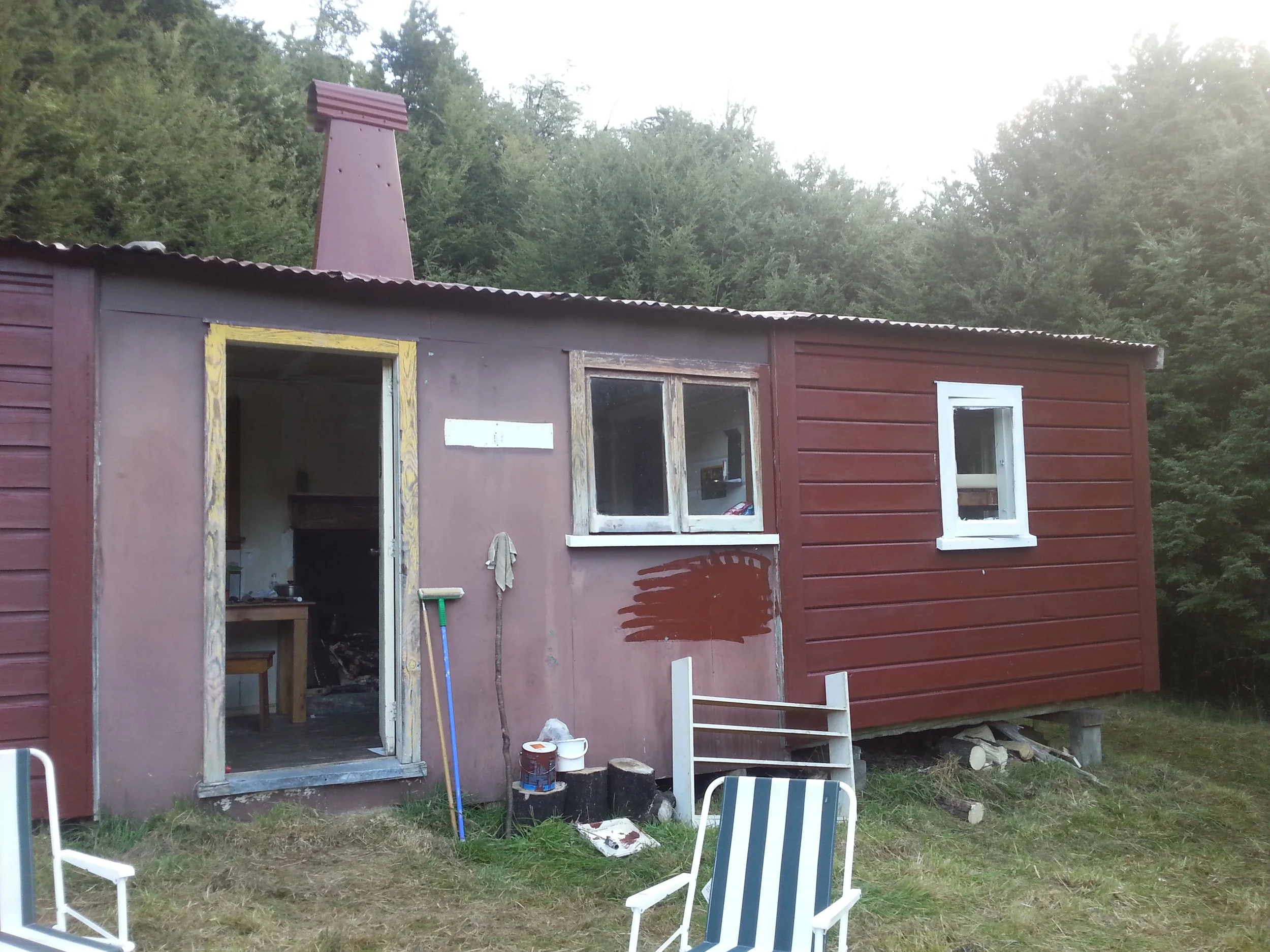
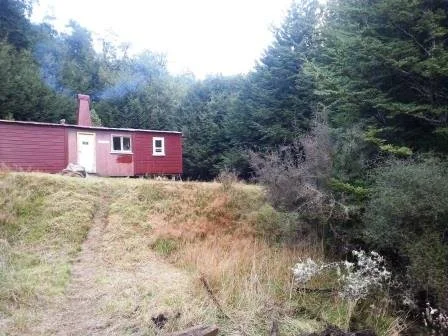
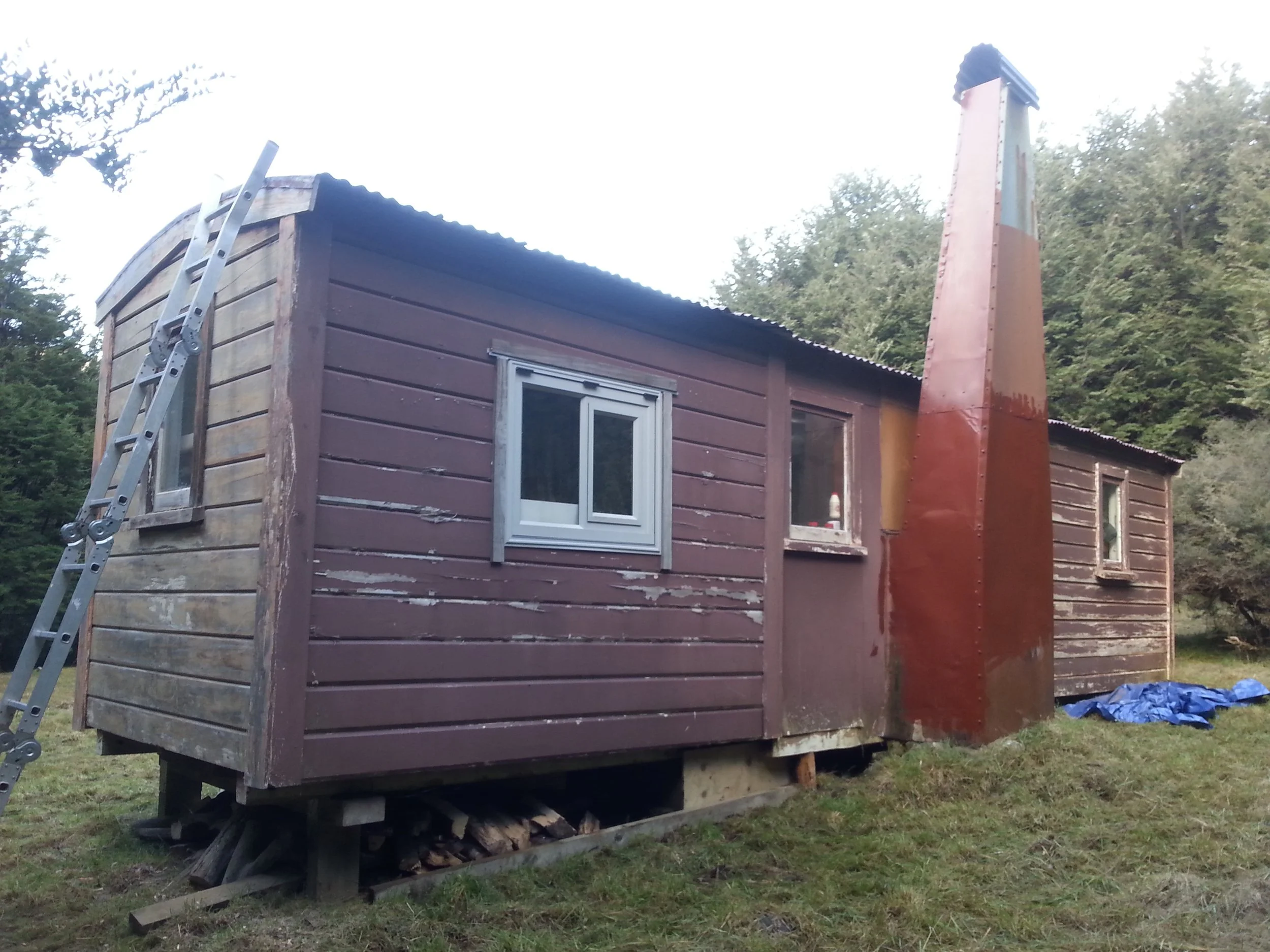
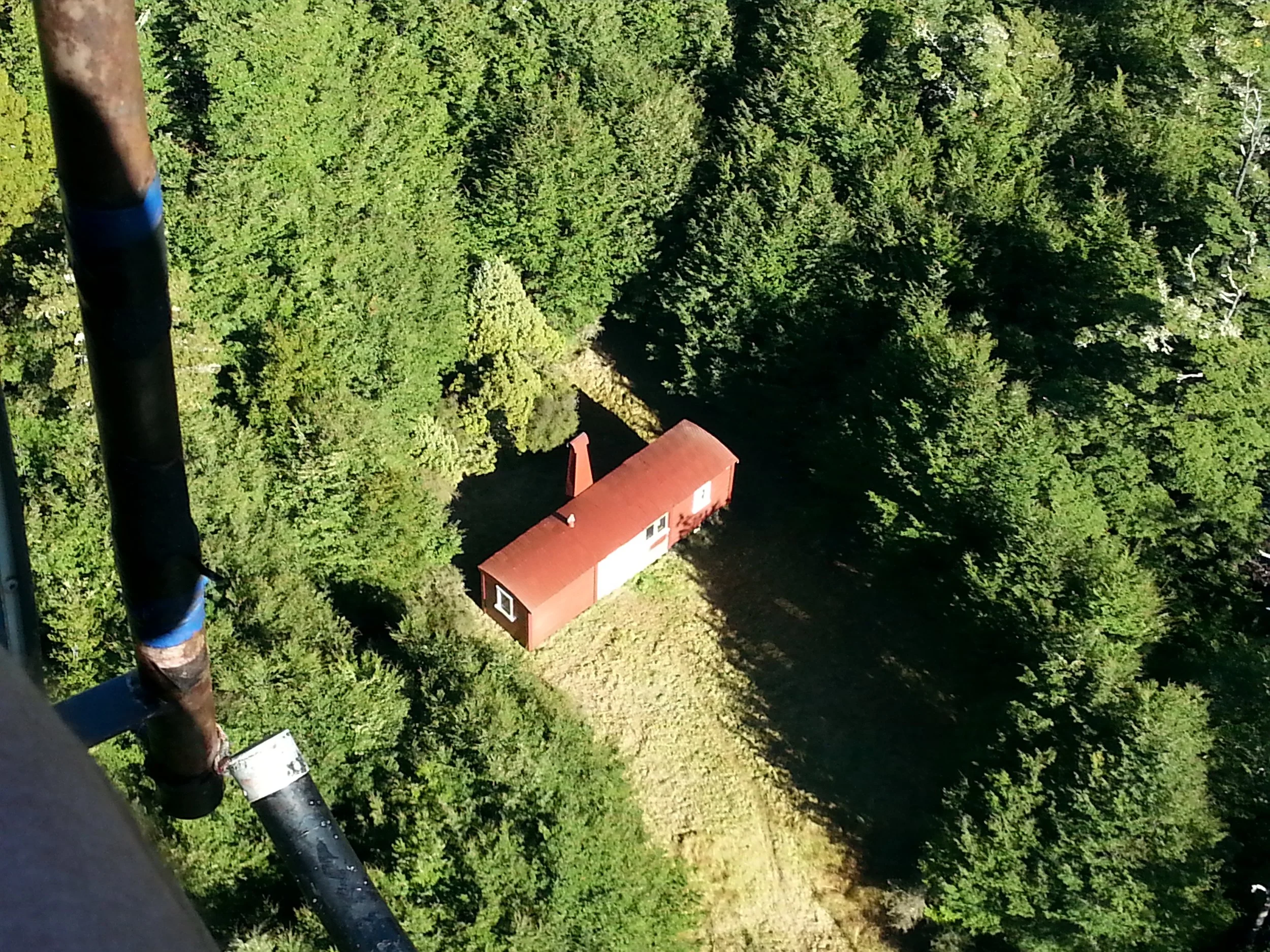
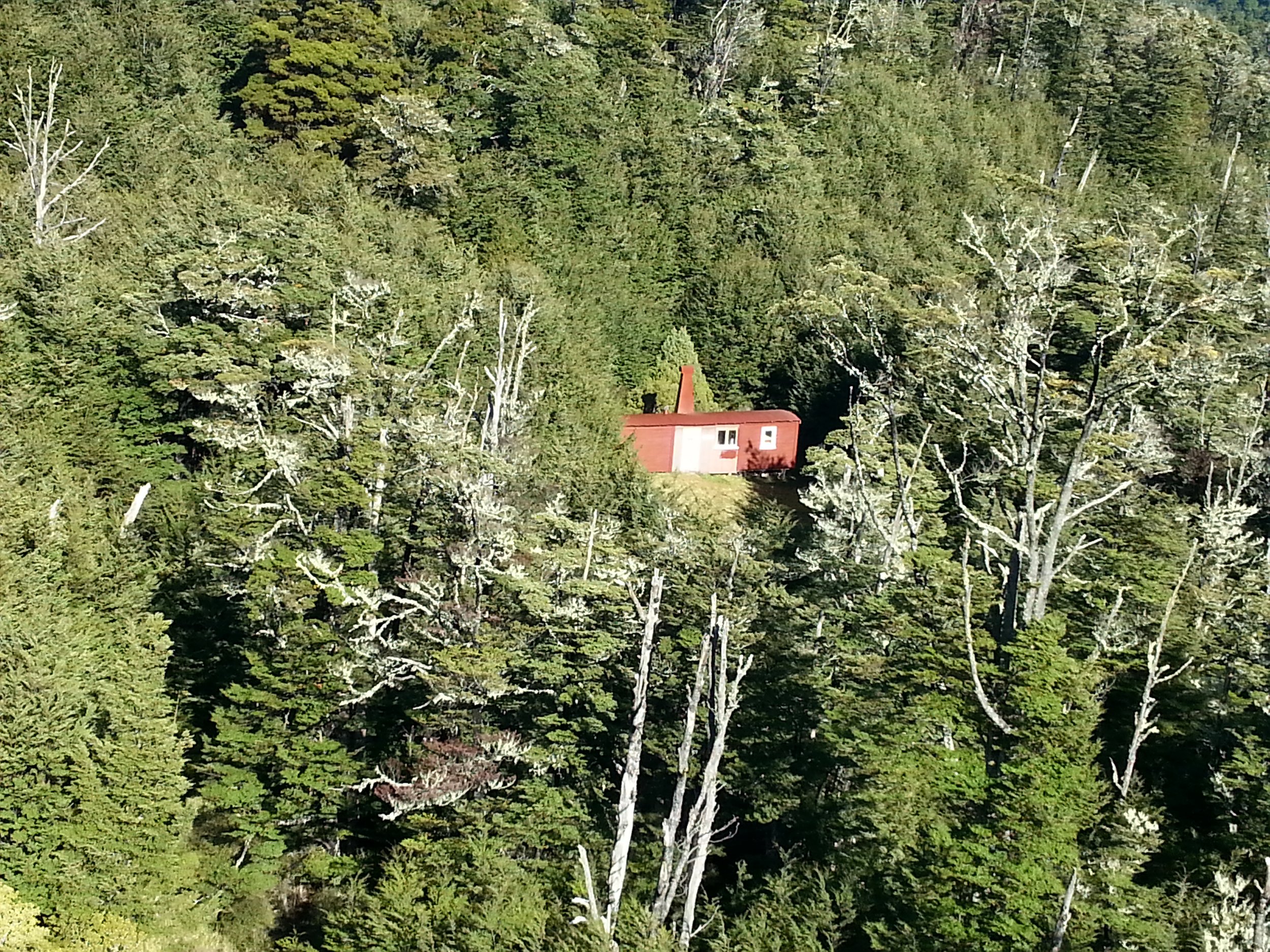
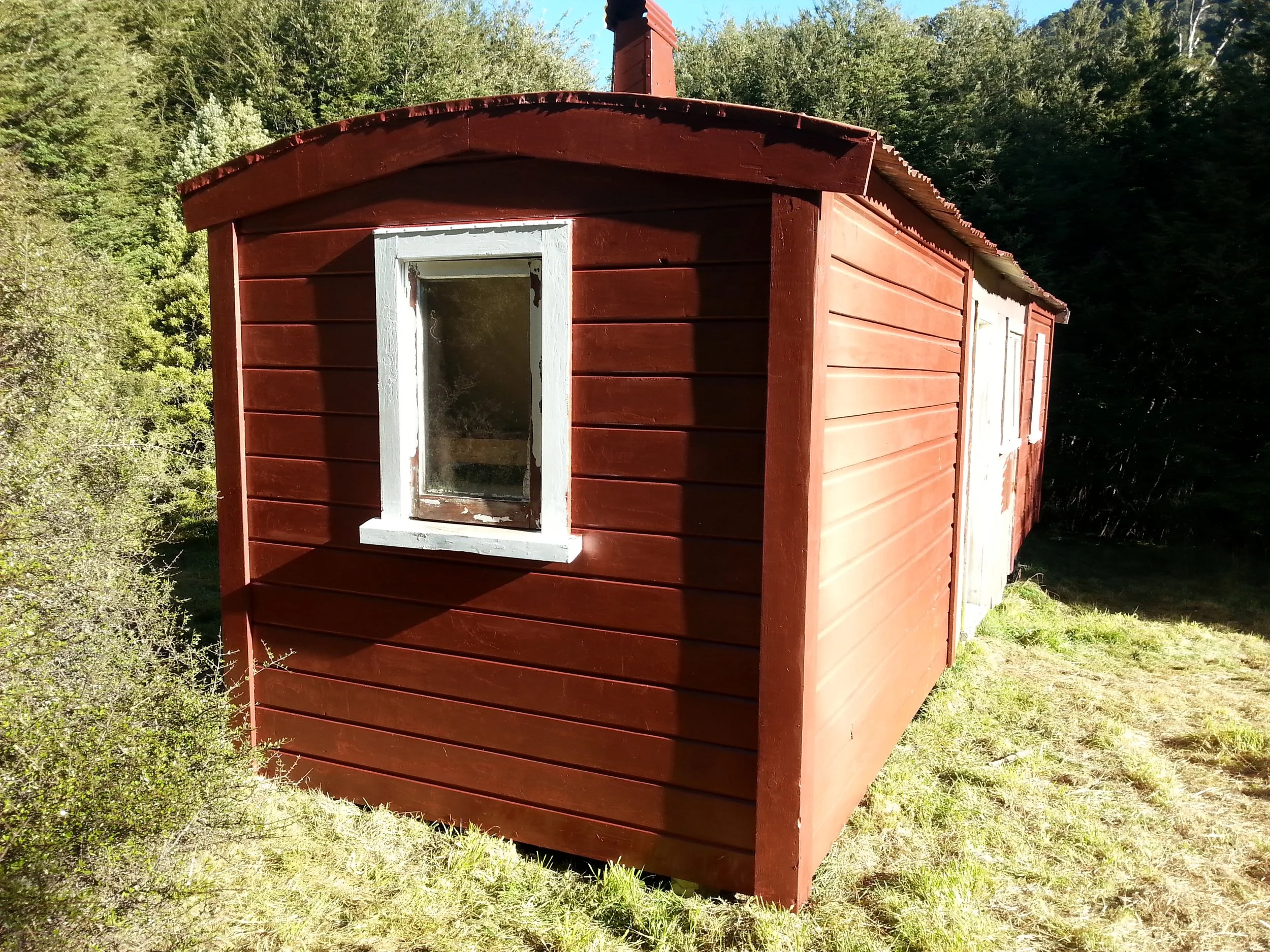
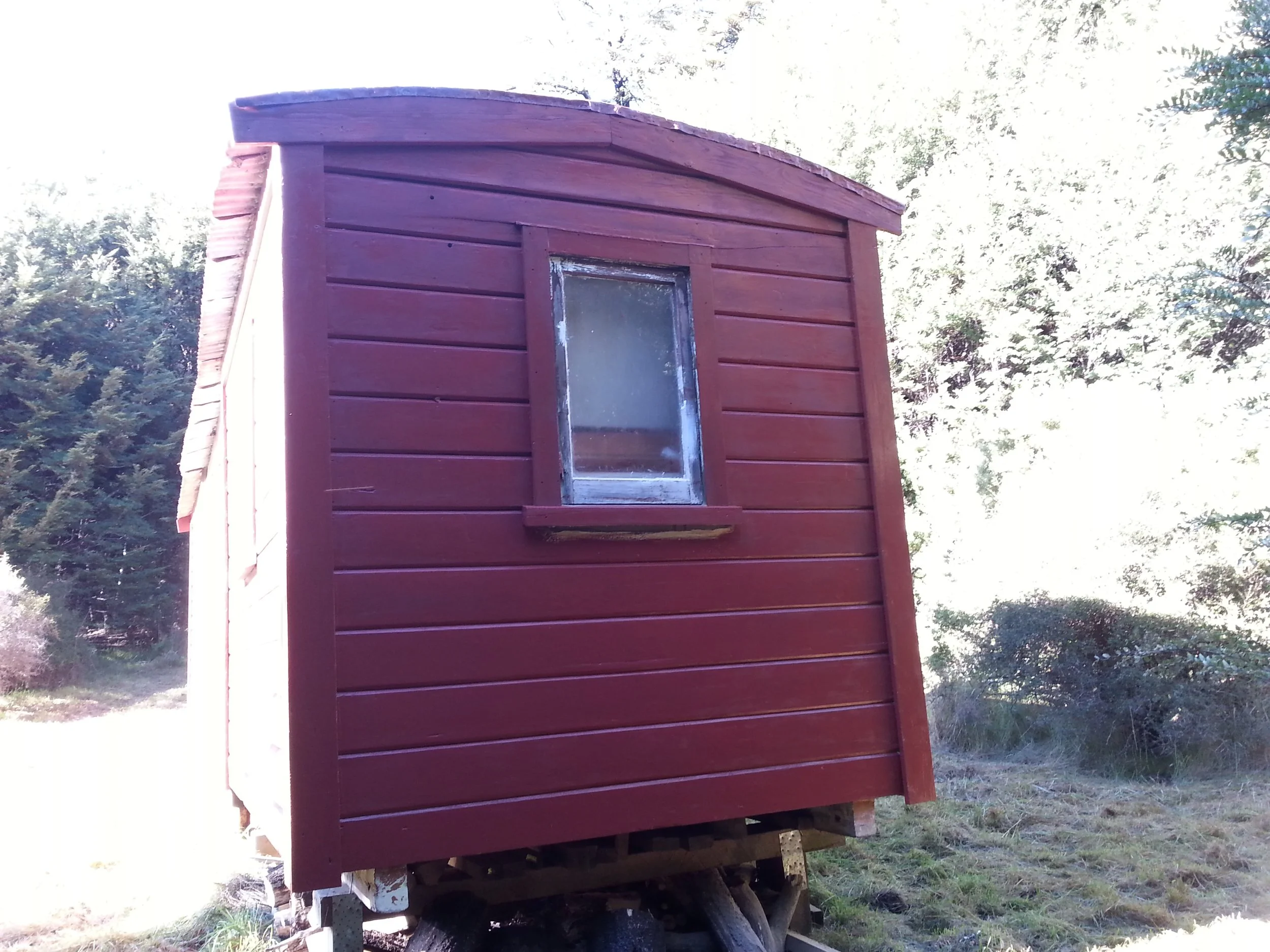
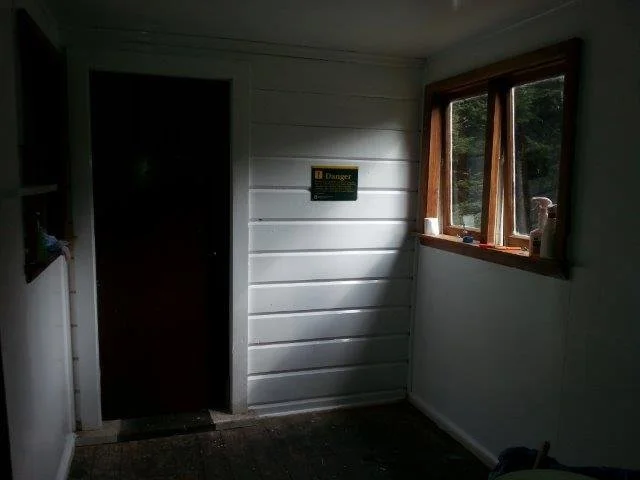
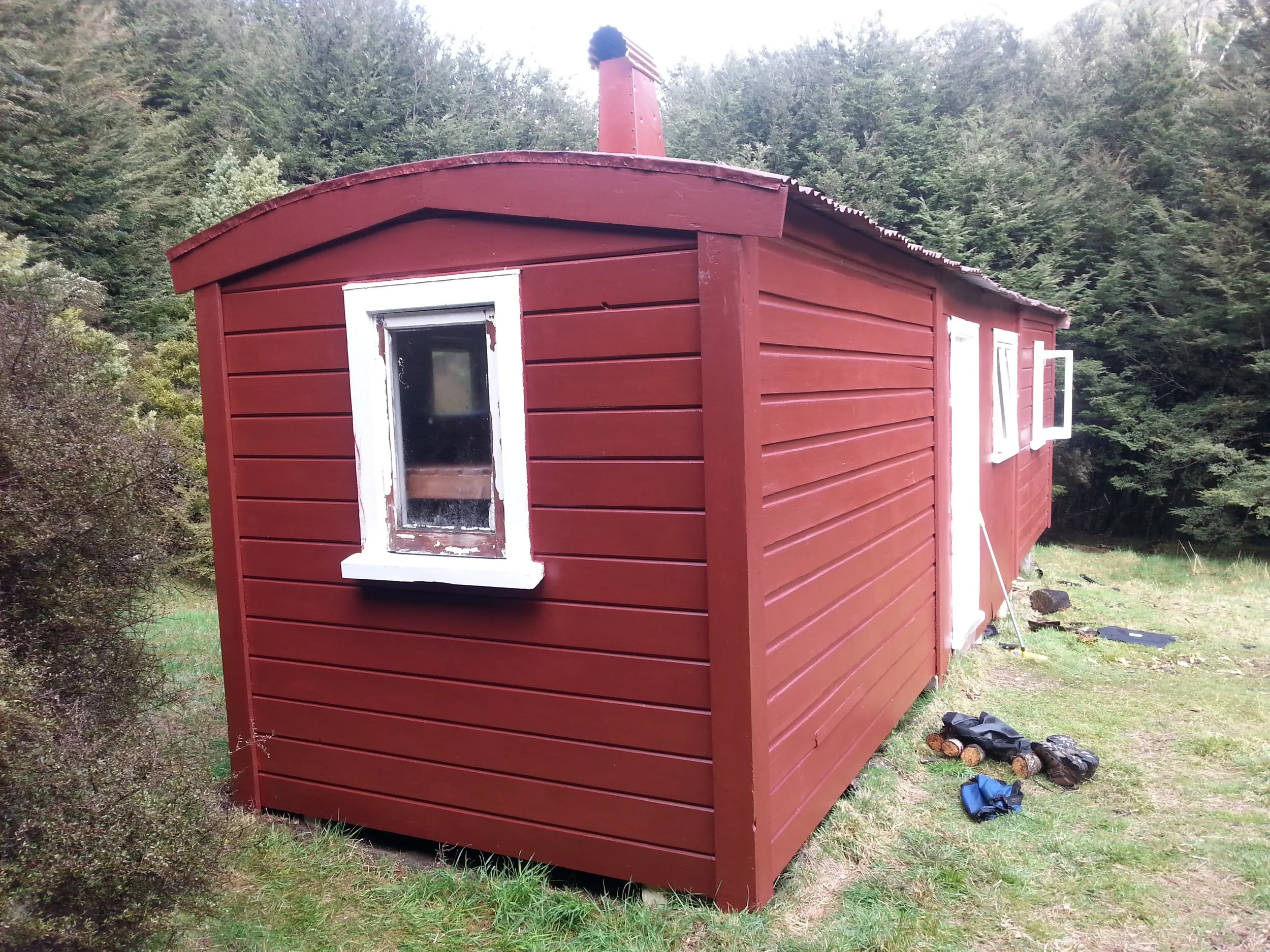
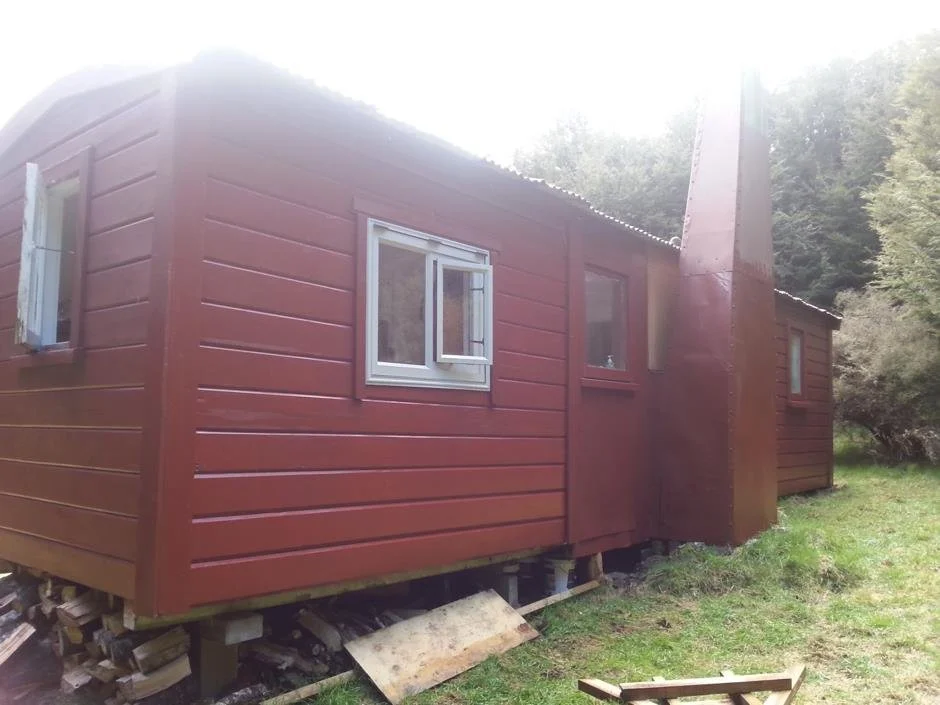
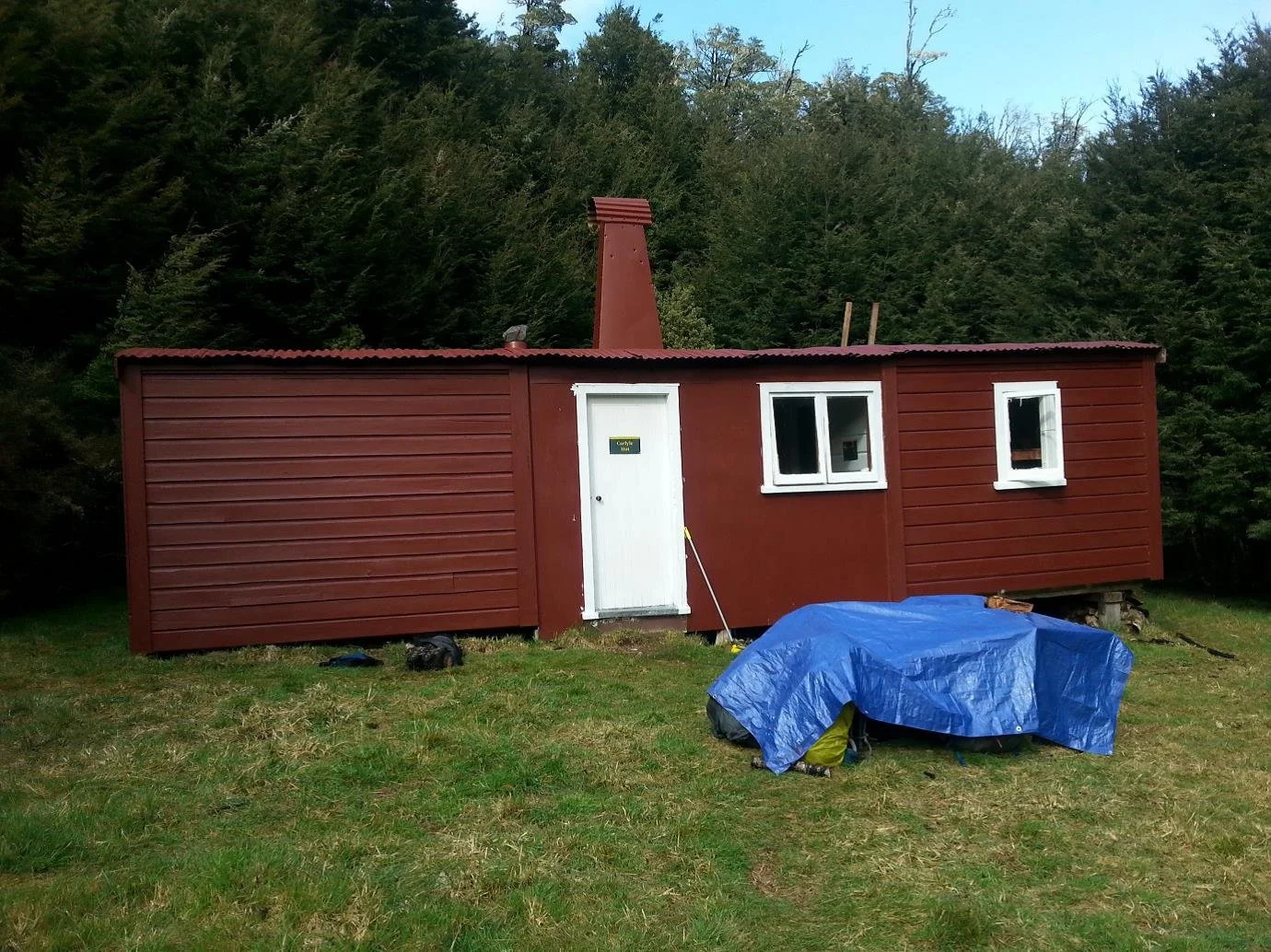
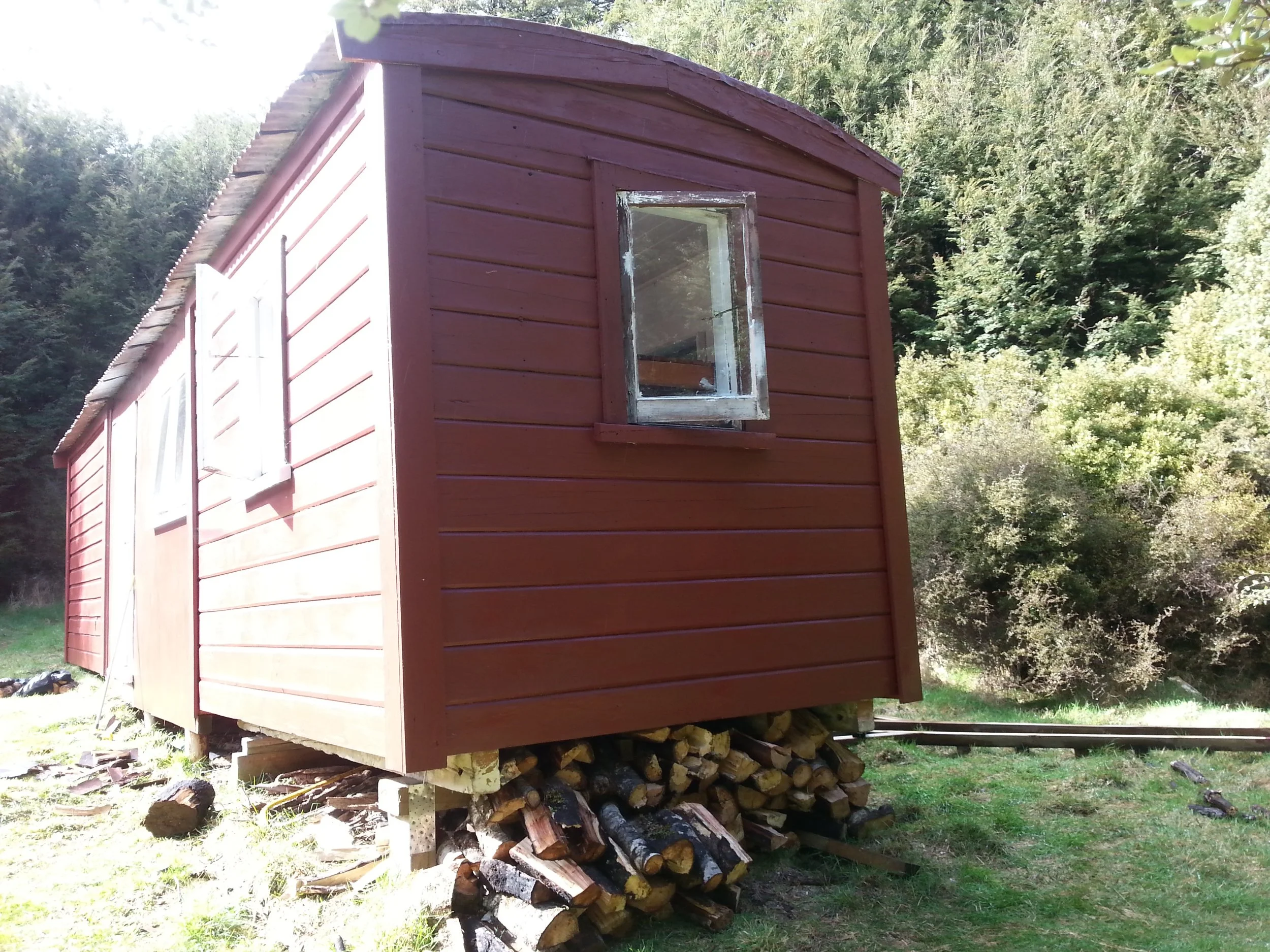
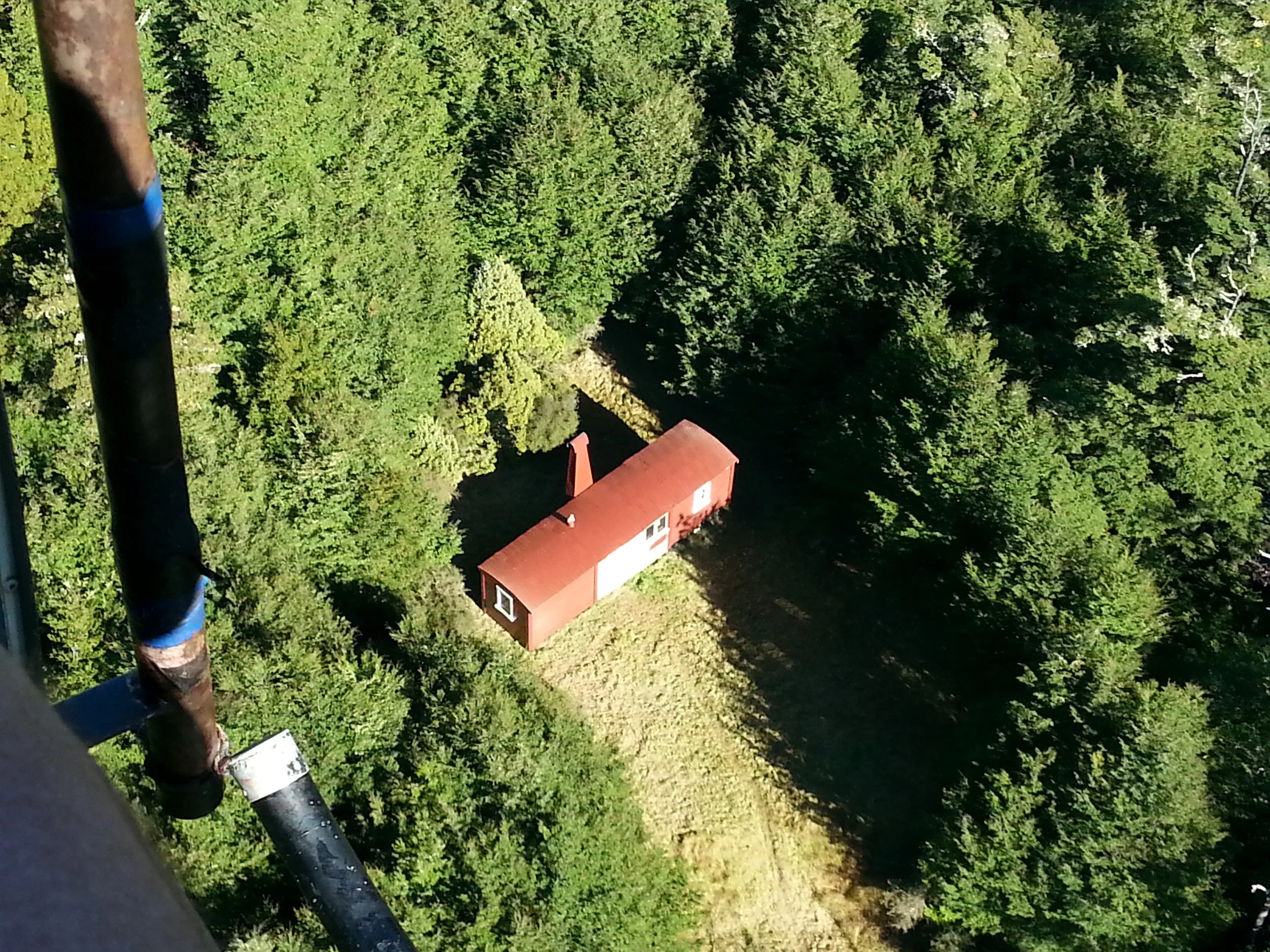
Carlyle Hut Before and After
The Carlyle Beginnings
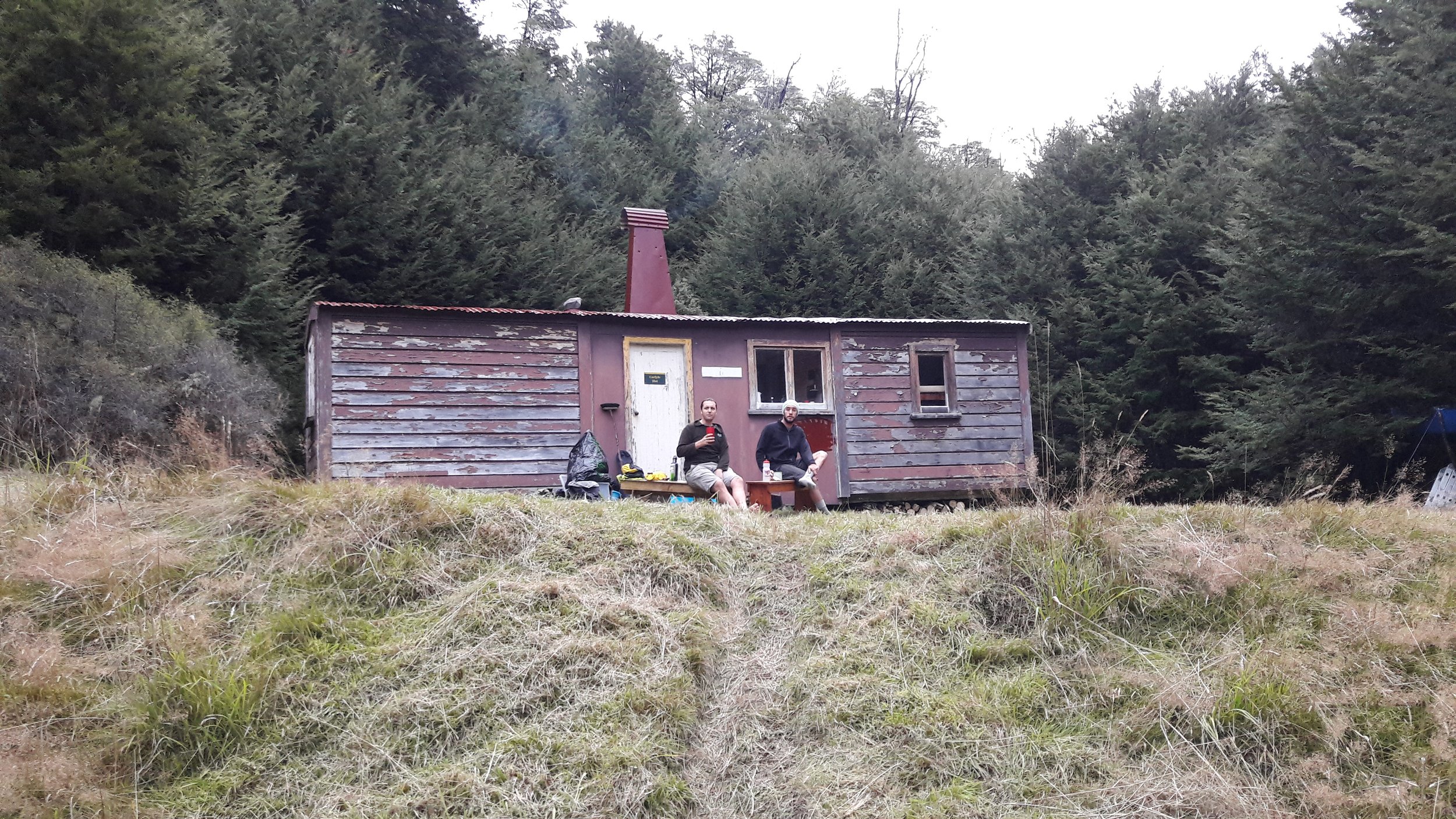
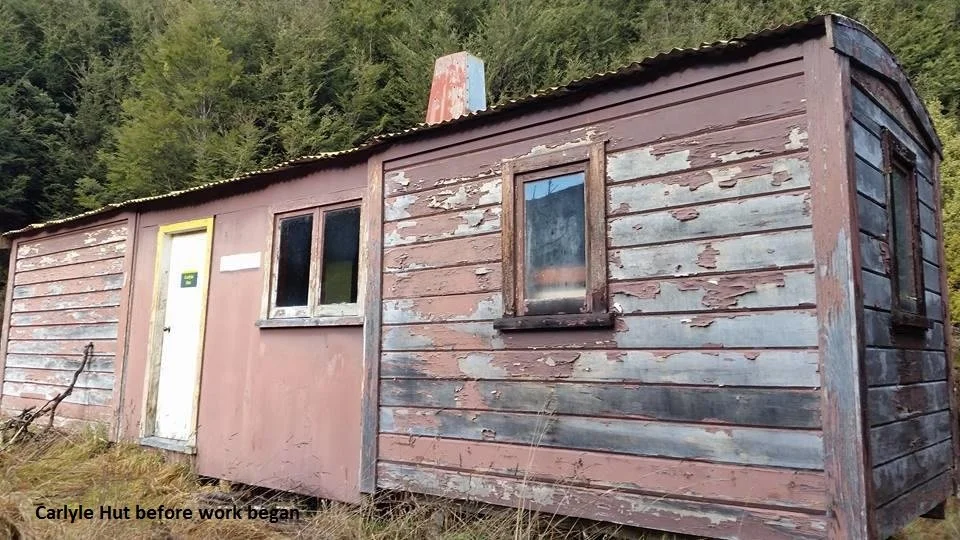
The Carlyle Project started in 2016, after the trust reached out to ‘Adopt a Hut’ about restoring the Carlyle Hut. Past advisory trustee Justin Leadbeater visited the Carlyle Hut in July of 2016 and came up with list of work that needed to be done on the hut.
Thanks to a grant from the Outdoor Recreation Consortium, Hut restoration work was able to be stared in November 2016 when a team of enthusiastic volunteers began clearing the track to the hut giving better access for those walking in.
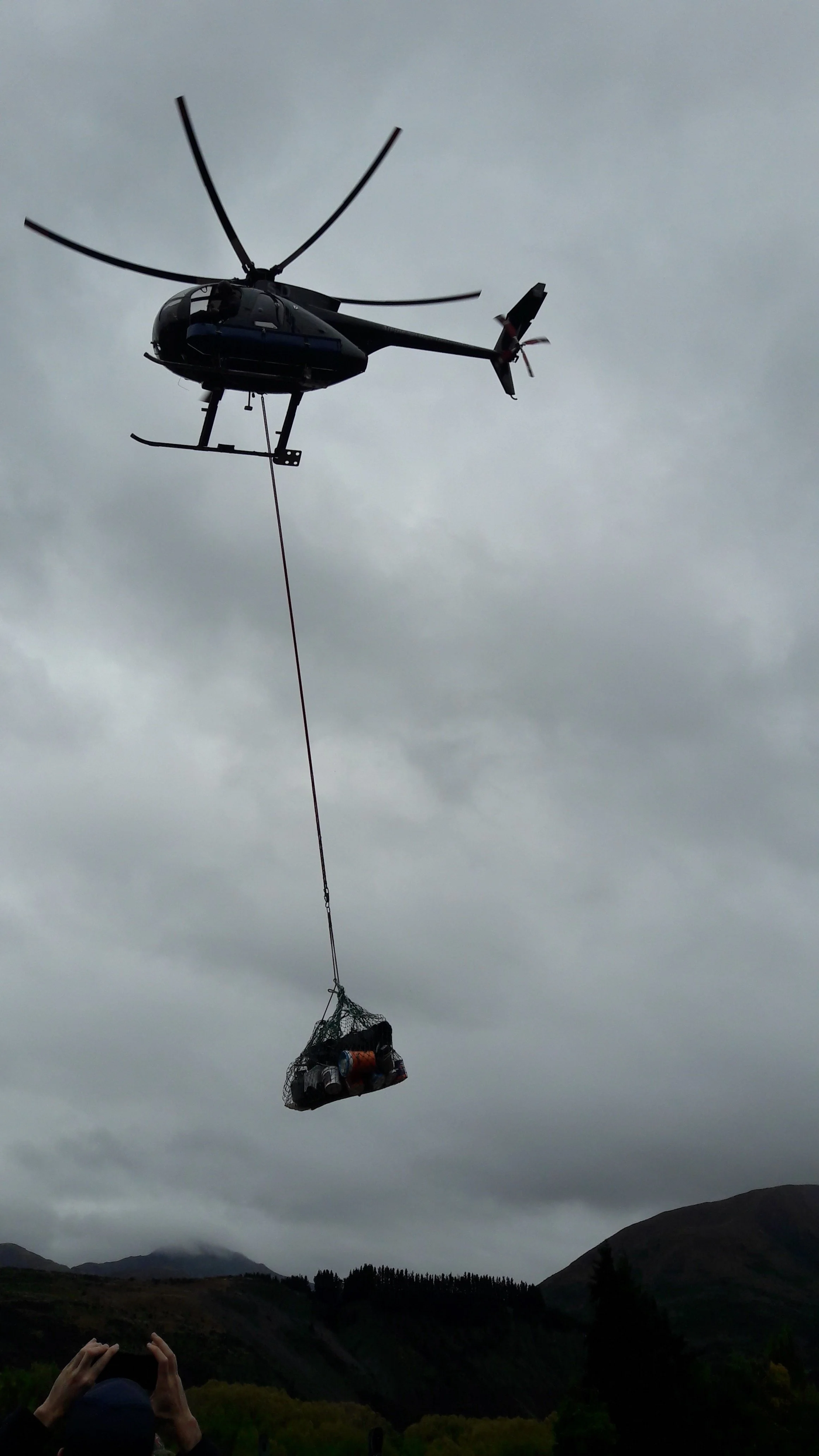
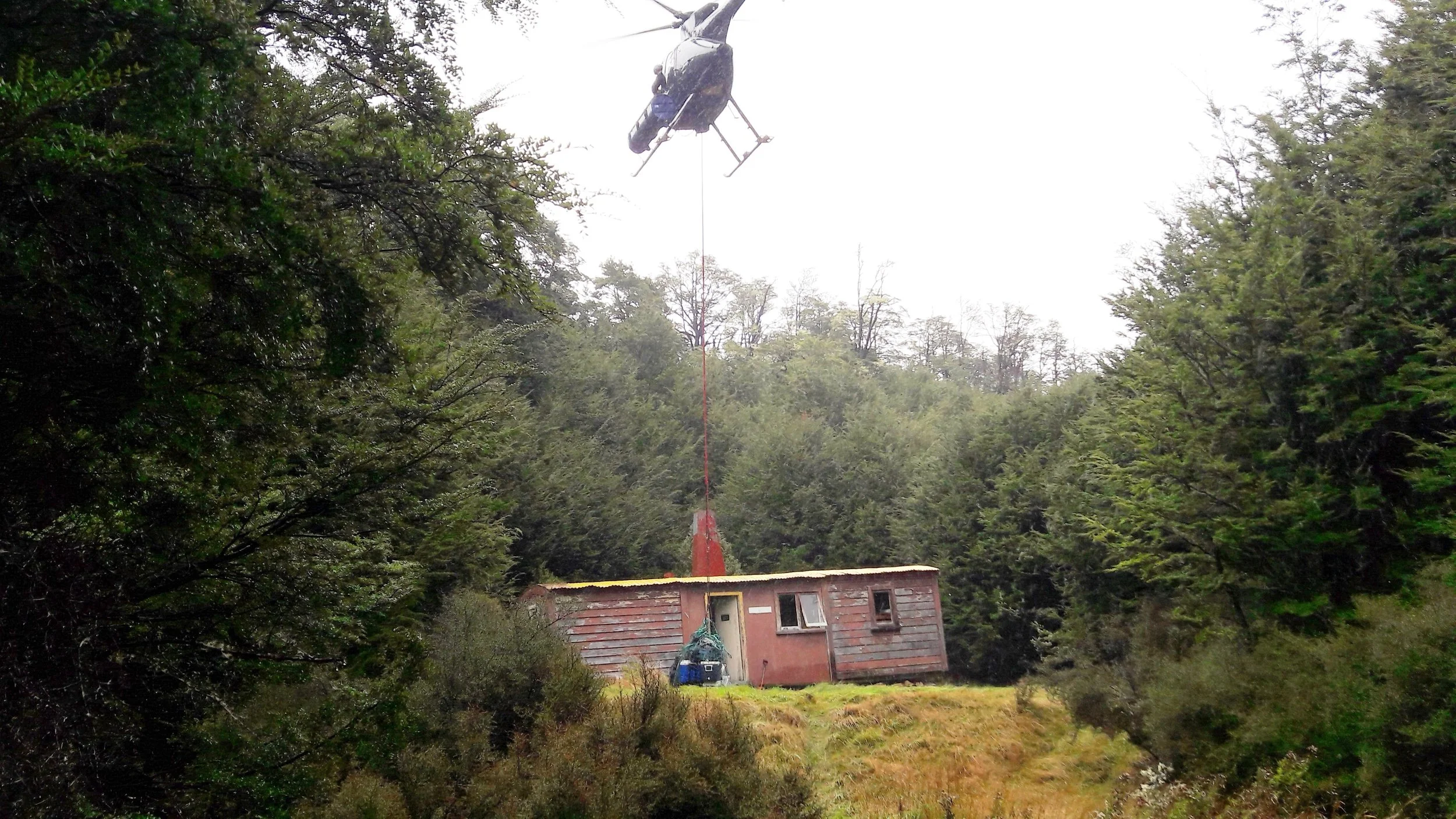
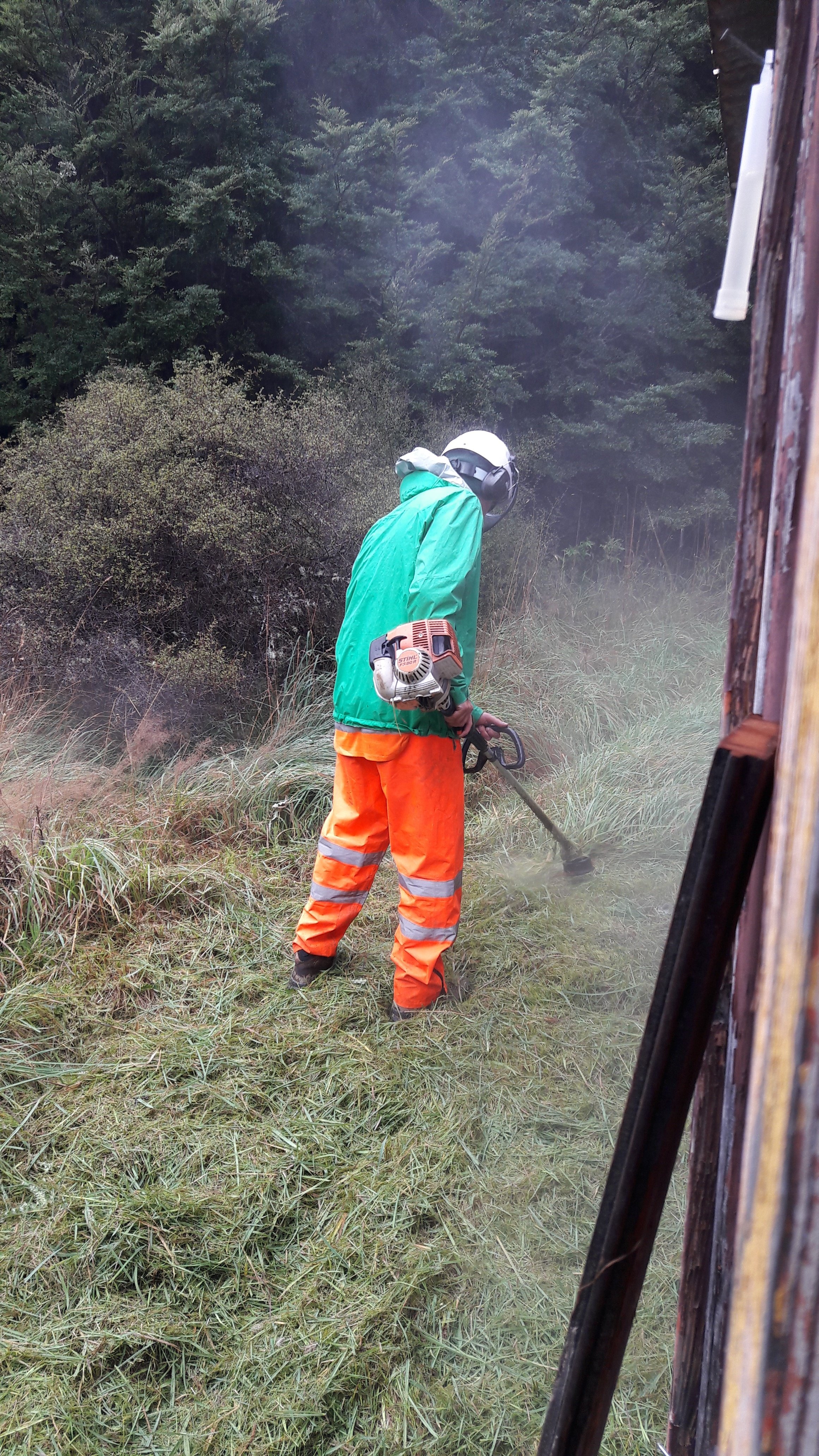
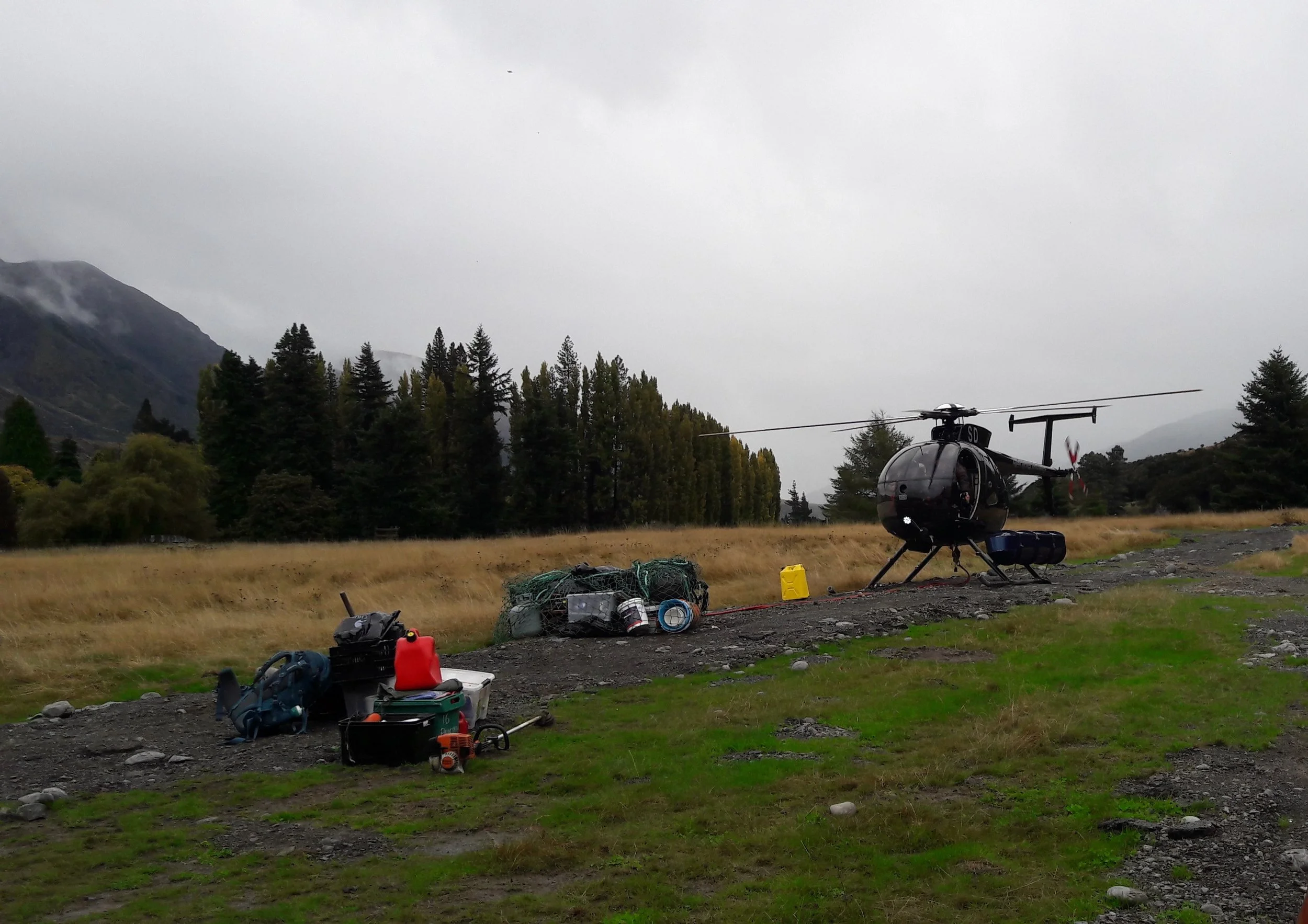
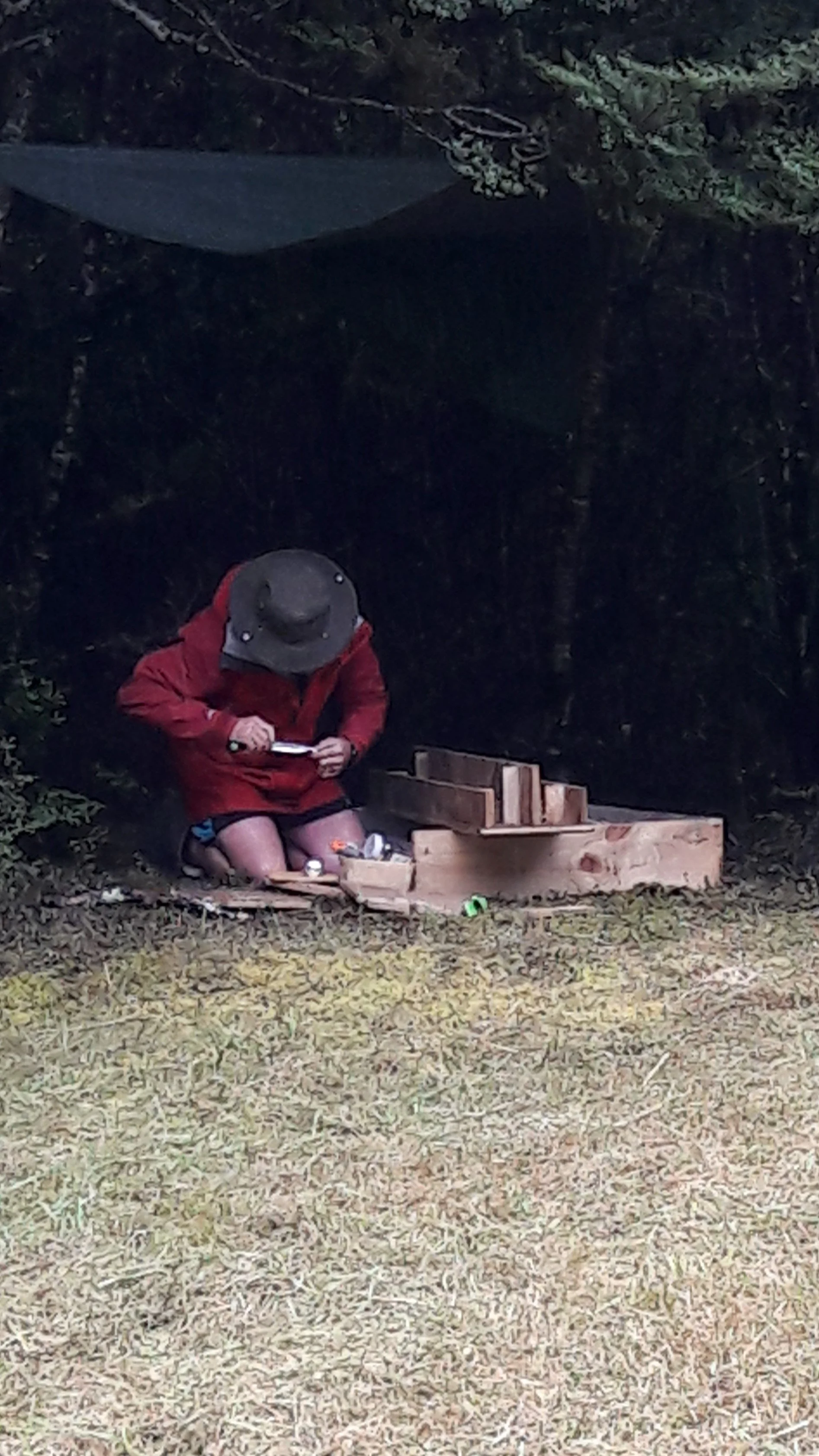
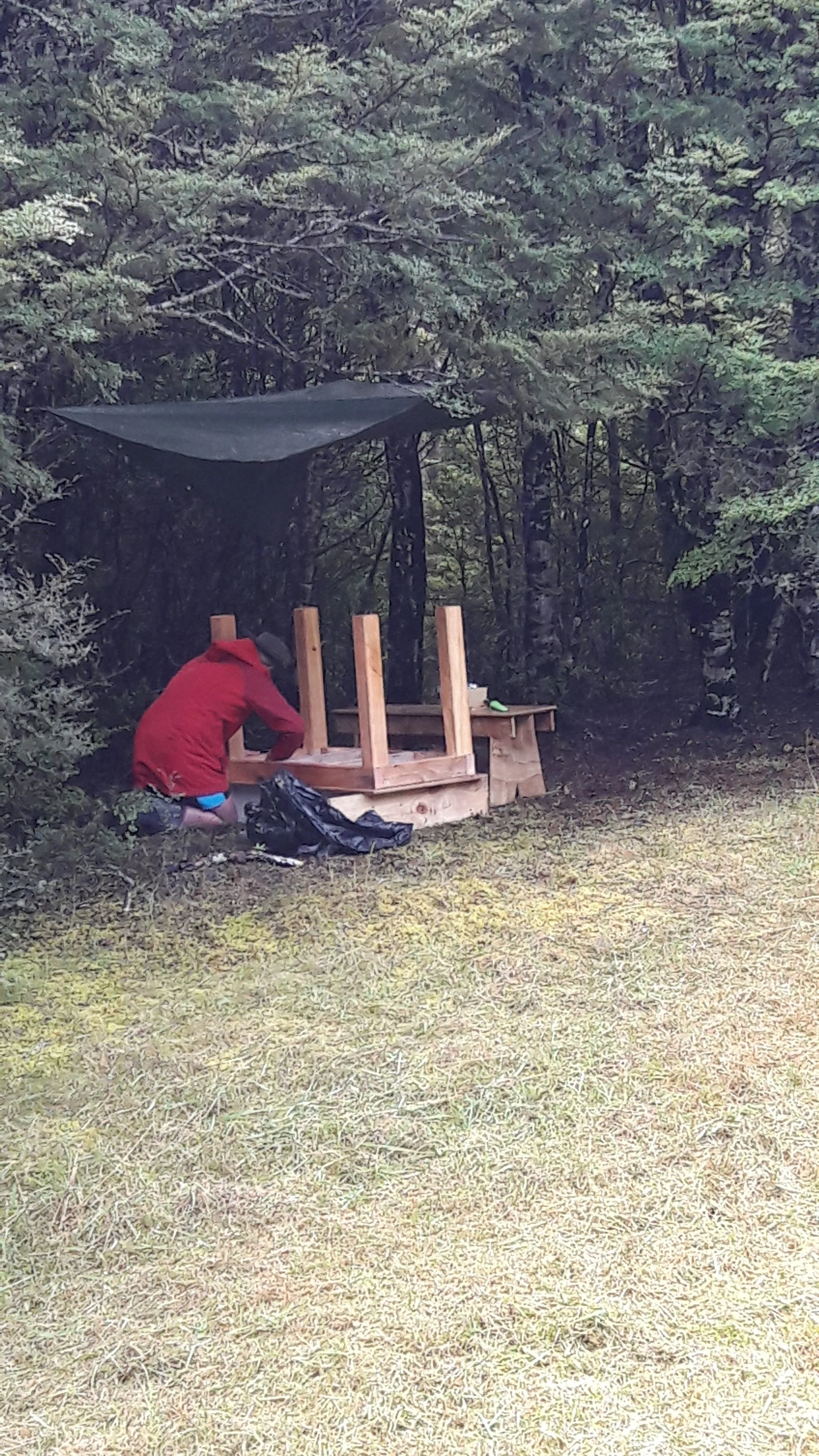
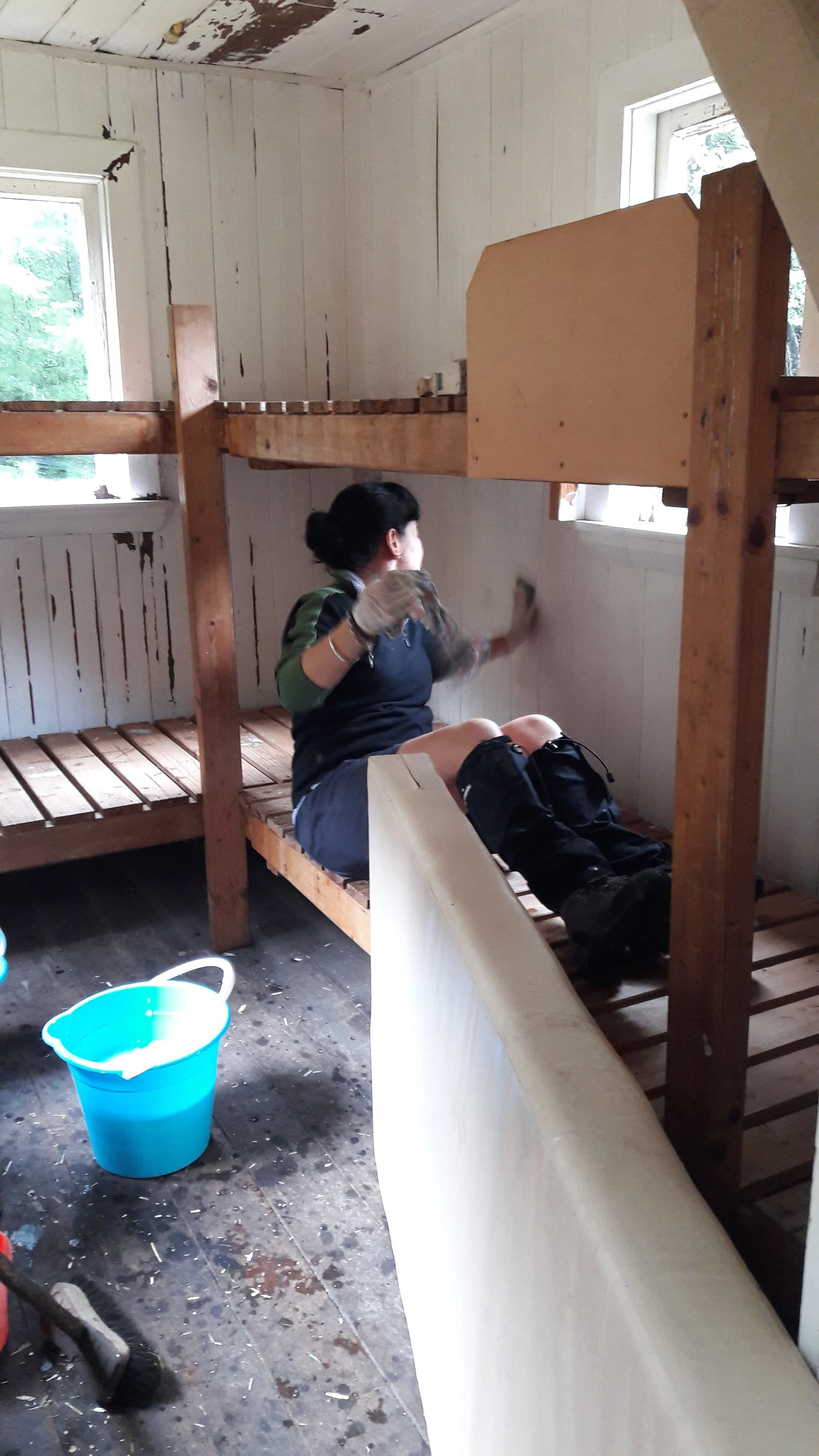
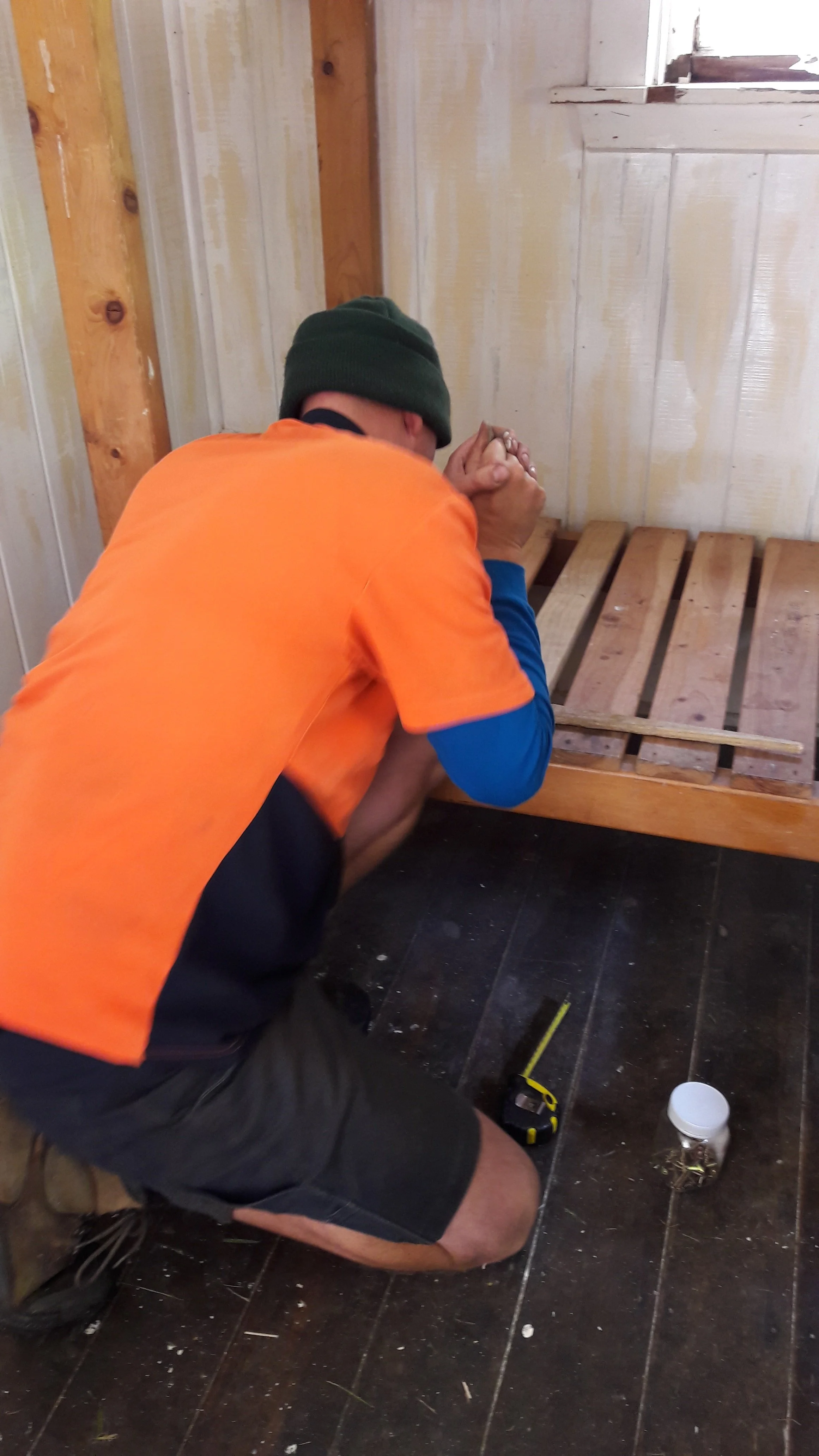
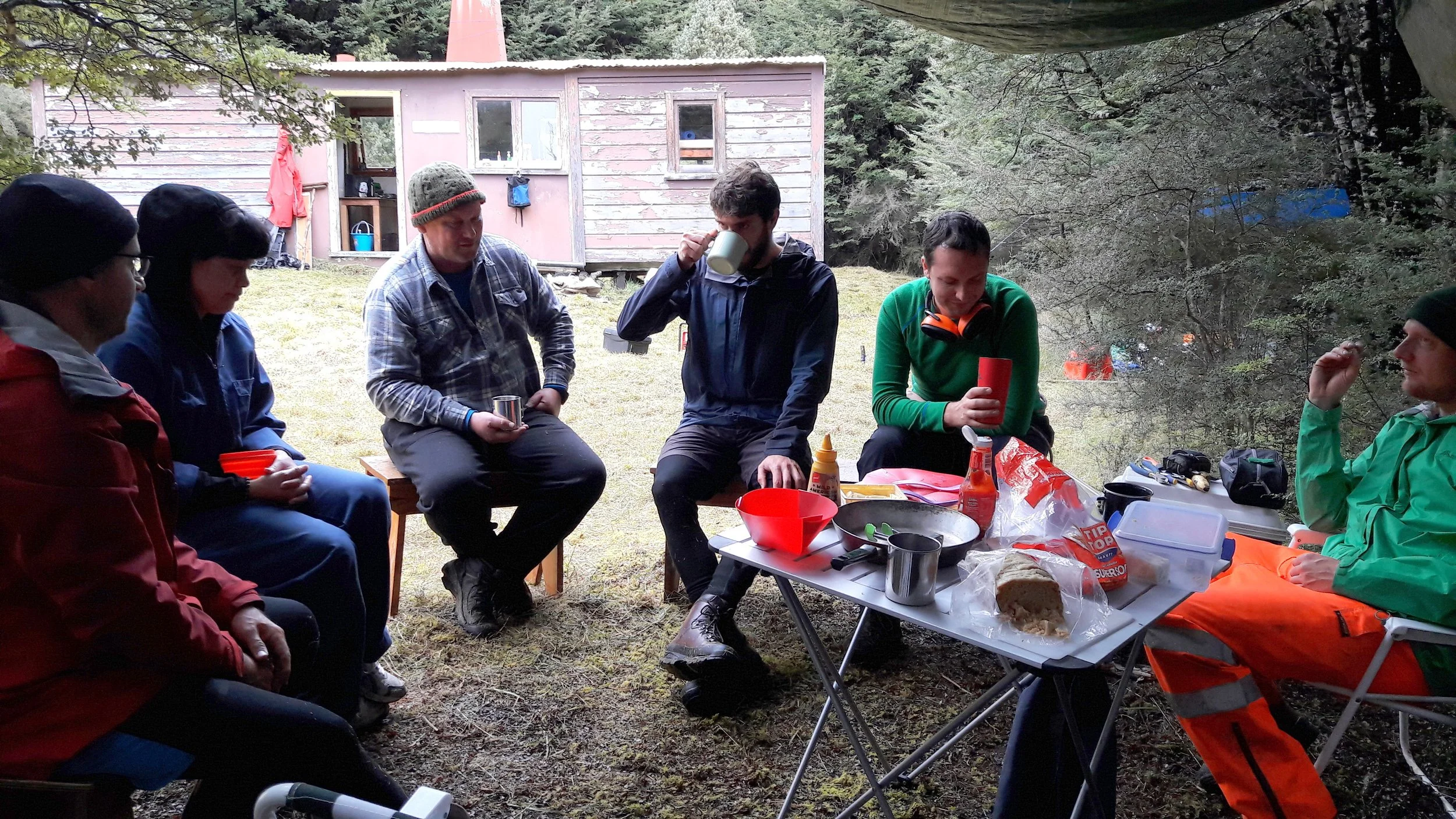
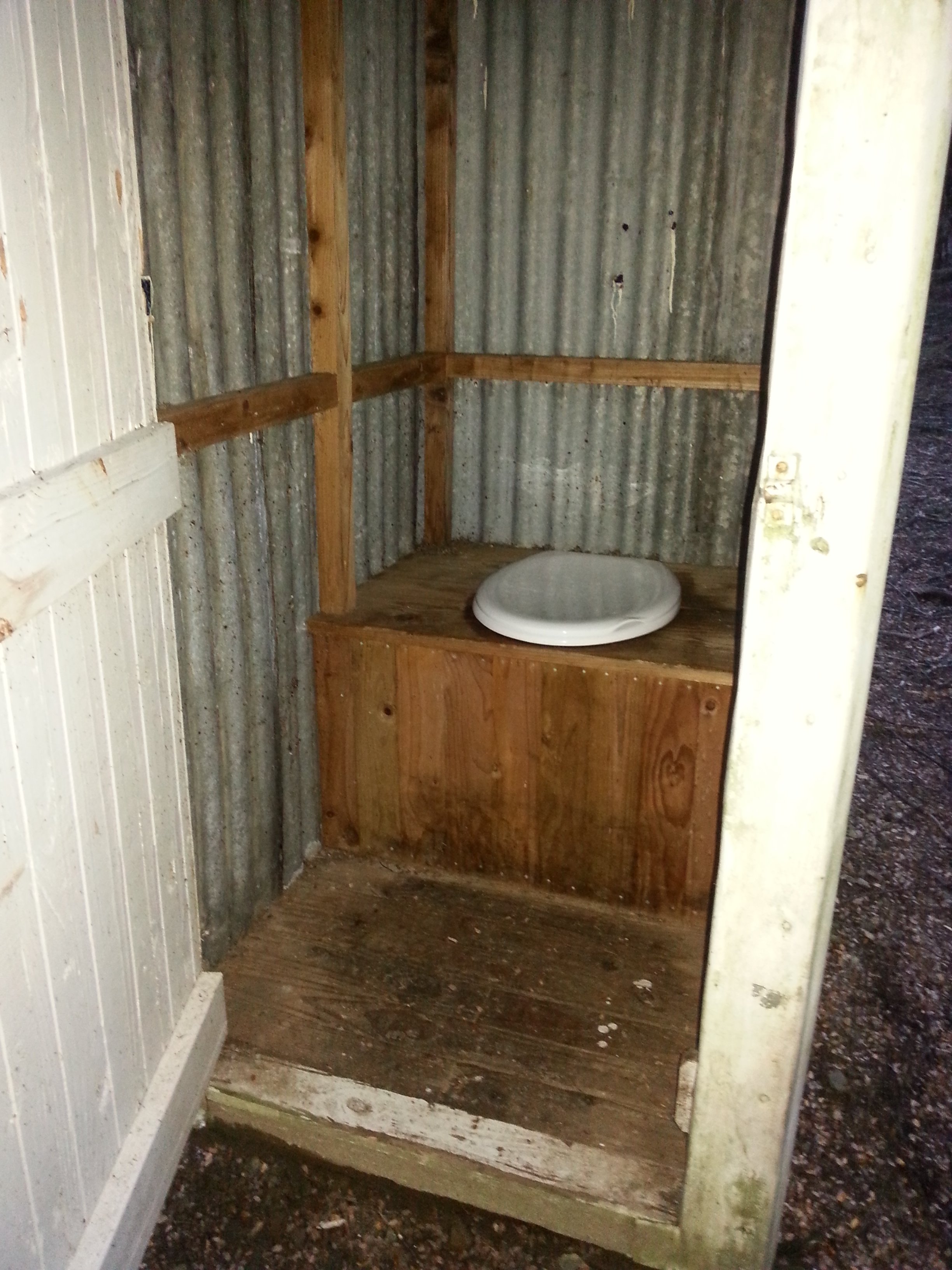
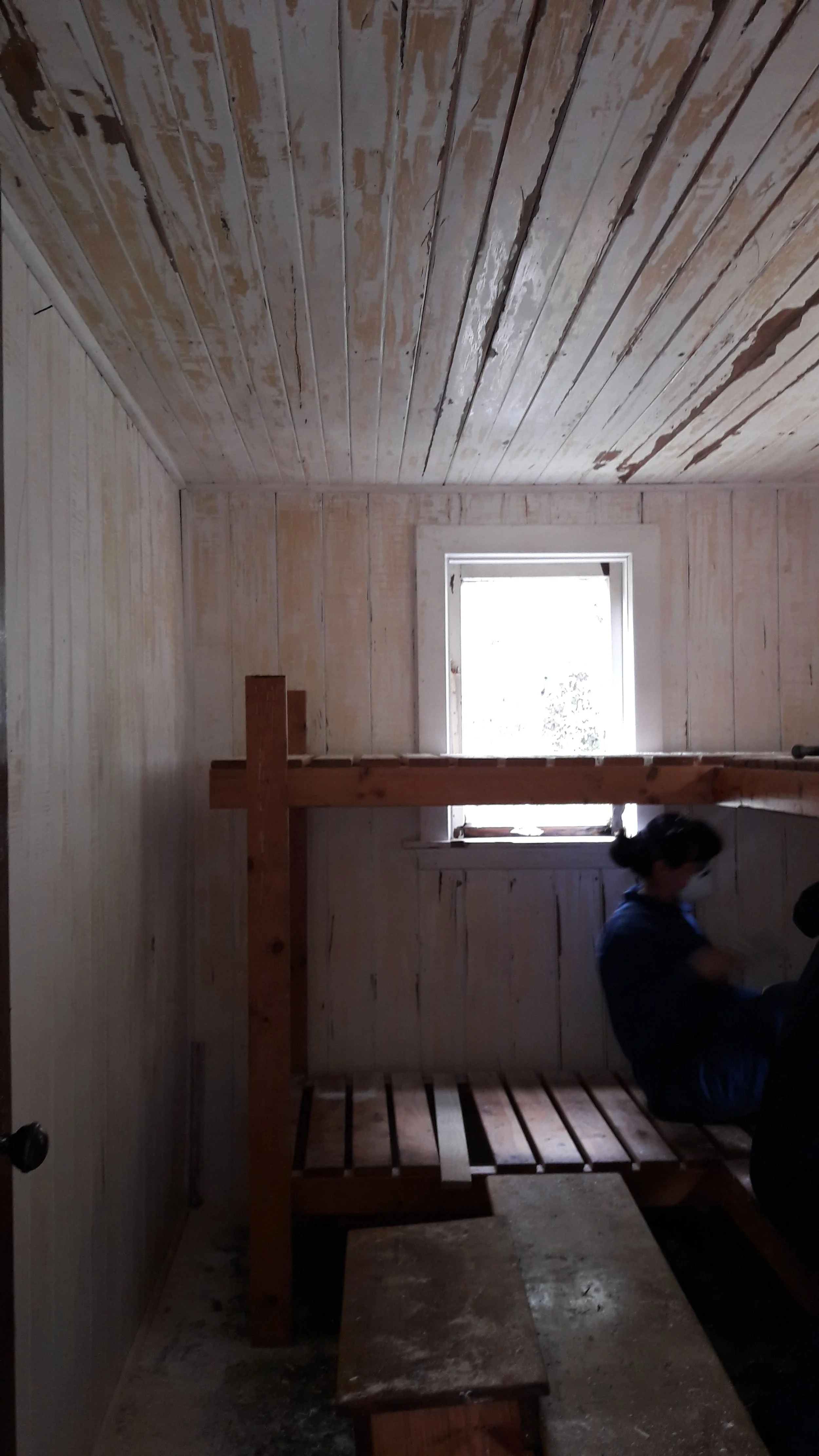
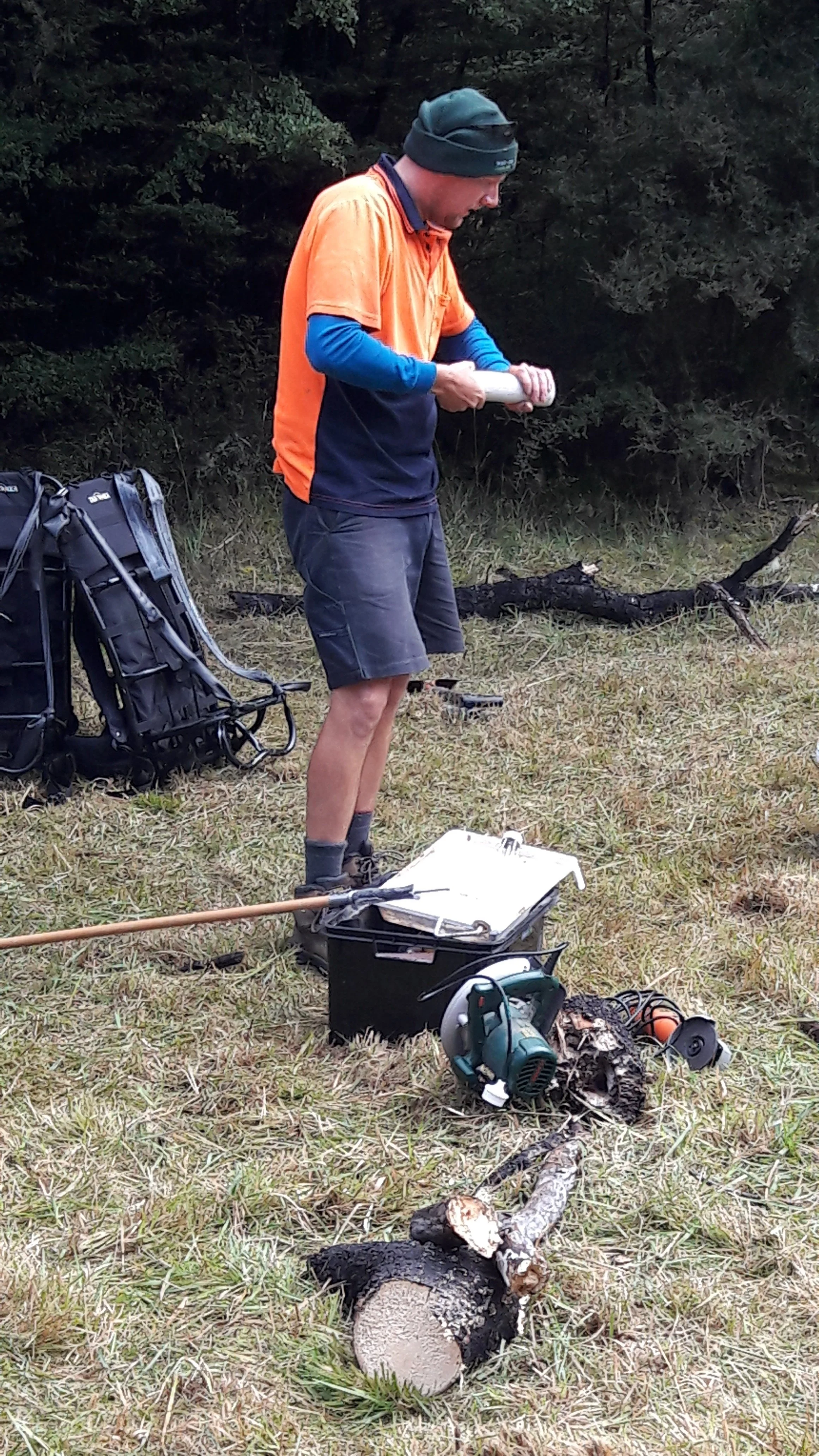
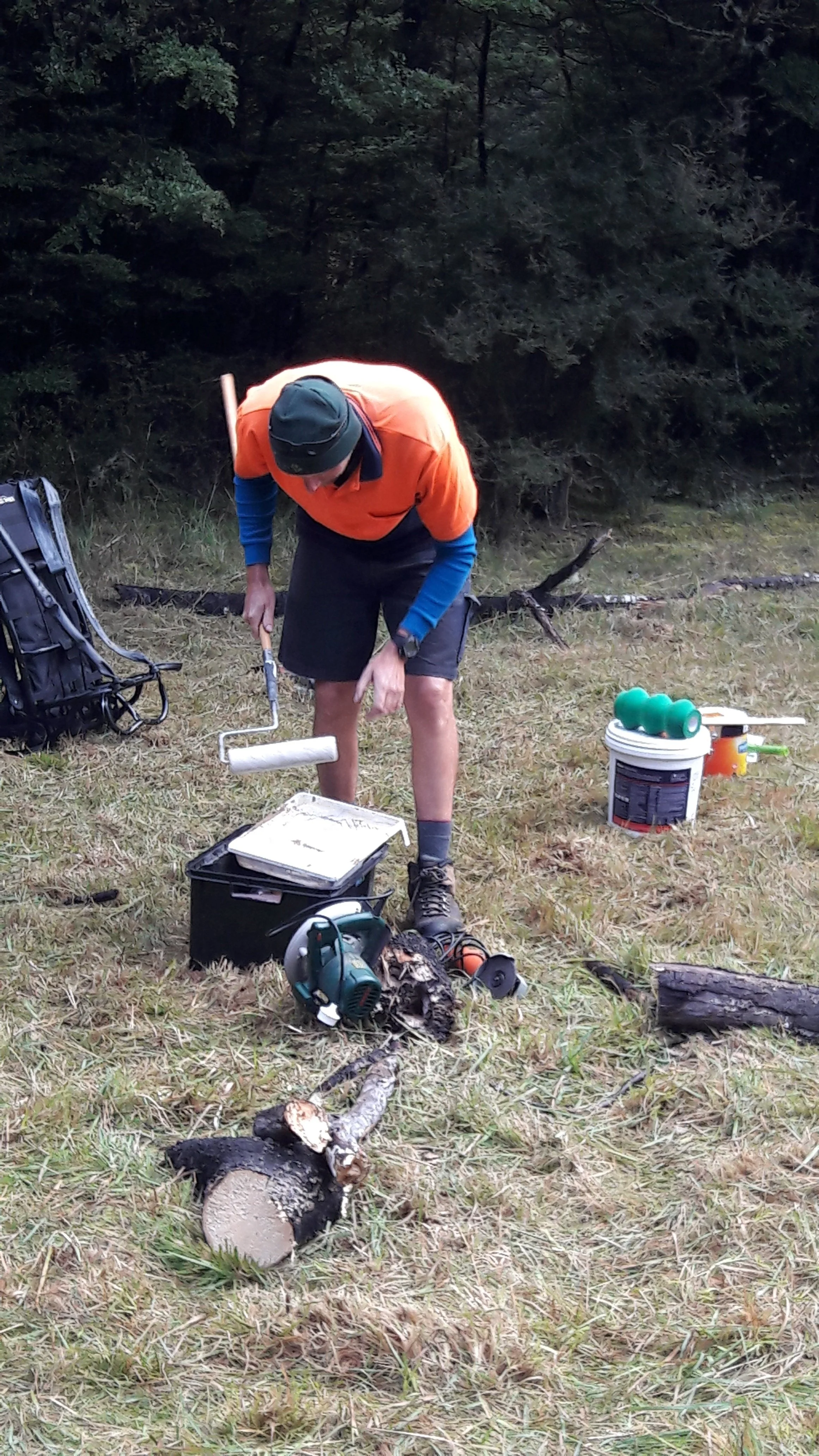
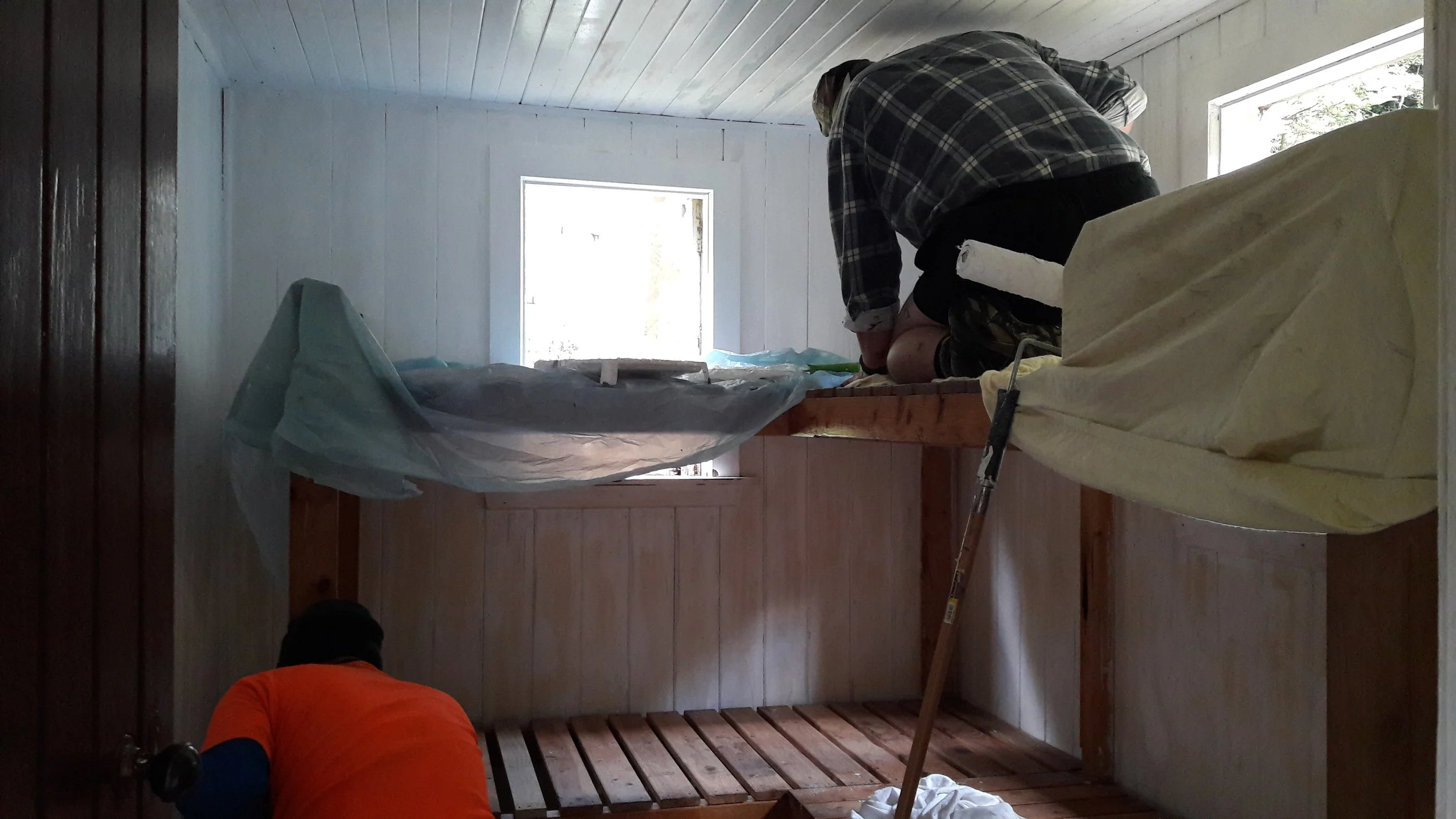
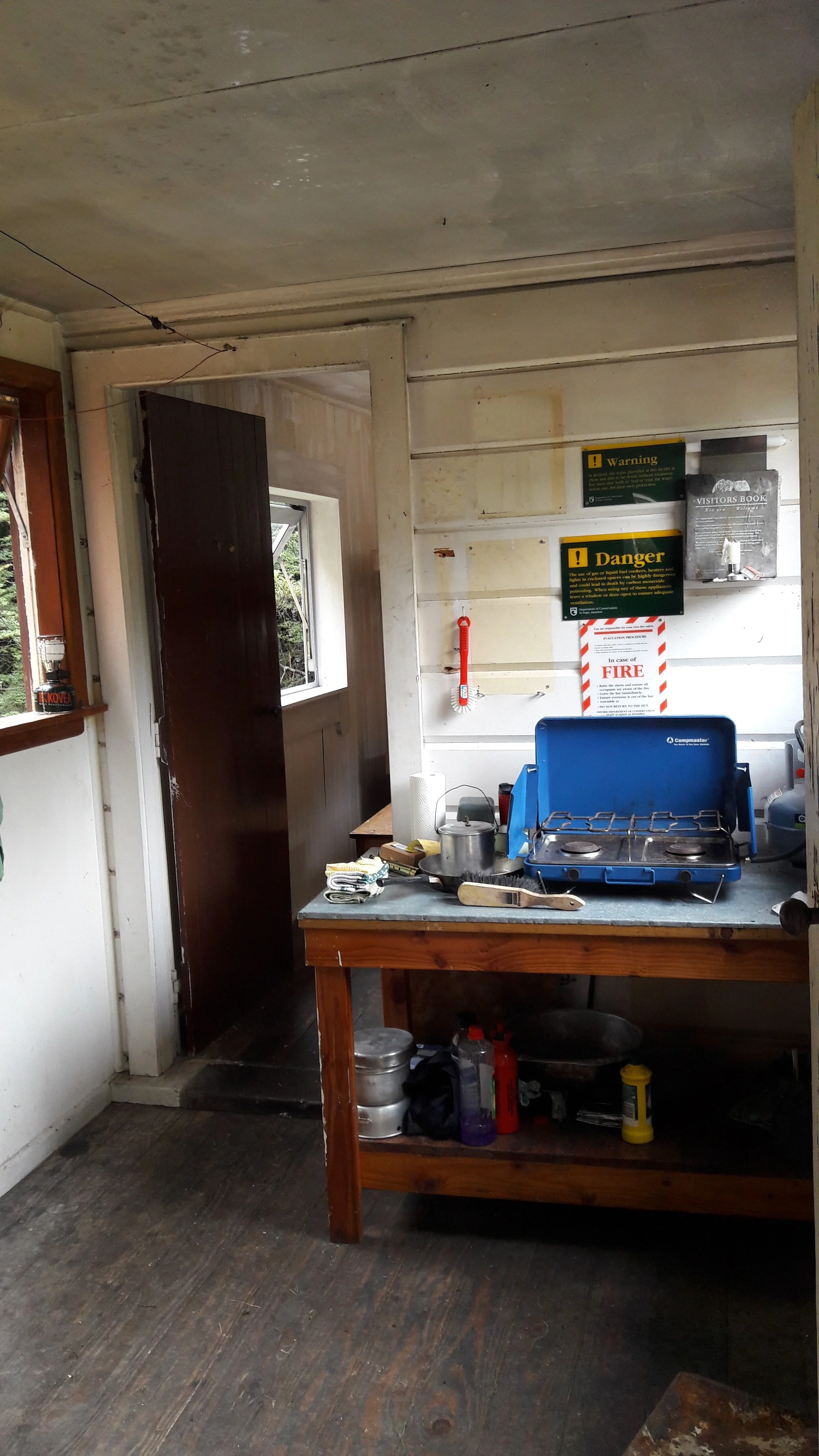
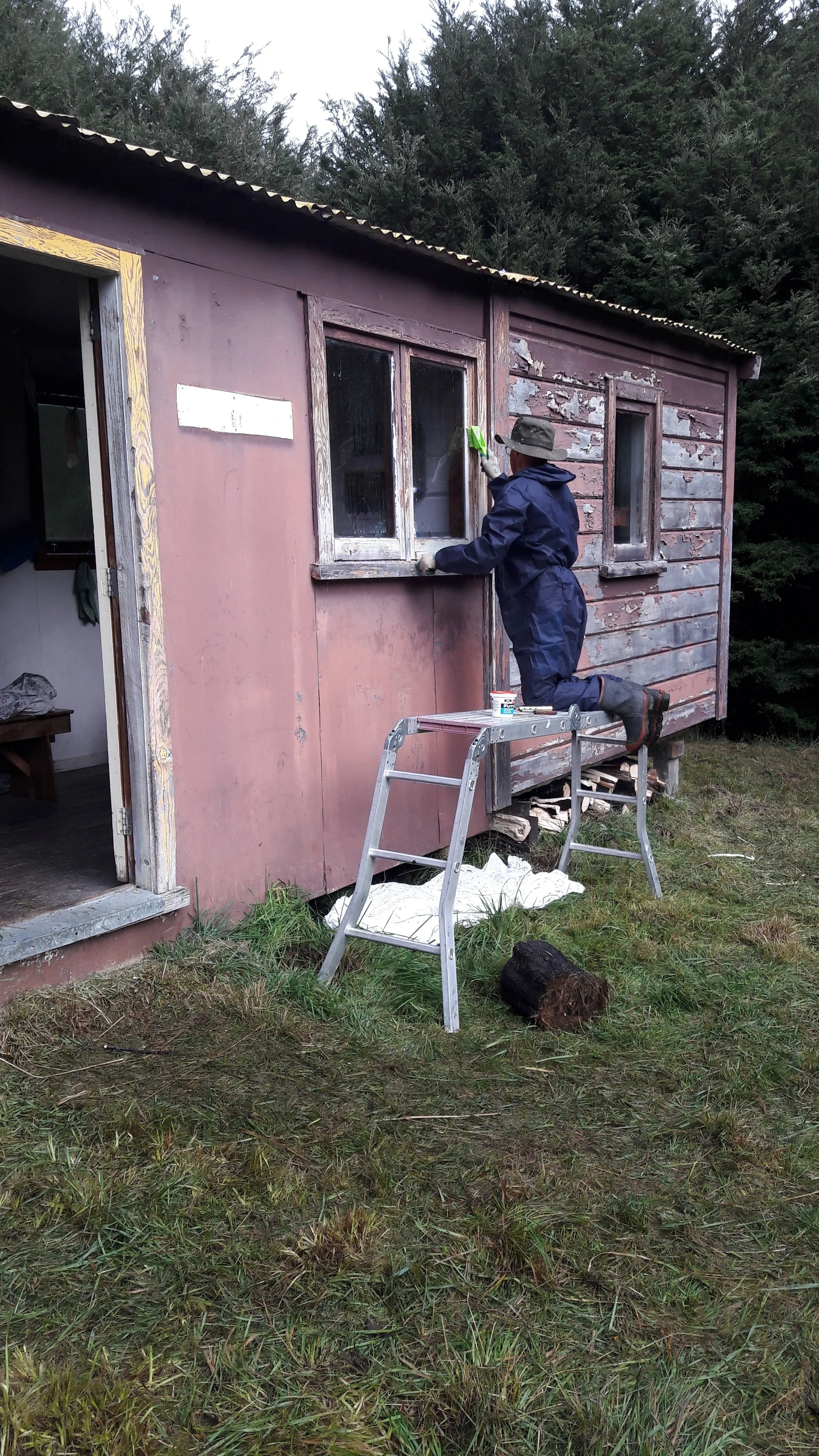
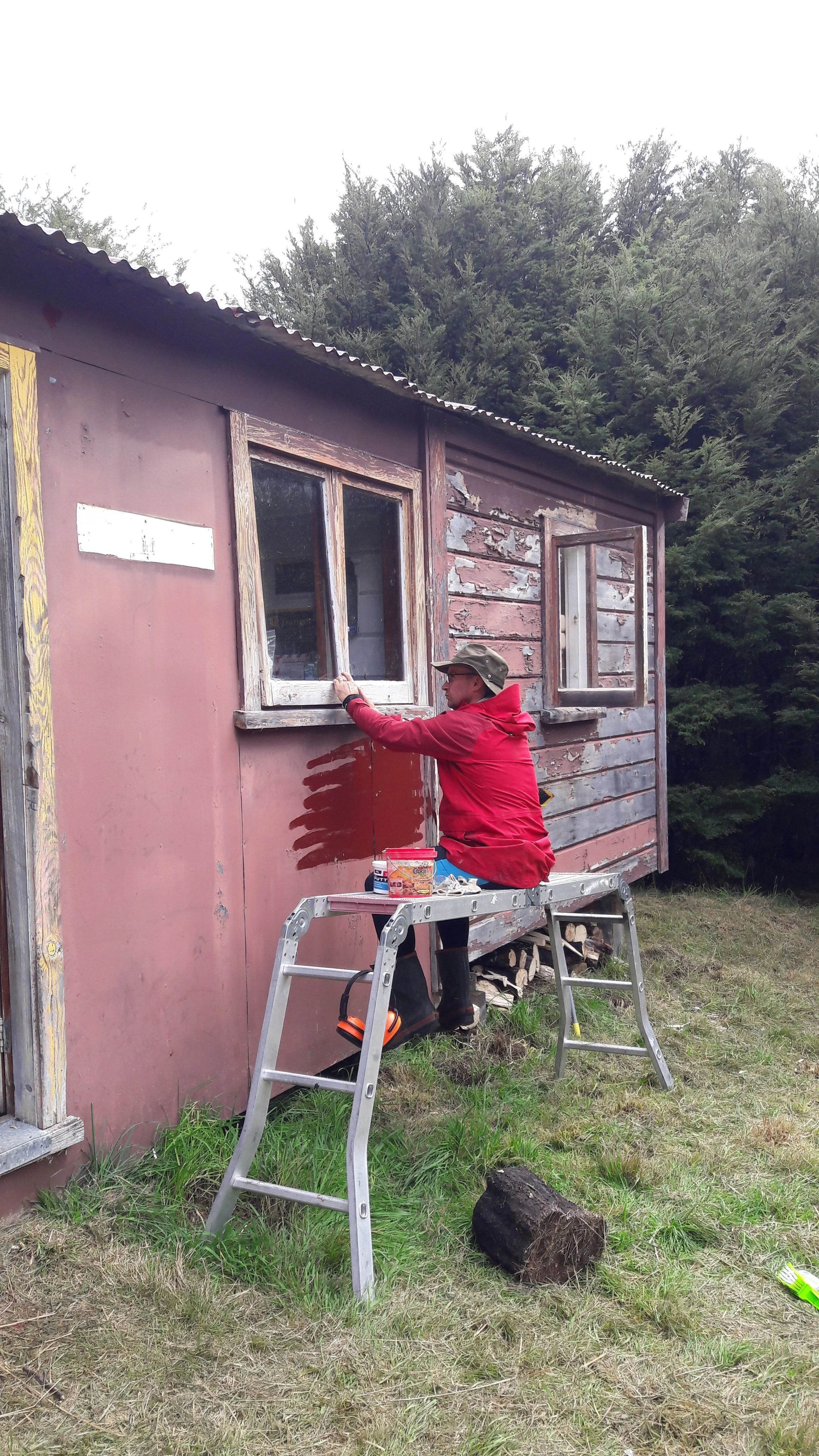
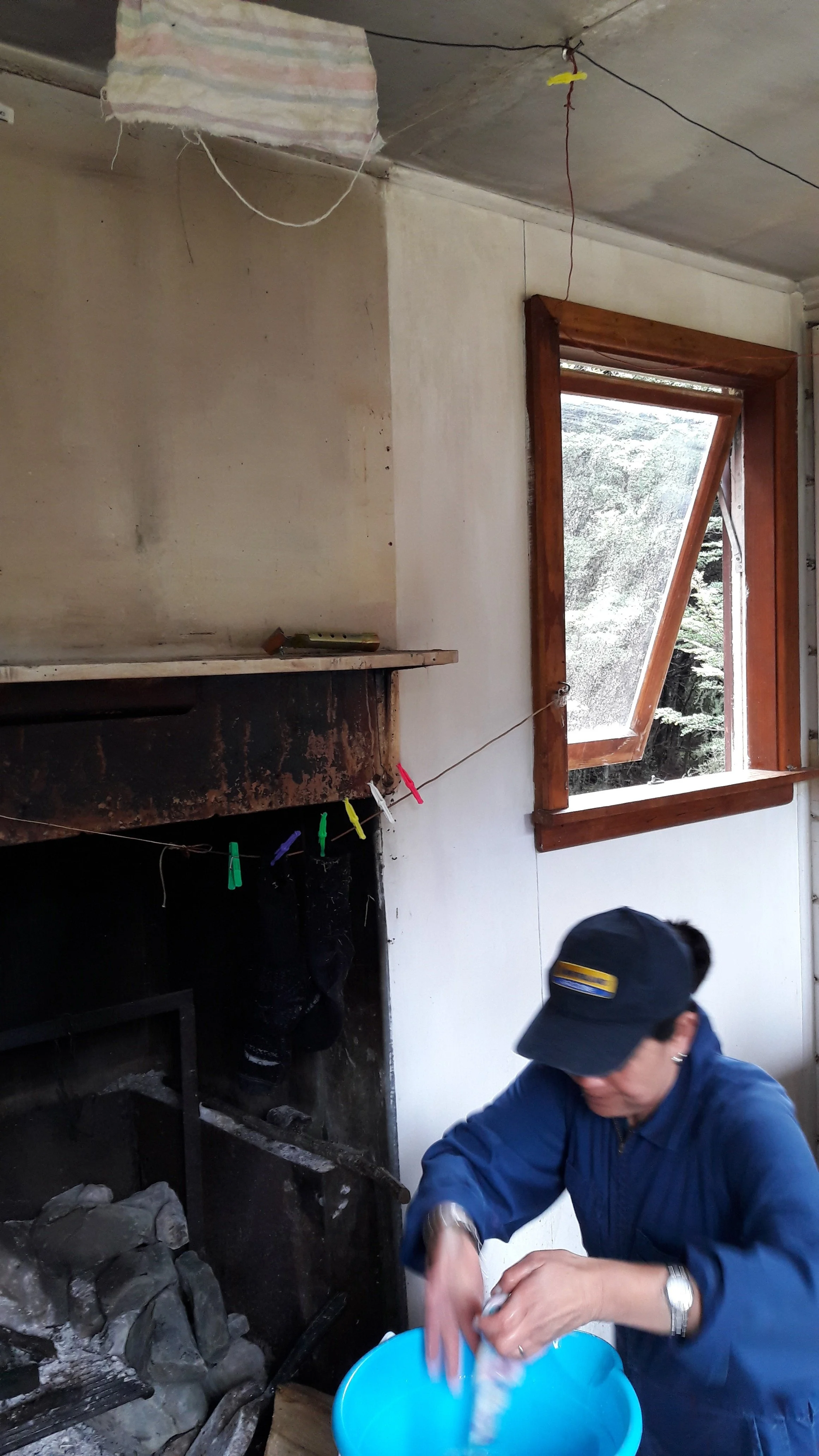
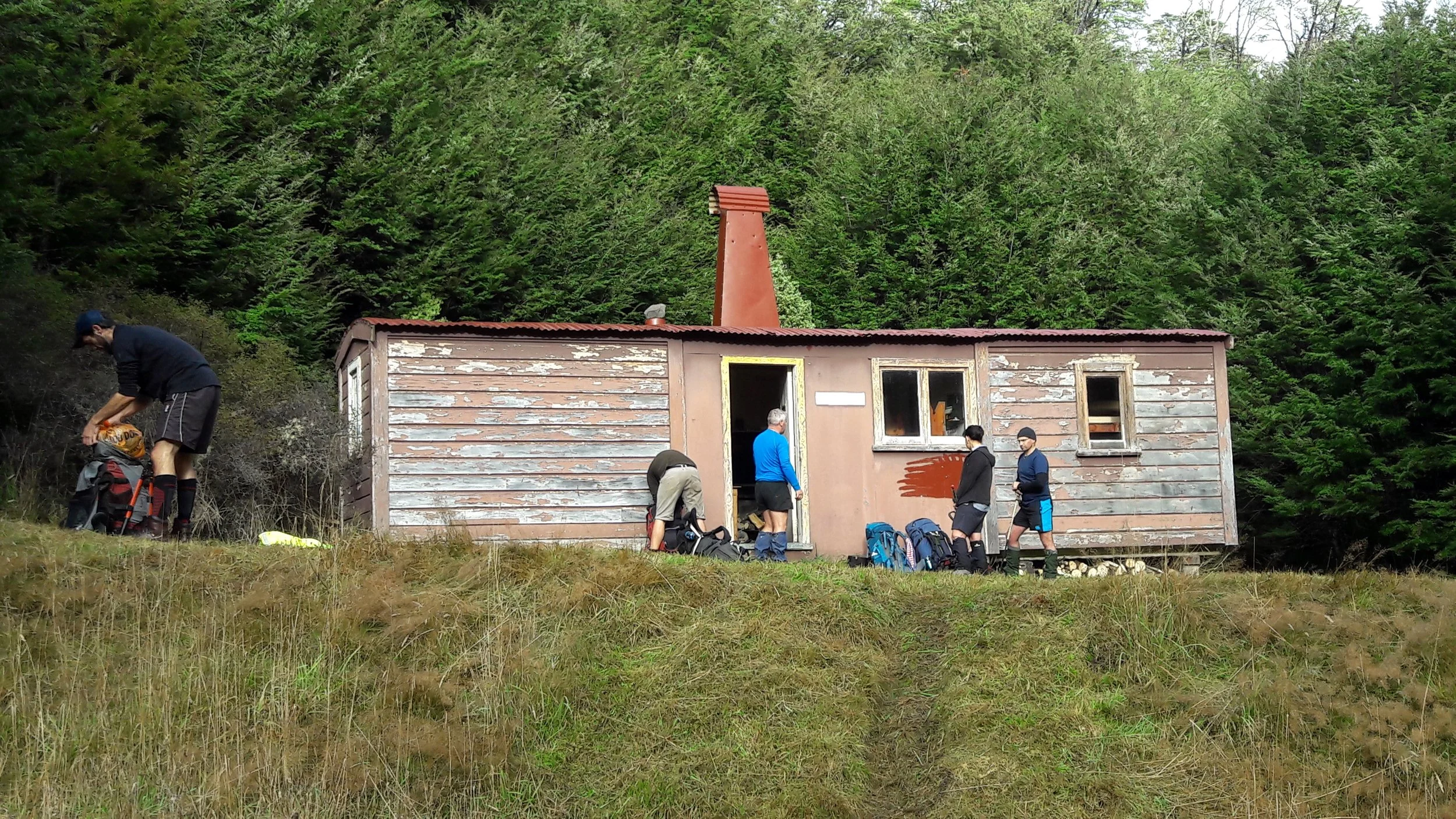
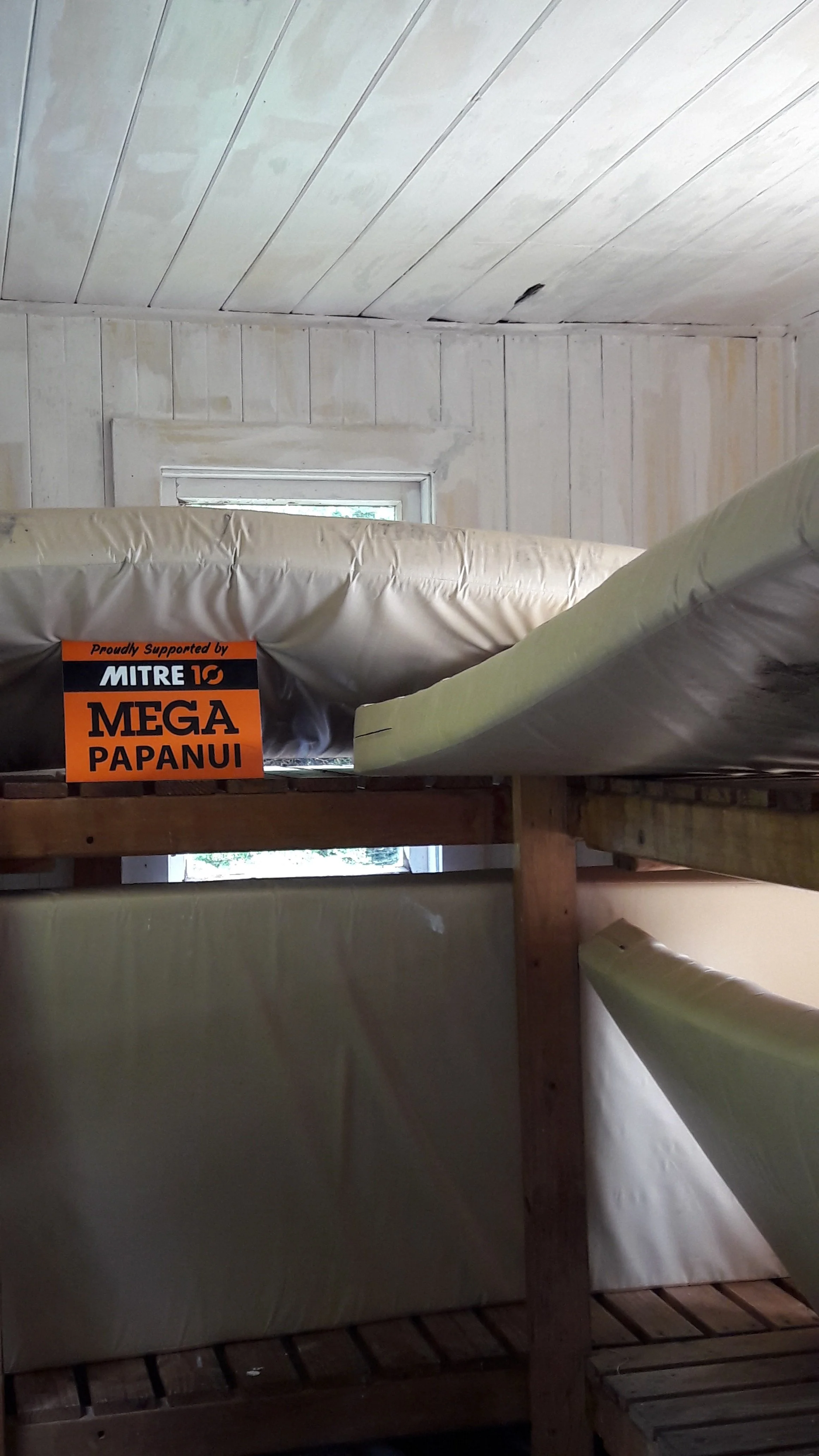
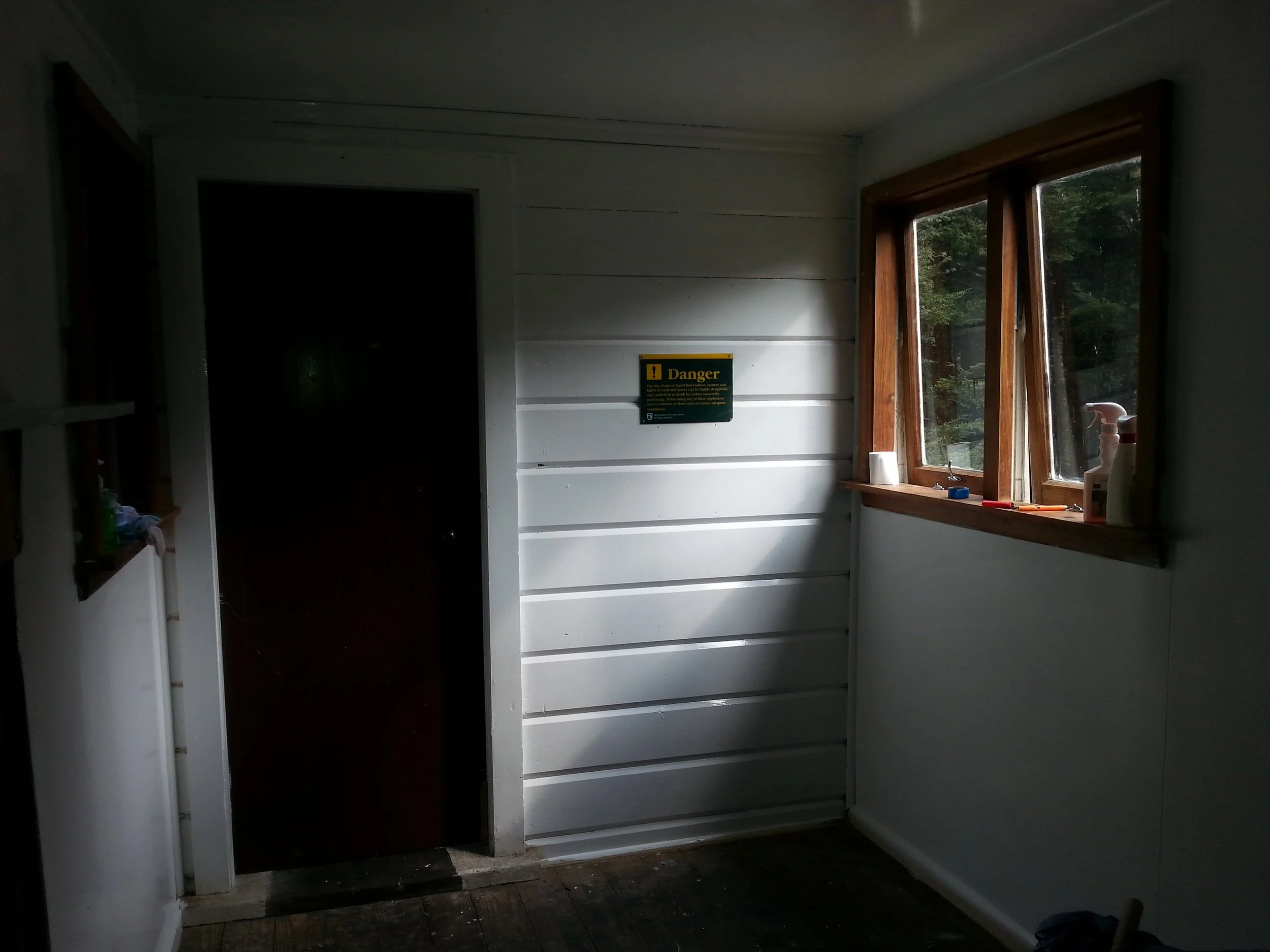
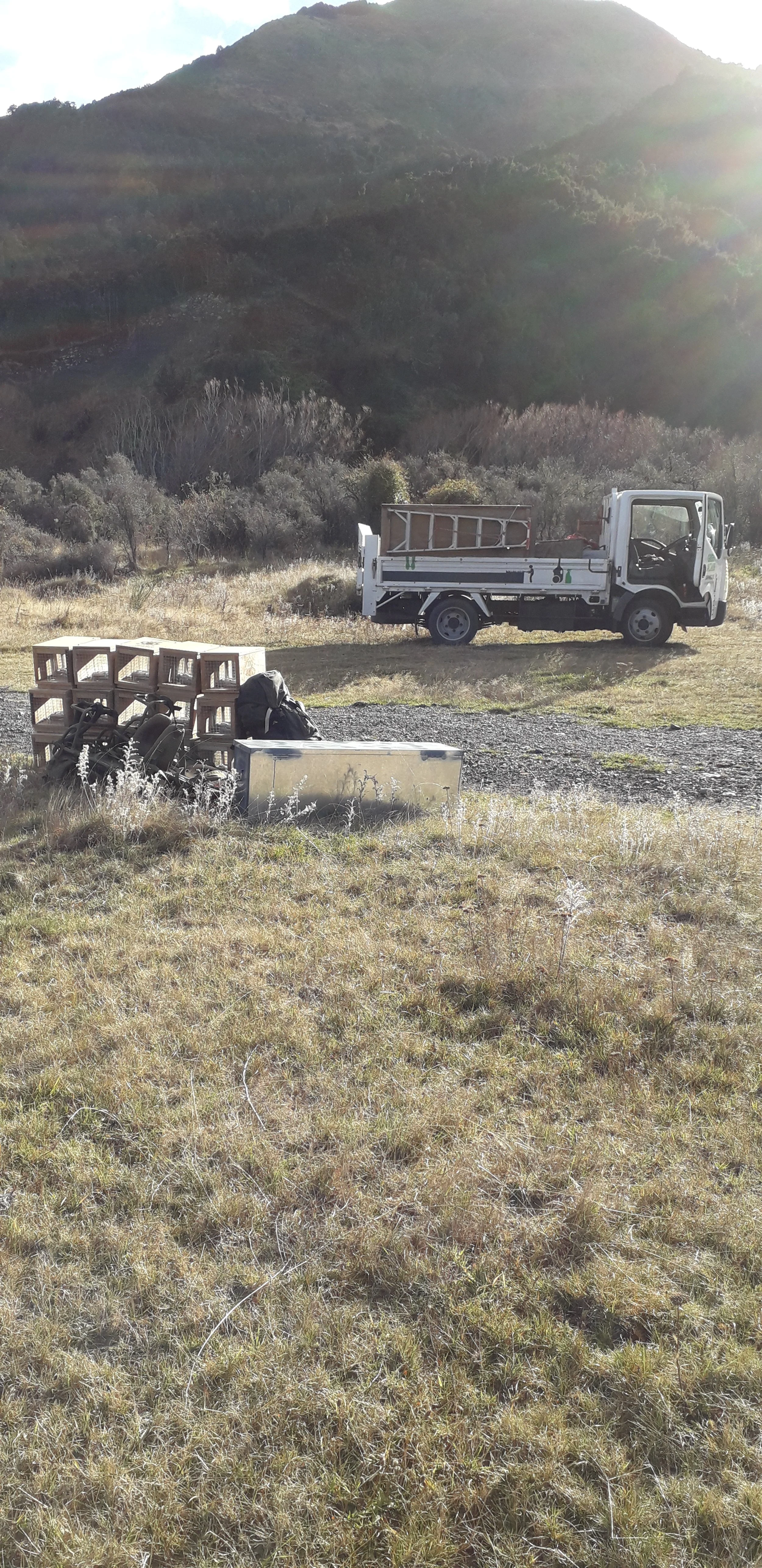
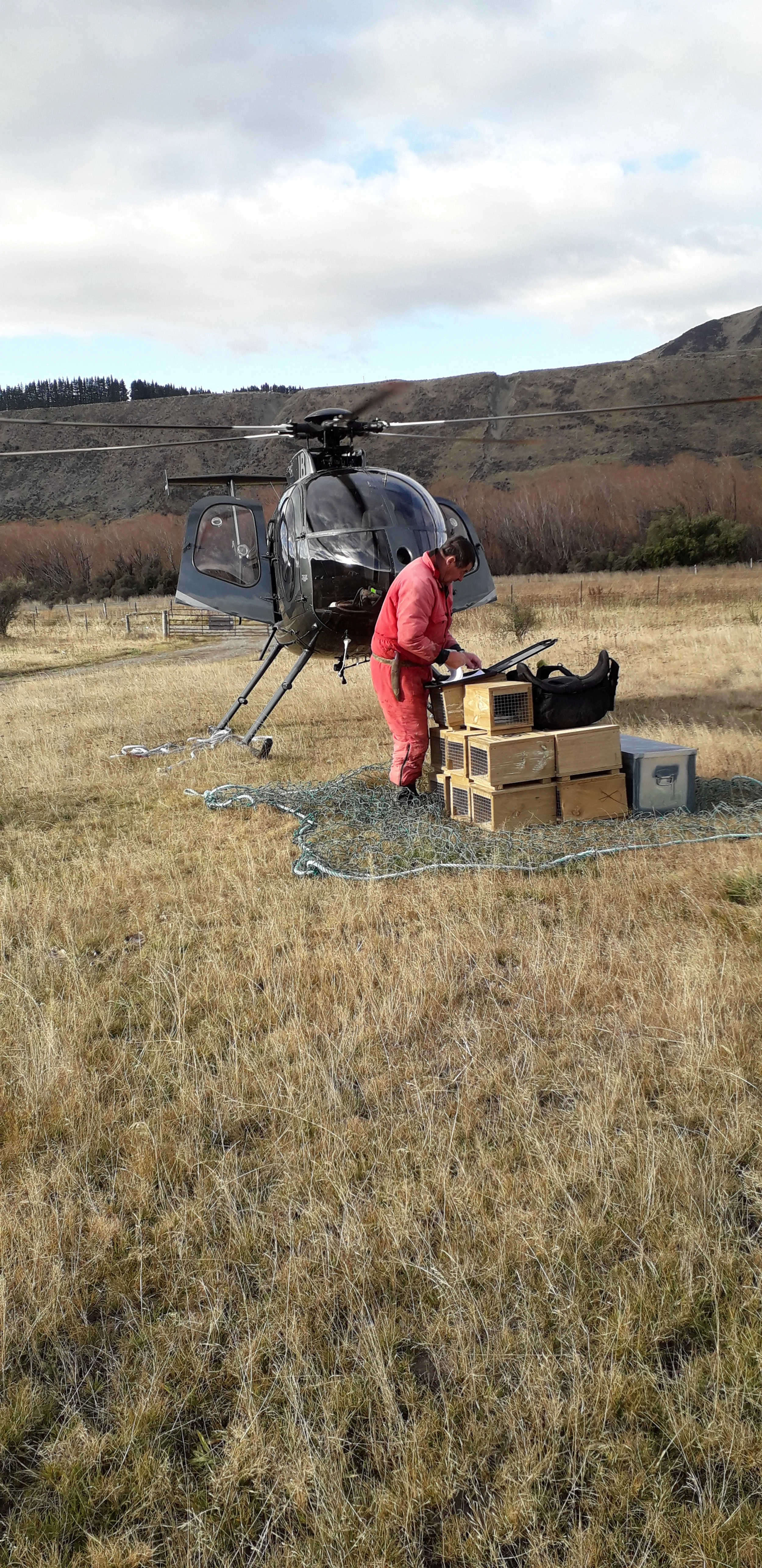
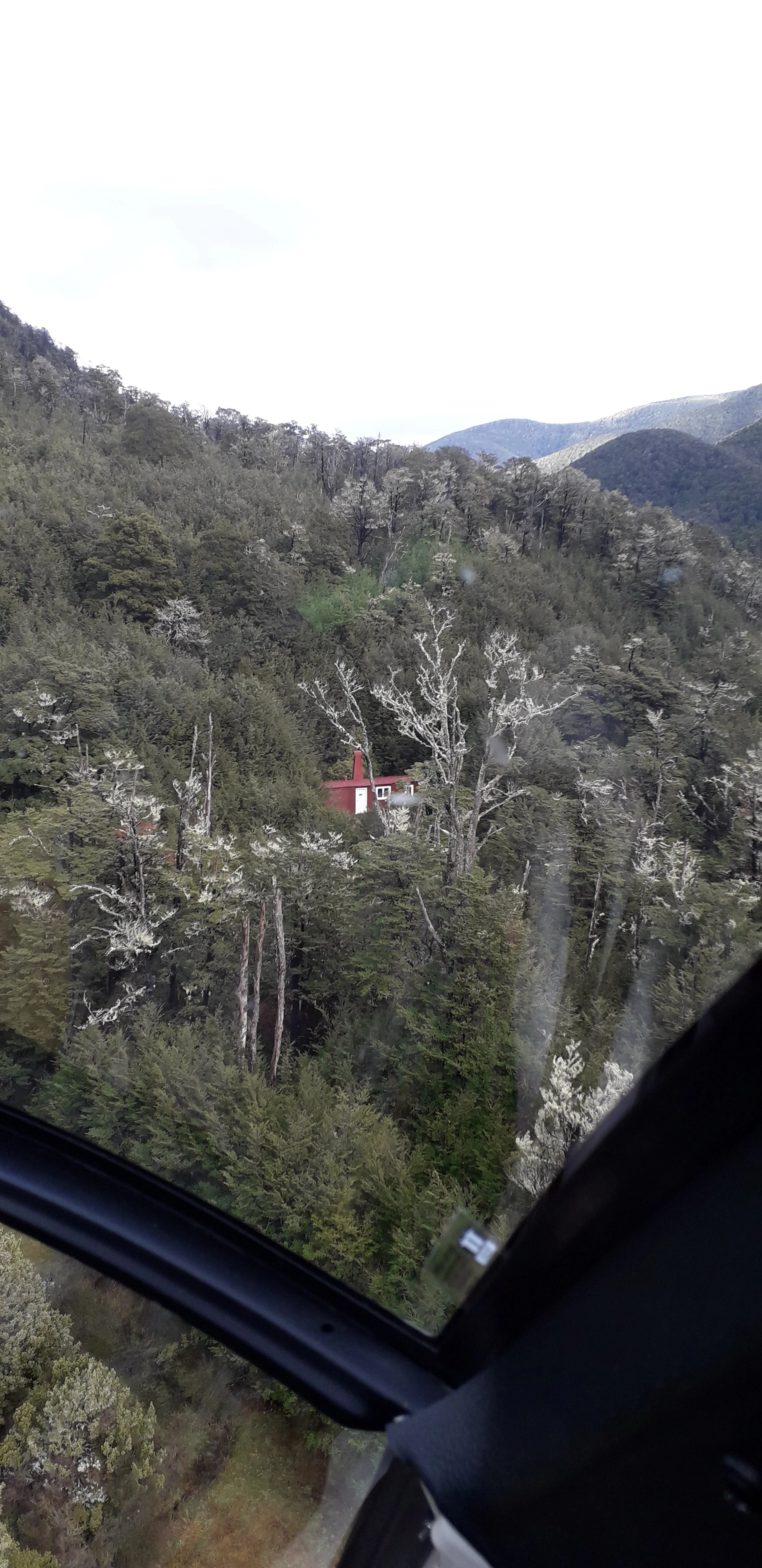
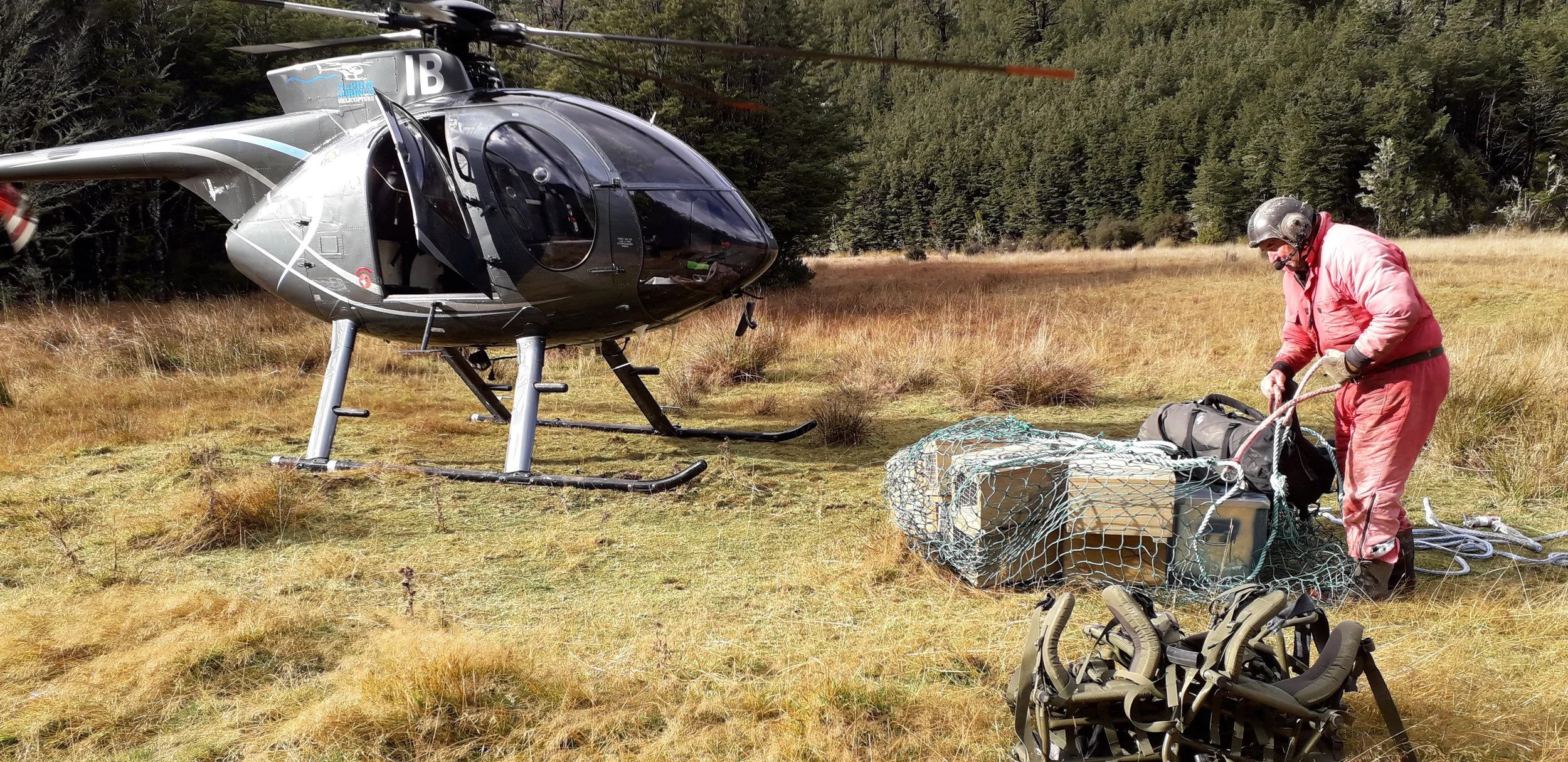
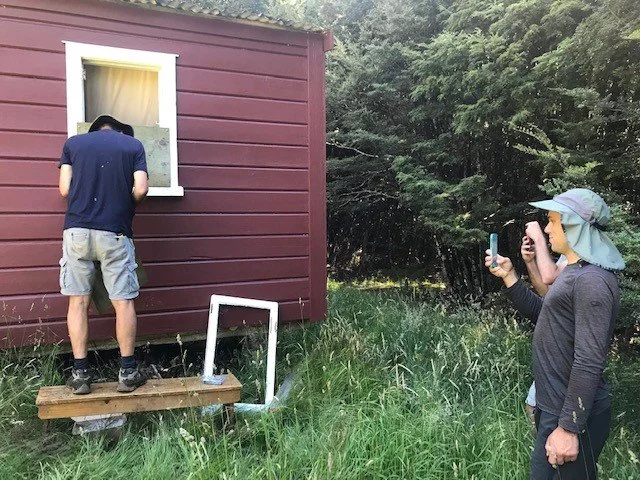
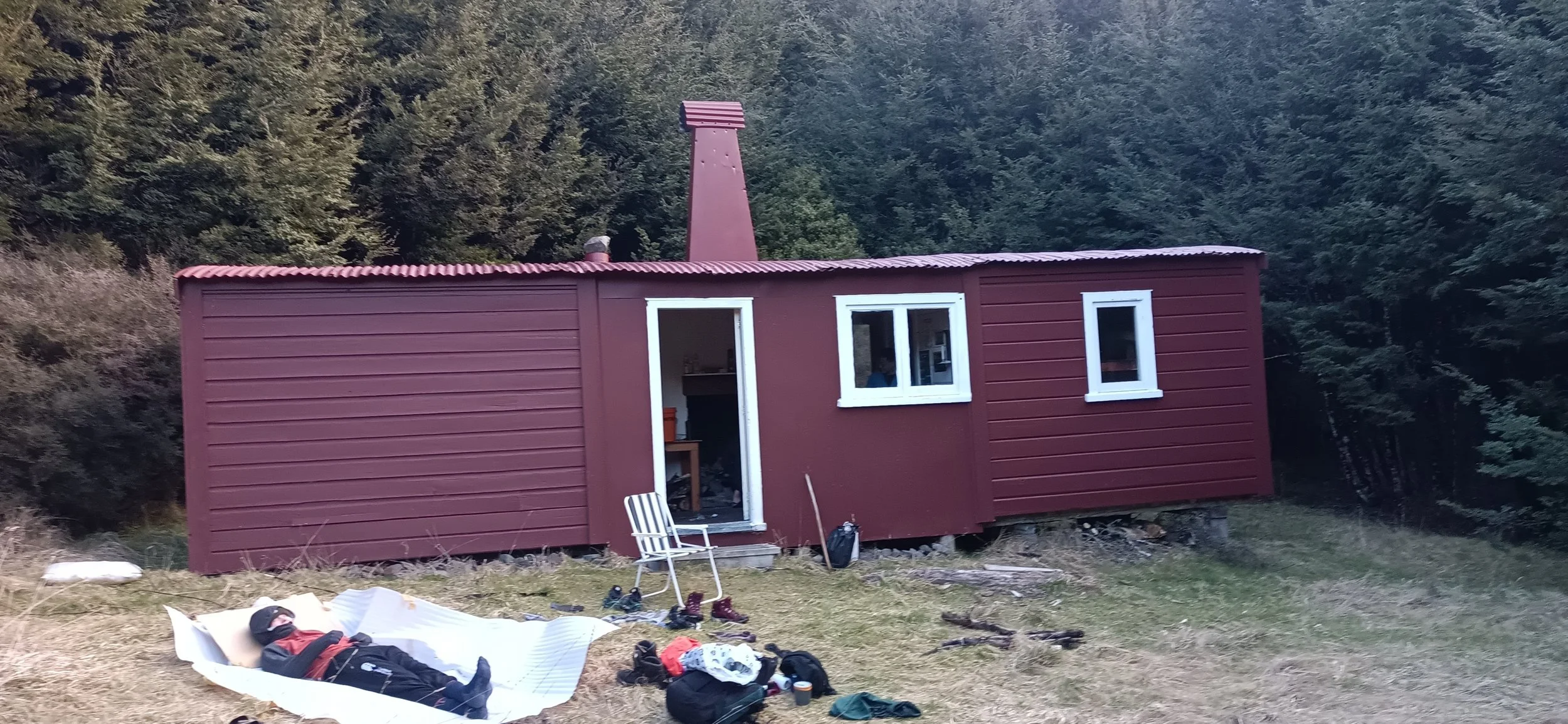
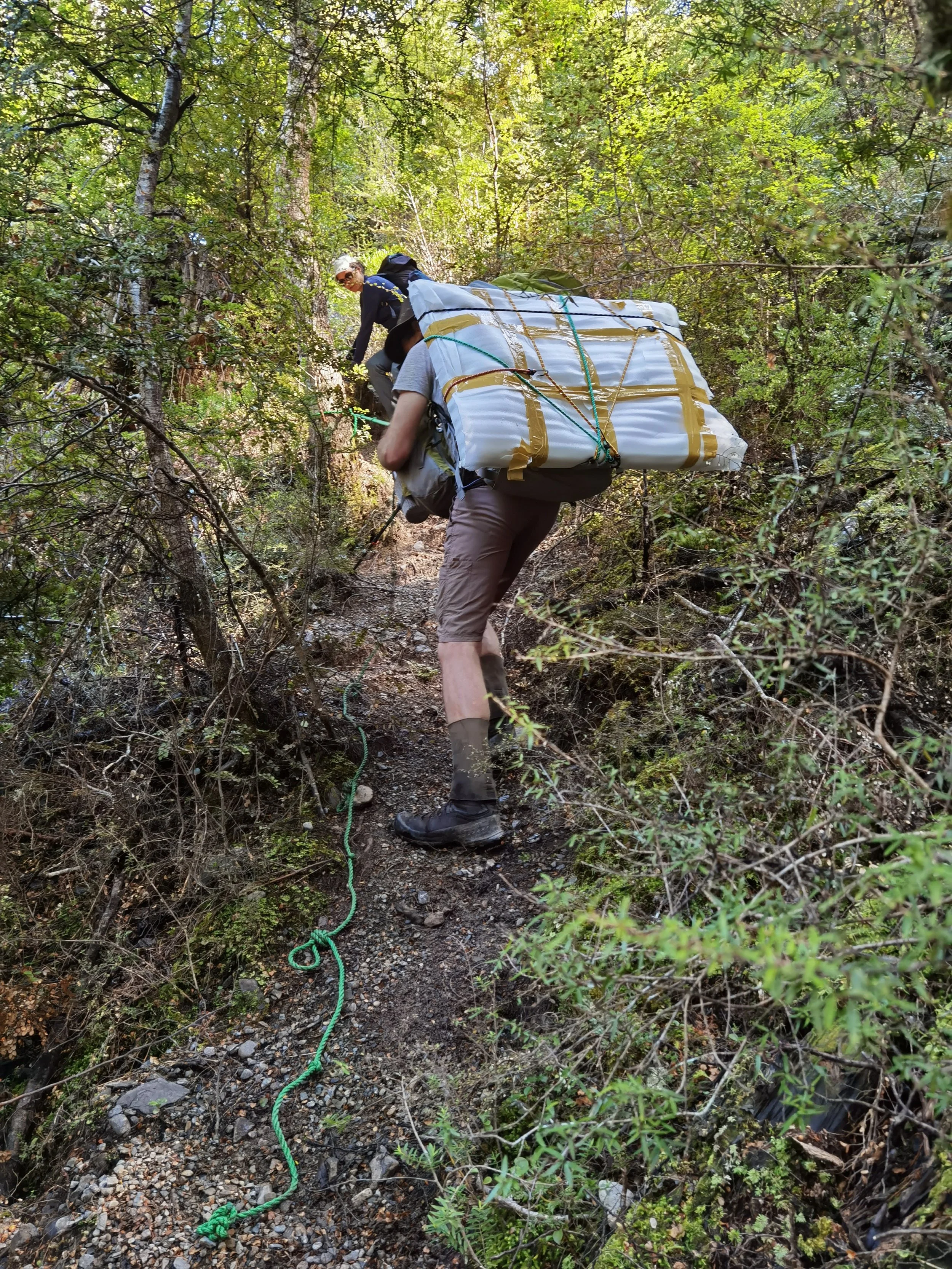
In April 2017 restoration work began on the hut itself. Volunteers and a helicopter were on hand to get materials to and from the hut. Over the next few months rooms were washed down, walls primed and the first coat of paint applied. Furniture was scrubbed and fixed, and the all important toilet was repaired.
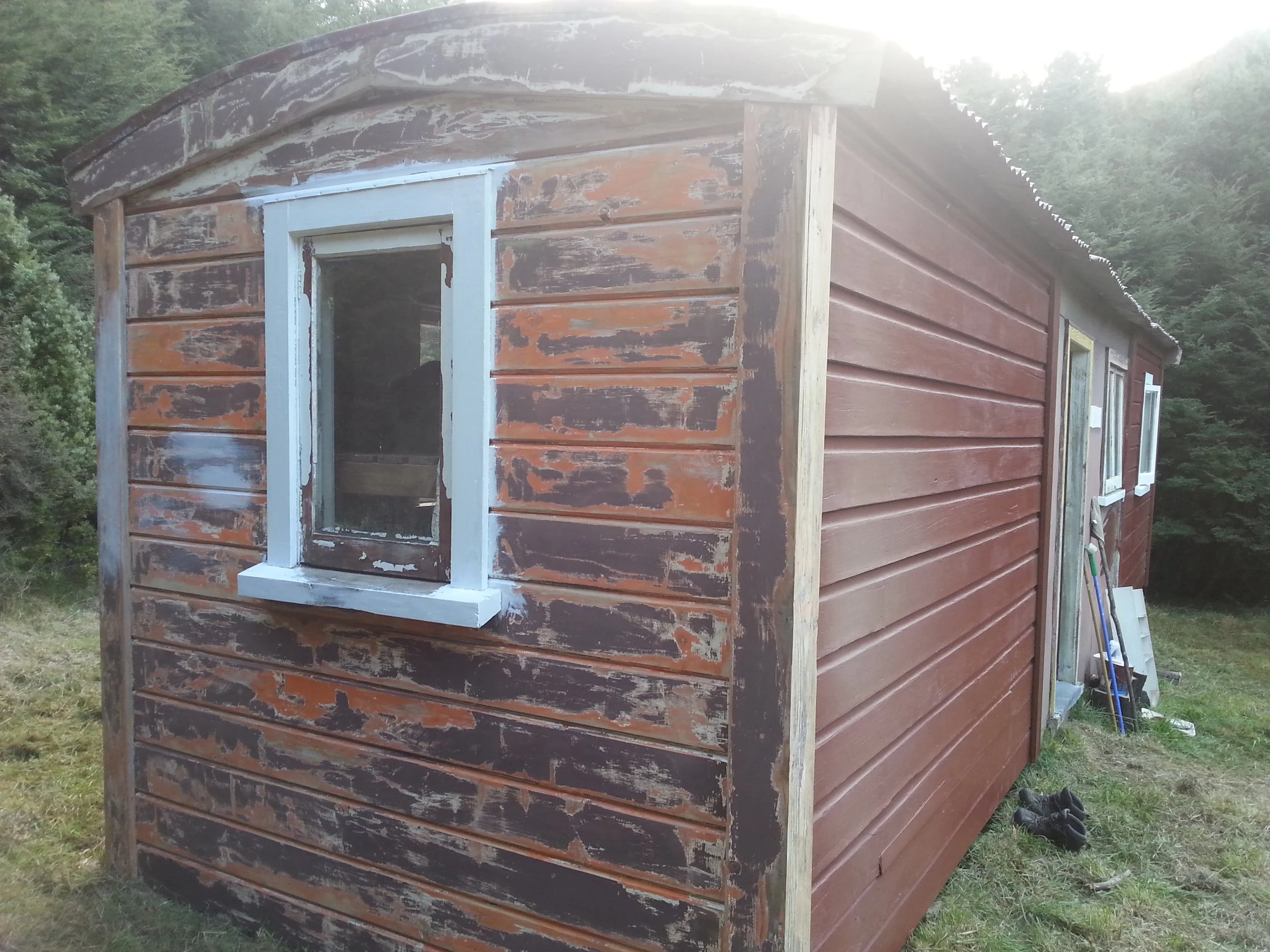
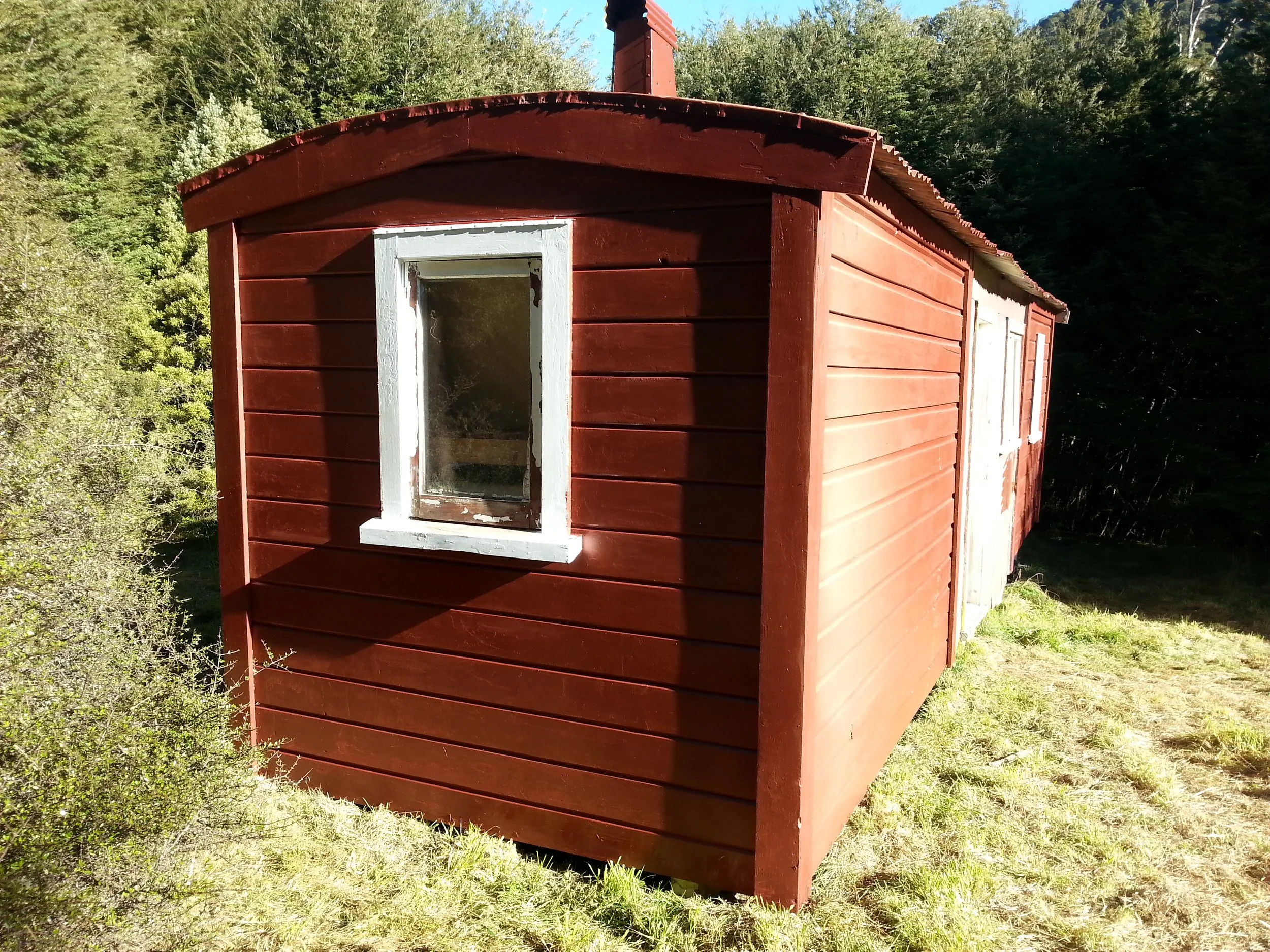
The outside of the hut was then sanded and had the first coat of paint applied, windows repaired, roof wire brushed and painted and the fireplace and chimney repaired.
Thanks to the hard work of many volunteers the hut restoration was completed by 2019.




Let the Trapping Begin.
The trust wanted to start a trapping project in the Carlyle Valley to help support the wildlife in the area. After much consultation with DOC and local land owners an agreement was signed and trapping could start in the valley.
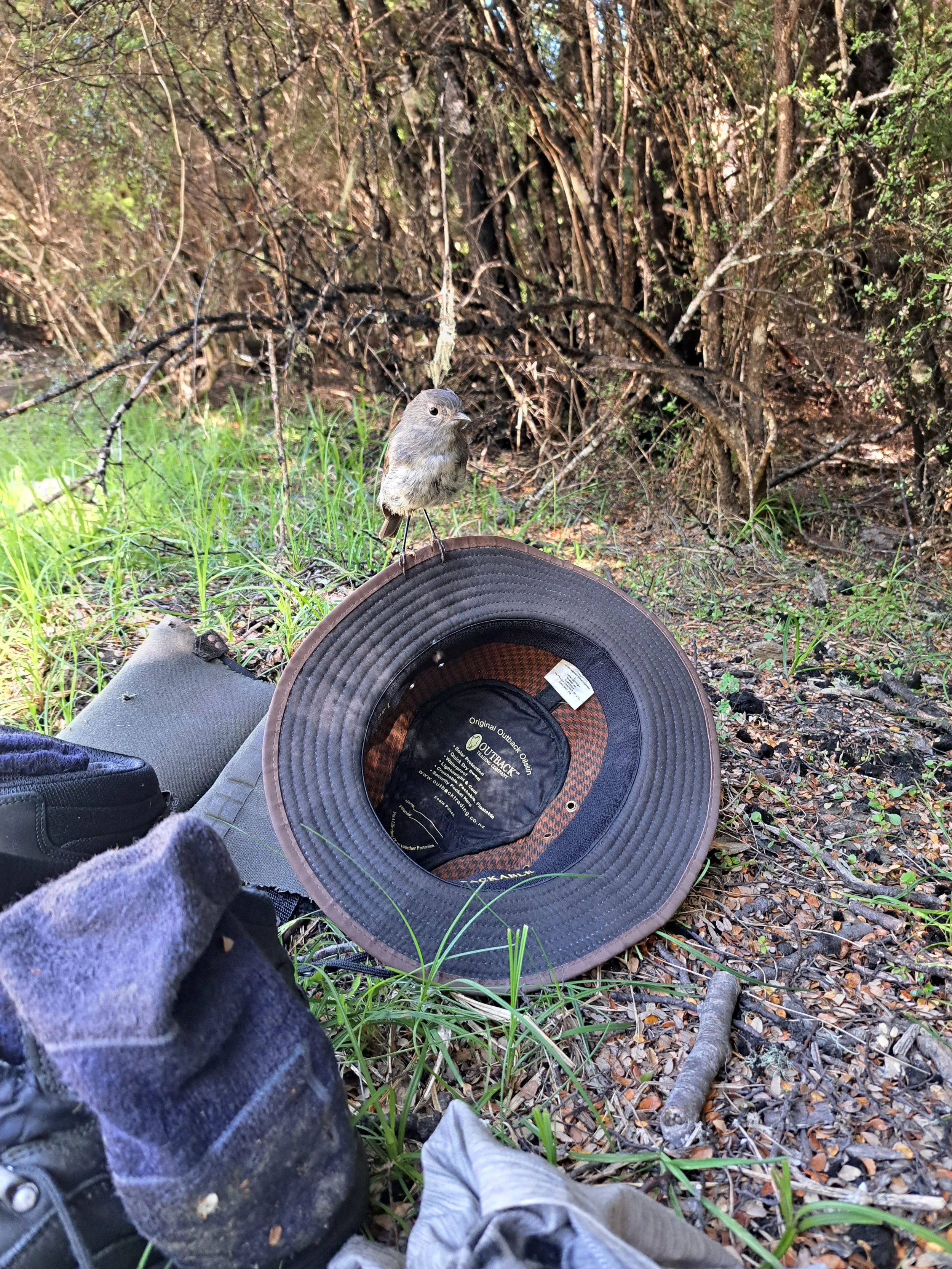
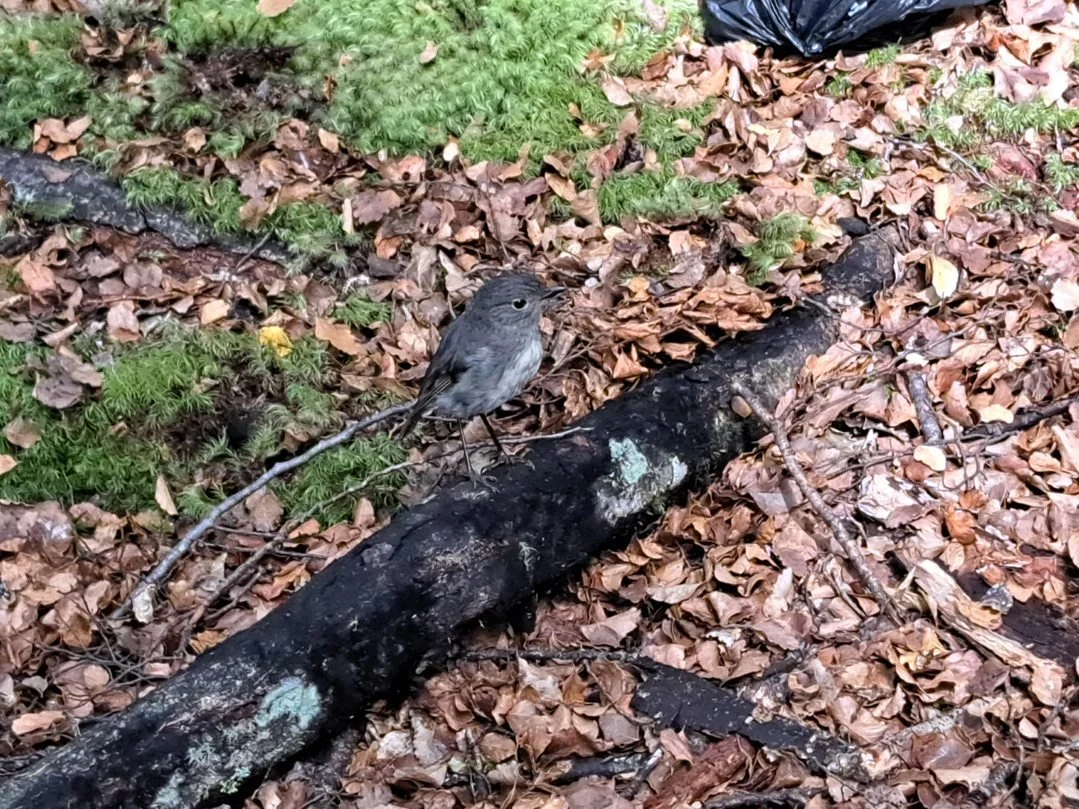
The first Wildlands survey was conducted in March 2017 to set as our baseline, a Bird and Bat survey was carried out to find out what species are in the region. There were a number of indigenous birds observed such as Bellbirds, Grey warbler, NZ fantail, Tomtit, Yellow-crowned parakeet and South Island robin. Also observed were Rifleman which are classified as declining. Kea and Kārearea (New Zealand falcon) which are classified as Nationally Endangered and Nationally Vulnerable have also been seen in the valley. Unfortunately, no Long-tailed bats were observed.
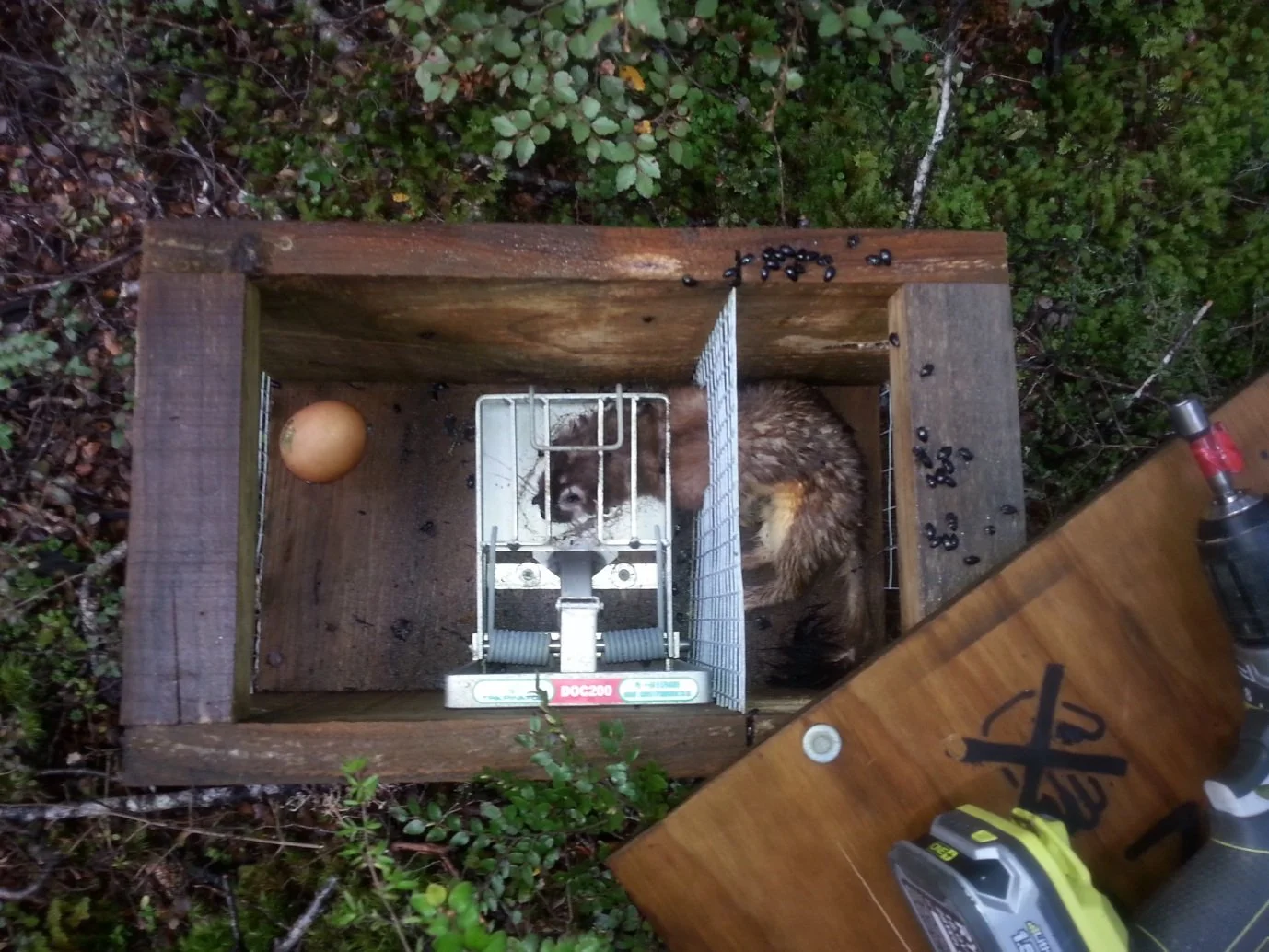
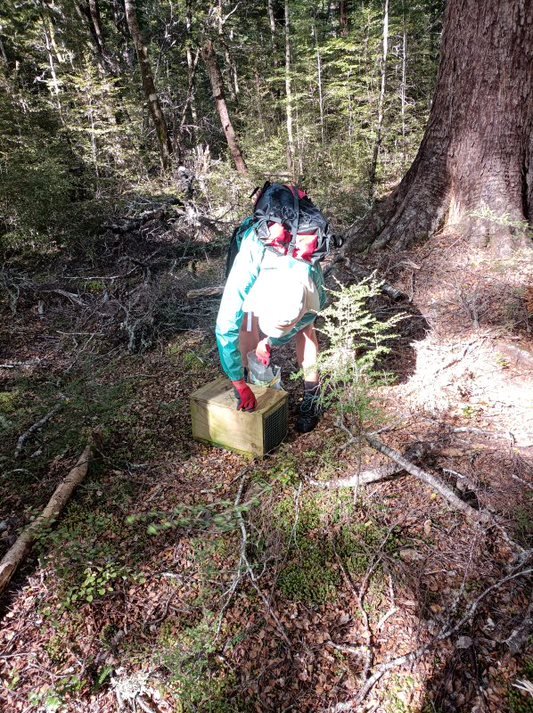
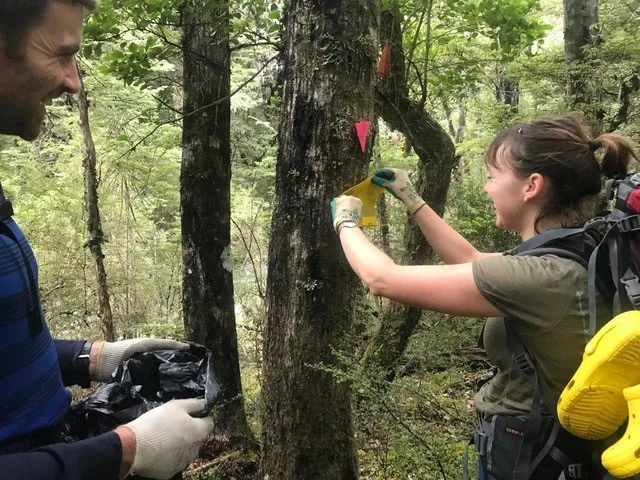
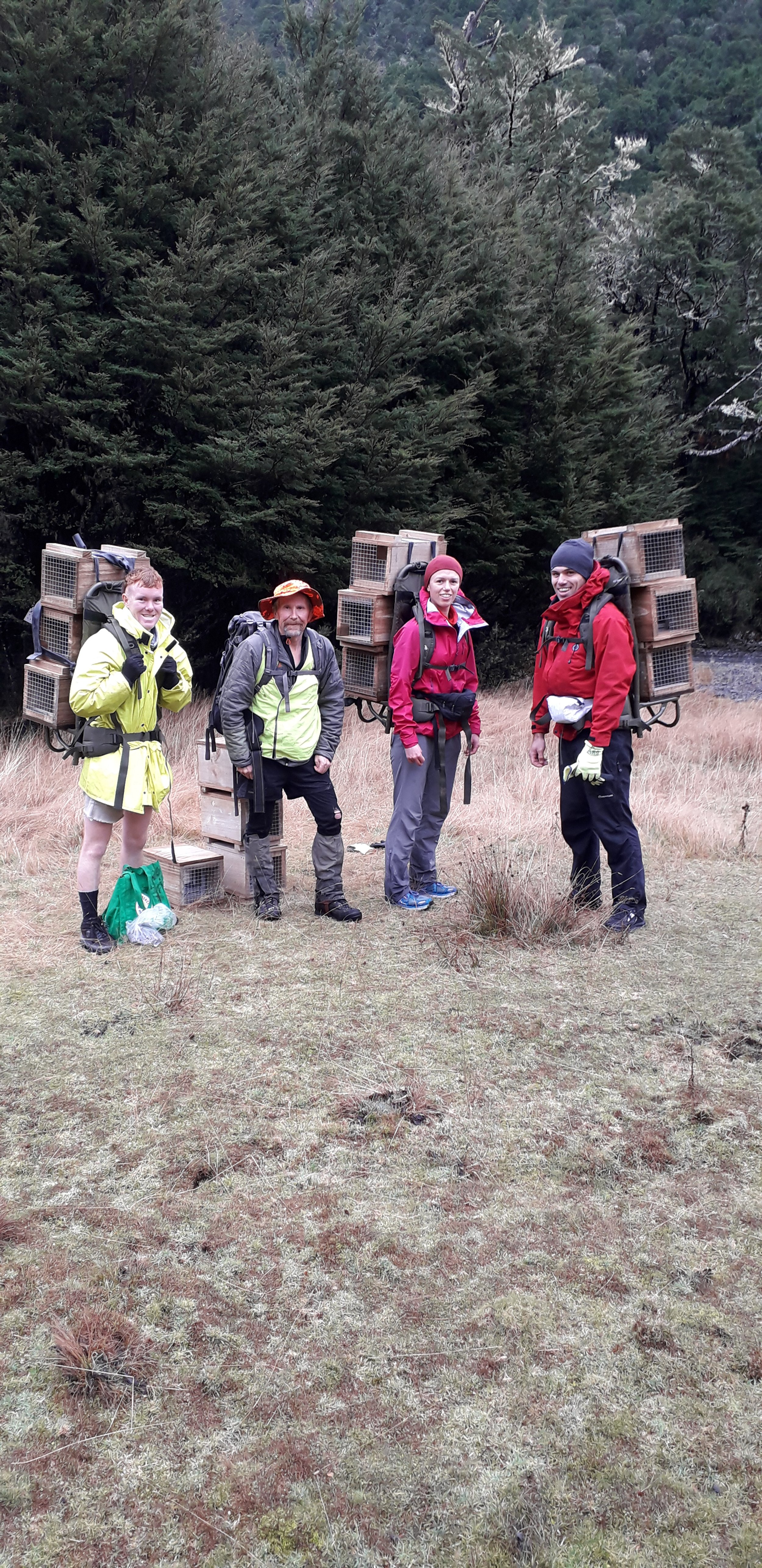
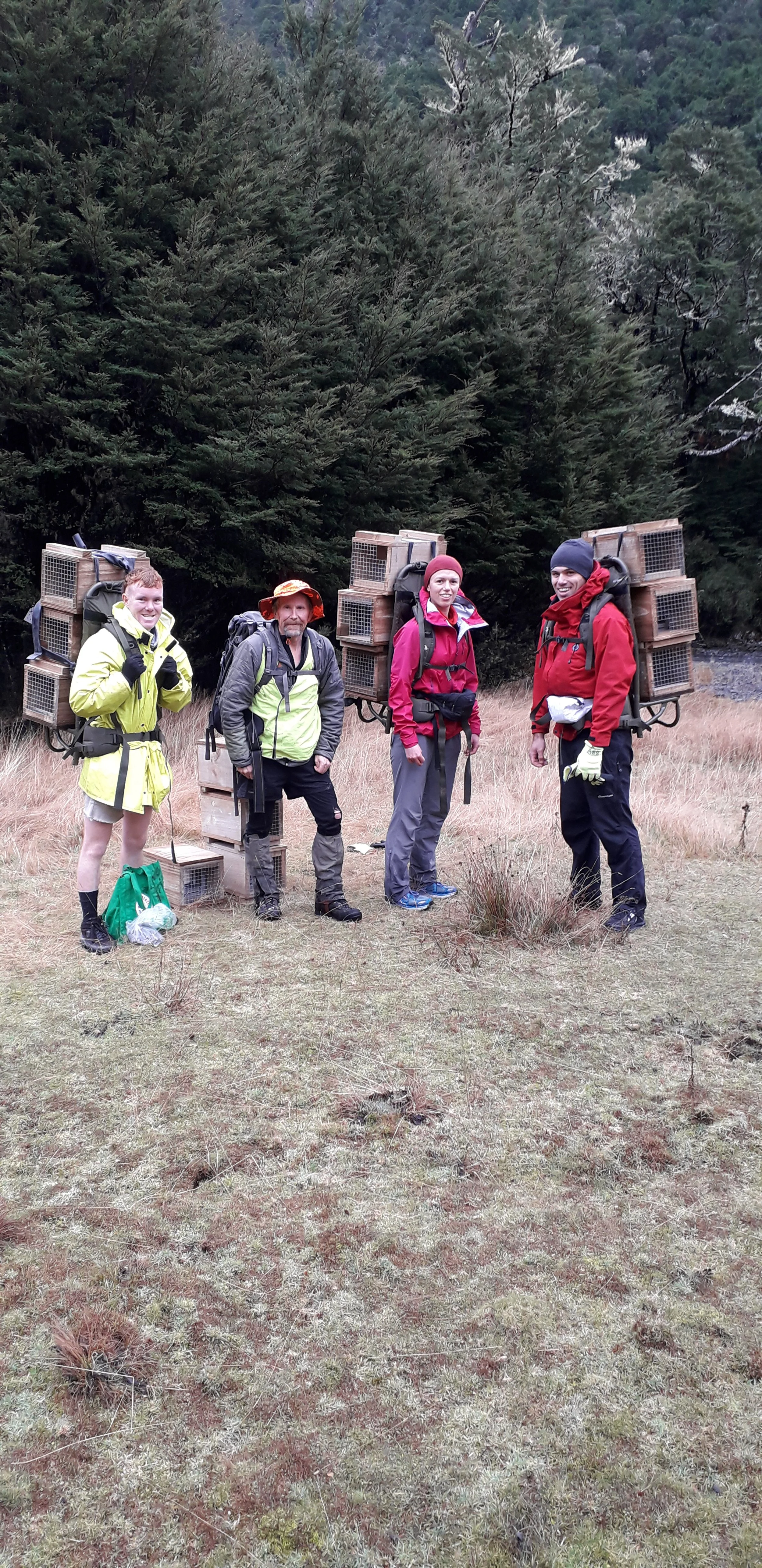
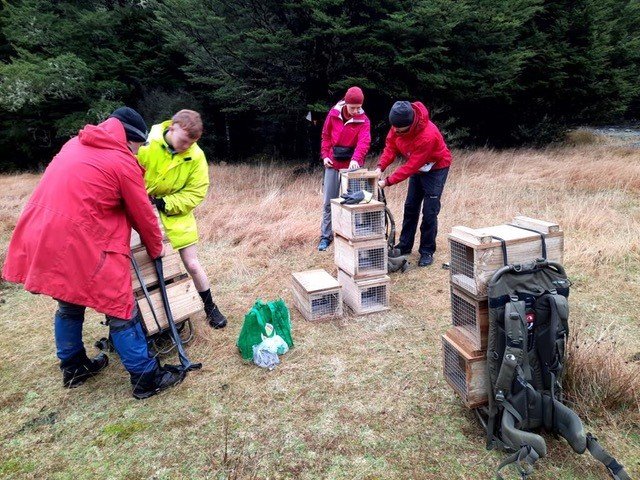
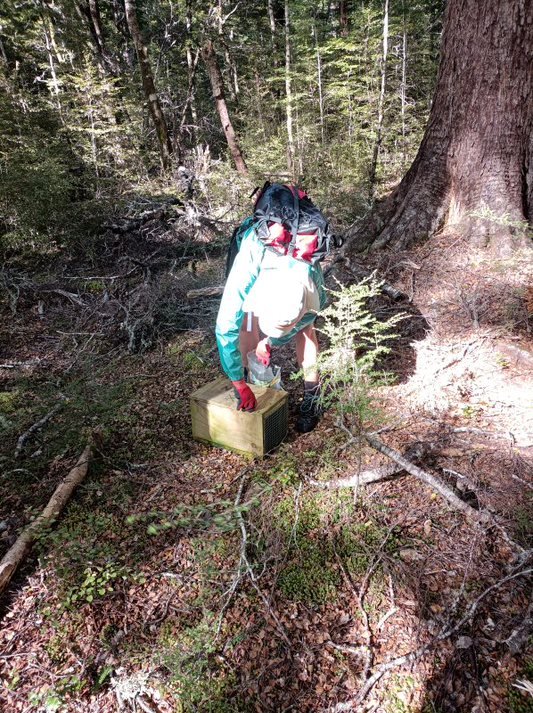
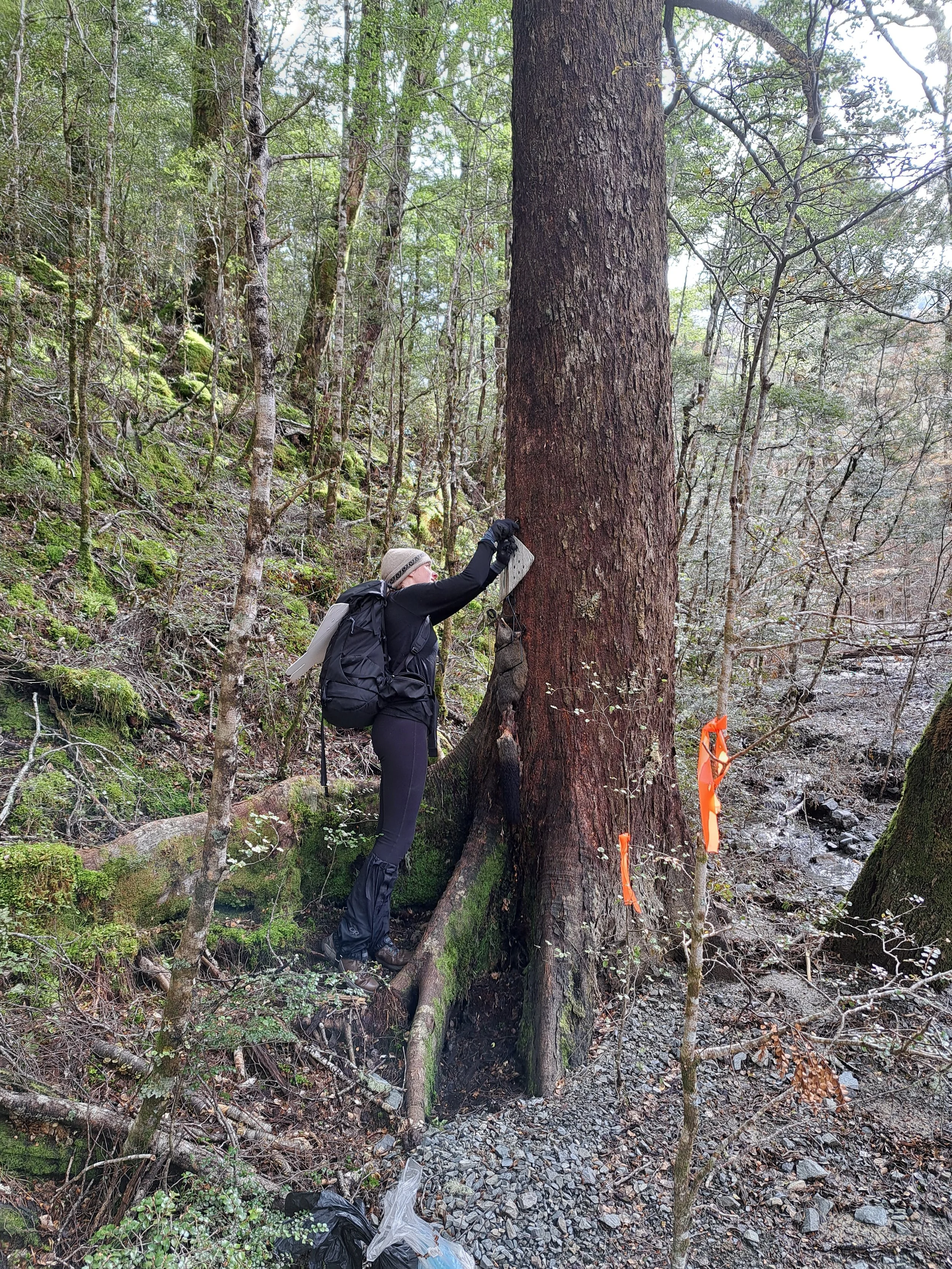
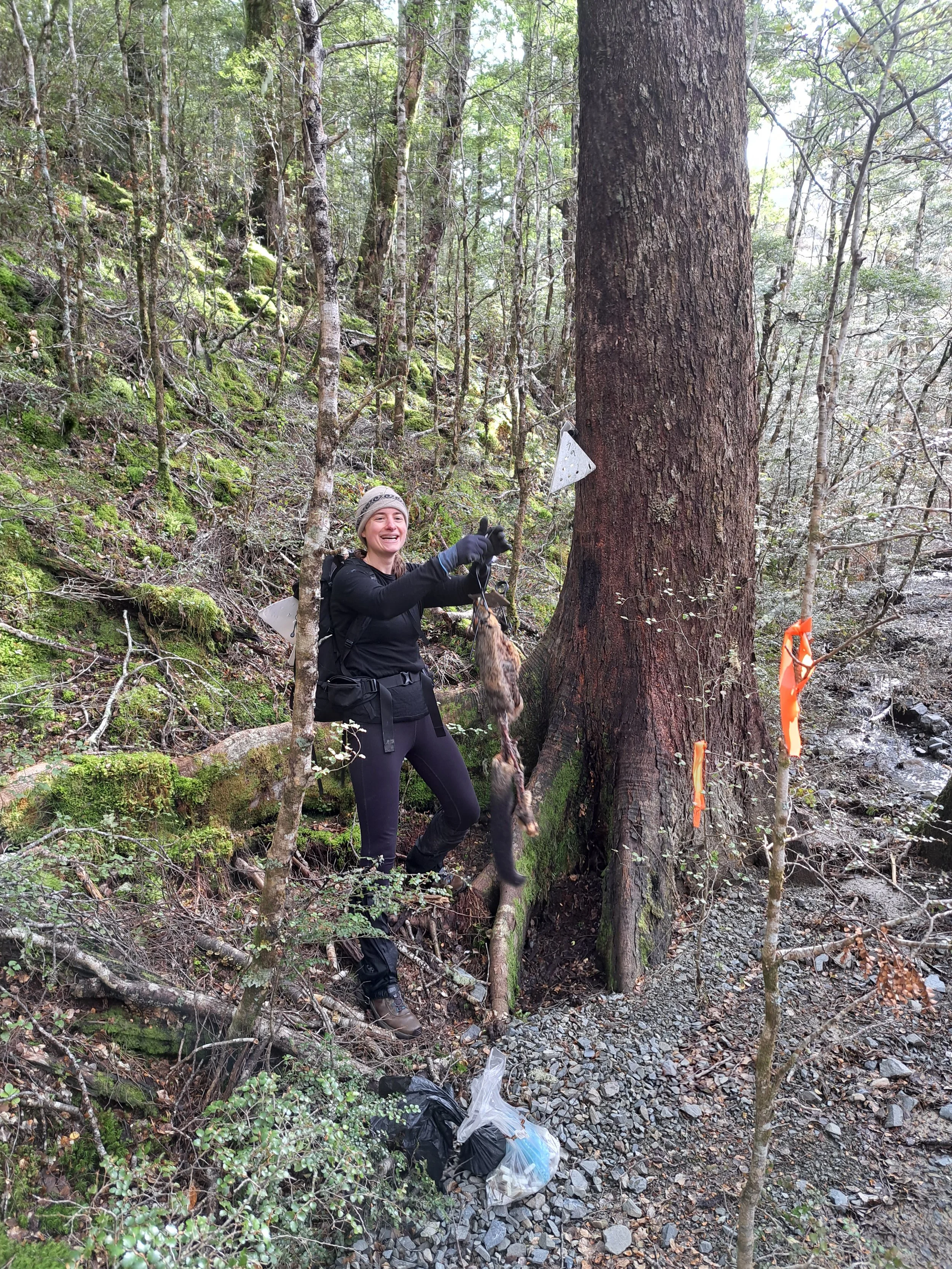
Trapping begin in the area in 2017 along the same time as the hut restoration work was started. 46 traps were initially placed along the valley which grew over the year, currently 203 traps and 128 bait stations are active in the valley.
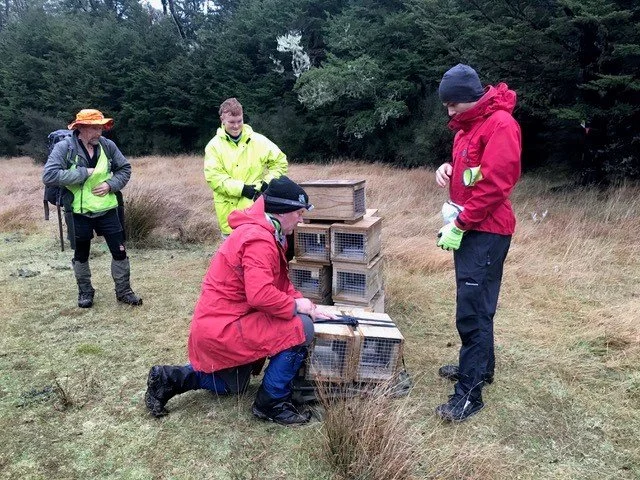
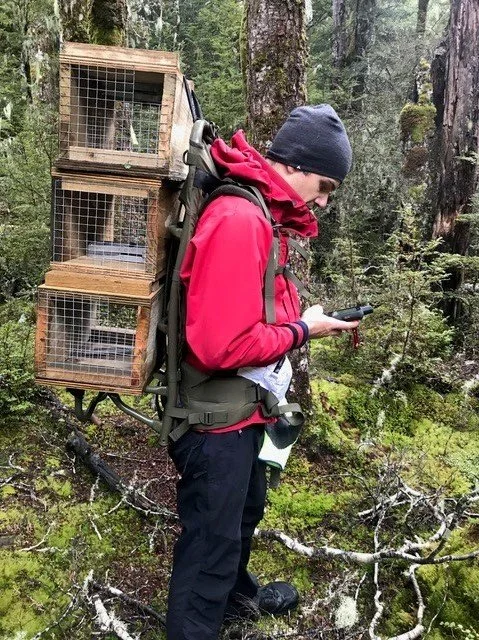
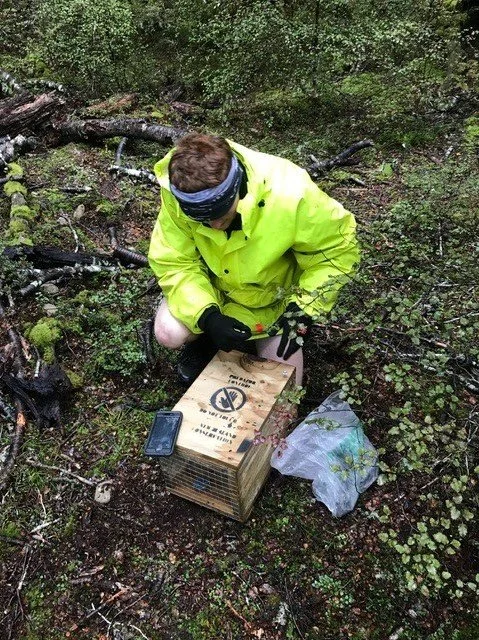
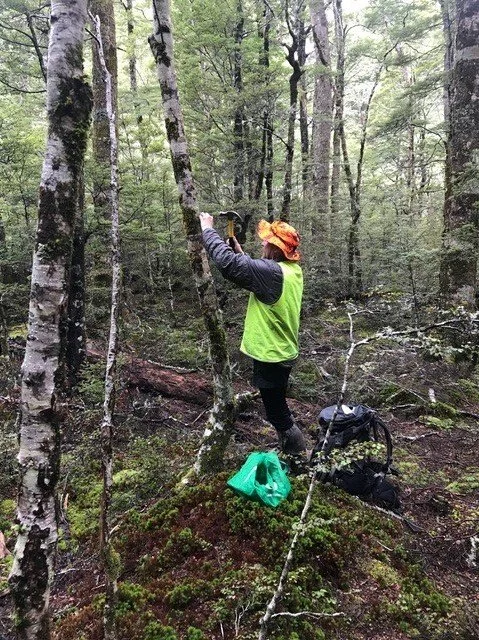
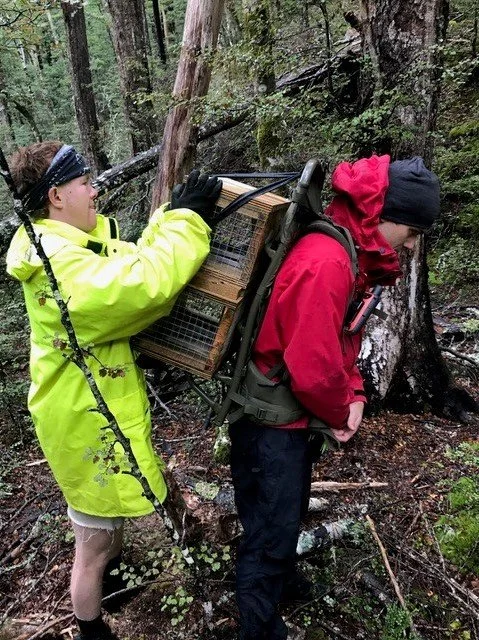
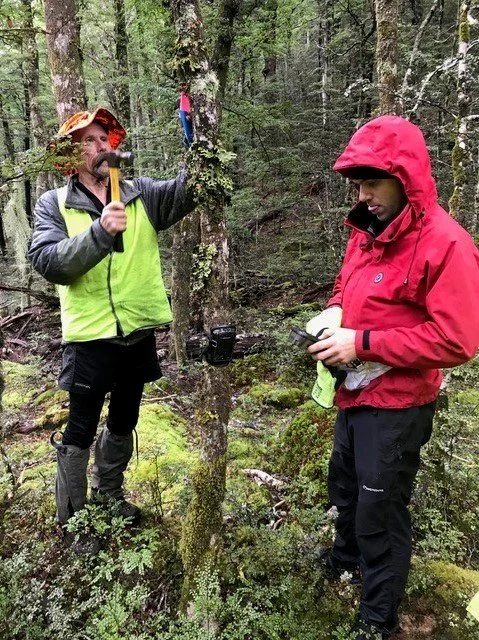
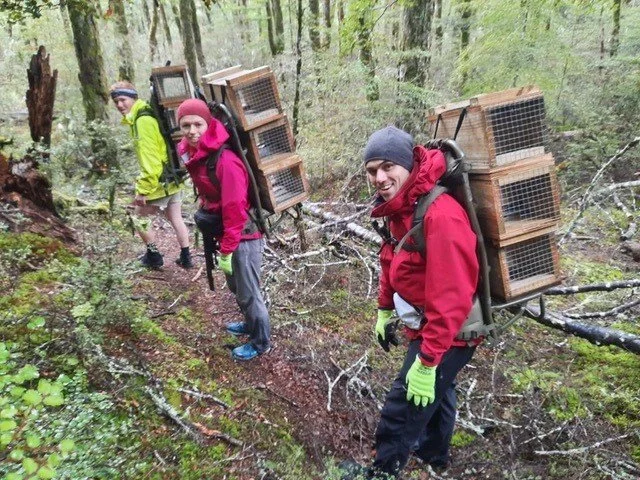
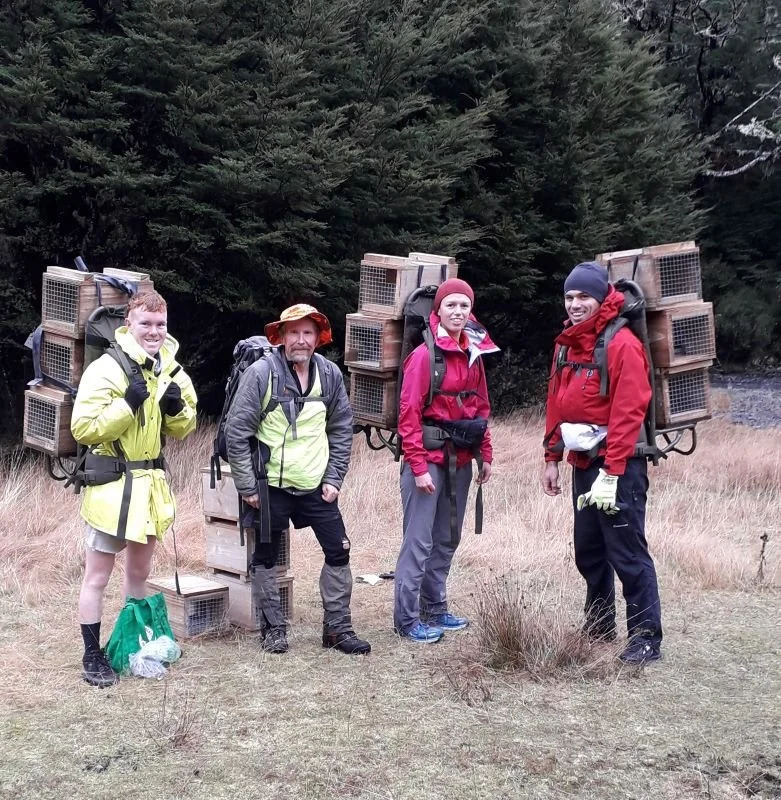
In the summer of 2021/2022 the second Wildlands survey was carried out, this was made up of the second bird survey and a baseline survey of vegetation, flora, lizards and invertebrates in the valley. An assessment was also carried out on potential whio/blue duck habitat in the valley and its potential to be a release site for whio was also carried out at the same time. The Vegetation, Lizard and Bird surveys were undertaken in November of 2021. And the Invertebrate survey, evaluation of potential whio habitat, and additional five-minute bird counts were undertaken in January 2022.
The survey showed that although the habitat would suit whio, the size of the valley would mean it may not accommodate many pairs, so any efforts to reintroduce and conserve whio would require management in adjacent valleys aswell.
During the field survey of the valley for invertebrates 24 indigenous invertebrates were found. Including ground wētā, and a Rhytidid snail. When the field search for invertebrates was carried out there was a large presence of wasps which can effect the survival of many of our native invertebrates. From this study it was clear that wasp control would need to be carried out in the valley aswell. The trust worked alongside DOC to put in some wasp management systems to help reduce the number of wasps in the valley.
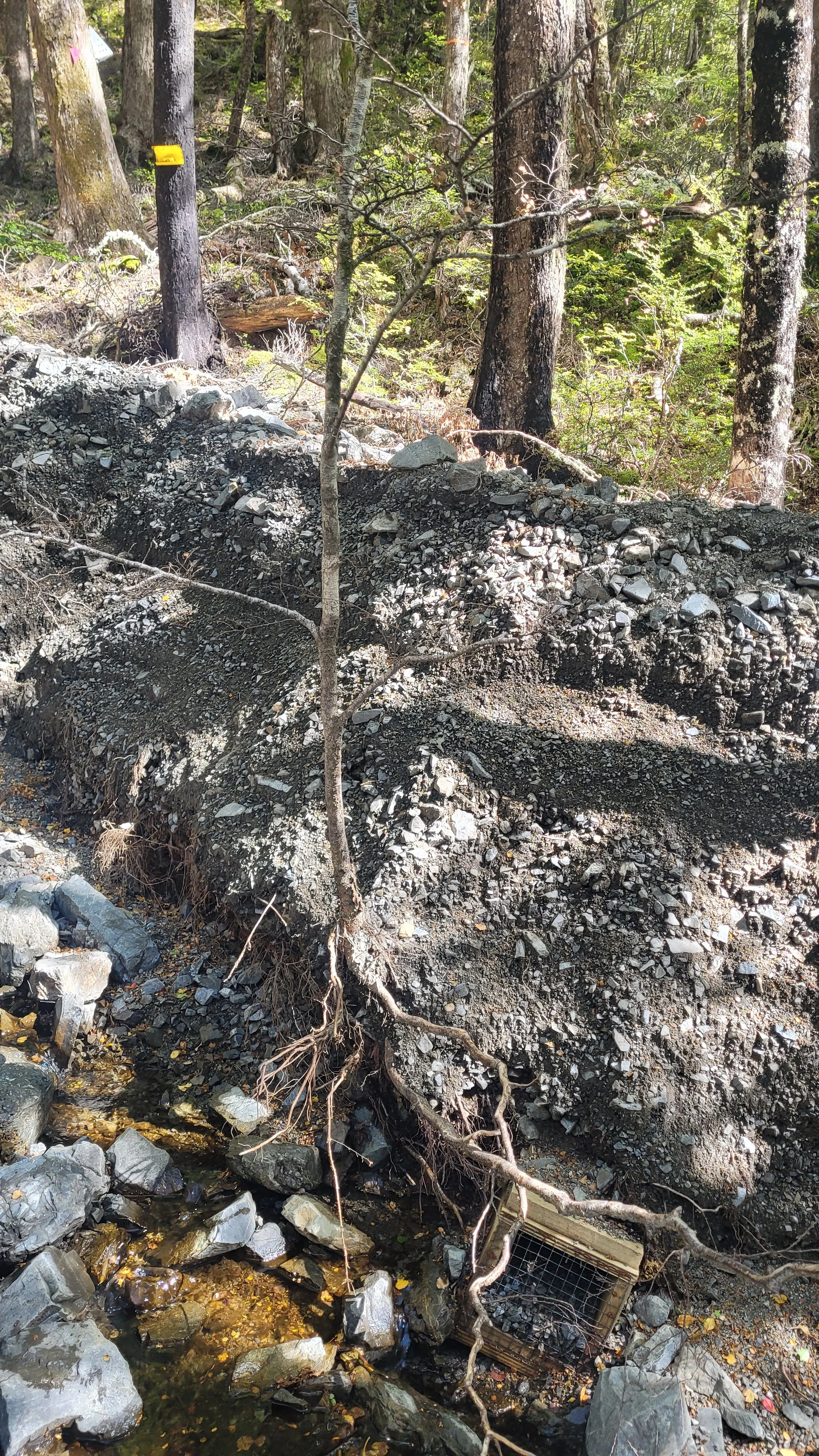
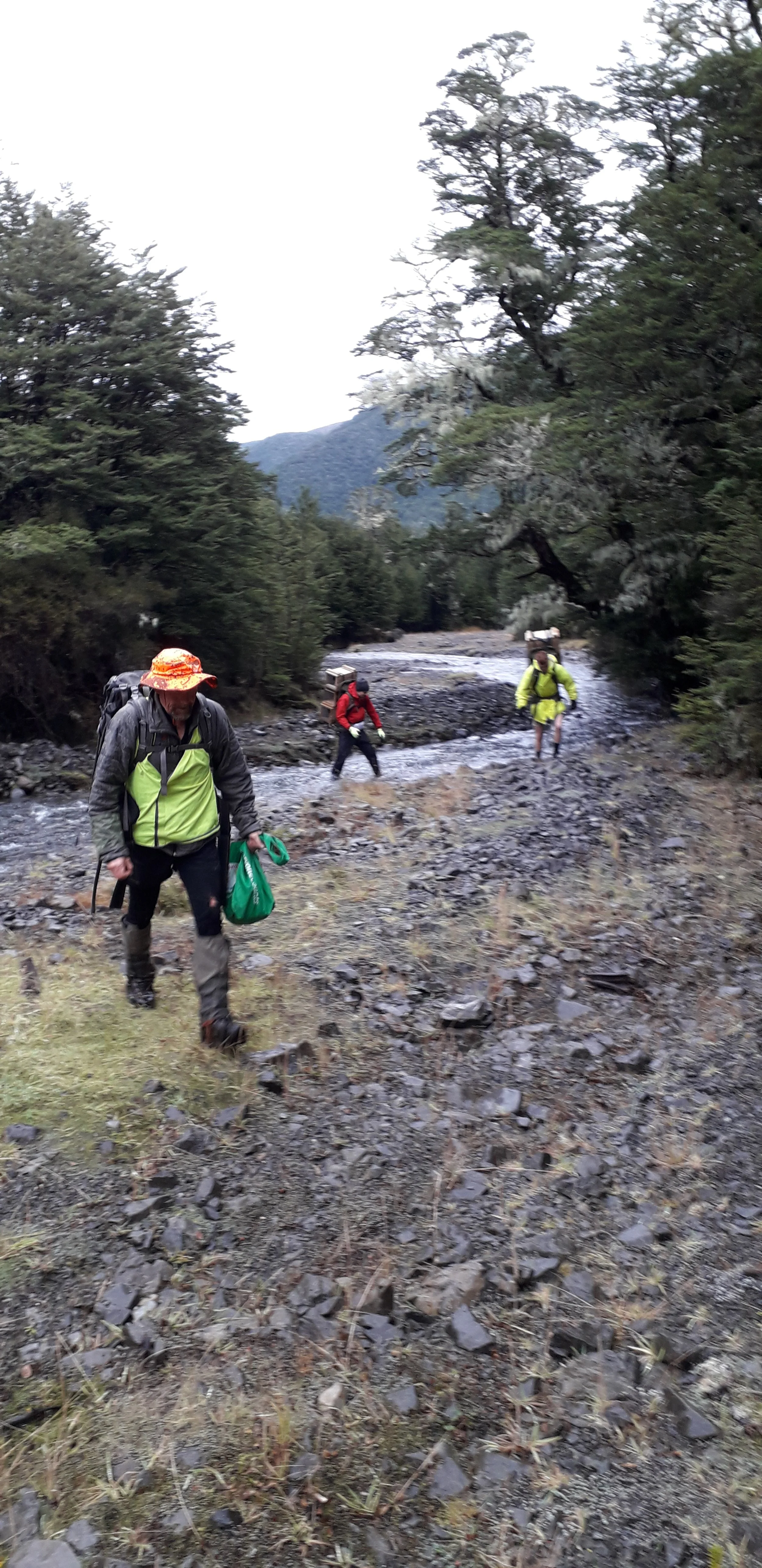
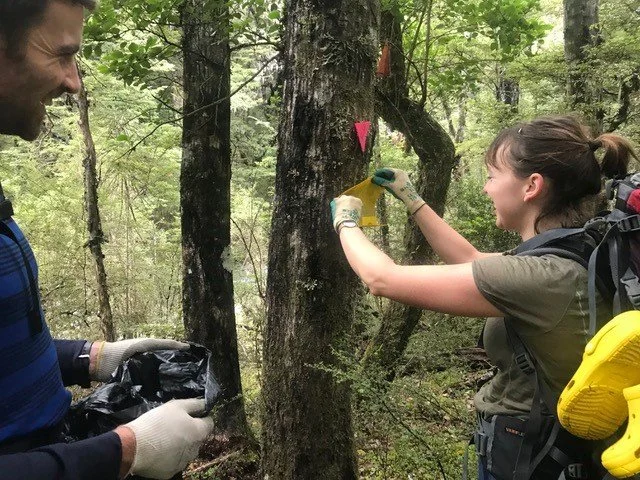
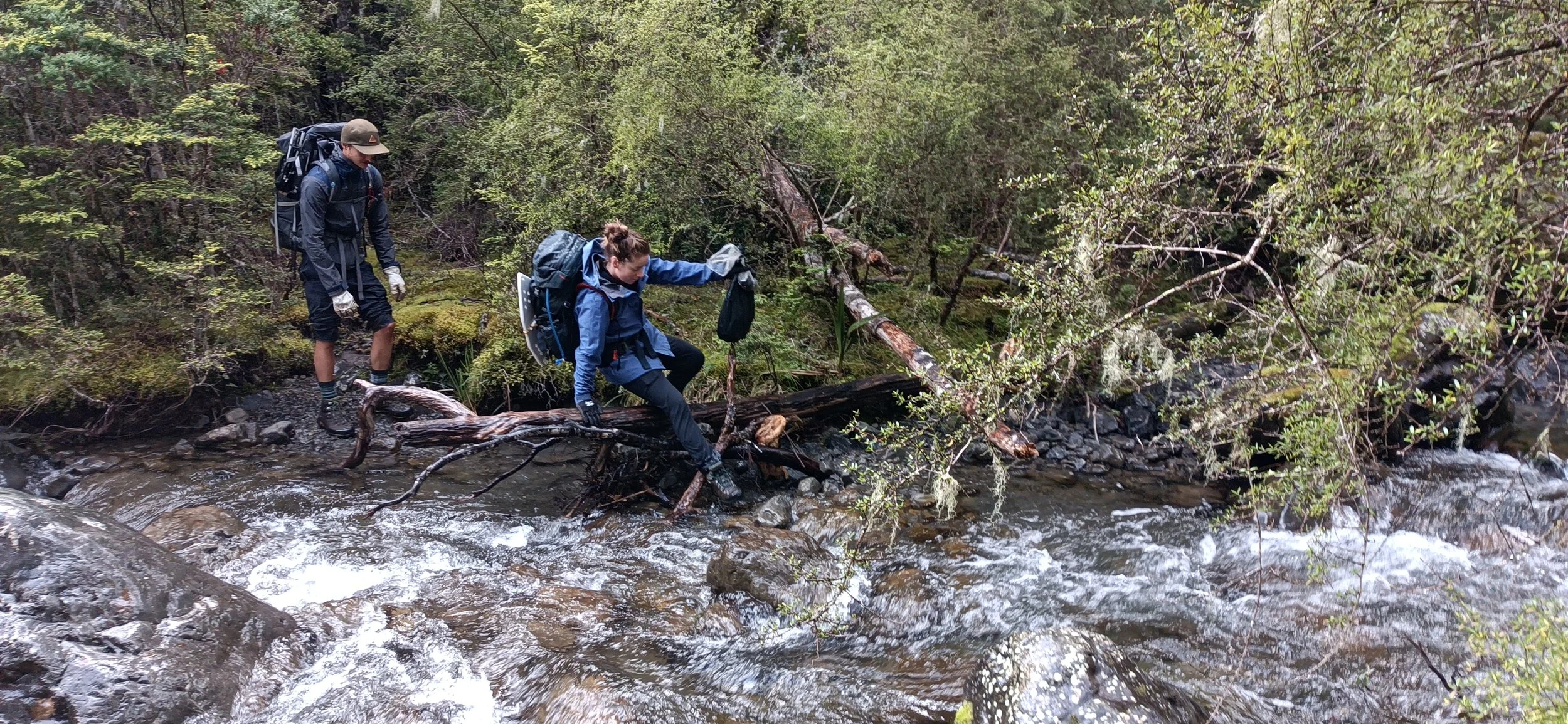
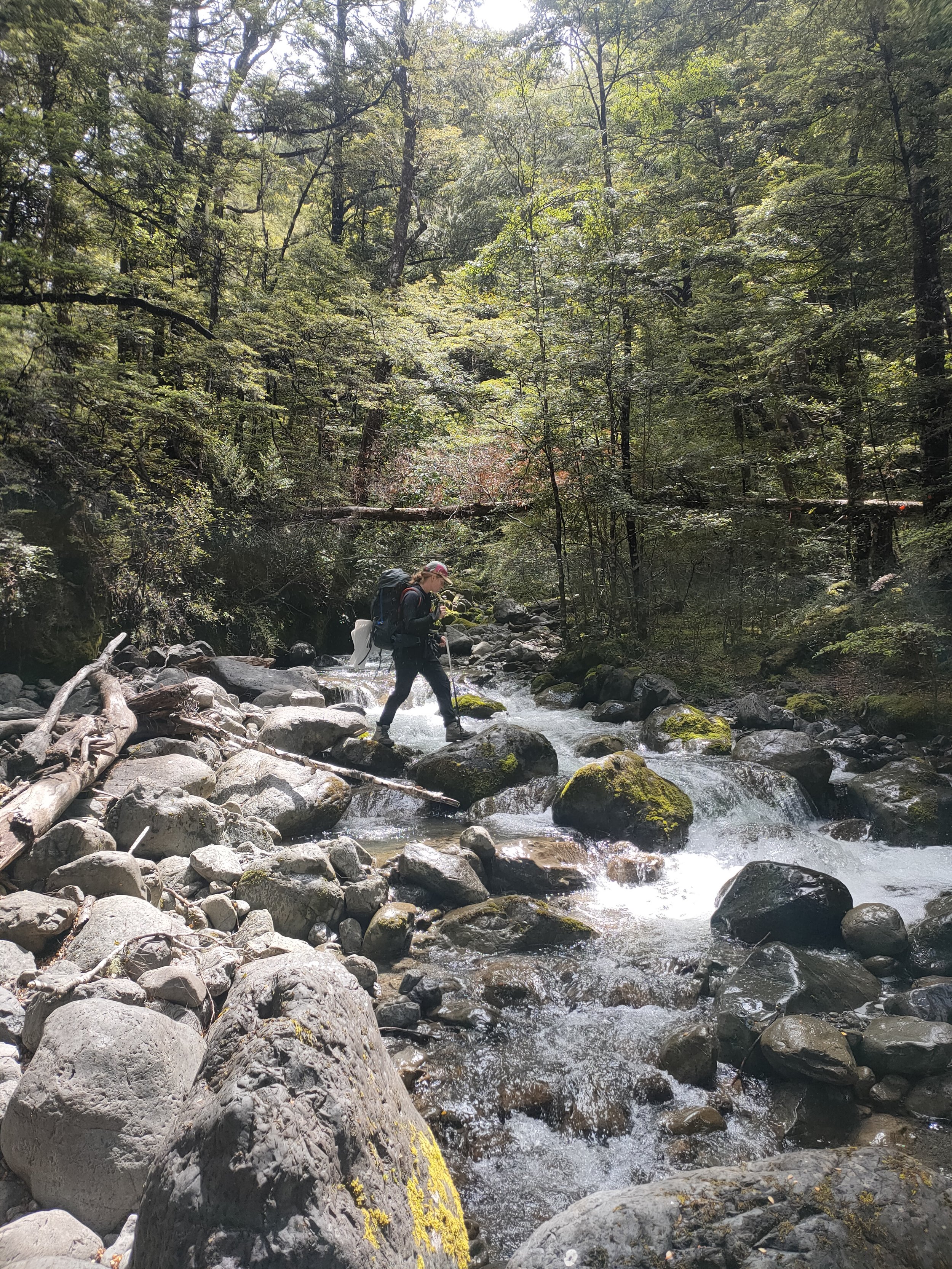
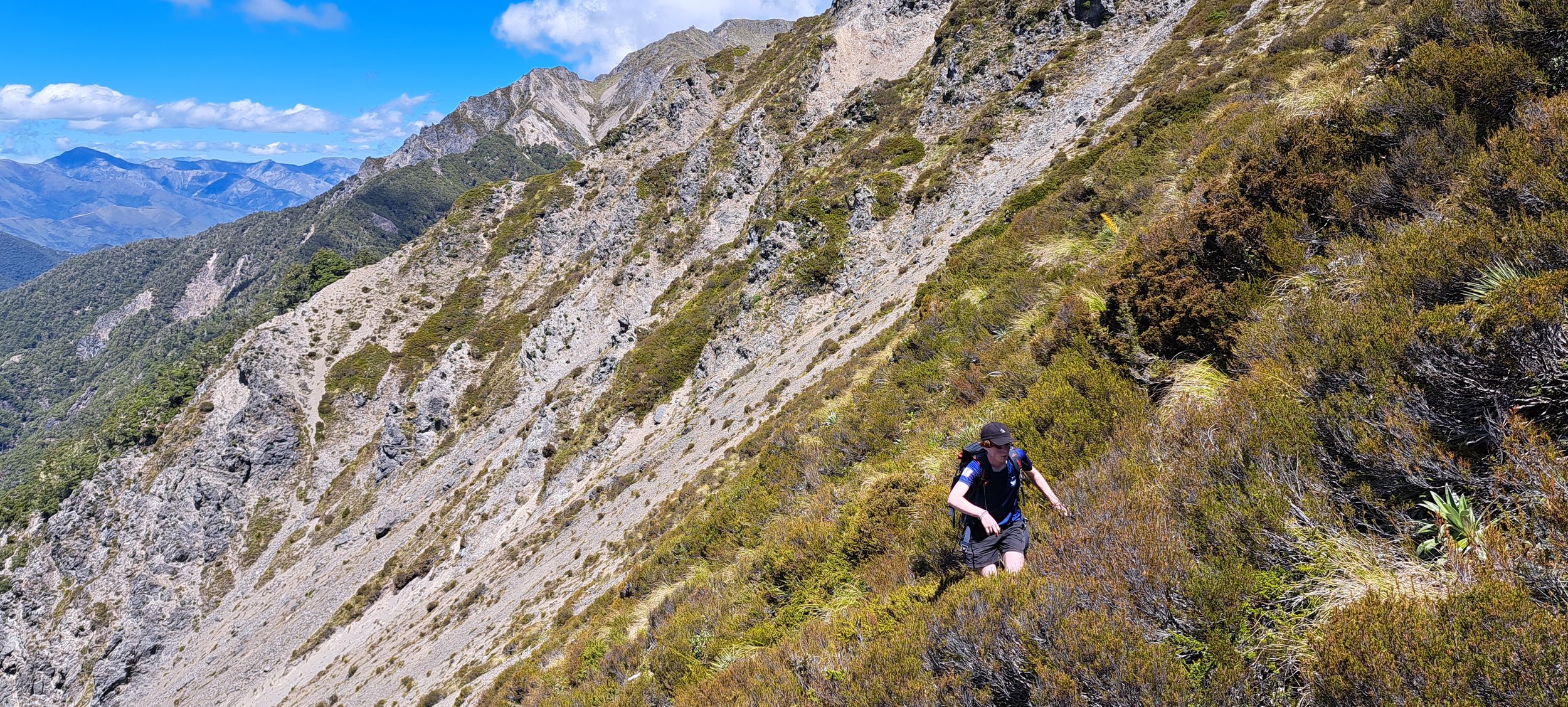
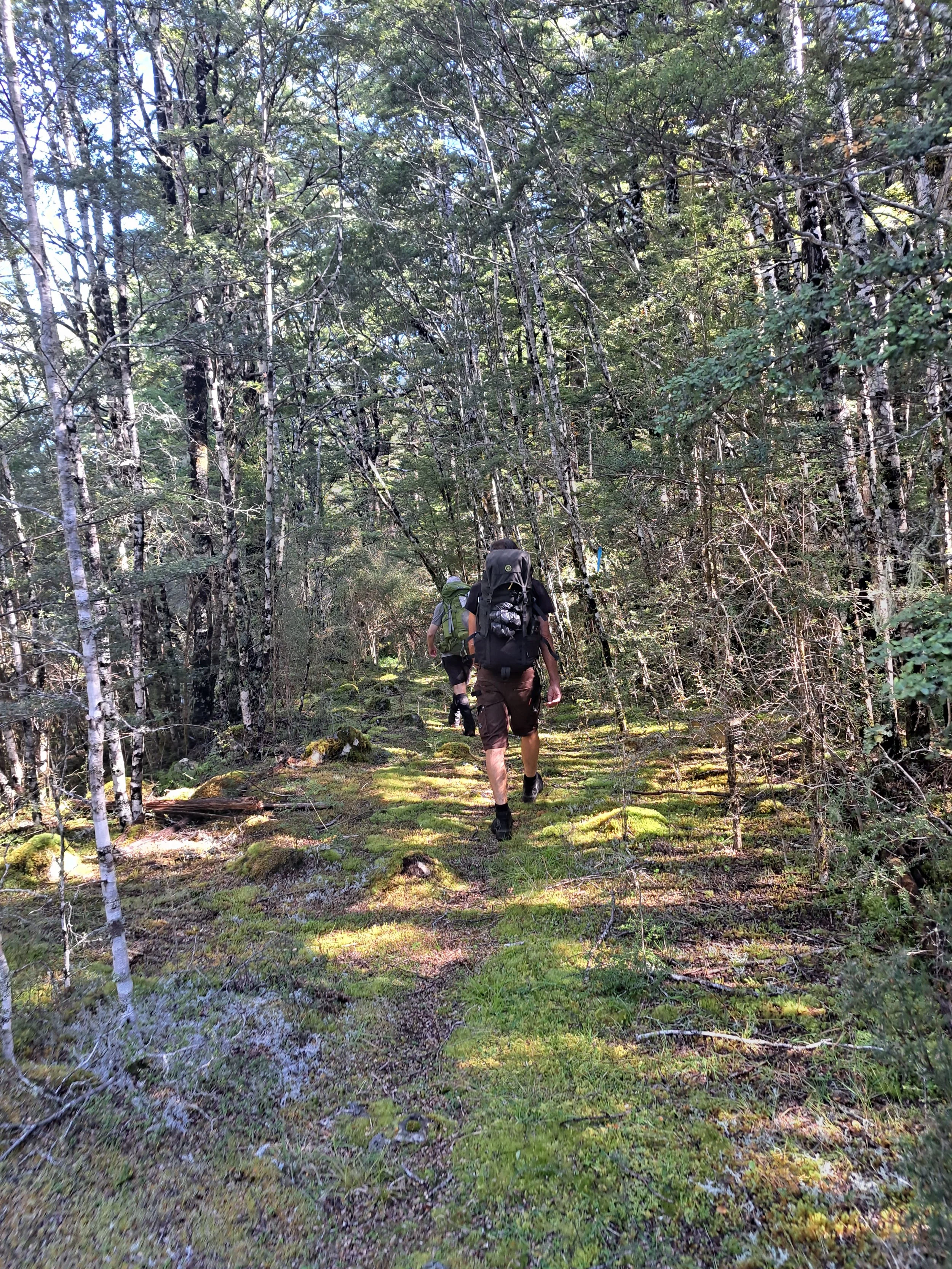
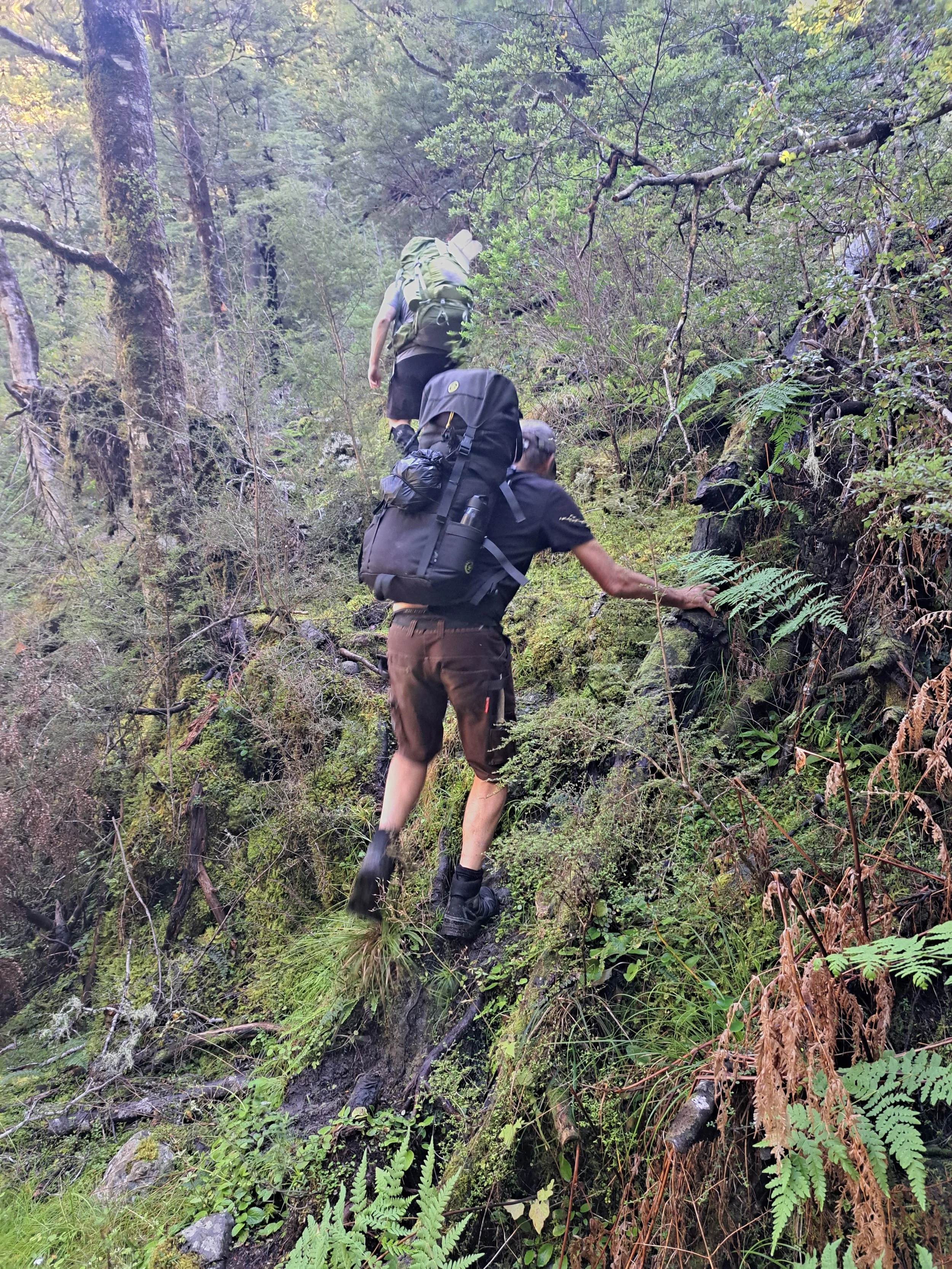
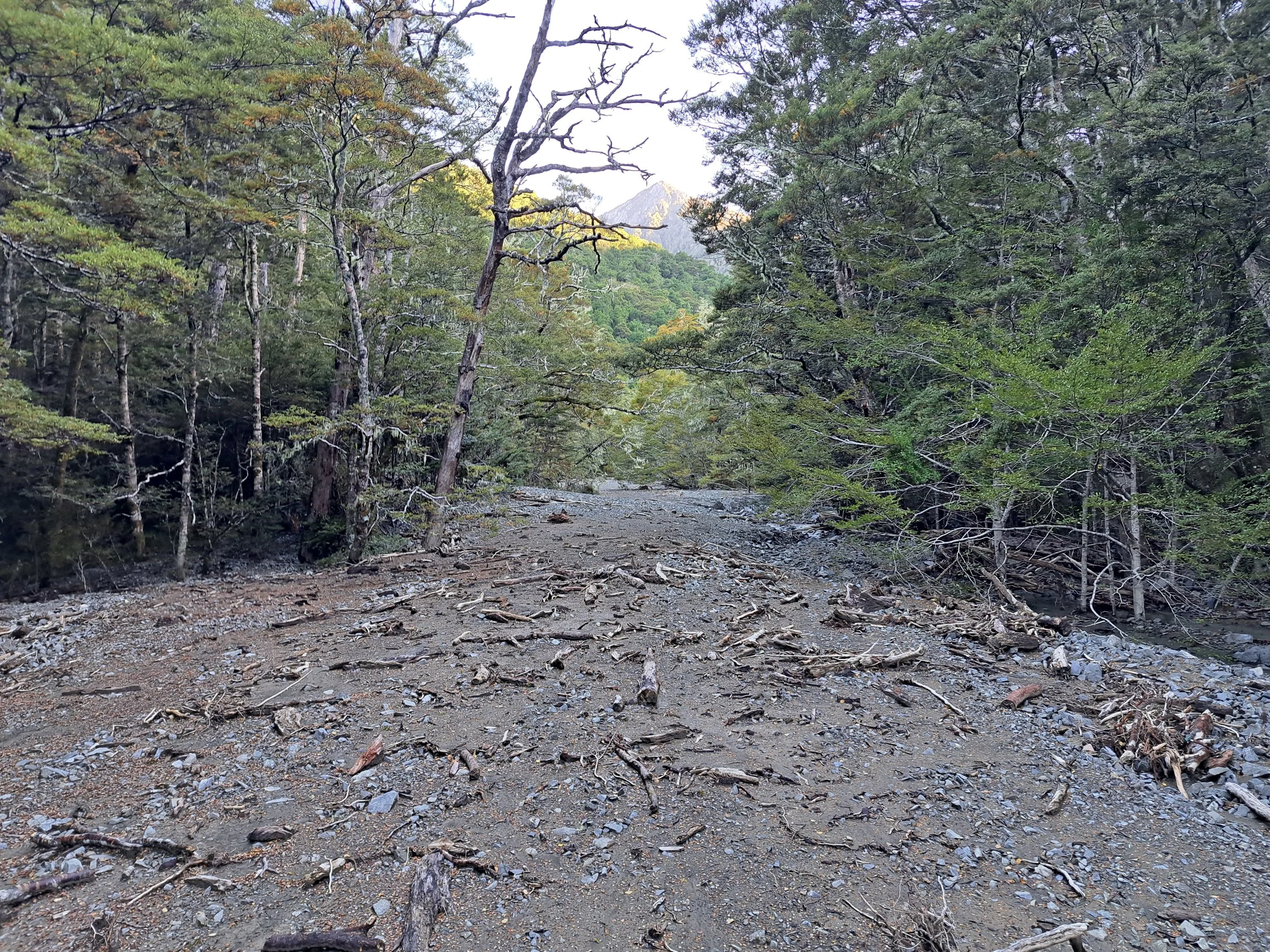
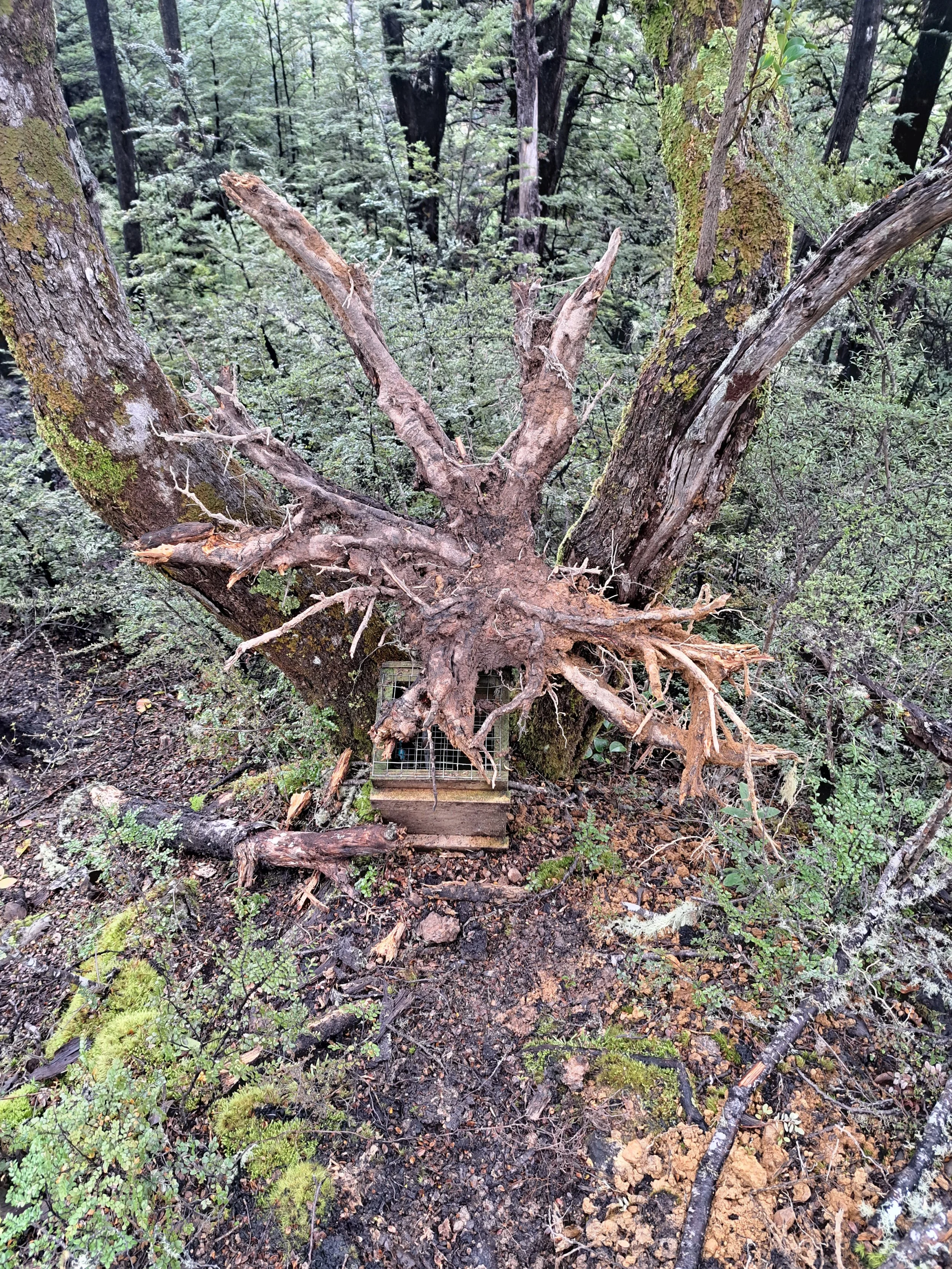
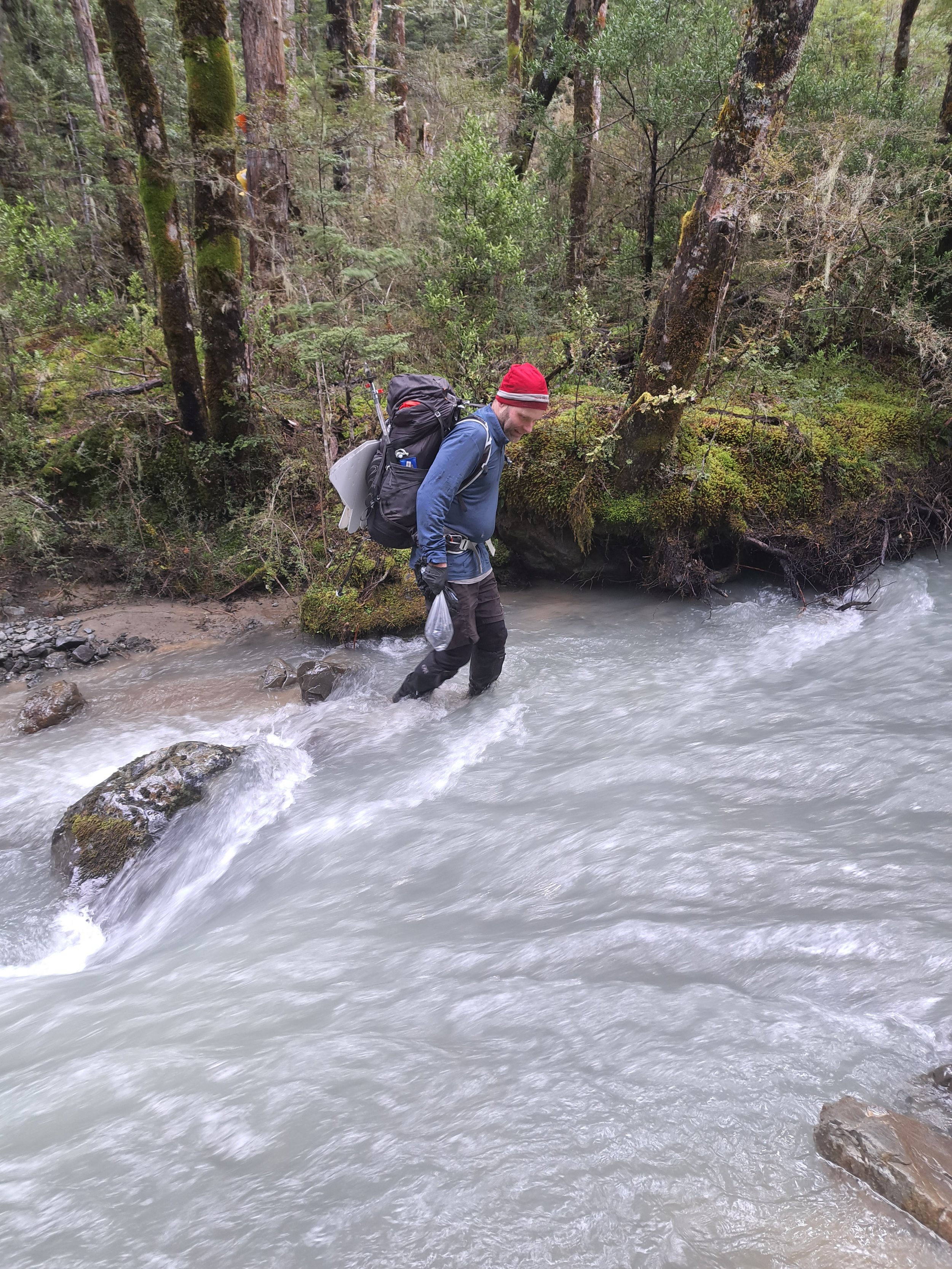
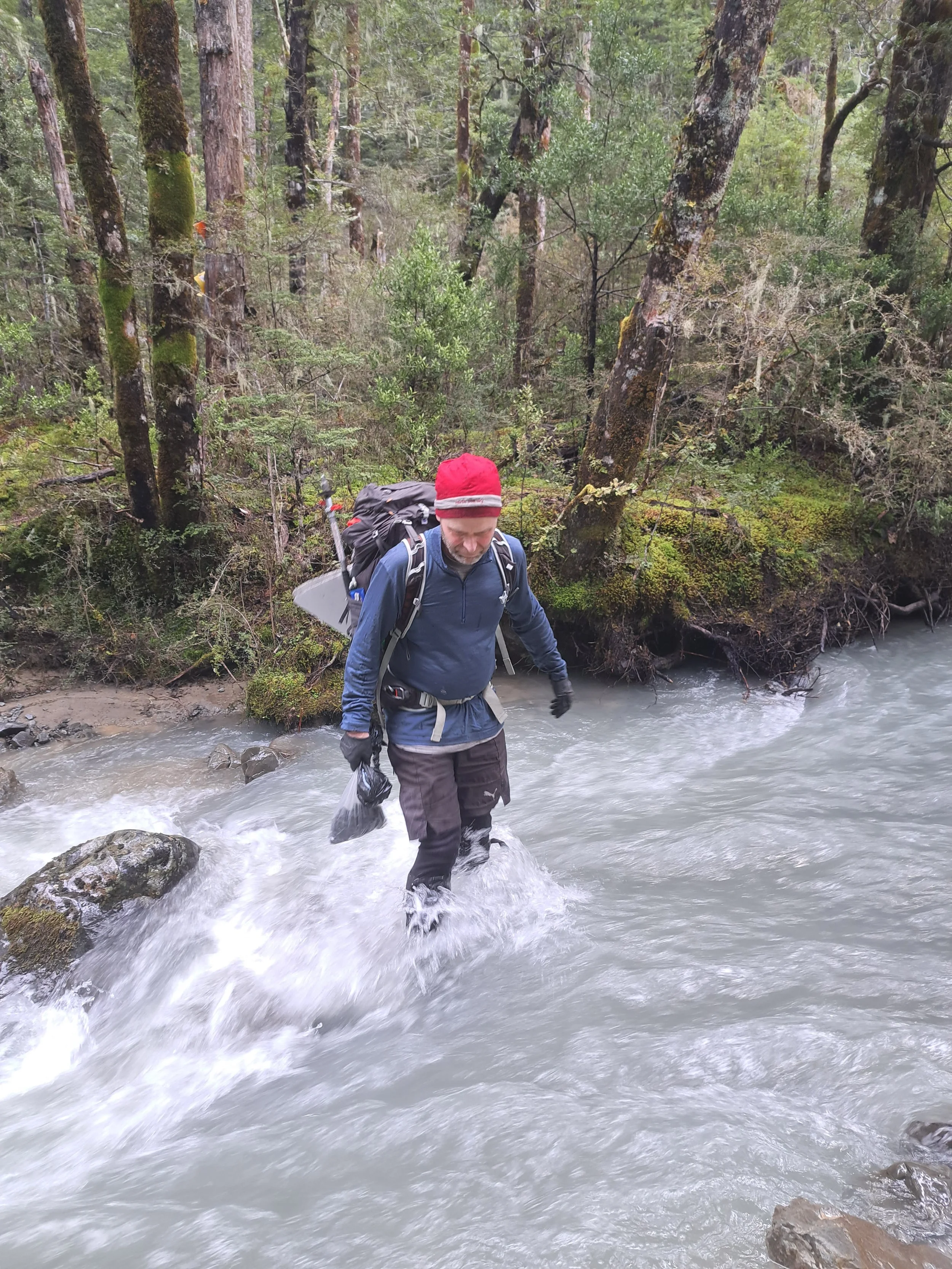
Ongoing hut maintenance is carried out every year to make sure the hut is suitable for our volunteers to stay in. Throughout the years there has also been several slips in the wet season that always leave a few traps needing to be replaced or repaired and track maintenance carried out. Our volunteers work hard to complete this work!
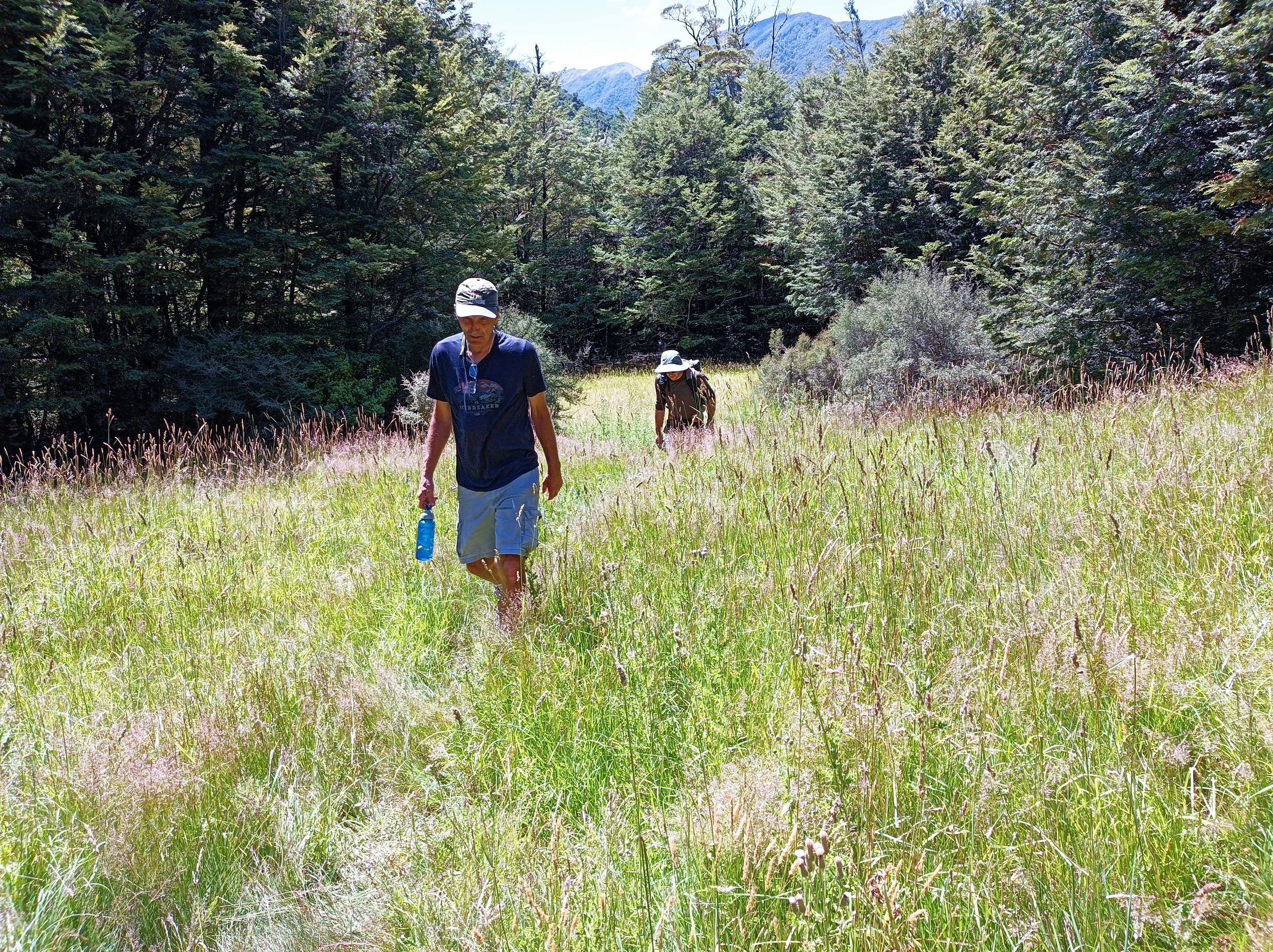
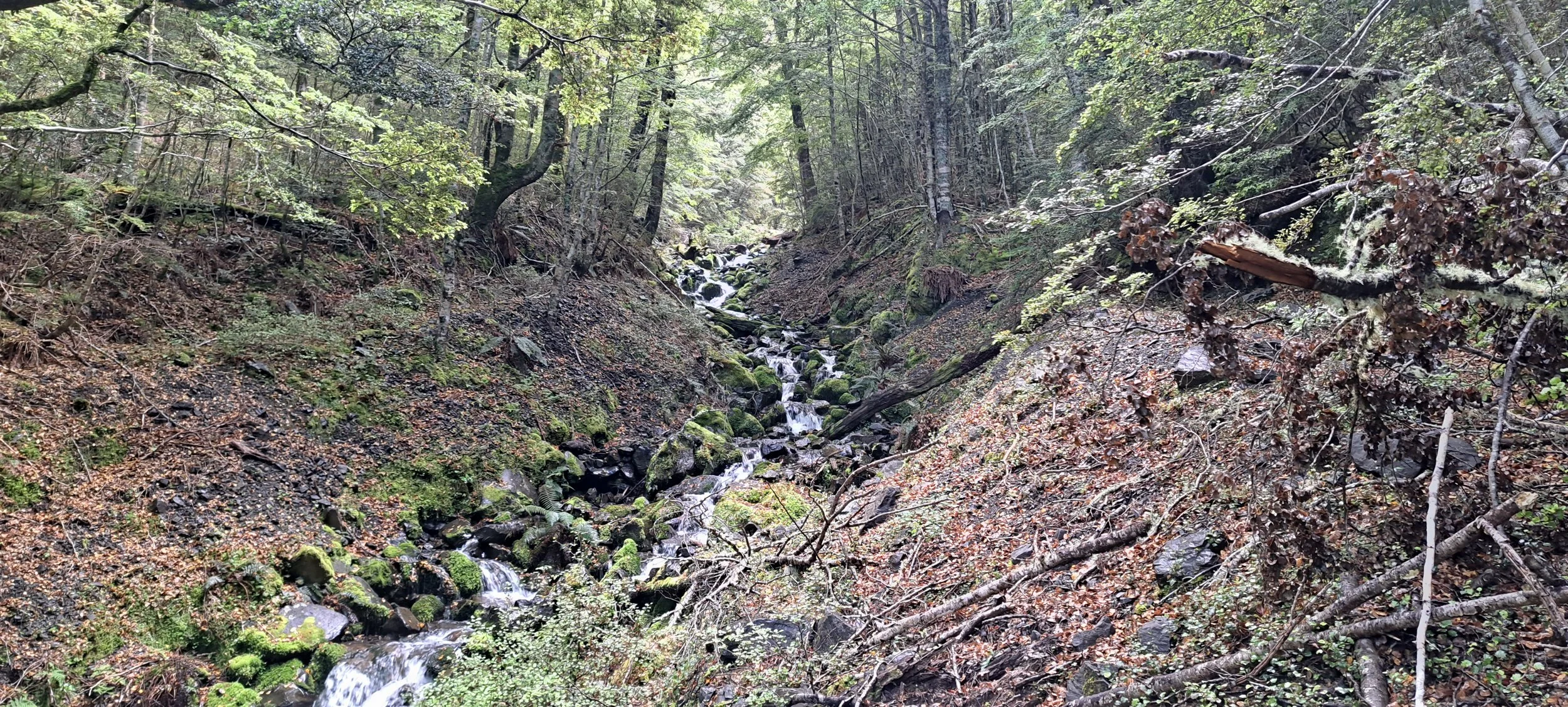
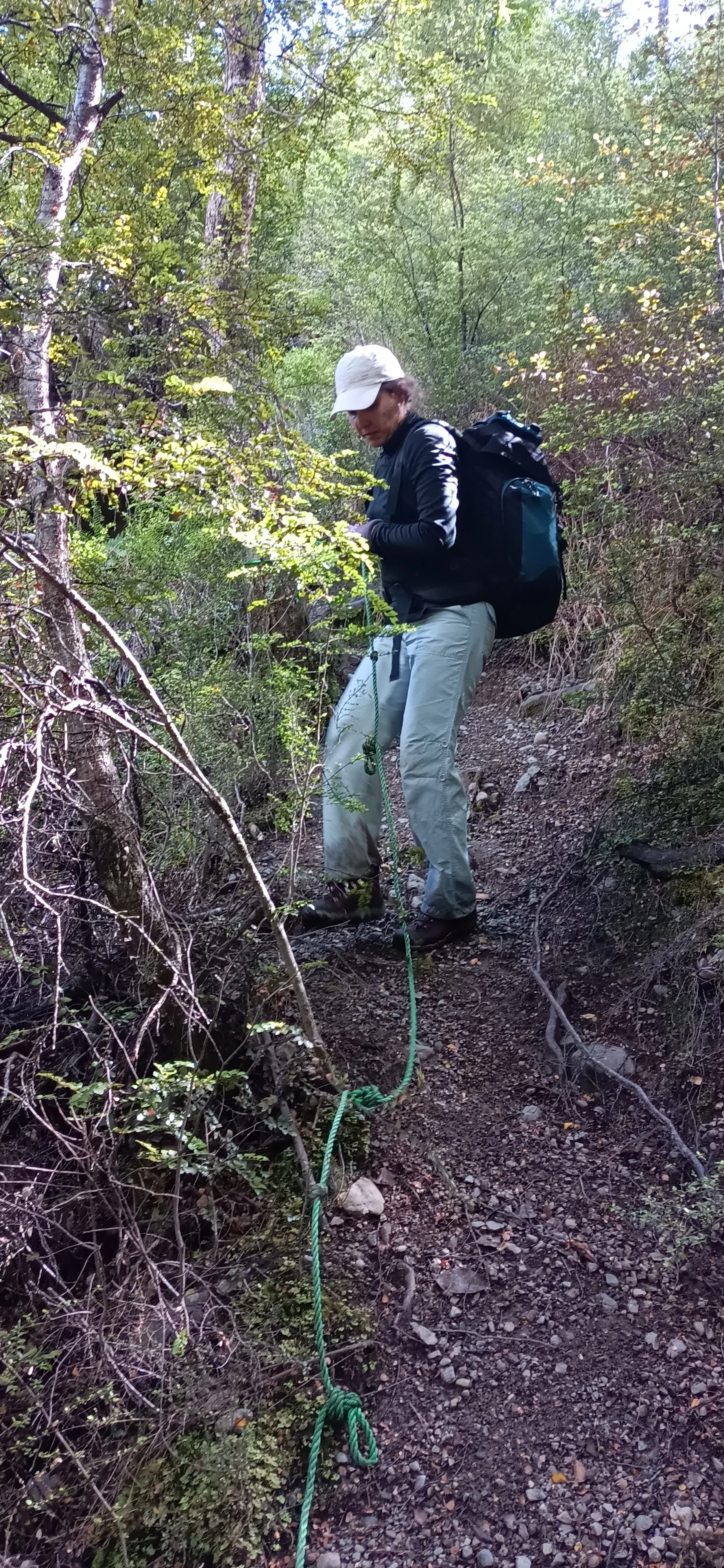
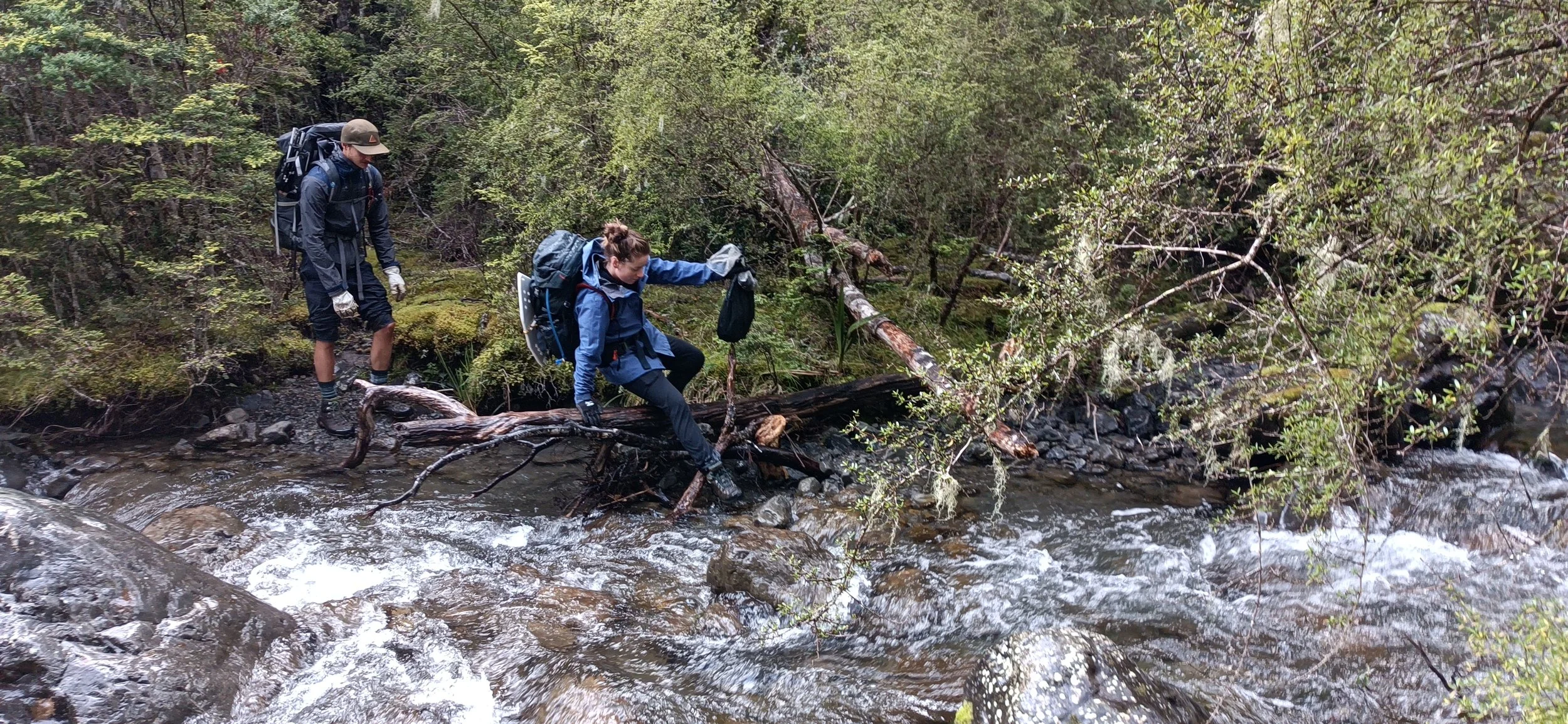
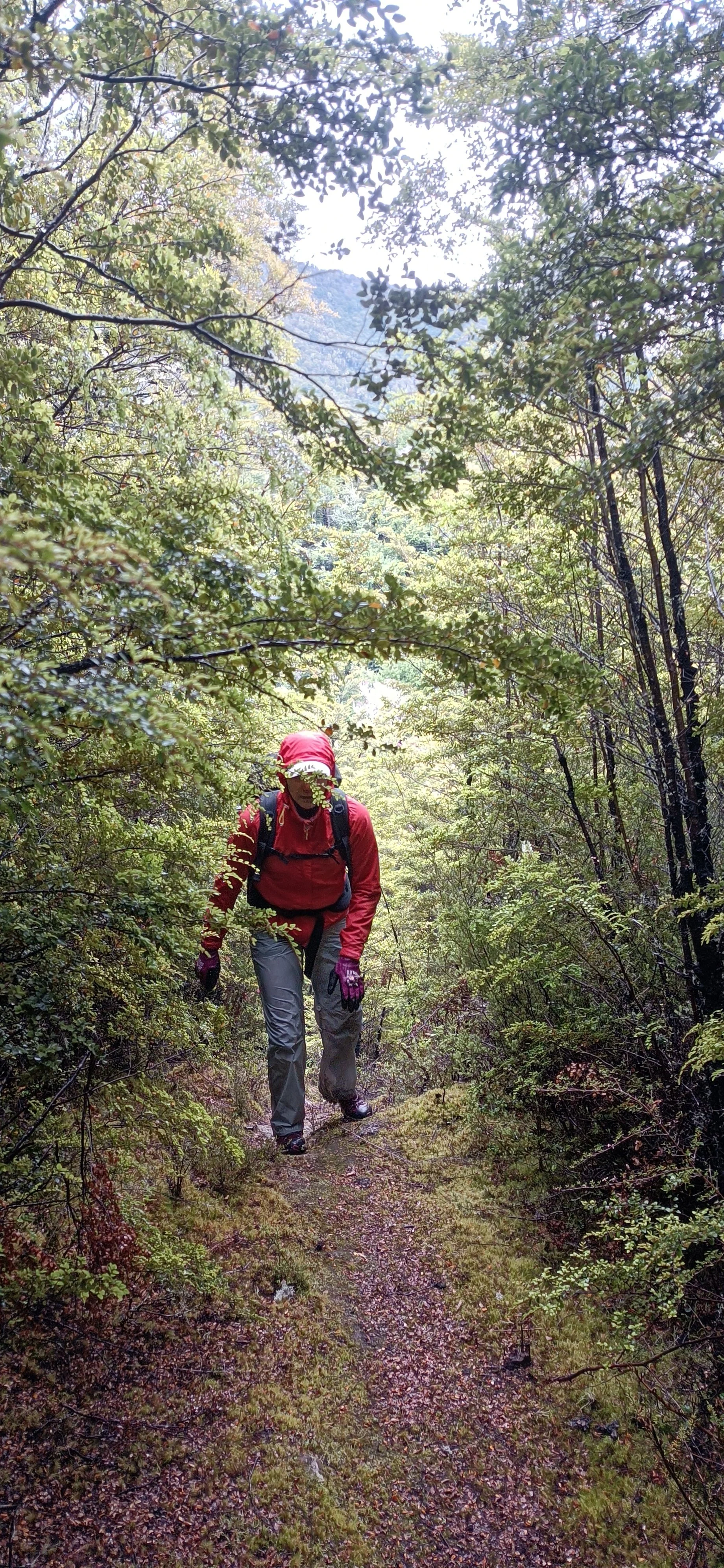
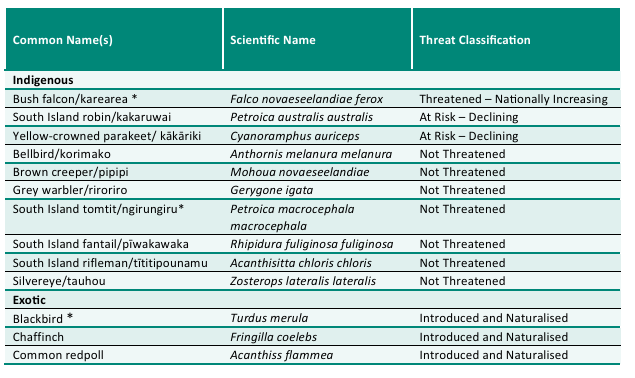
Our third Wildlands survey was carried out in January 2024, this consisted of two 5 minute bird counts. Where ten indigenous and three exotic bird species were recorded - Of the ten indigenous that were counted, one was classified at threatened, The Kārearea/NZ Falcon. Two at risk species were also noted the Kakaruwai/South Island Robin and Kakariki/Yellow-crowned Parakeet.
The full list of the ten indigenous species can be seen below.
A pest observation was also carried out during this survey.
It was evident through out the valley that deer were present, the local station owner carries out hunting trips to help reduce the amount of deer in the valley.
During the invertebrates pest survey the wasp numbers were still high, although wasp control was underway there were still plenty present. '
Wildlands notes that that these species may stress several resources utilised by birds within the valley. Continuation of the wasp control was advised.
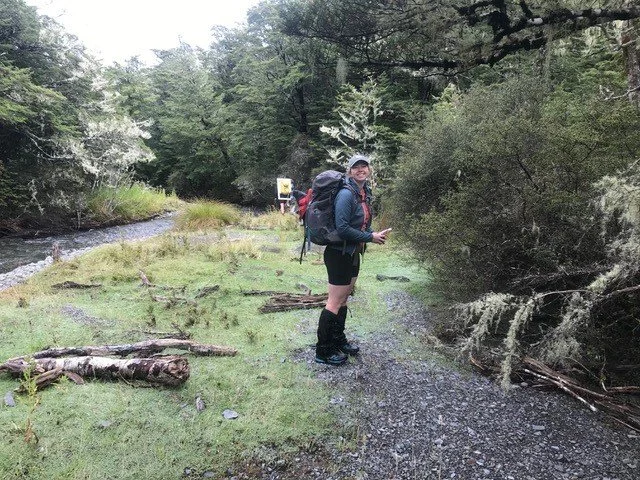
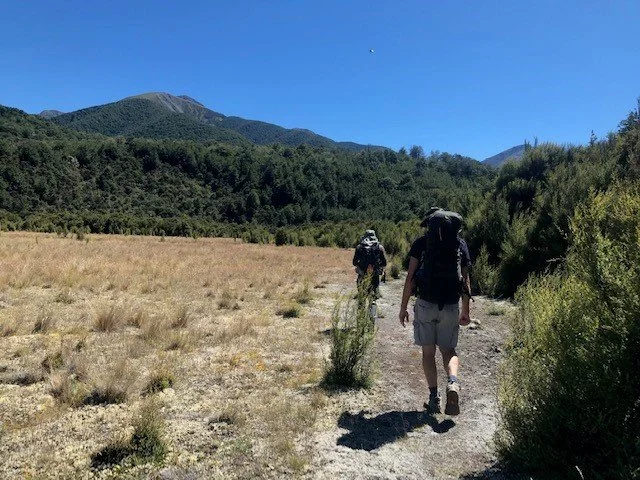
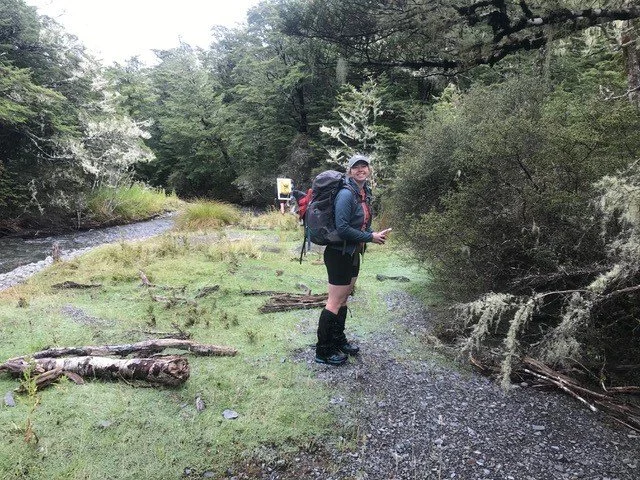
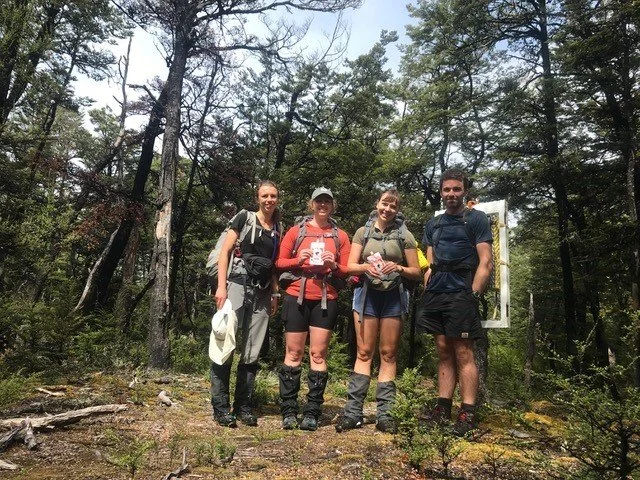
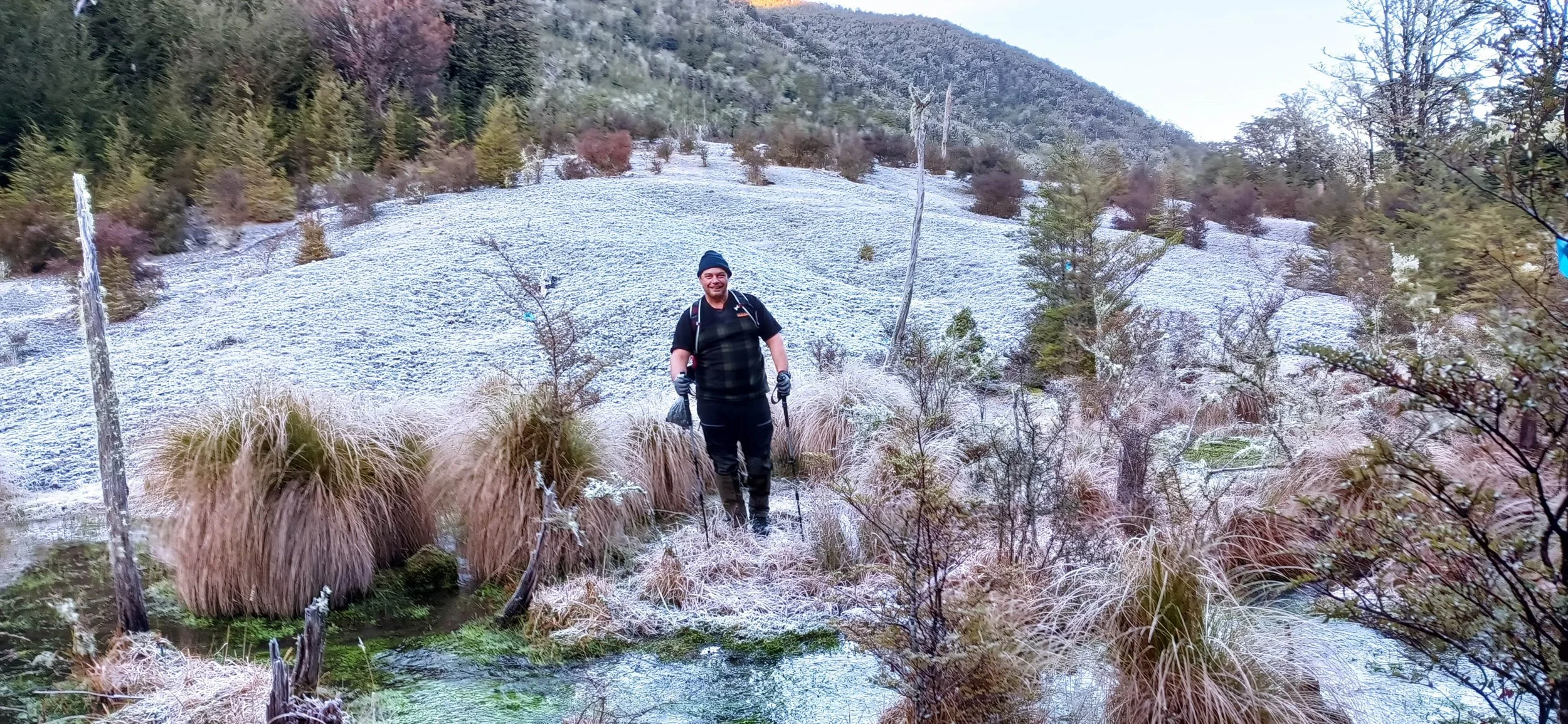
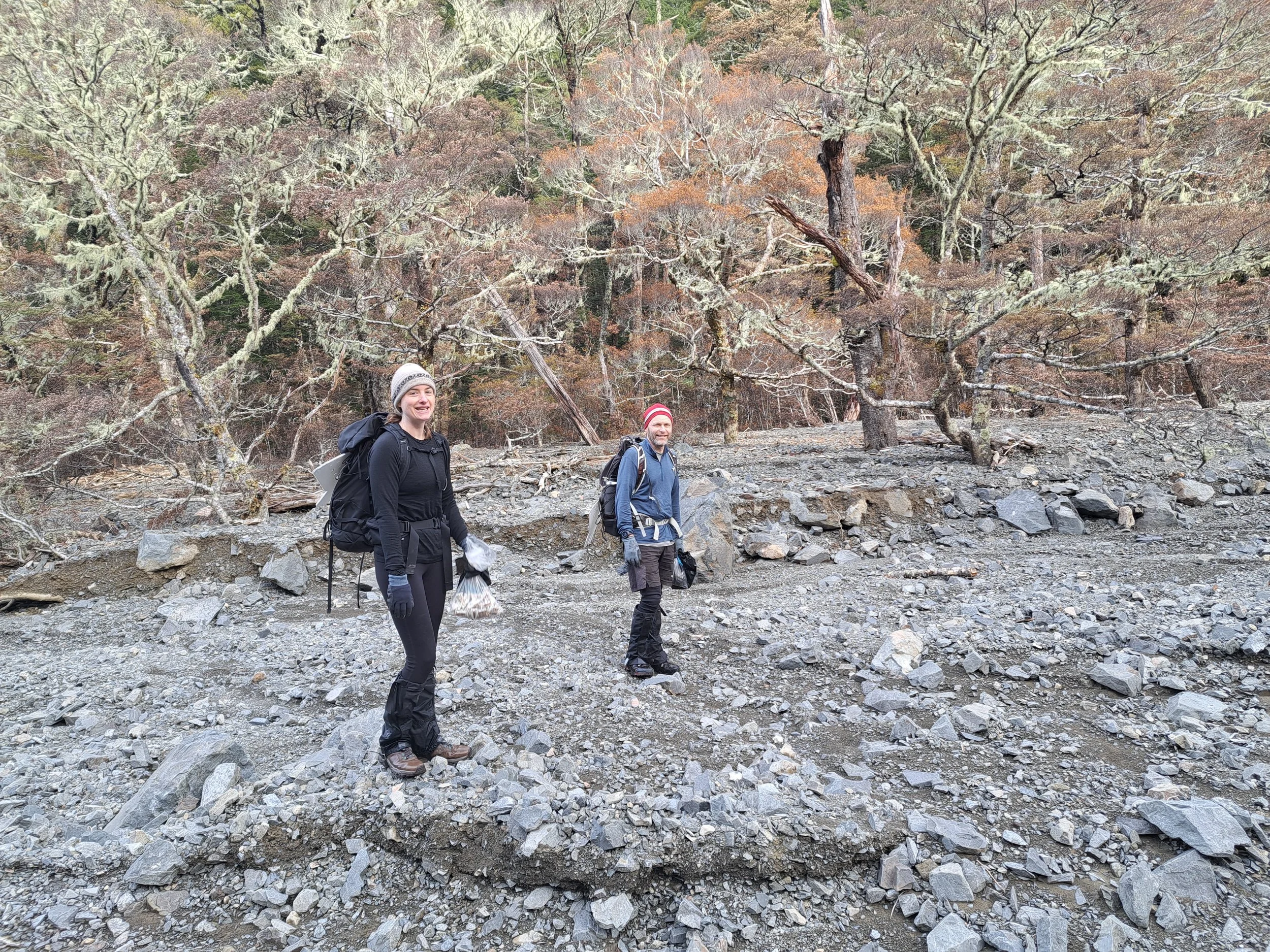
Predator control and wasp management is still been carried out in the valley but NZCT to date. Monthly trips are planned to head into the valley for an over night trip, helping to clear the trapline and maintain both the hut and the track.
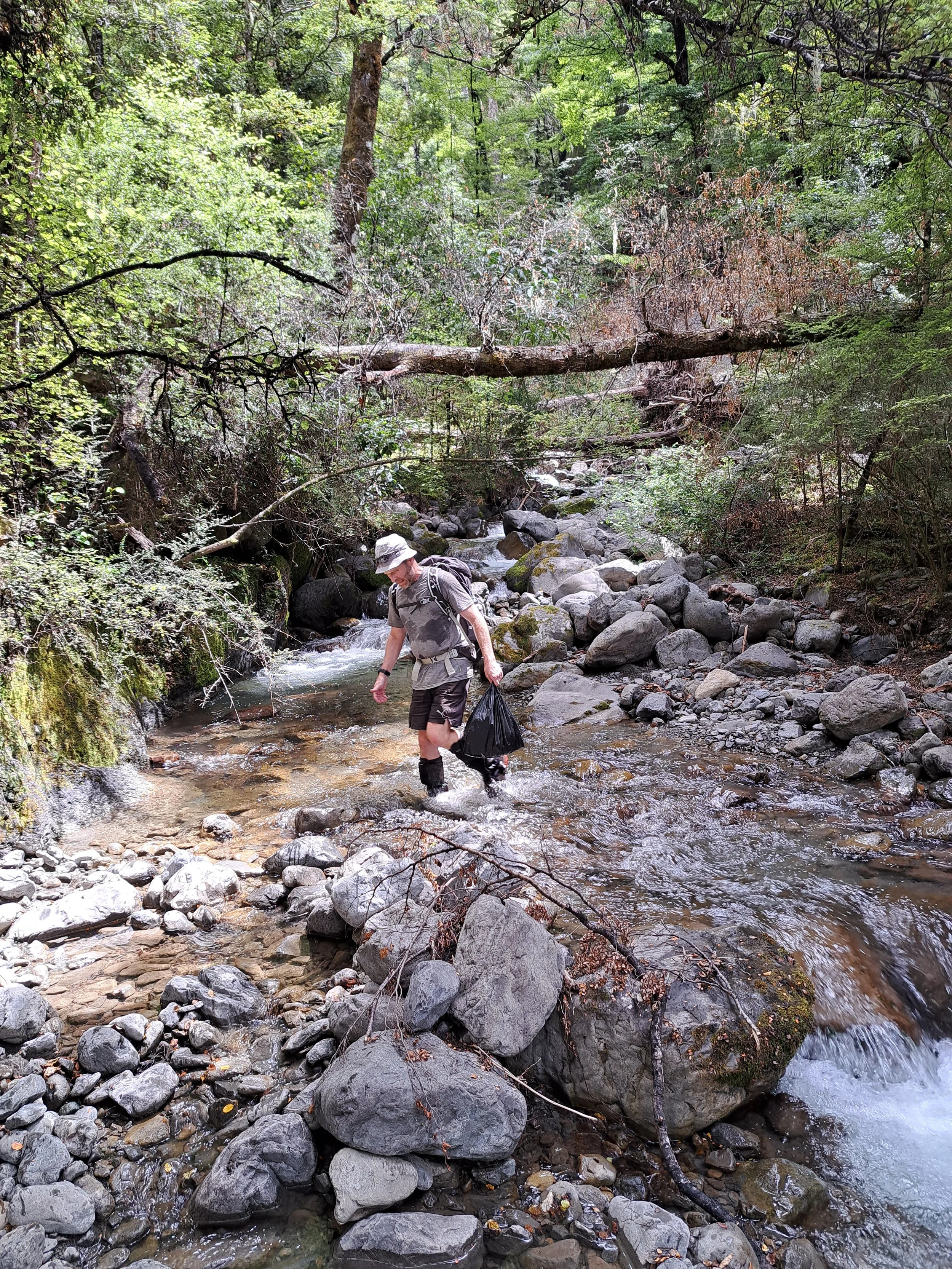
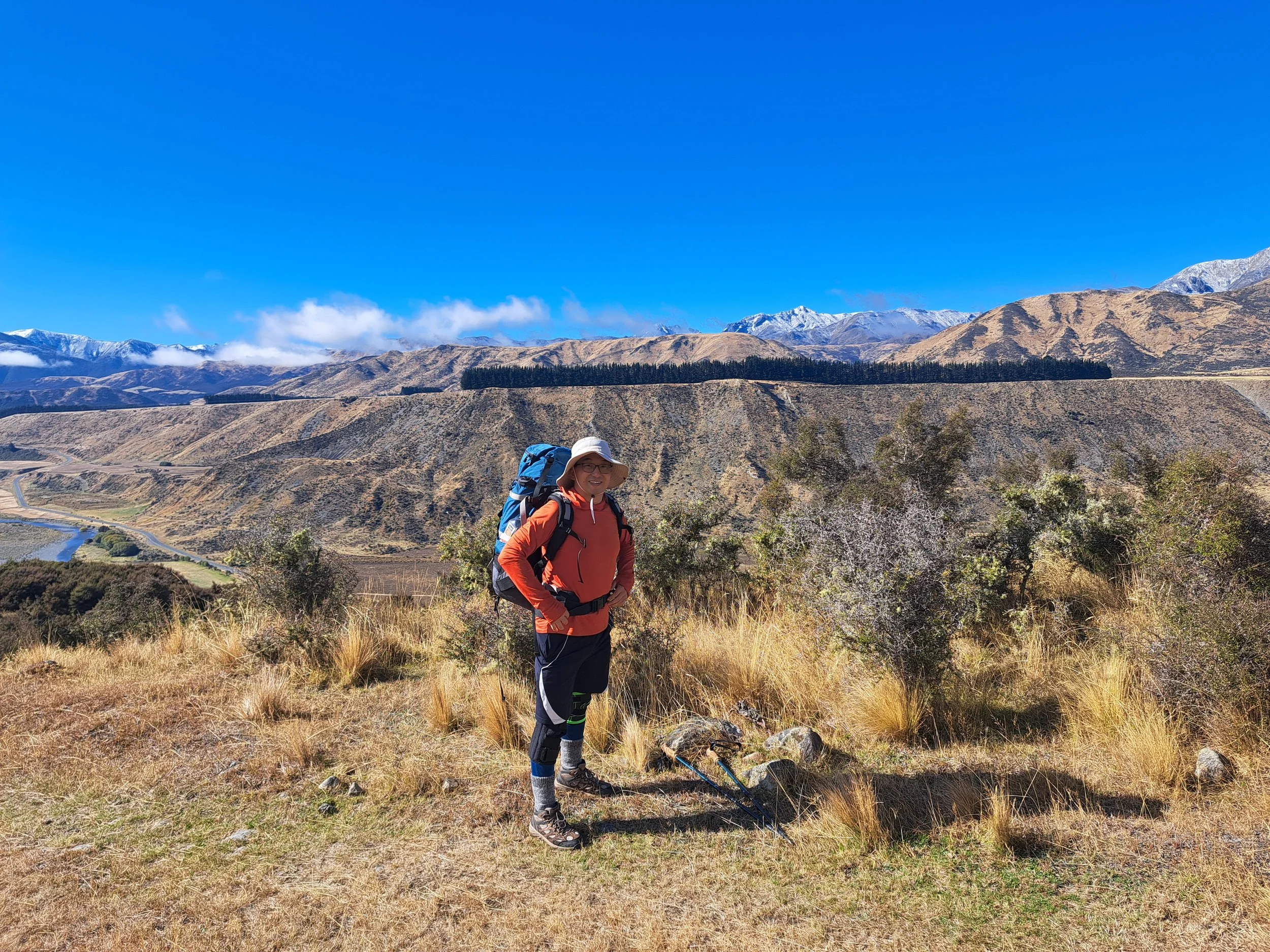
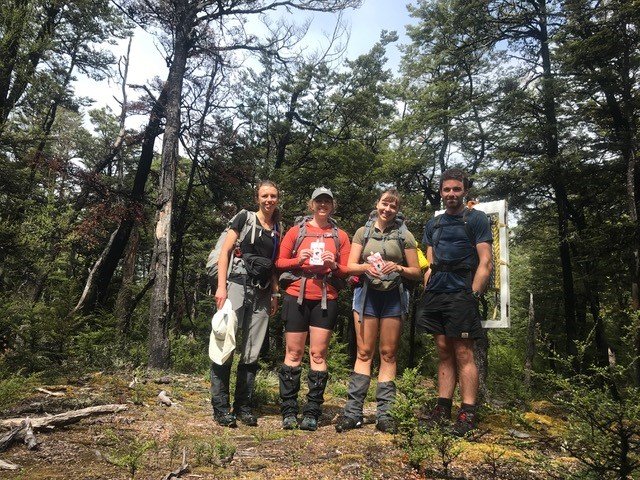
The biggest challenge we face with this project is ongoing volunteers who are comfortable an capable heading in to the back country. We are always looking for more people to join and help us out. You do not need to attend every month, but commiting to just one month a year goes a long way to supporting this project.
If you are keen to find out more or come along to one of our trips, we would love to hear from you. Make sure you read the “new/prospective” trappers guide towards the top of the page to find out what a typical weekend away looks like.
Thank you to all our volunteers for all of there support.