Our History
In 1980, a group interested in preservation and displaying animals and plants of particular significance to New Zealand was founded under the banner of the Willowbank Wildlife Trust.
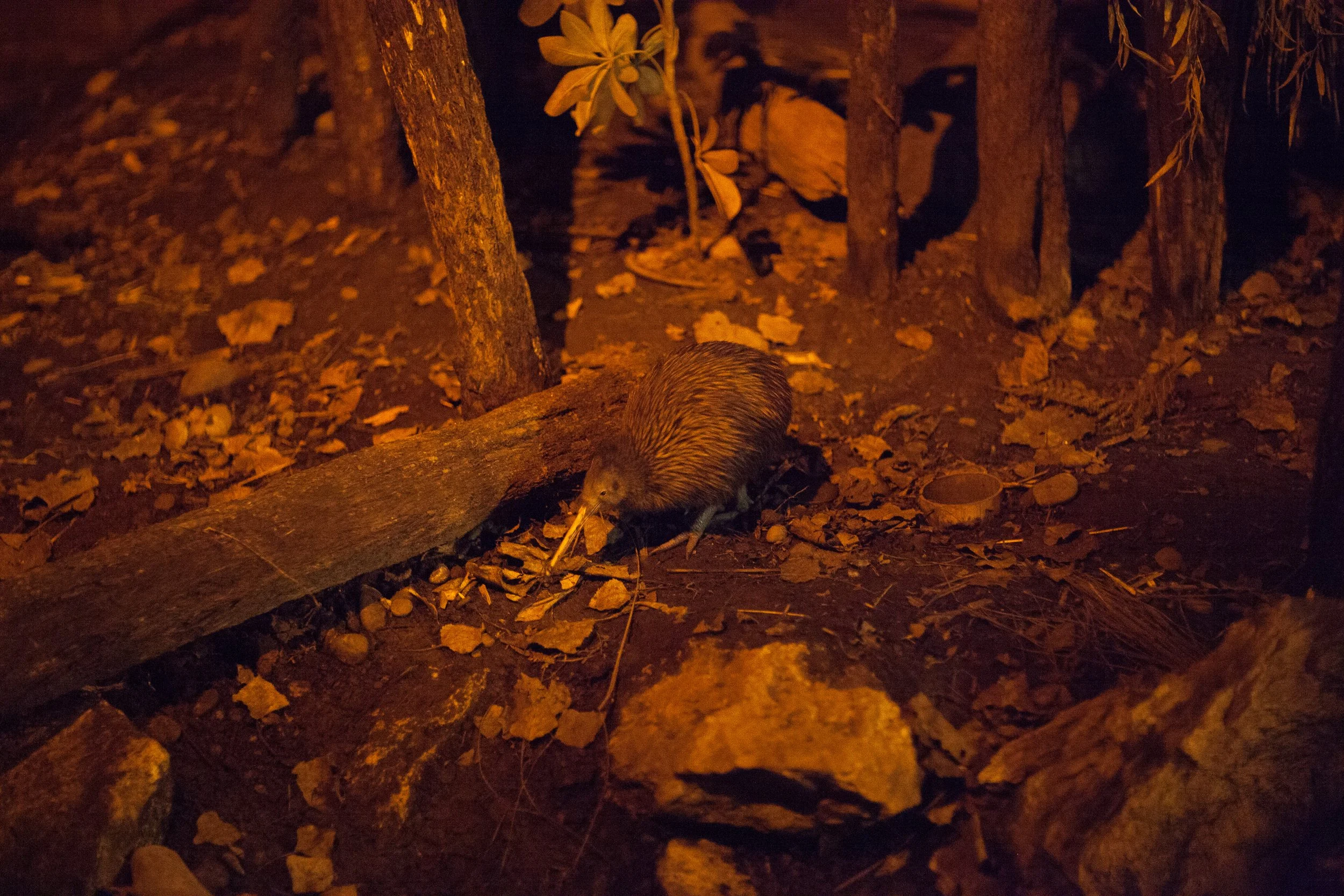
Over the next few years WWT - Willowbank Wildlife Trust worked alongside the Willowbank Wildlife Reserve team to help develop and construct many structures around Willowbank, as well as funding and constructing the Kiwi Breeding Centre and the Kiwi house which is now affectionately known as the Kiwi Nocturnal House.
In 1991 the Trust had a change of name and the deed was amended - this is when the Trust formally known as the ‘Willowbank Wildlife Trust’ officially became the ‘New Zealand Conservation Trust (NZCT)’ in 1994. Over the years NZCT has been involved in many fantastic project both alongside Willowbank Wildlife Reserve and outside of the reserve as well.
Follow the time line below to see just some of the notable work that has been carry out by the New Zealand Conservation Trust:
1990 - 1999
-
Name changed from Willowbank Wildlife Trust to New Zealand Conservation Trust
-
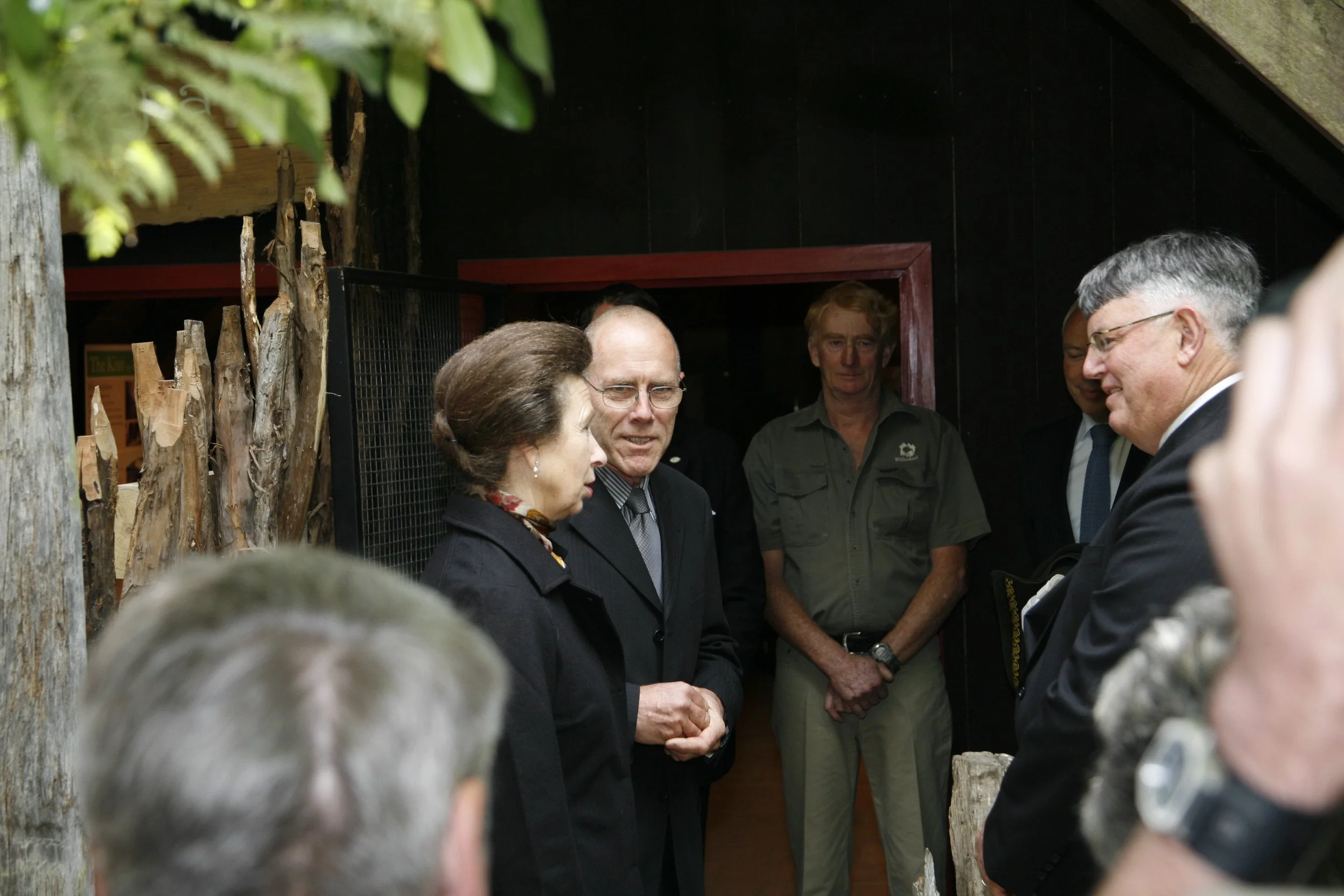
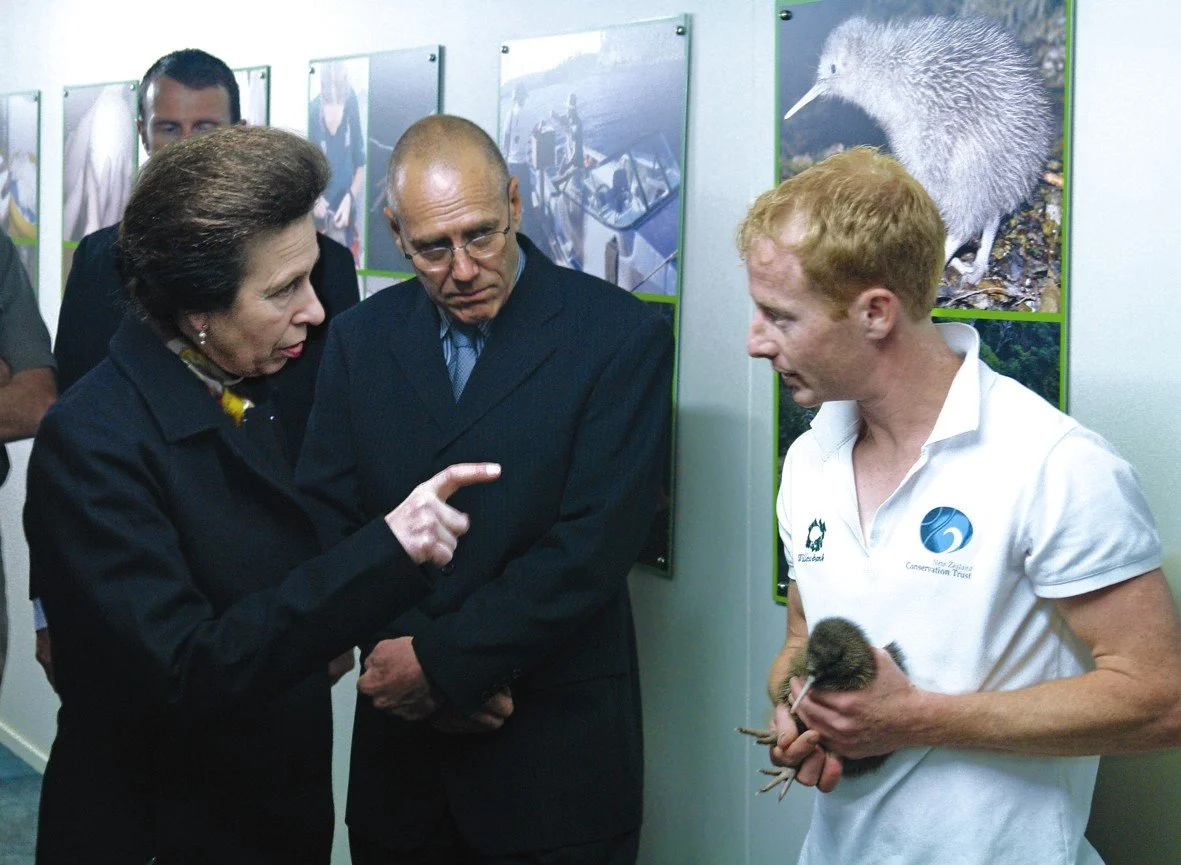
HRH Princess Anne visited the New Zealand Conservation Trust and Willowbank to open the Kiwi House - now named the Nocturnal House.
-
Planning and fundraising began to put in a new Kiwi Breeding Centre and pre-release pens started
-
NZCT started the construction of the new Kiwi breeding center.
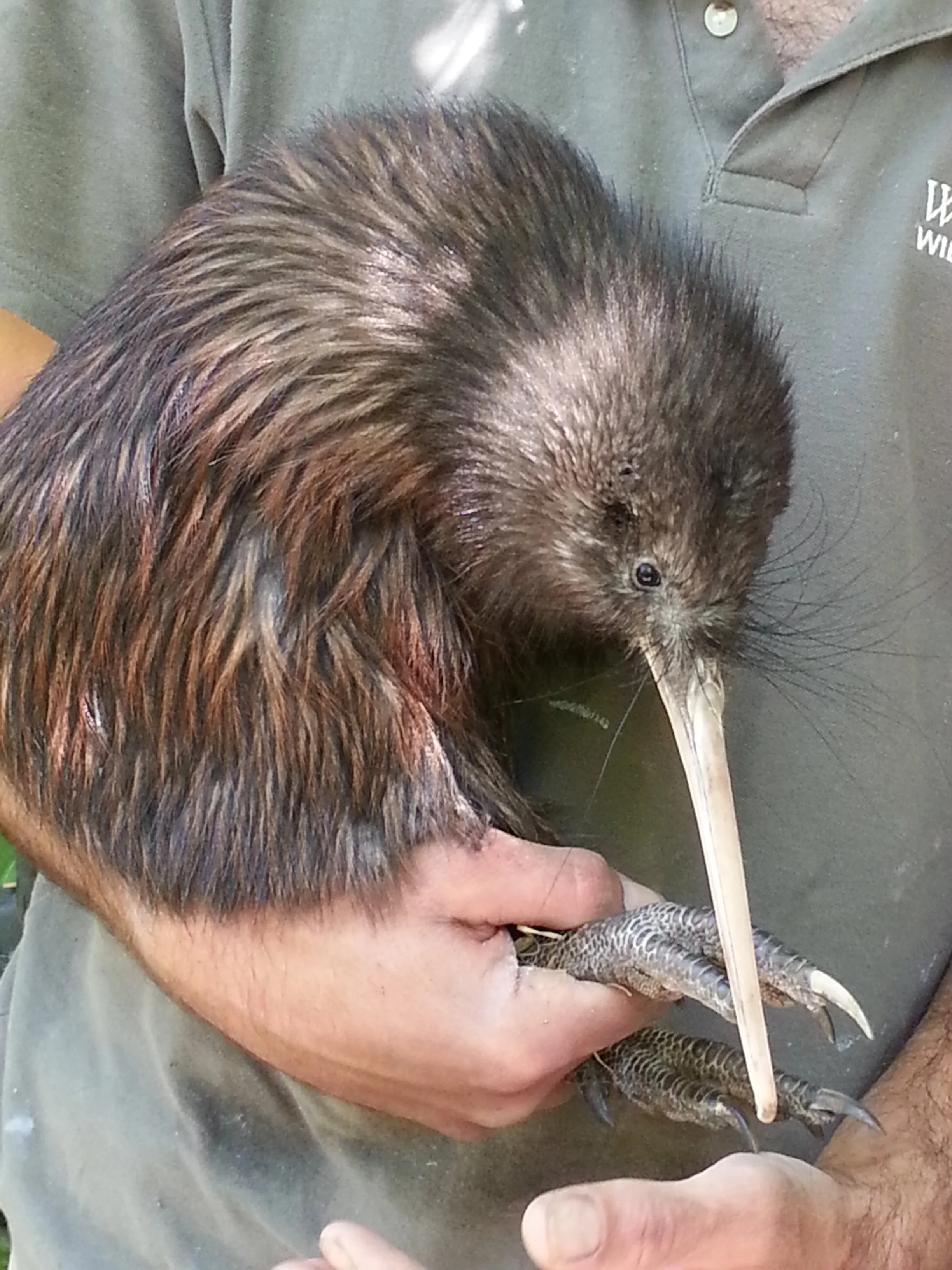
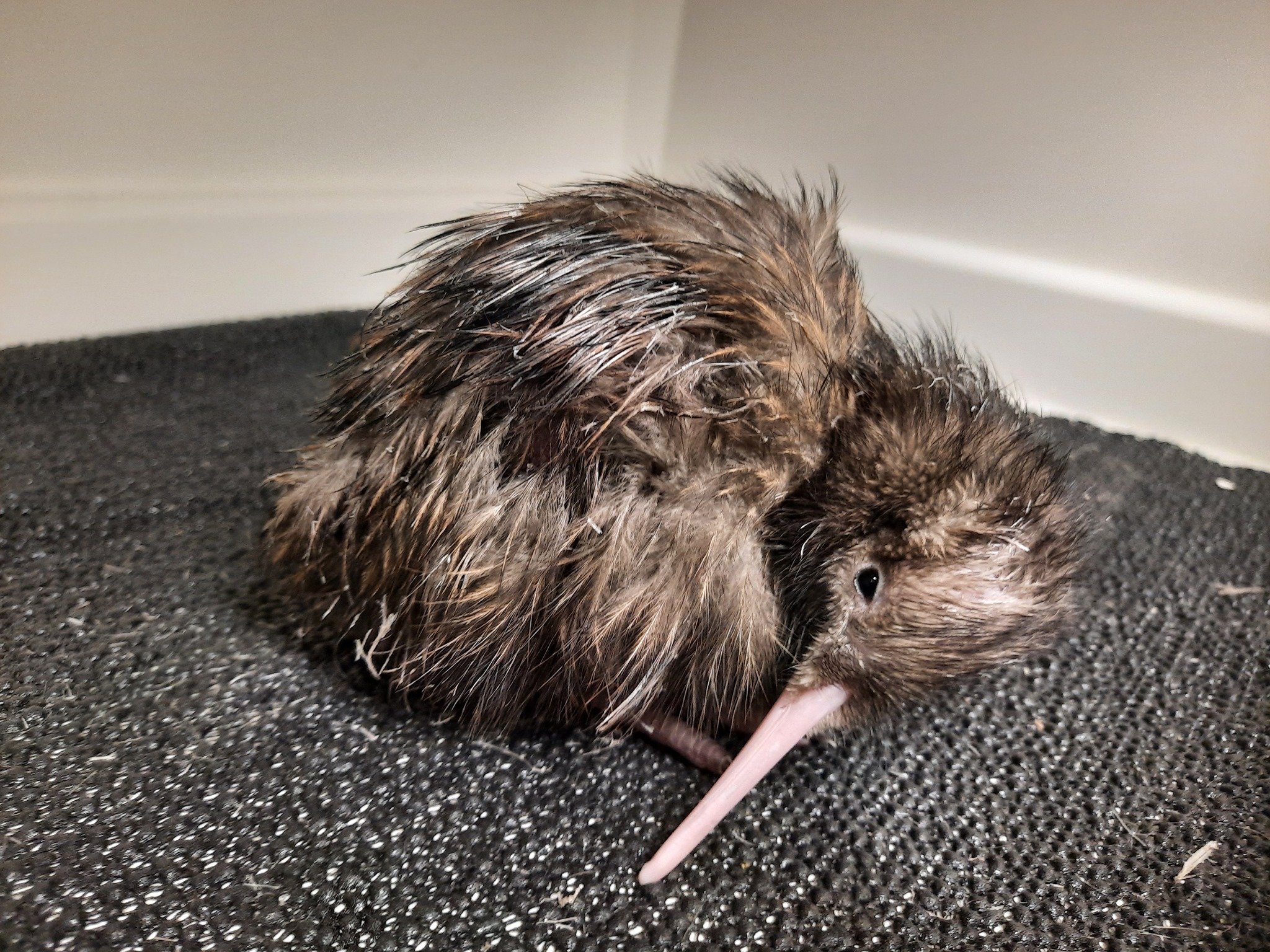
The first official North Island Brown Kiwi hatched.
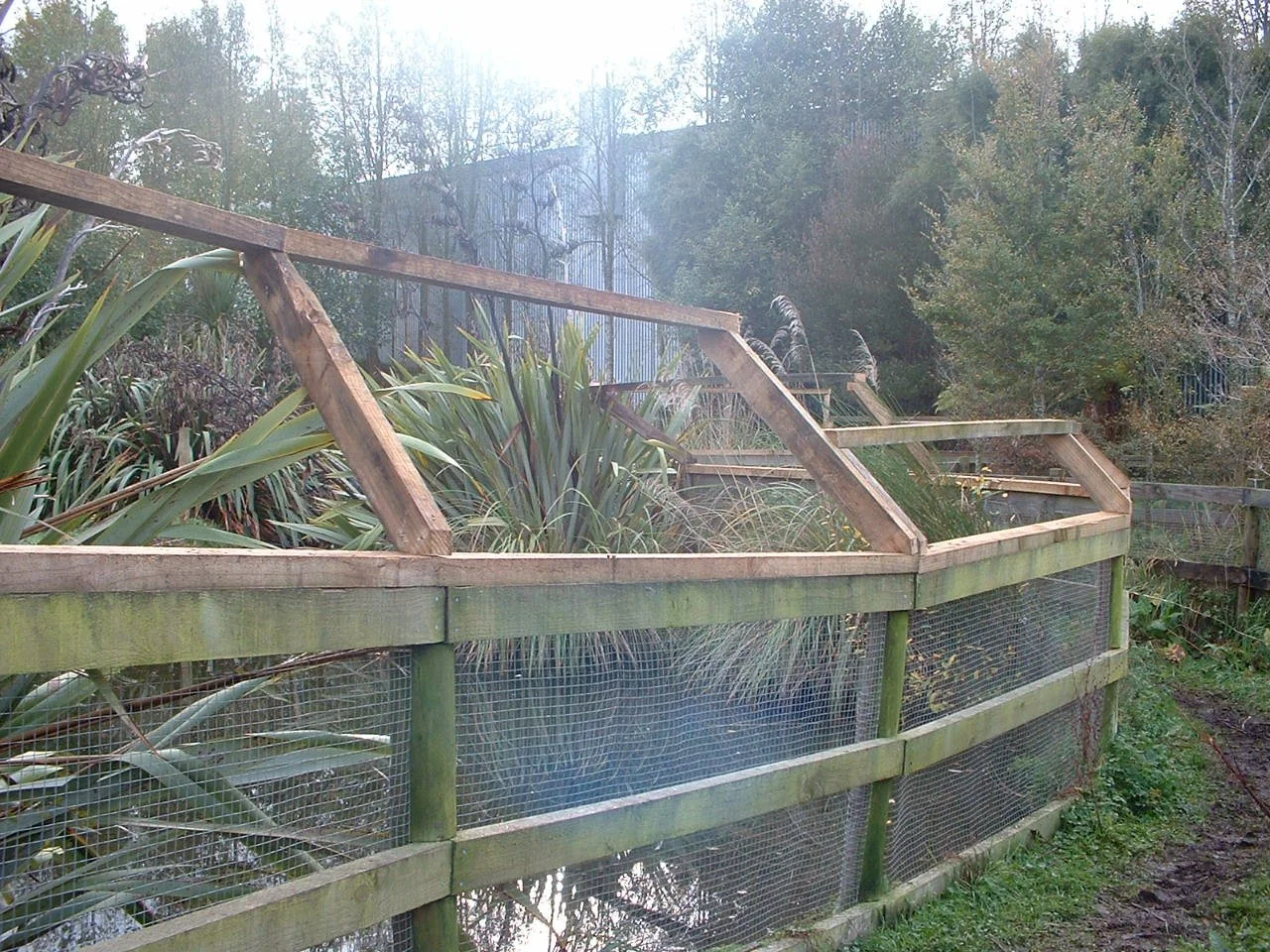
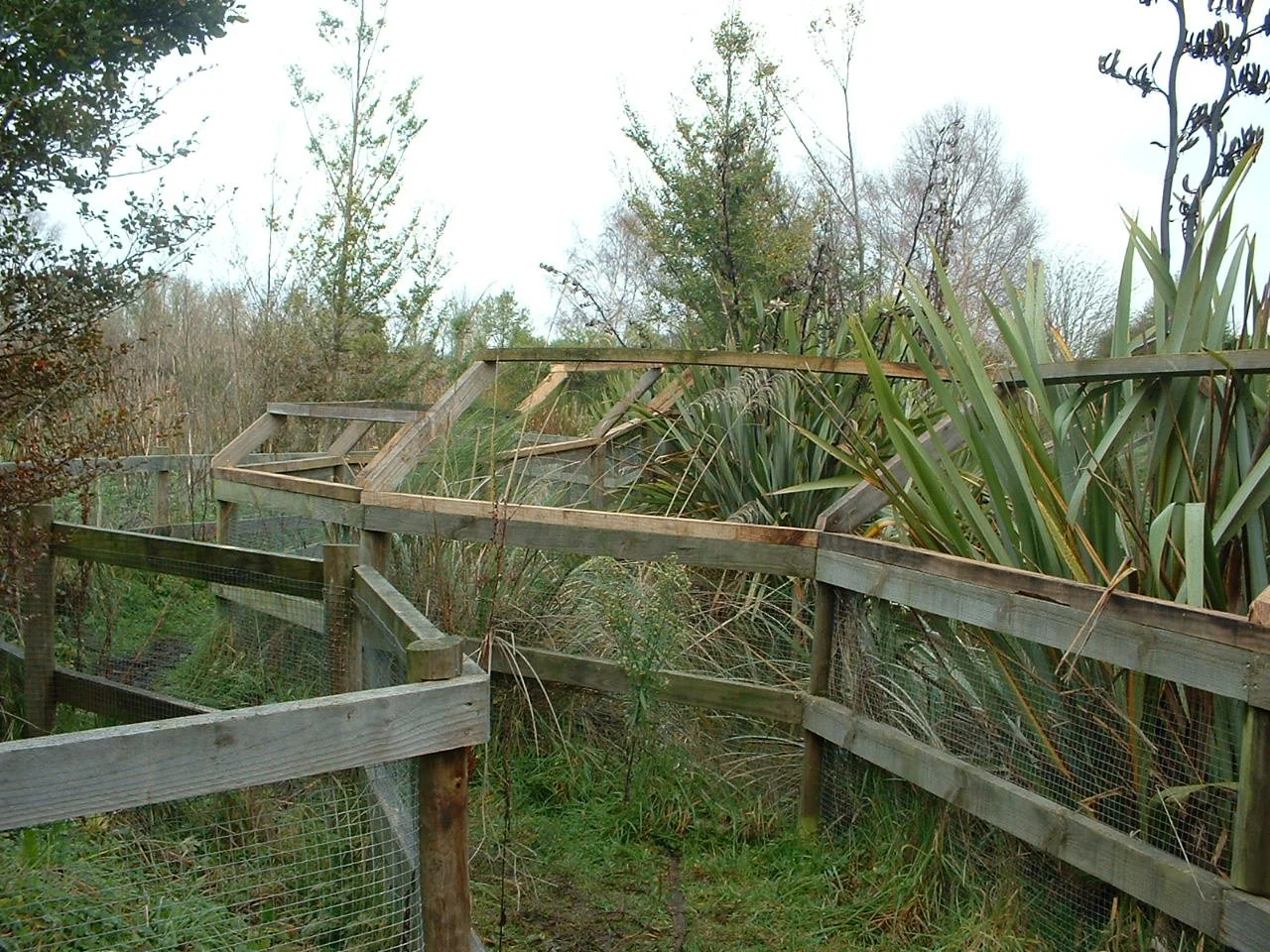
Predator Free fencing of the new Kiwi Breeding area at Willowbank was now completed by the NZCT Construction team.
Planting with in the newly fenced area was started by NZCT’s botanical team.
-
Kiwi Breeding facility was finished.
HRH Princess Anne officially became the Patron for the New Zealand Conservation Trust.
The NZCT Construction Group extended the cattle pens and helped to re-develop the llama and donkey pens at the Willowbank park.
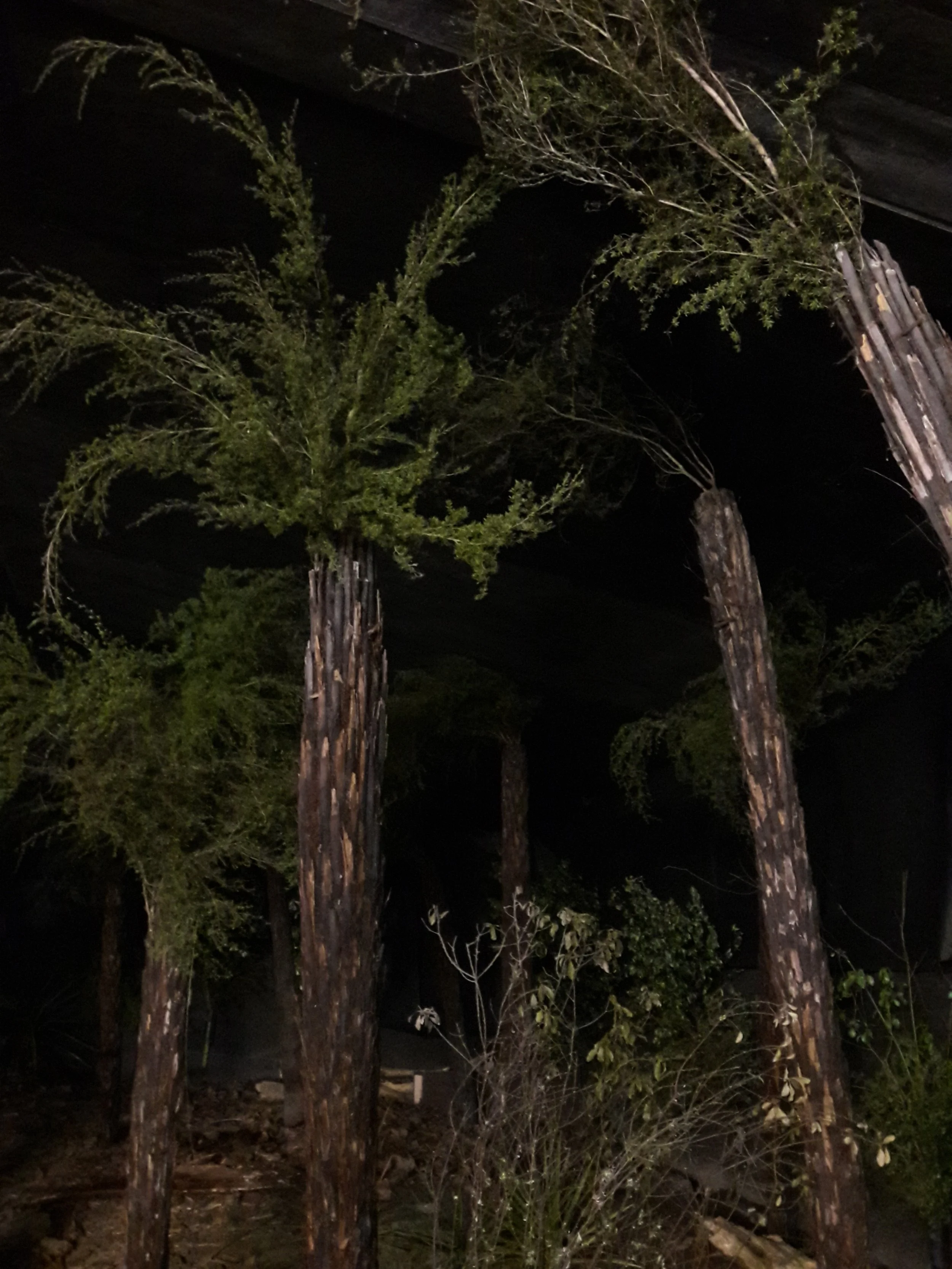
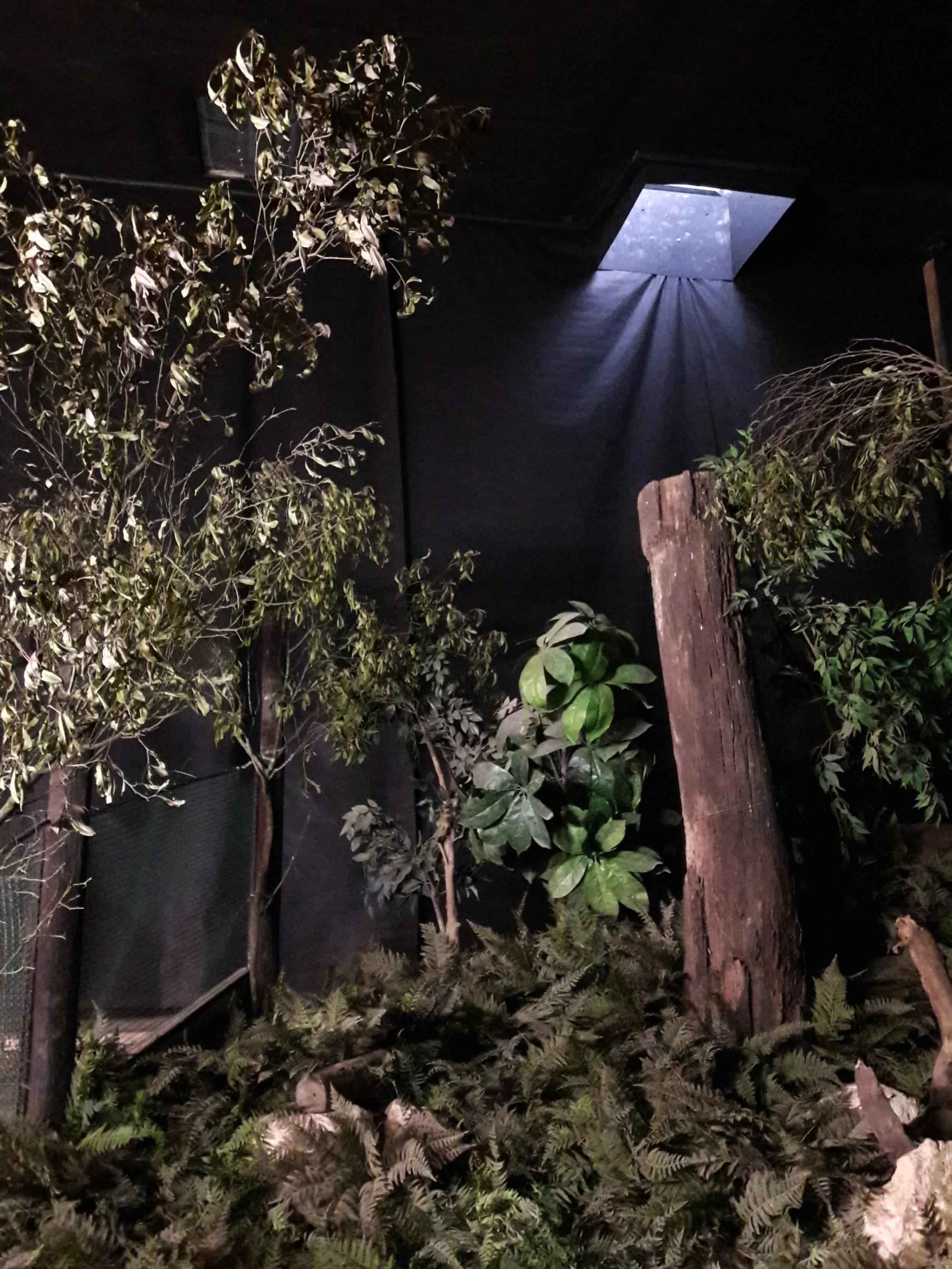
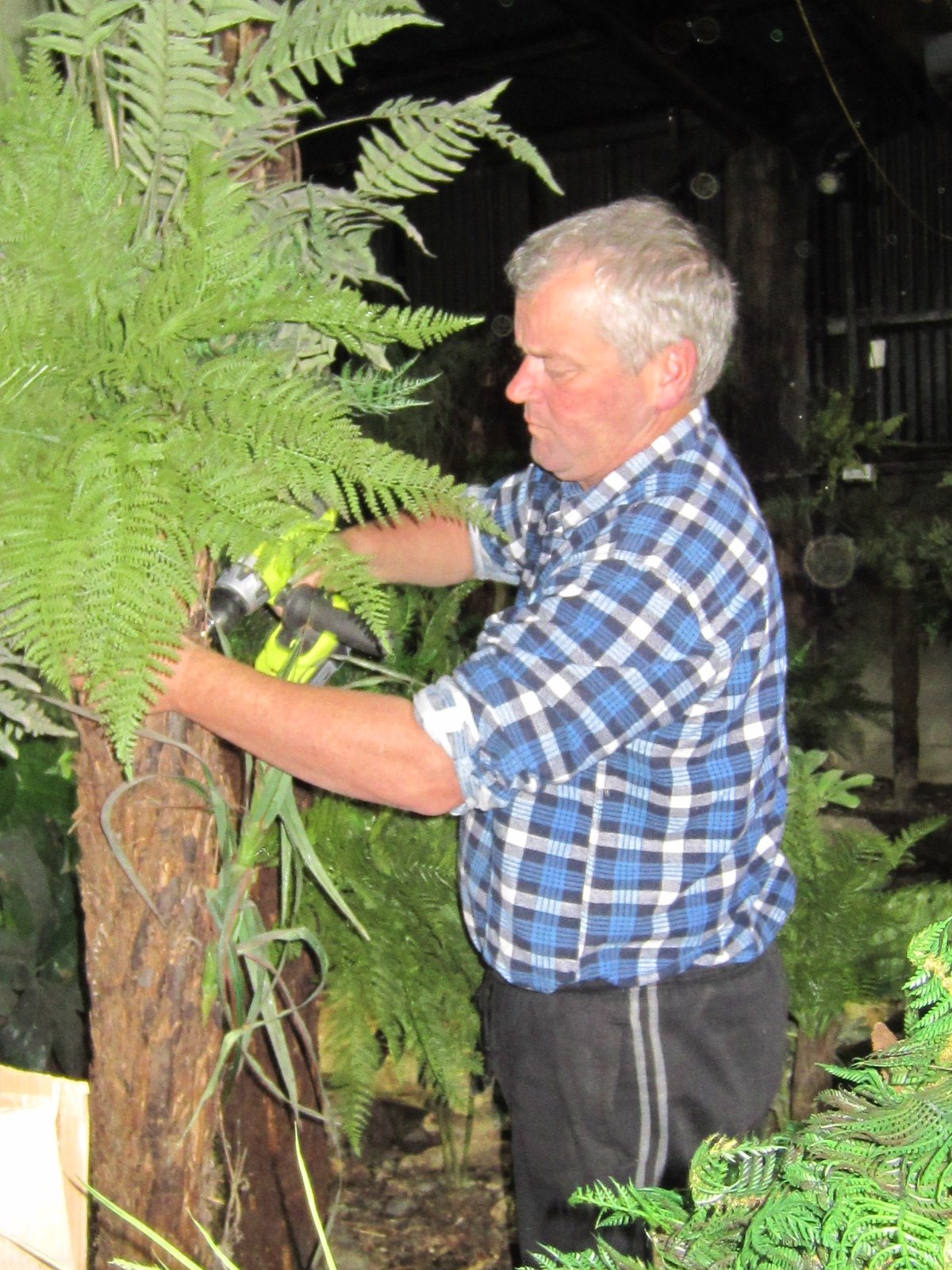
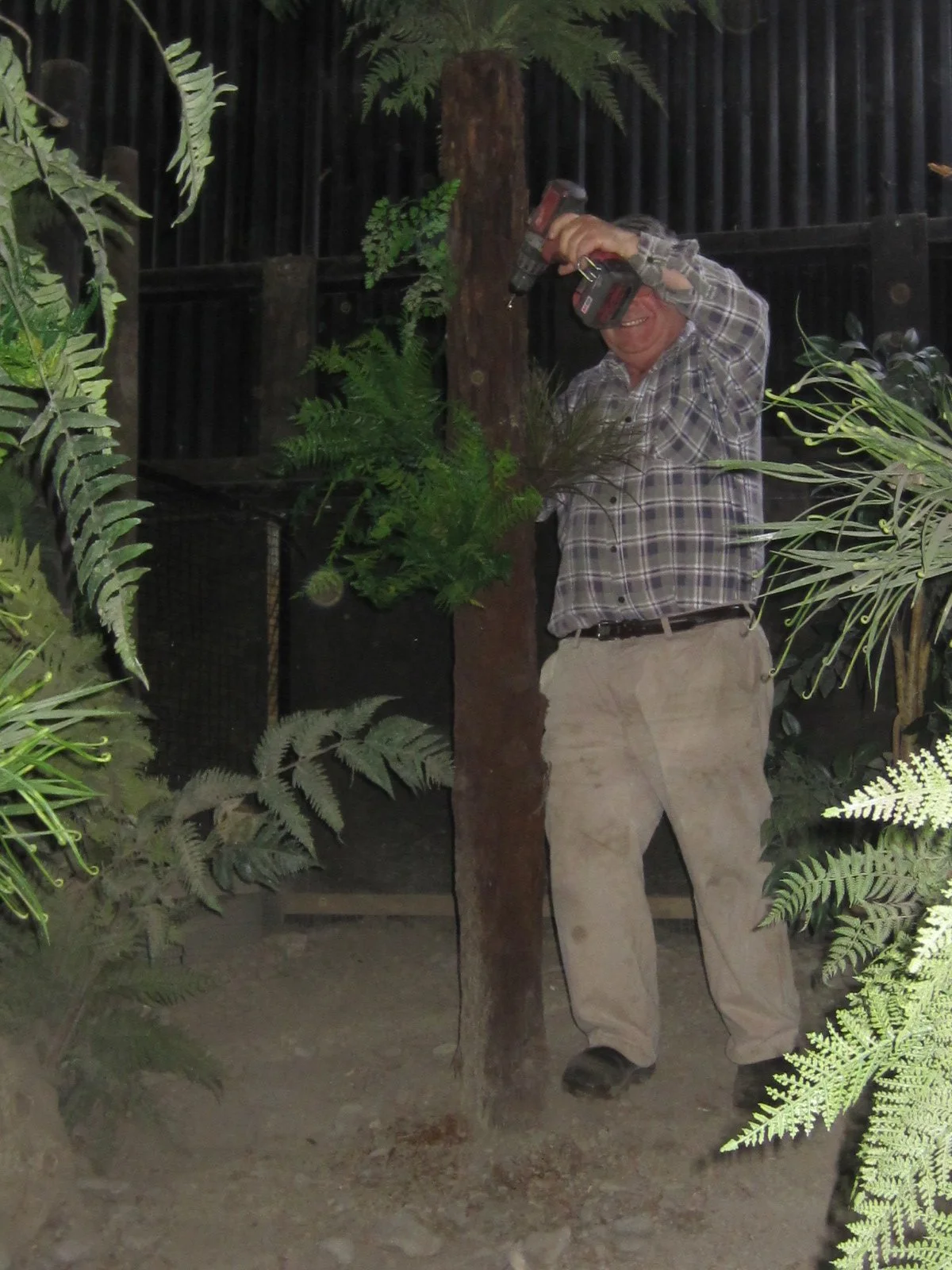
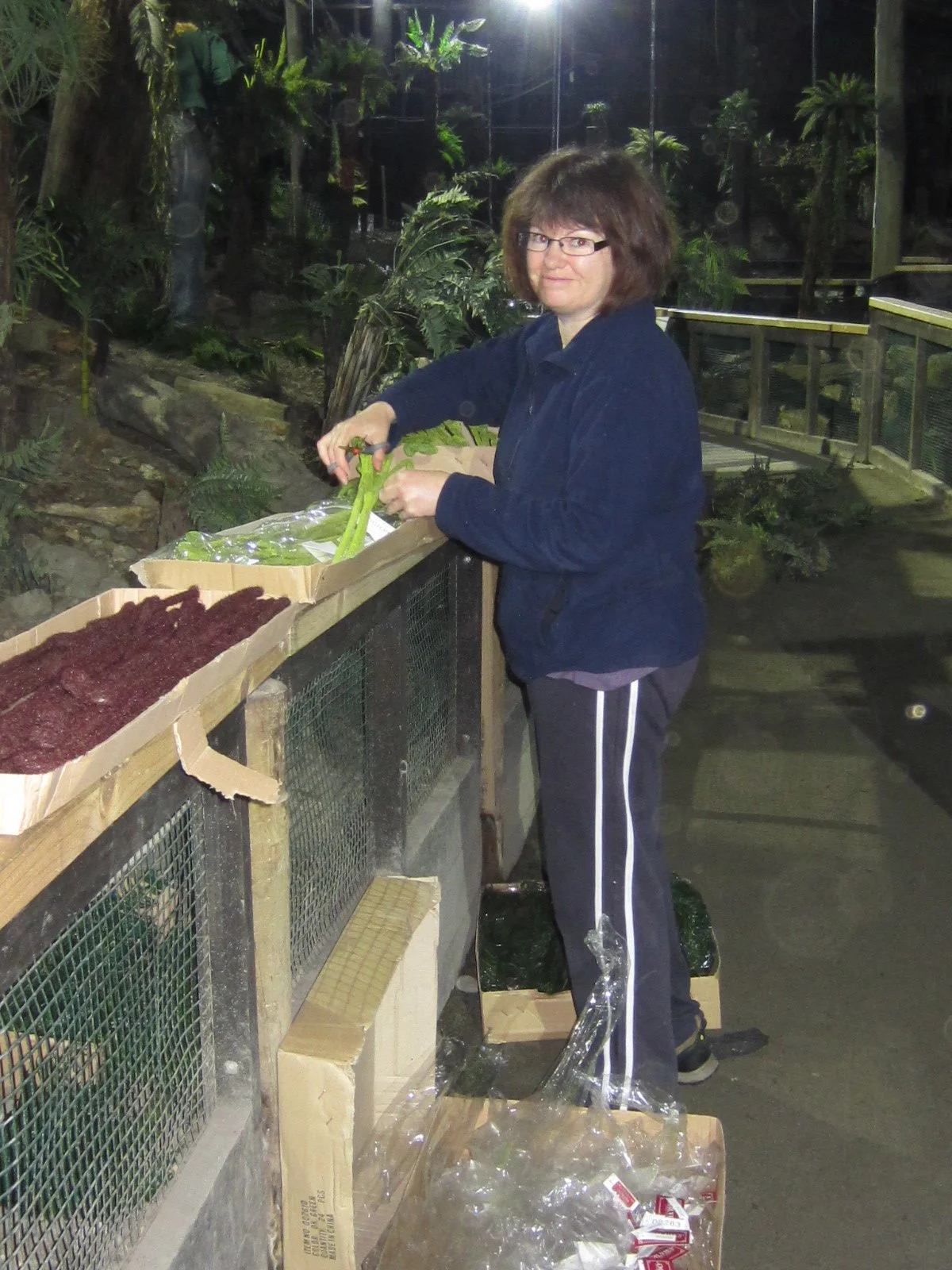
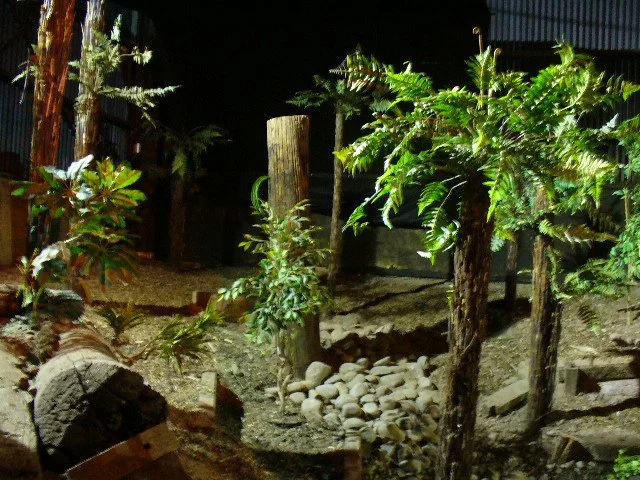
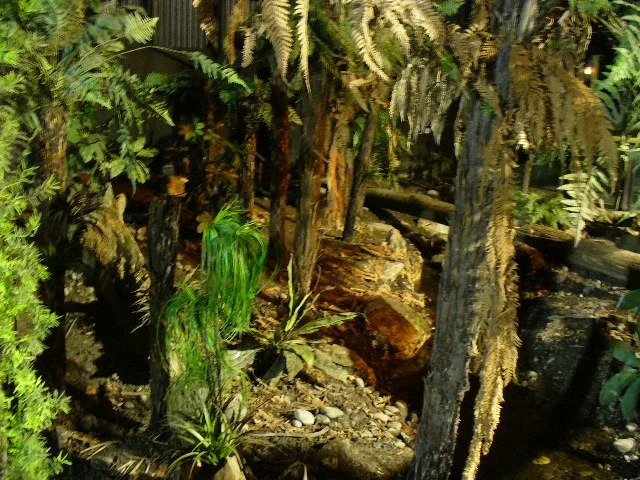
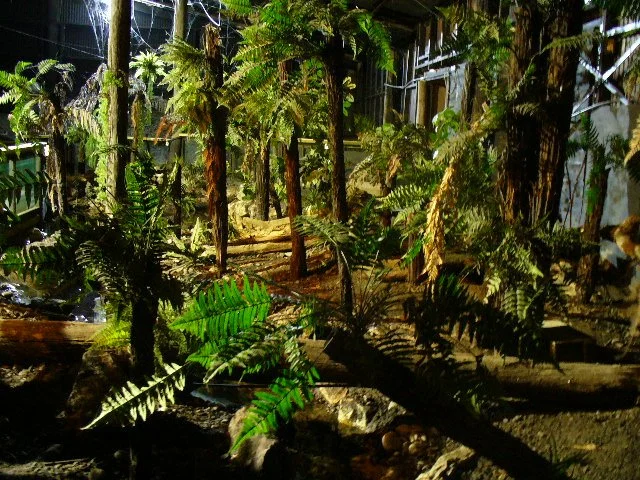
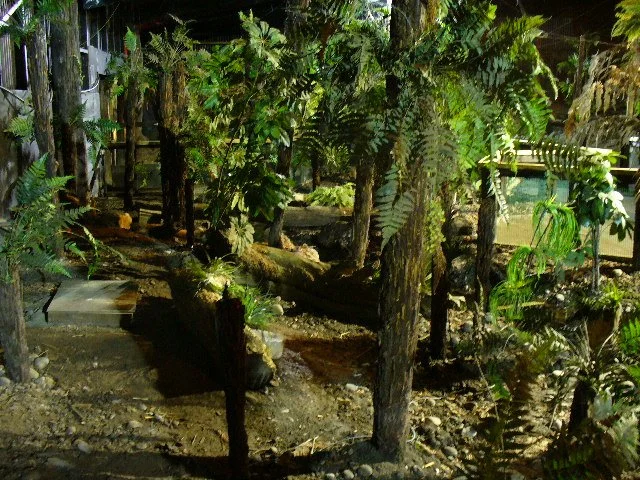
The NZCT Botanical Committee continues to plant within the Nocturnal house.
-
New Zealand Conservation Trust officially employed their first full time manager.
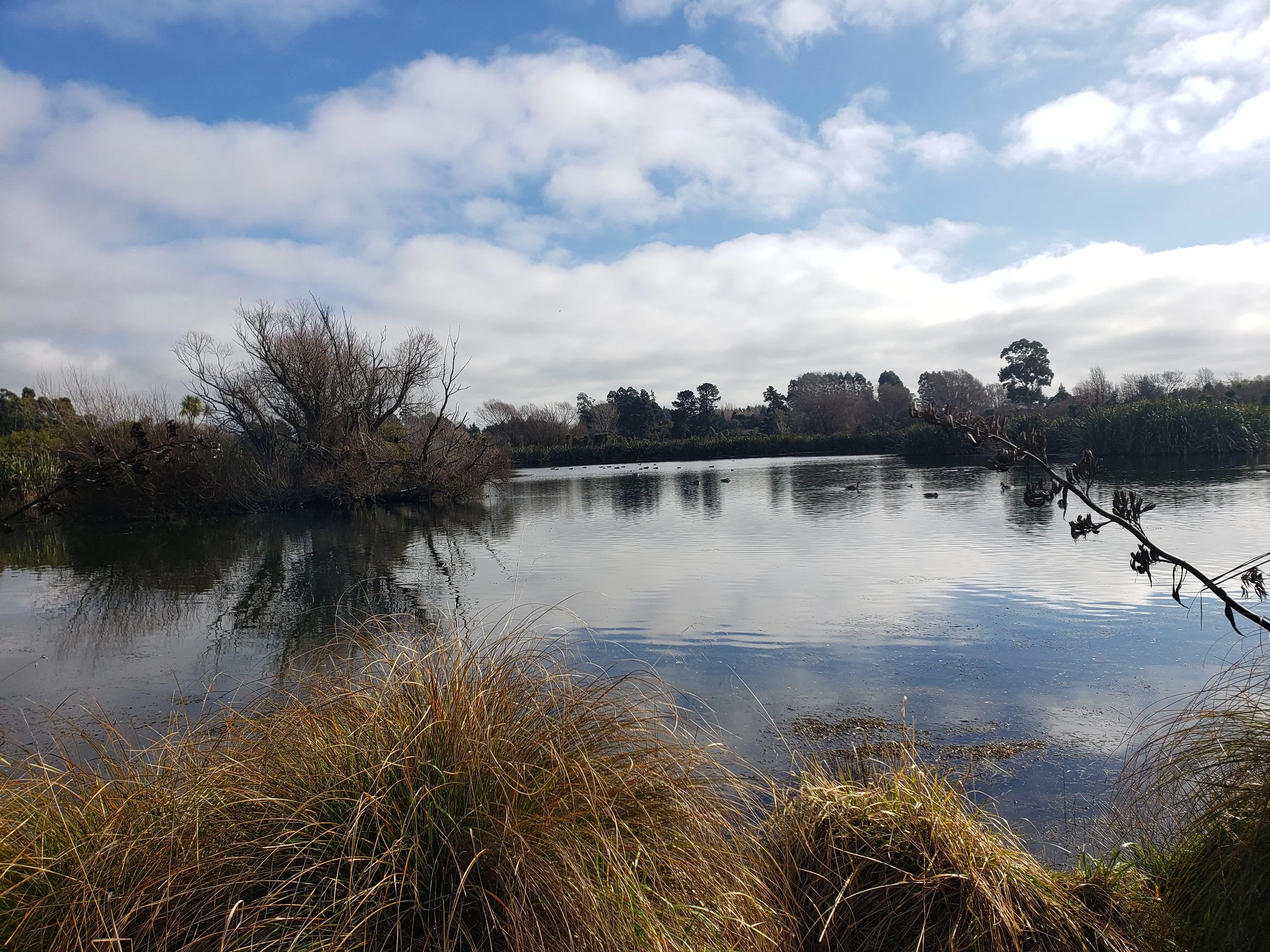
NZCT started their first project outside of the Willowbank Park, alongside Christchurch City Council park and the Reserve Rangers. The Trust took on one of the islands at Styx Mill Reserve main lakes. With the aim to attract more wetland and forest birds, as well as other species, by recreating an environment of genetically sourced native trees, shrubs and plants that are representative of what may have been present in the area, prior to it being converted to farmland.
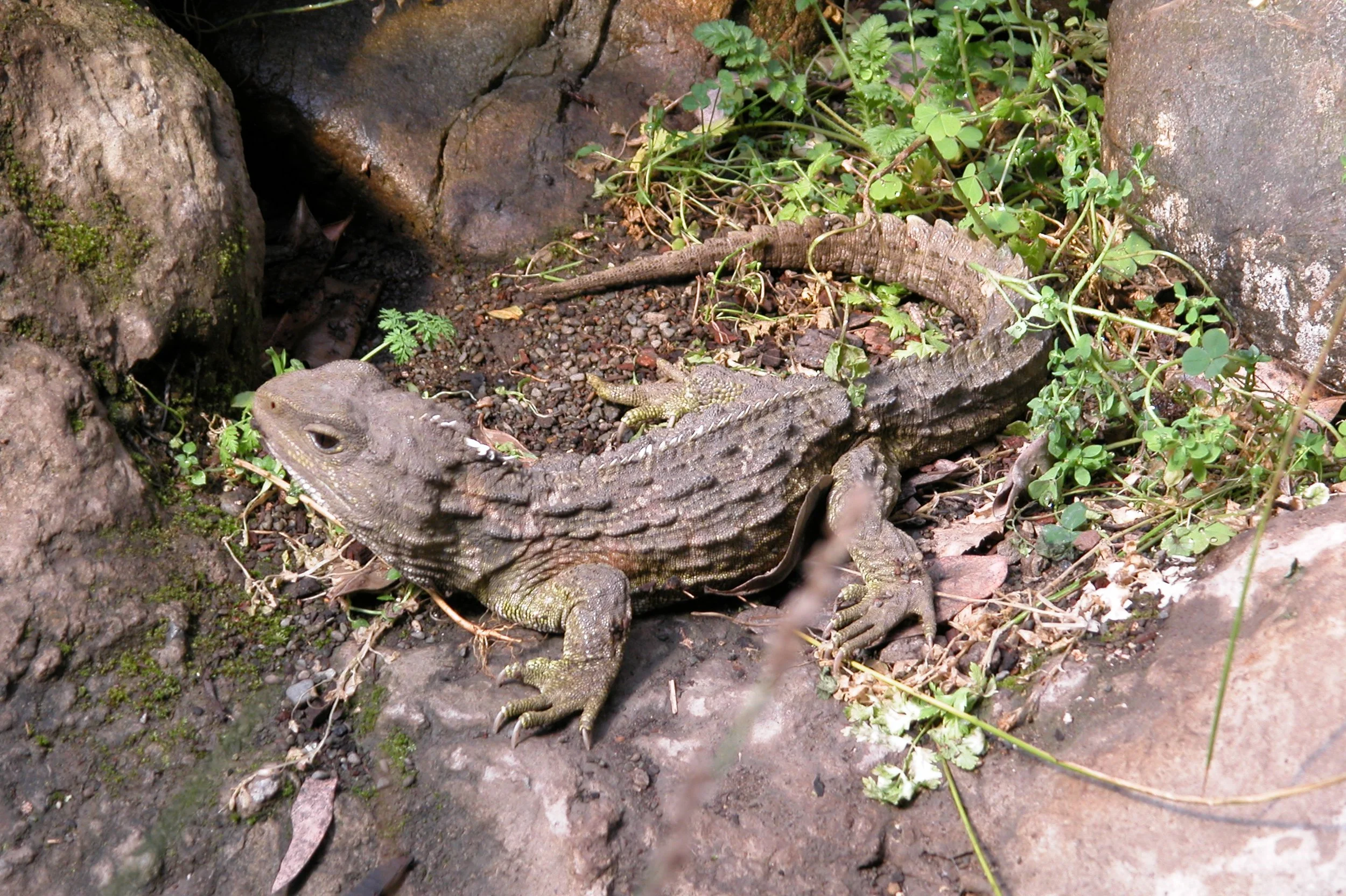
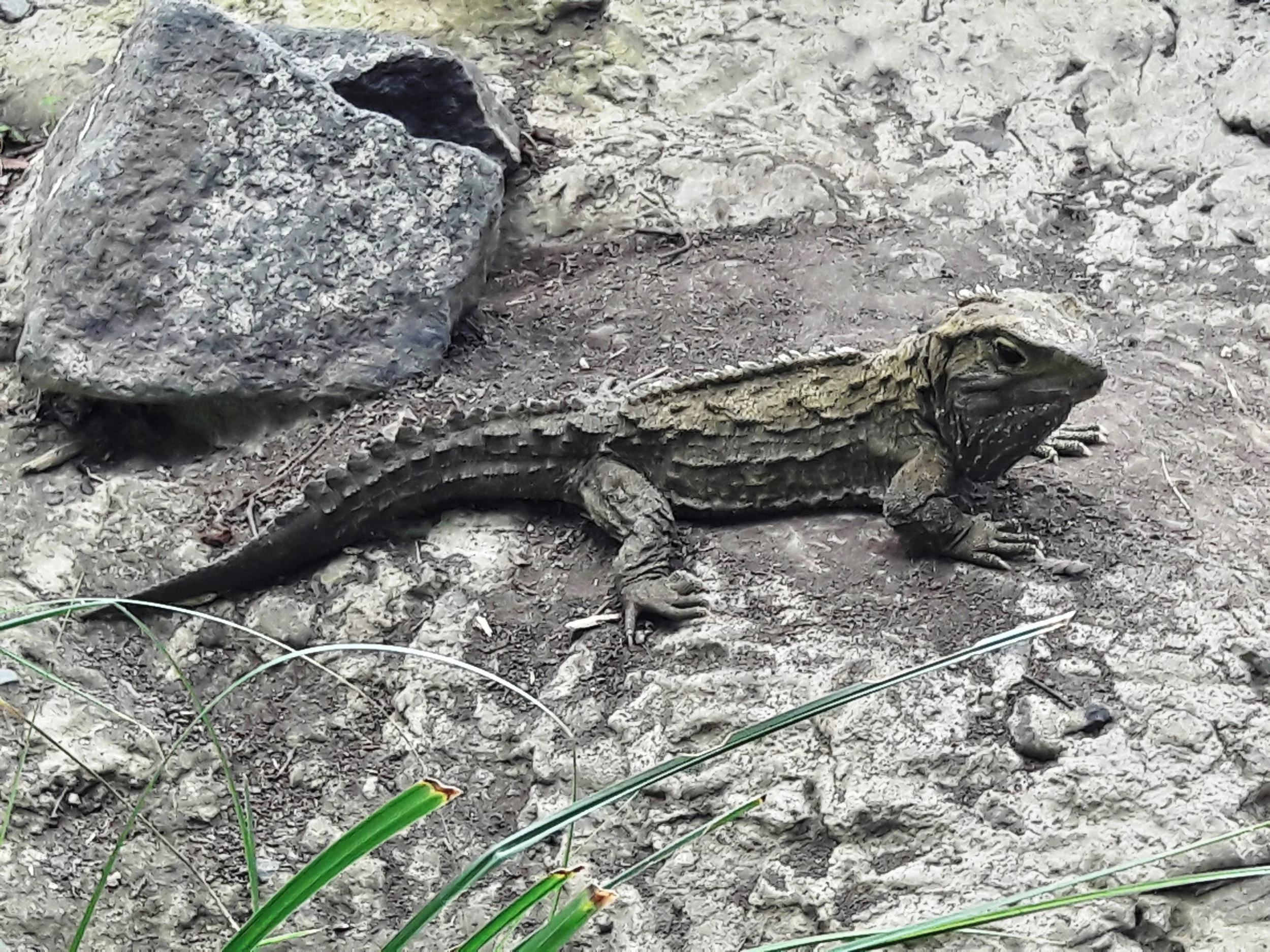
The NZCT also started building the Tuatara display and breeding facilities at Willowbank.
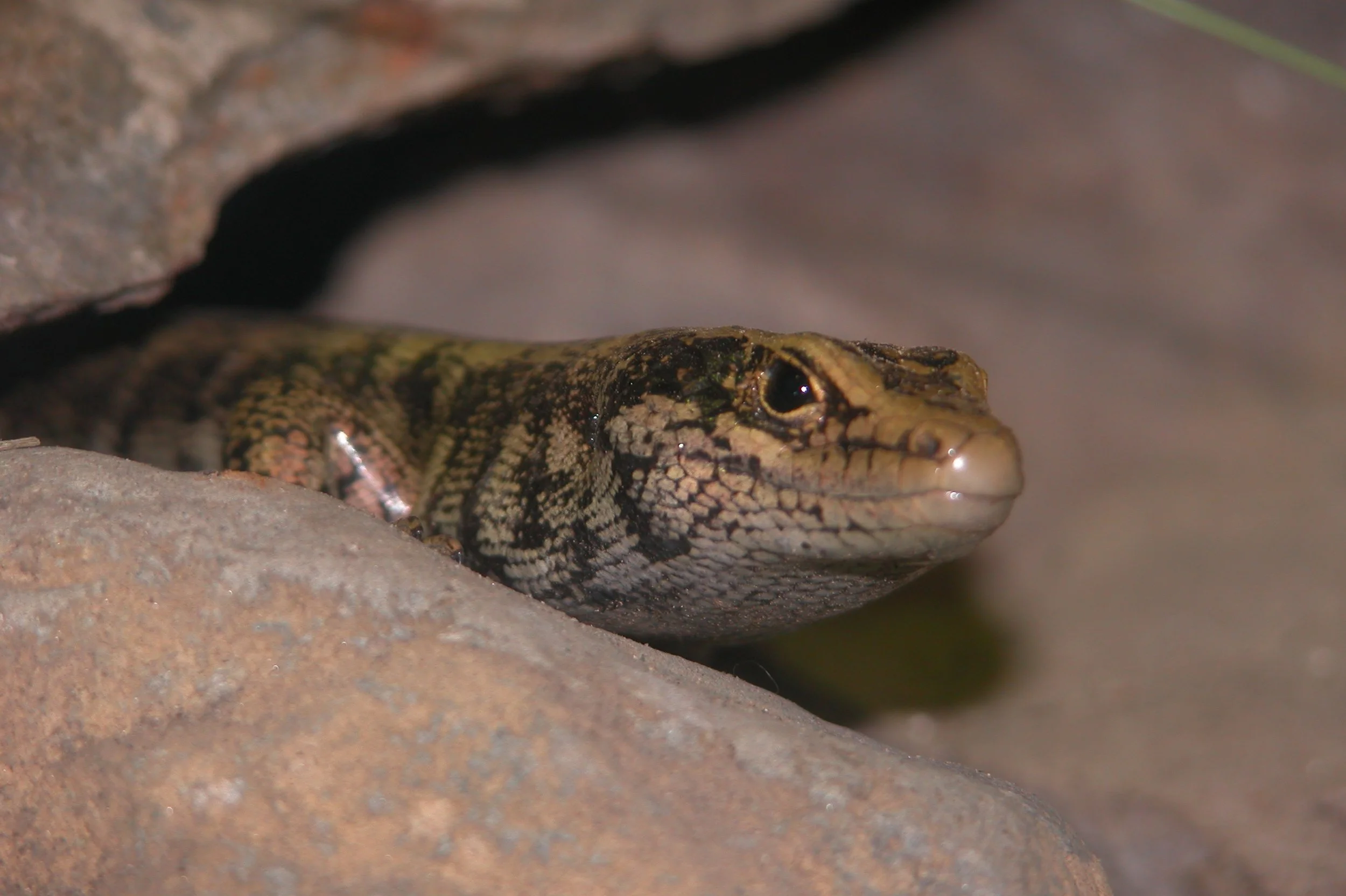
Thanks to a Lotteries grant the Trust was also able to start a new Lizard display at Willowbank as well.

2000 - 2009
-
The New Zealand Conservation Trust started work on the Kiwi pre-release pens as part of the Kiwi Breeding progamme.
The NZCT also continued the work on Tuatara display as breading permits for the tuatara had been granted by DOC.
The Kiwi Recovery Group and DOC recognised NZCT and Willowbank as the most successful and productive North Island Brown kiwi breeders in the country. Next steps for hopefully been able to release North Island Brown to the wild stared - this had always been a long-term goal of the Trust with special thanks given to the Willowbank staff for a wonderful job.
A Styx Mill Conservation working bee was carried out, an access track was developed and a temporary boardwalk installed. A large planting area was also cleared for planting to start in August.
-
The Trust was given two tickets to attend HRH Princess Annes 50th as she is the Trust patron. representatives of the Trust and Kirsty and Dale from Willowbank attended the event at Windsor Castle.
The Tuatara display was finalised by the NZCT construction team. This was opened by Lady Diana Isaac.
The NZCT Construction team completed the display area for the rare Campbell Island Teal at Willowbank.
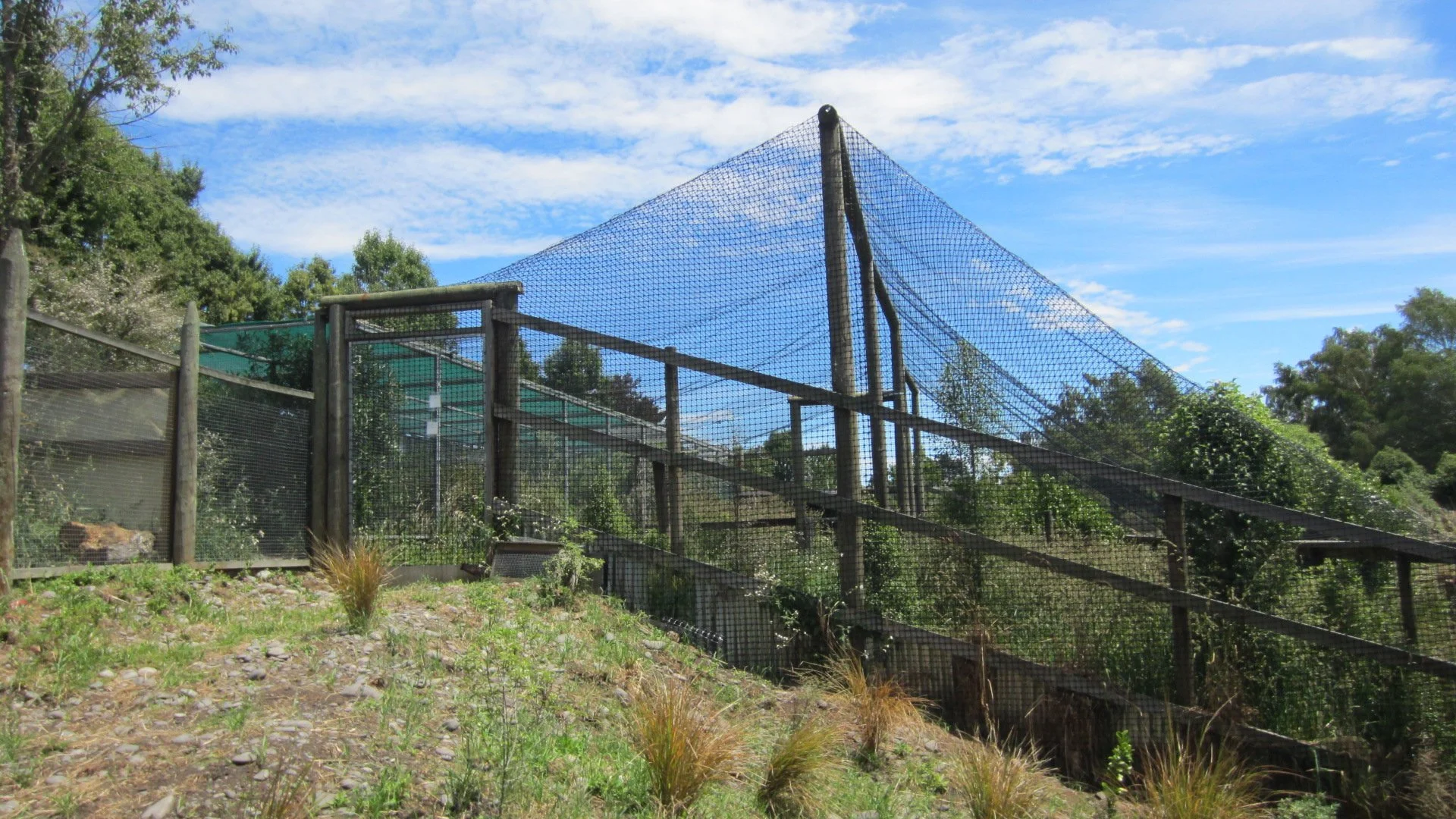
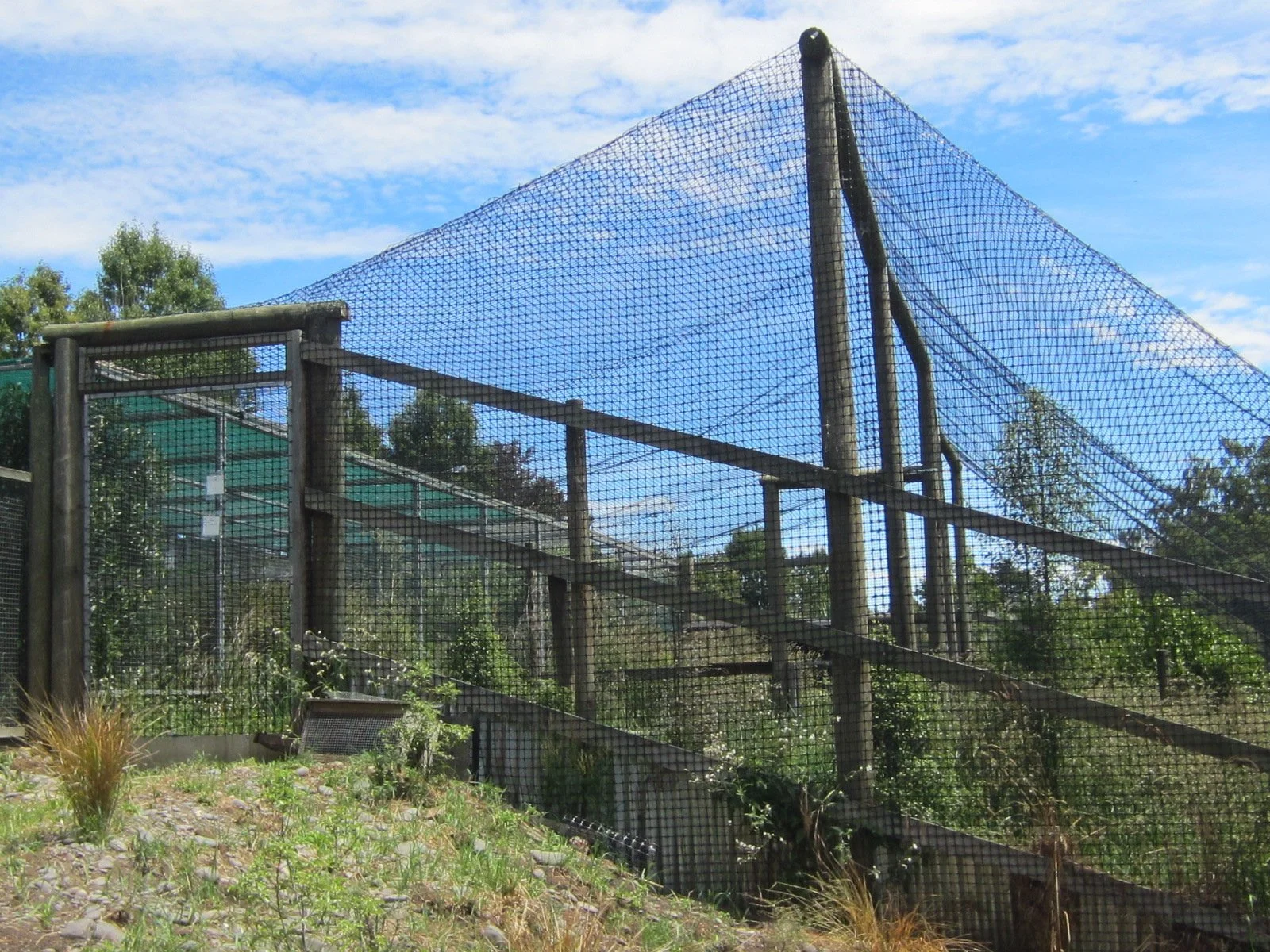
The Kiwi pre-release pens and runs were completed by the NZCT Construction team.
A planting bee was carried out at the Styx Mill reserve with approximately 40 young trees planted.
-
The NZCT Construction group members helped assist Willowbank park staff to establish new walkways in the park and re-rout a few other paths.
The Construction group members also helped to construct a replica of a sub-Antarctic hut at Willowbank as well.
-
The NZCT Construction group completed a project erecting a purpose built building for the Otters at Willowbank Reserve.
The Trust employed a regular volunteer at Willowbank to build dividing fences for the larger kiwi pre-release pens. Not long after this was completed a pair of Kiwi arrived from the West Coast.
-
The NZCT secured funds to put in a versatile building for a food preparation room for the zoo and farm section at Willowbank.
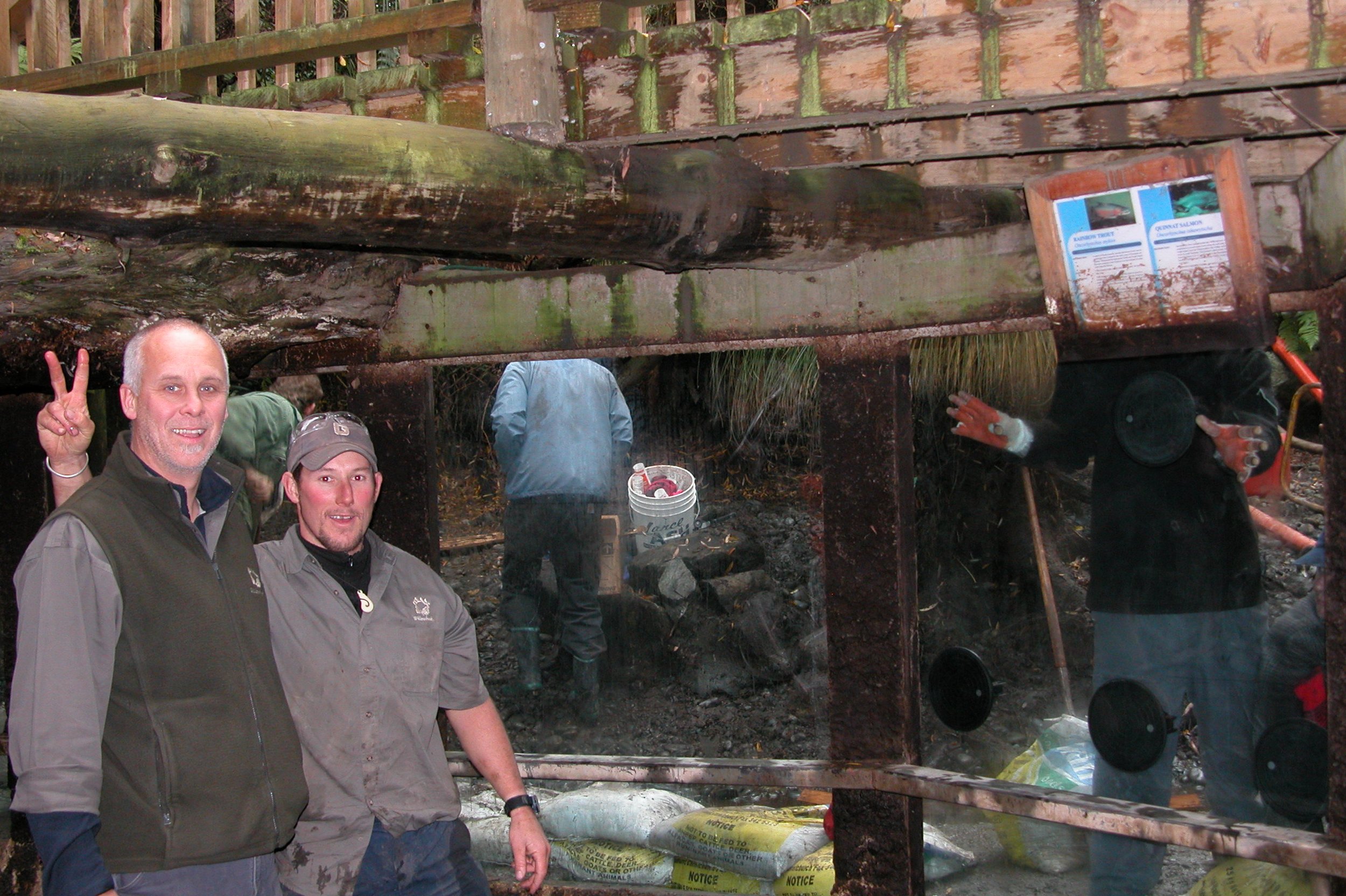
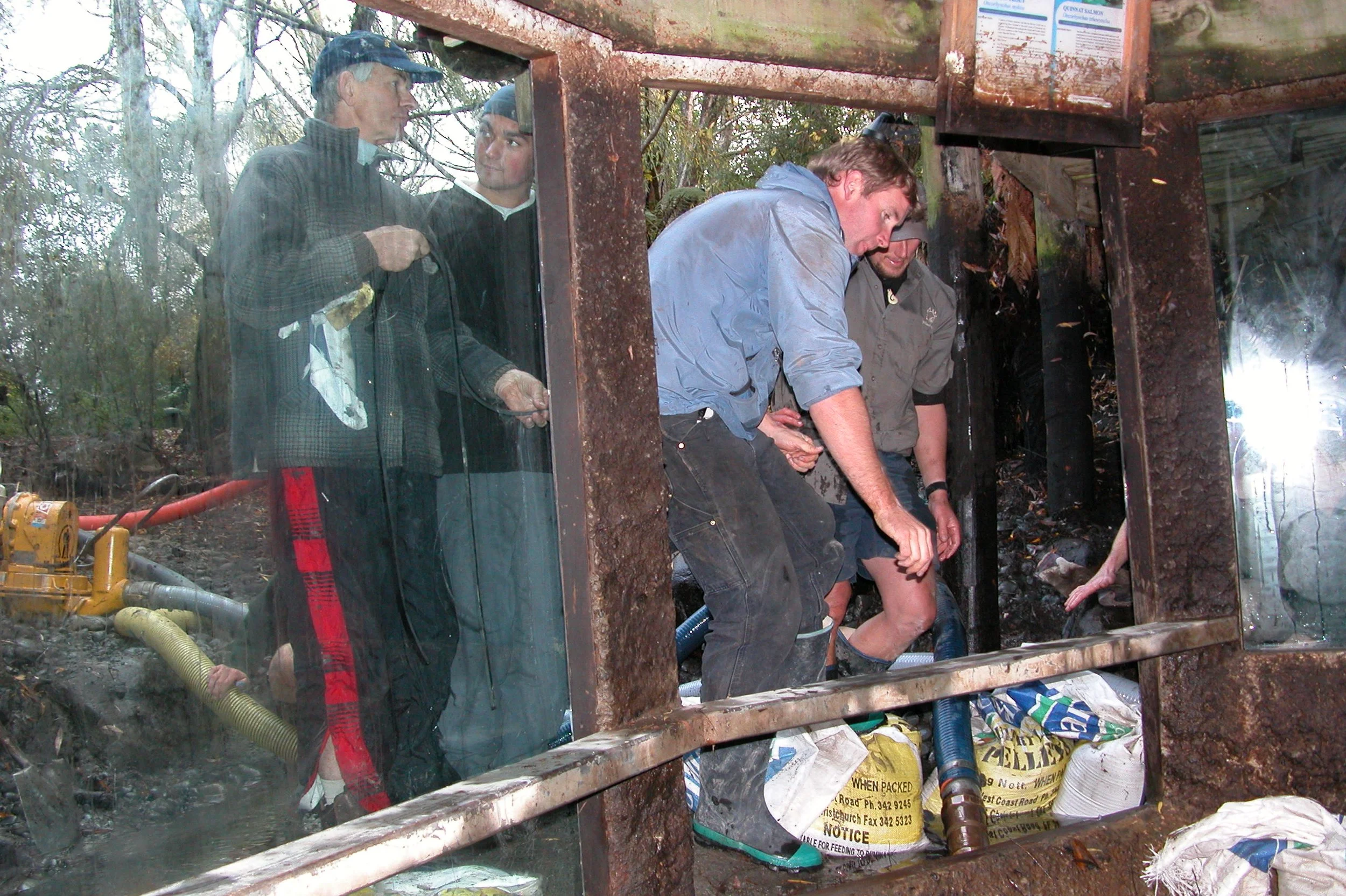
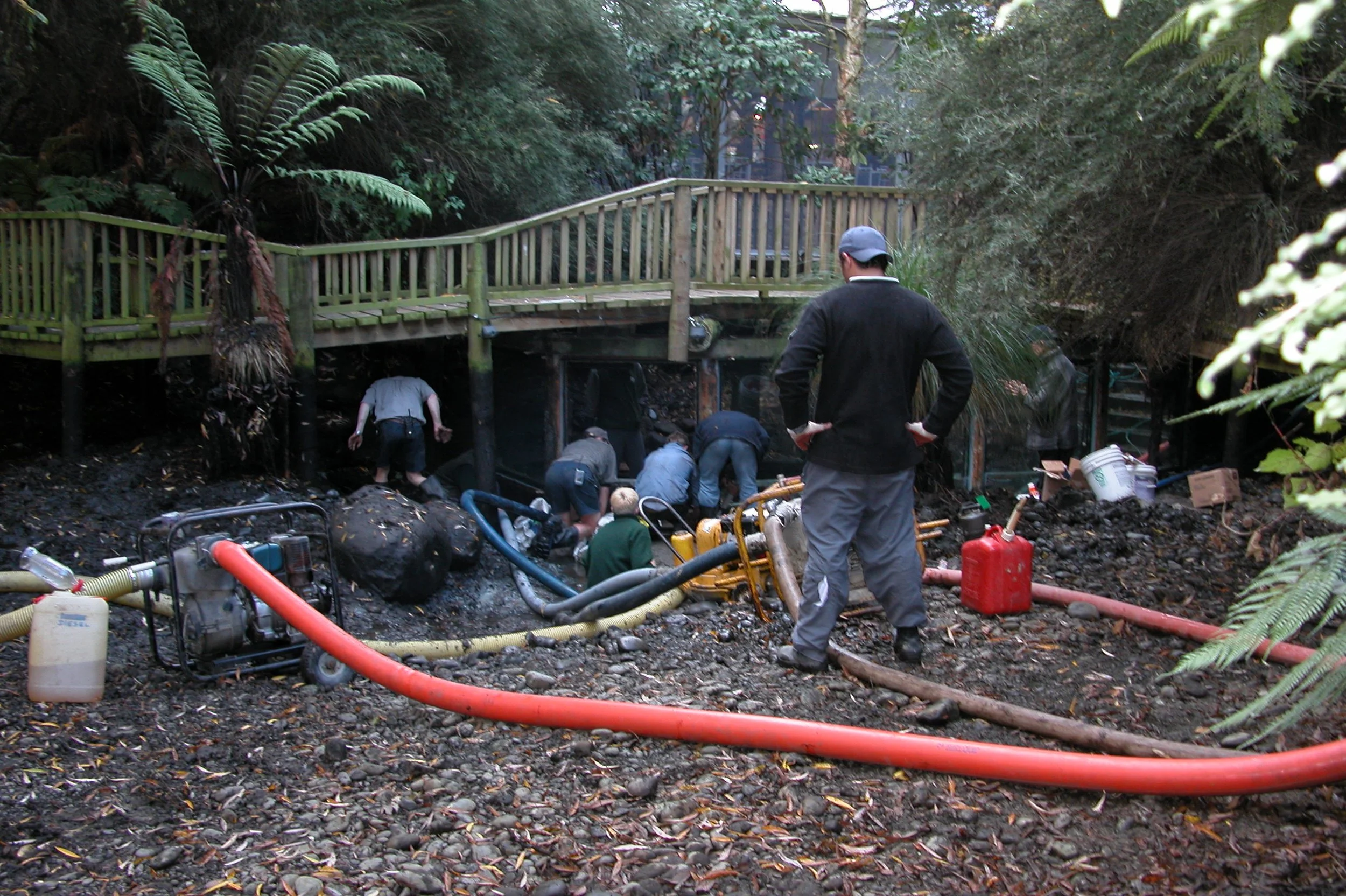
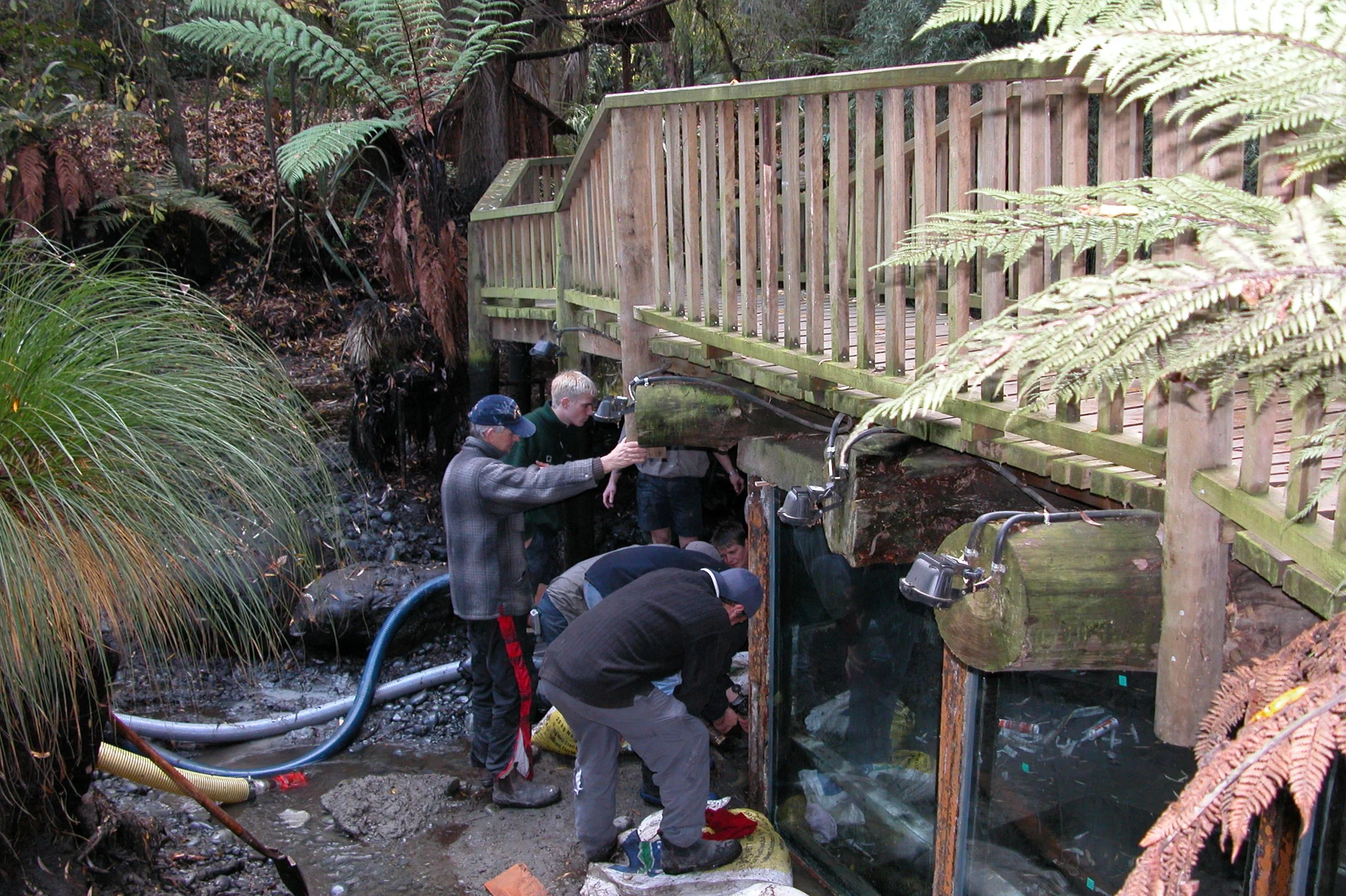
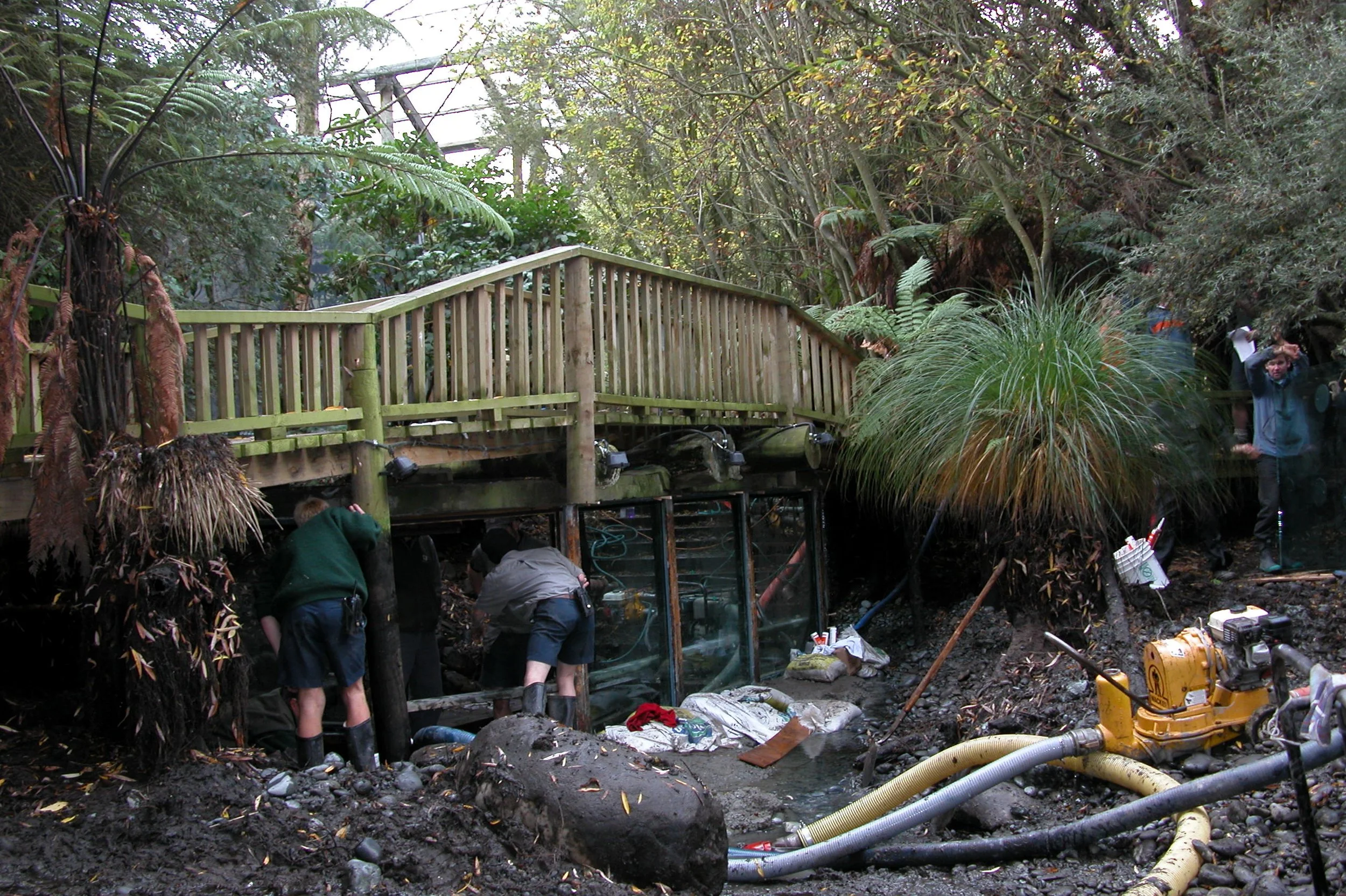
The Trust also received a grant to purchase new glass for the trout viewing window, Trust volunteers and Willowbank park staff worked together to install the new window glass for the viewing area.
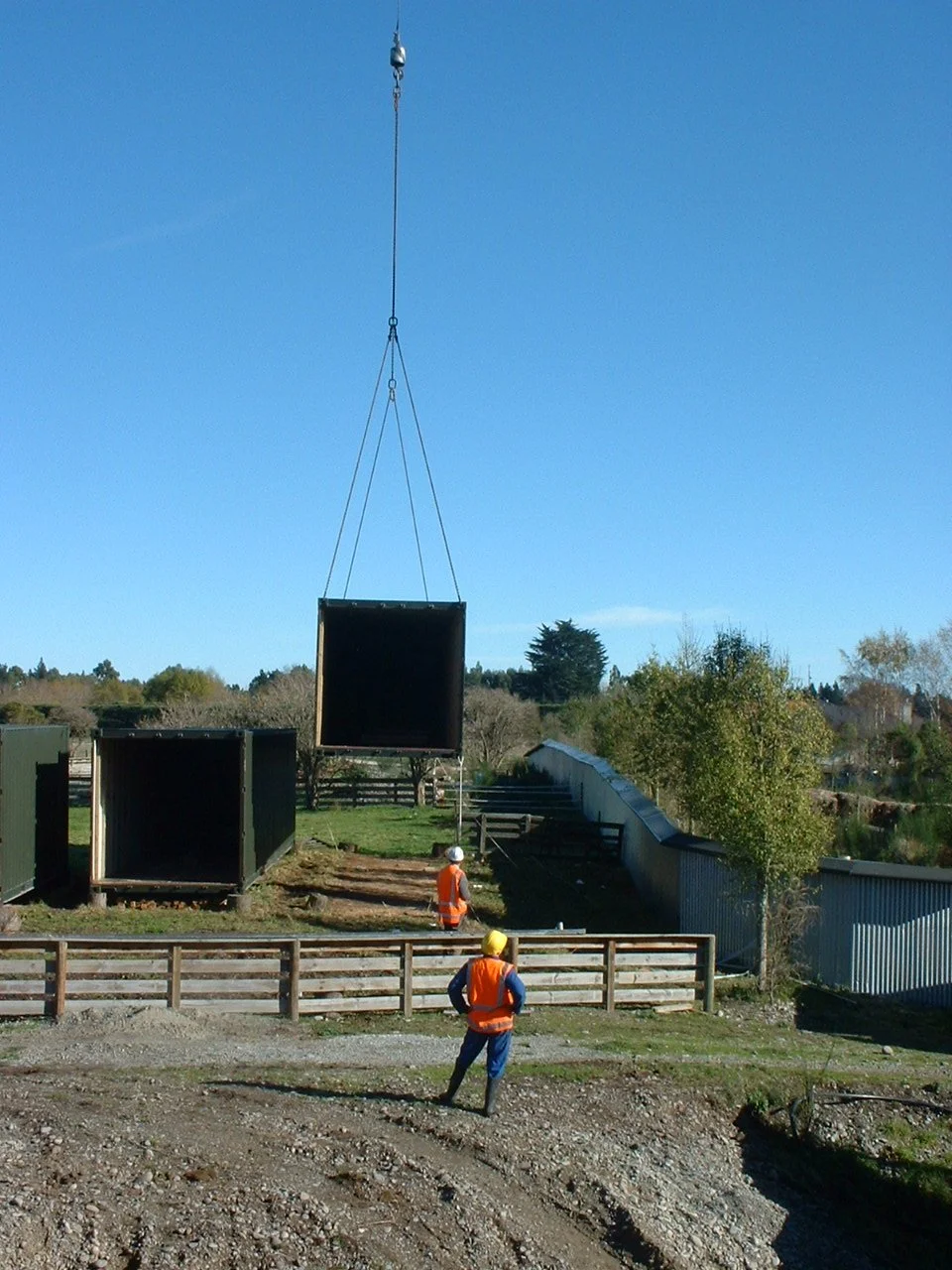
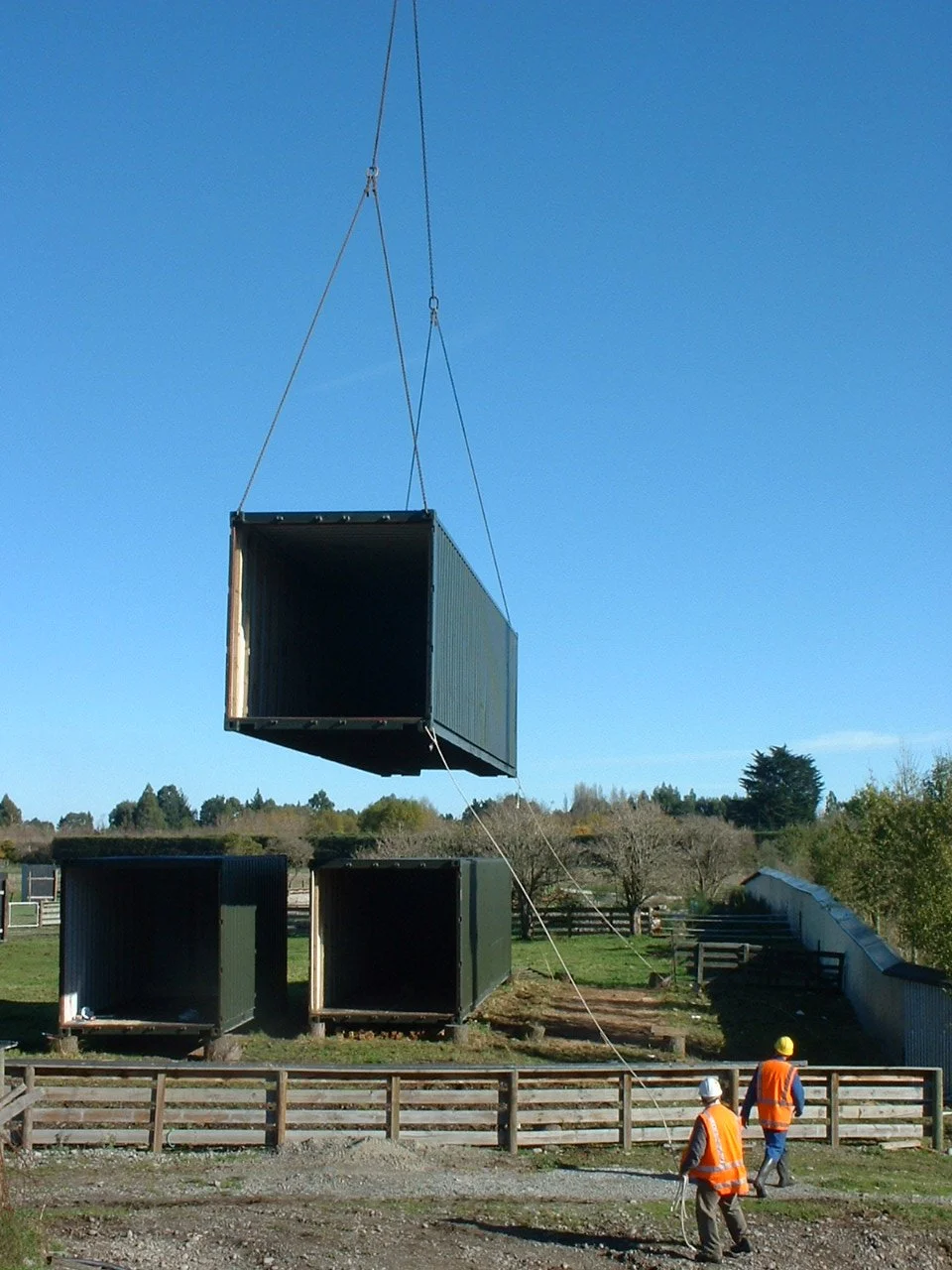
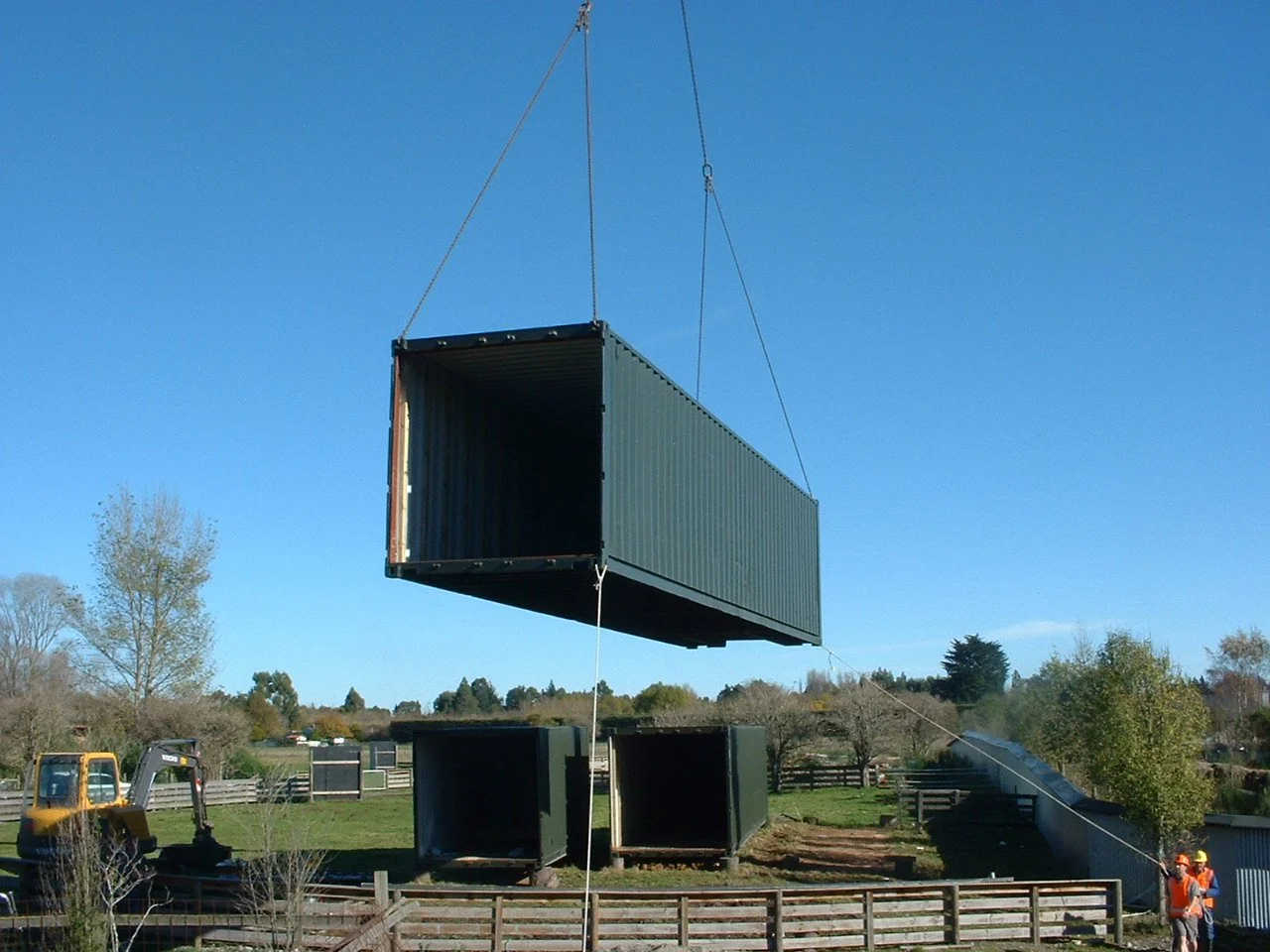
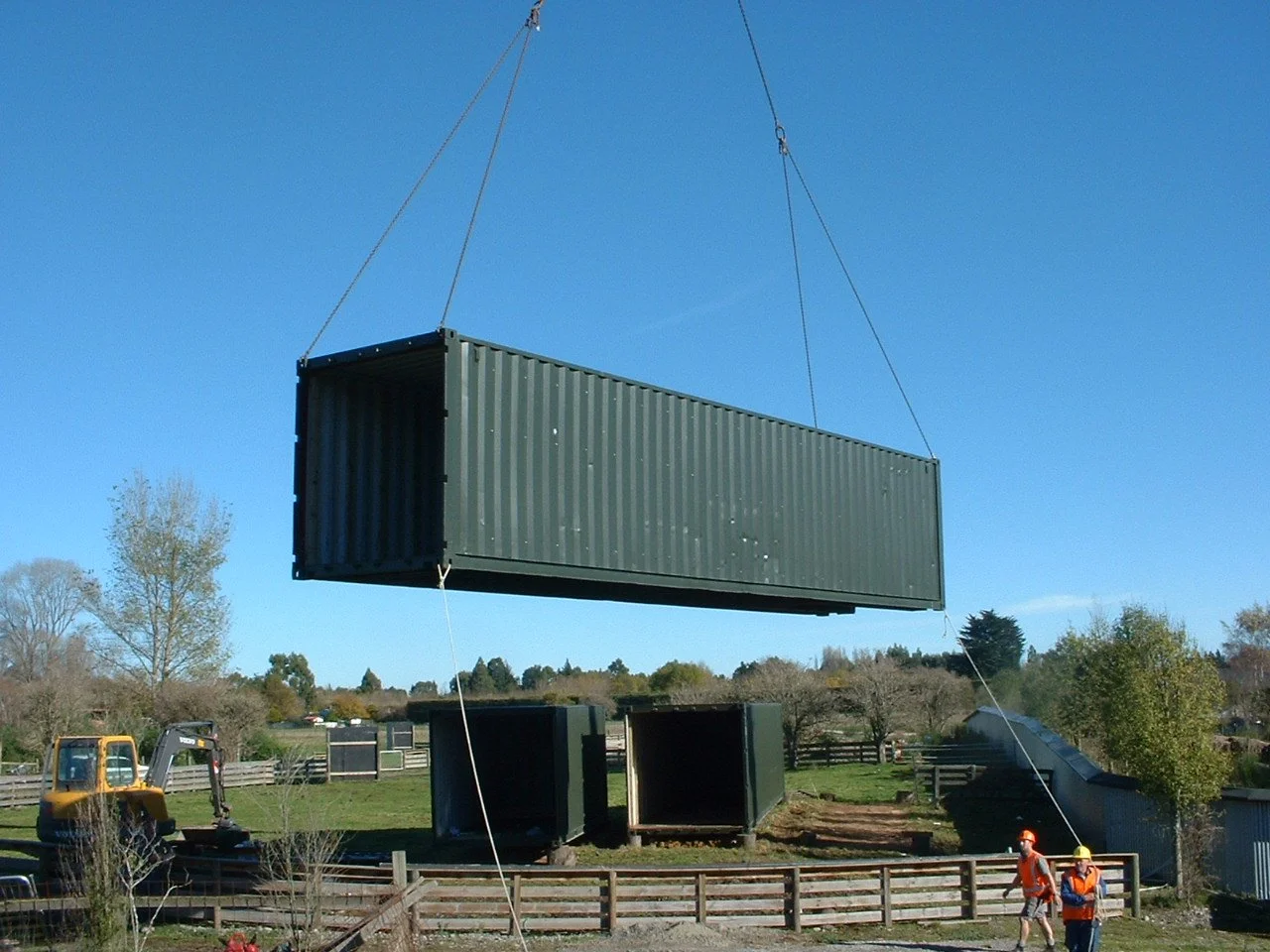
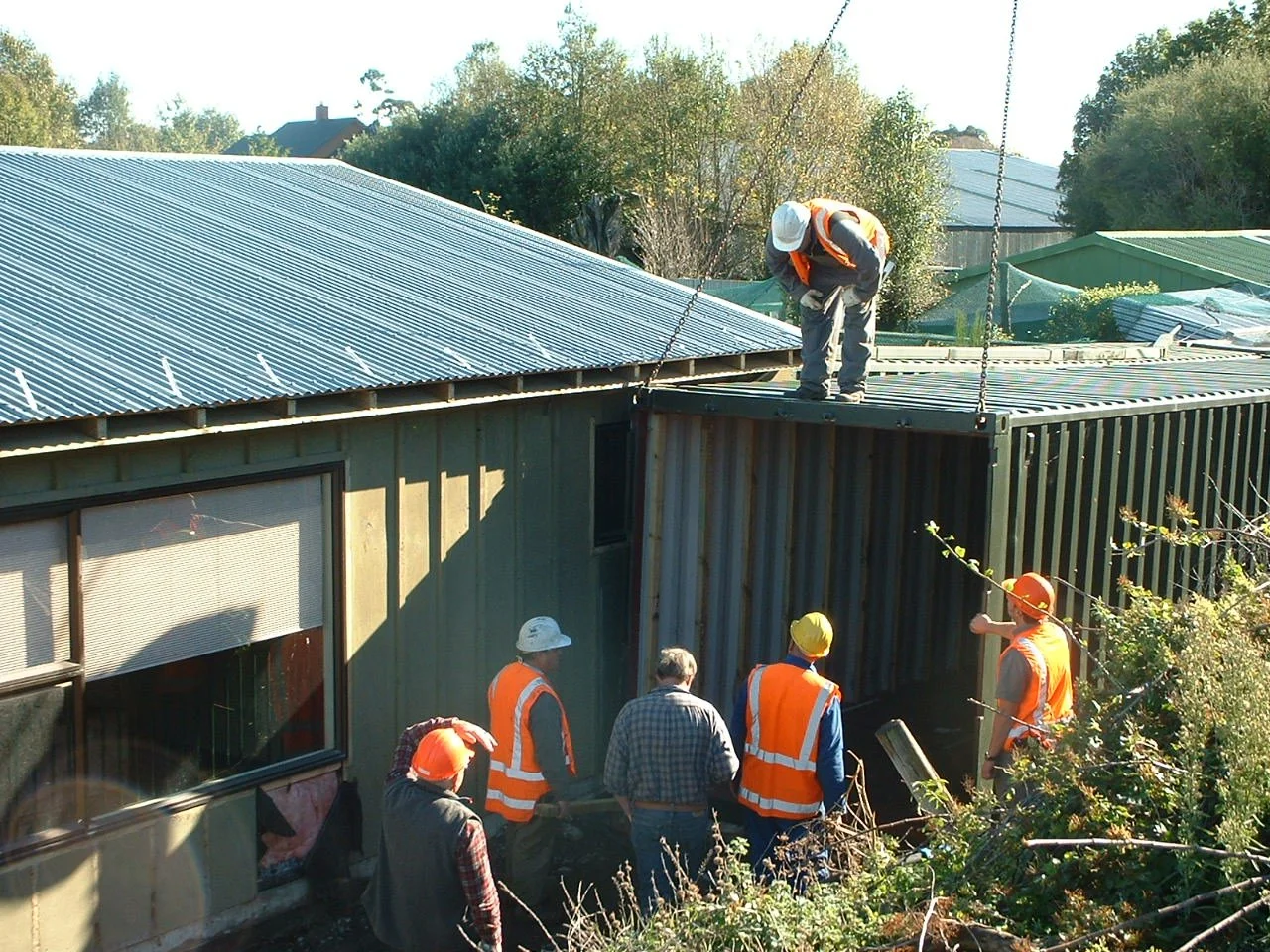
Renovations on the current kiwi breeding centre started, to increase the facilities capabilities and add a viewing area for the public. A 40ft container was used as a combined bridge and access-way into the breeding center, this will house a bio security entrance to the breeding center.
-
Trust looked into a second kiwi breeding center at Craigieburn. A lot of predator trapping would need to be carried out in the area first. NZCT started to look into a predator control project in this area.
The long awaited Bio Security entry into the kiwi breeding center was finally up and running.
Our founding Trustee and Chairman Don Frizzell sadly passed away.
Trust secured funding from RATA – for an addition to the kiwi breeding center of a public viewing facility. Work started on this in 2005.
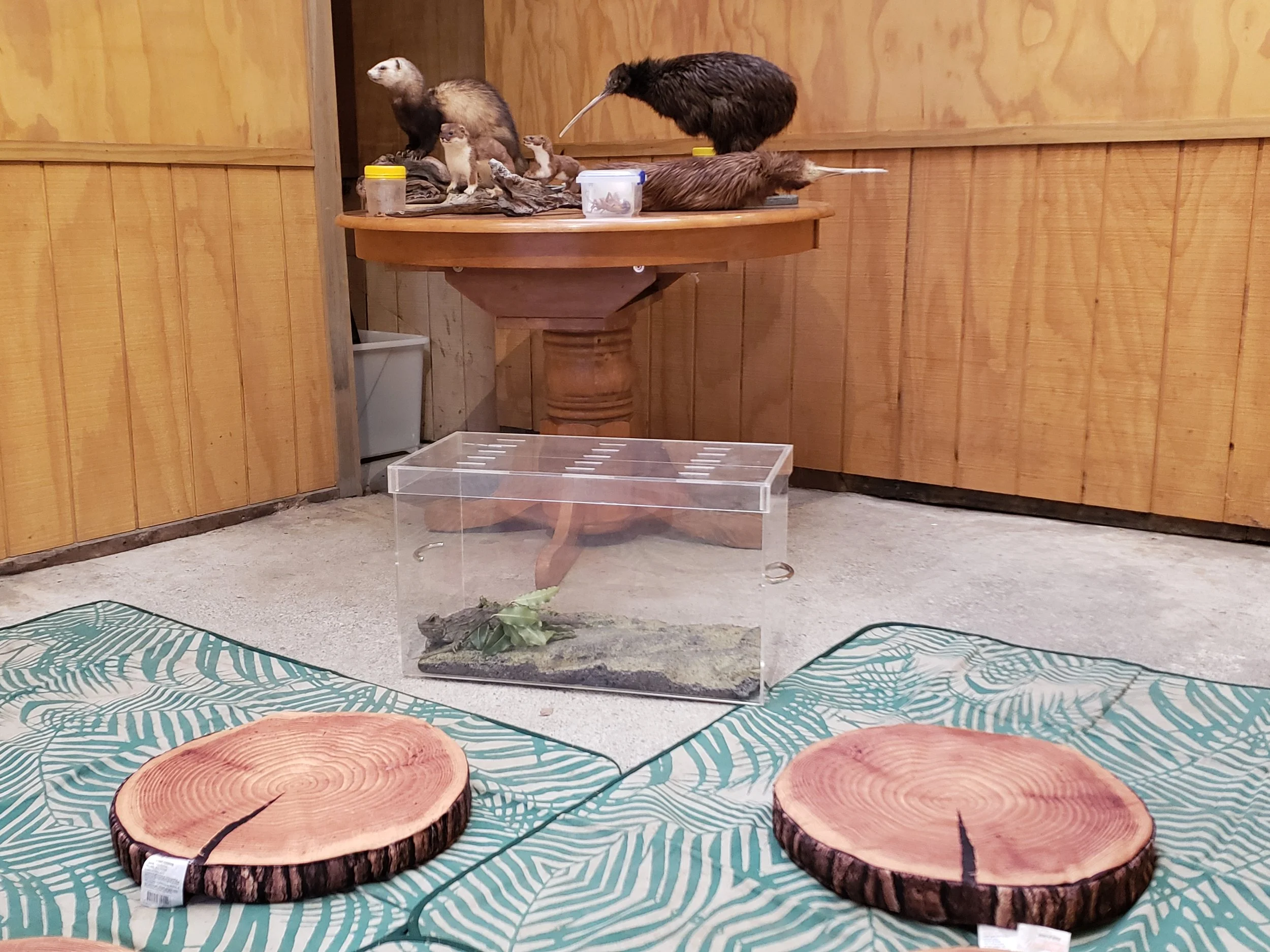
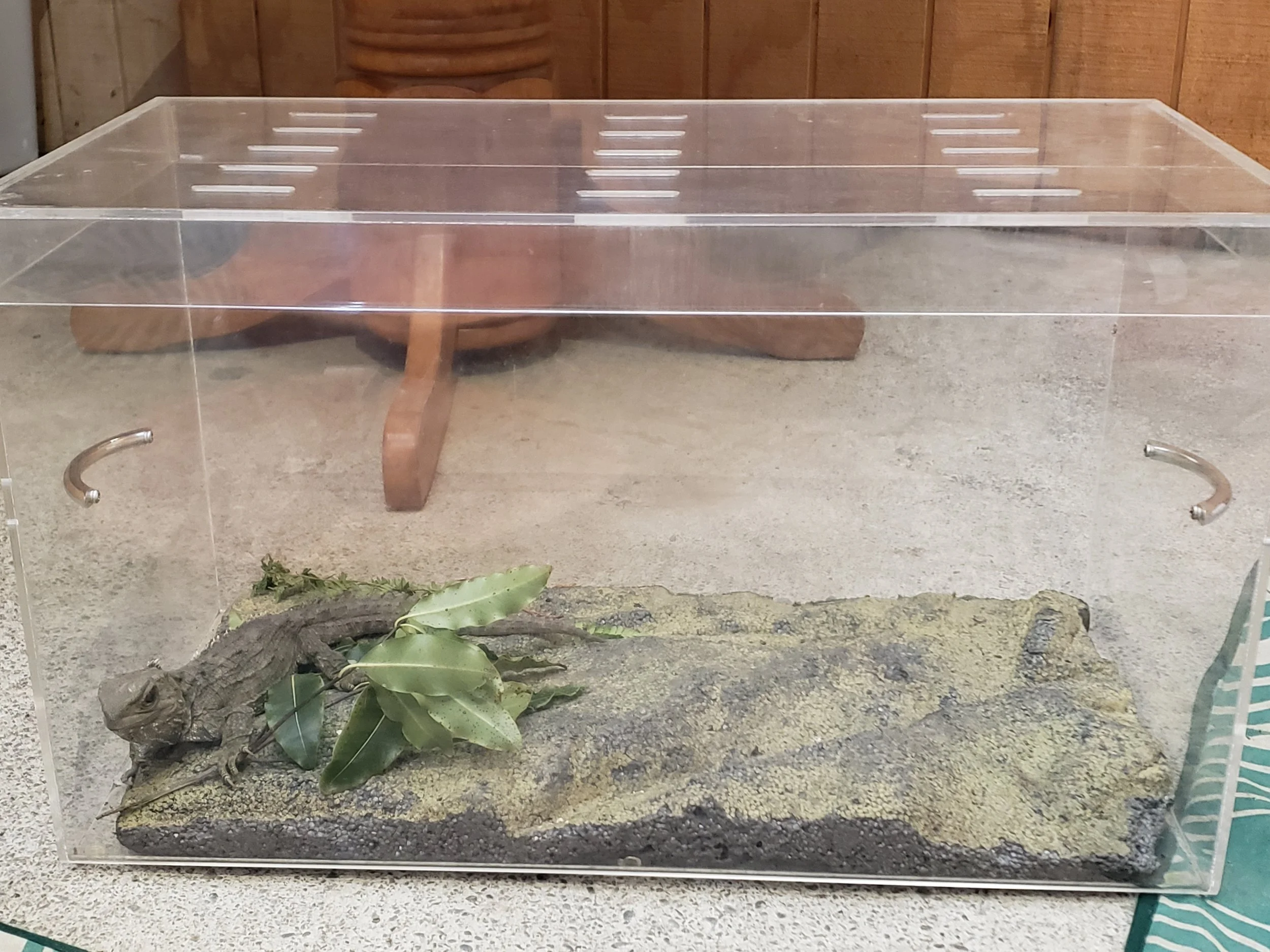
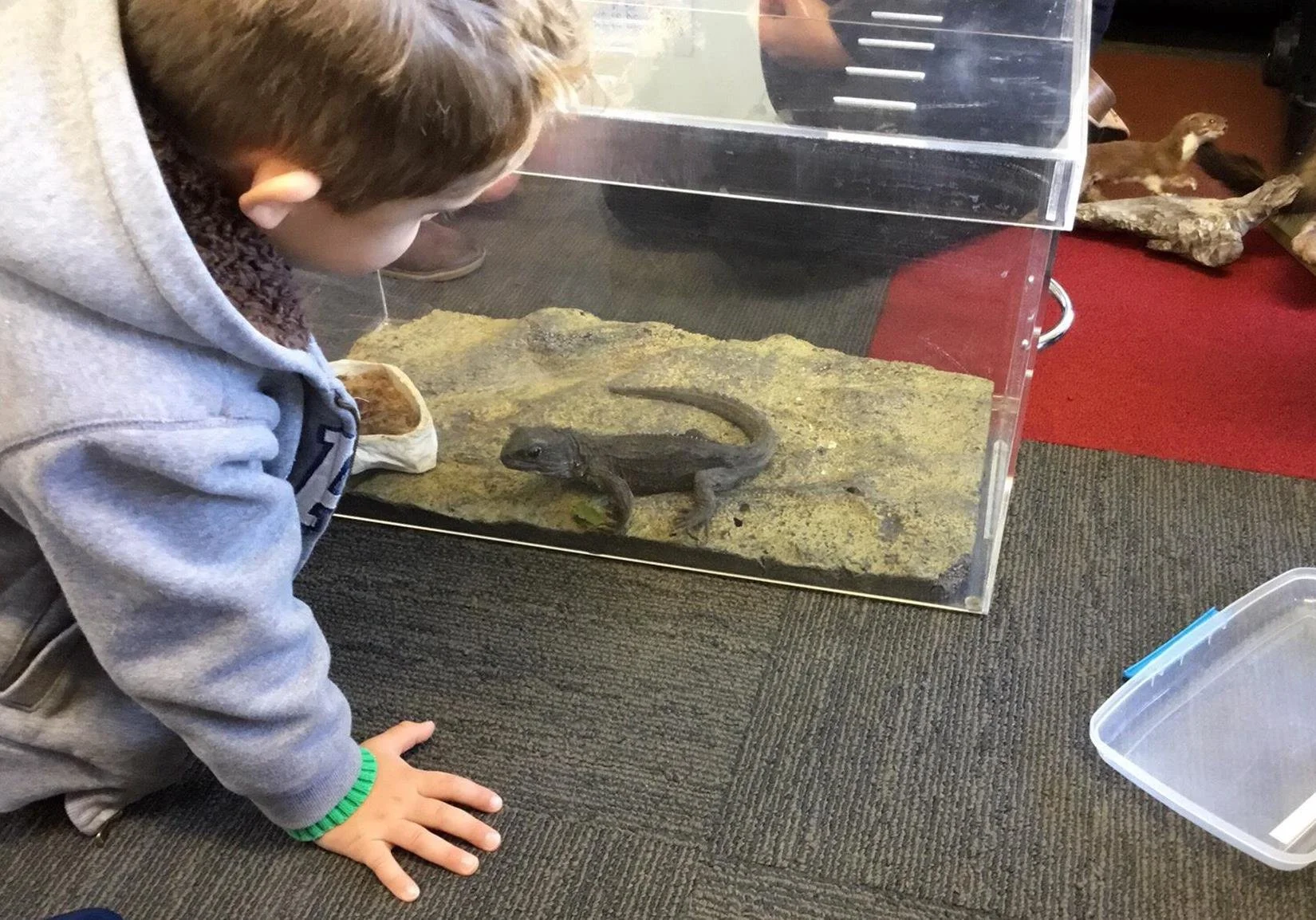
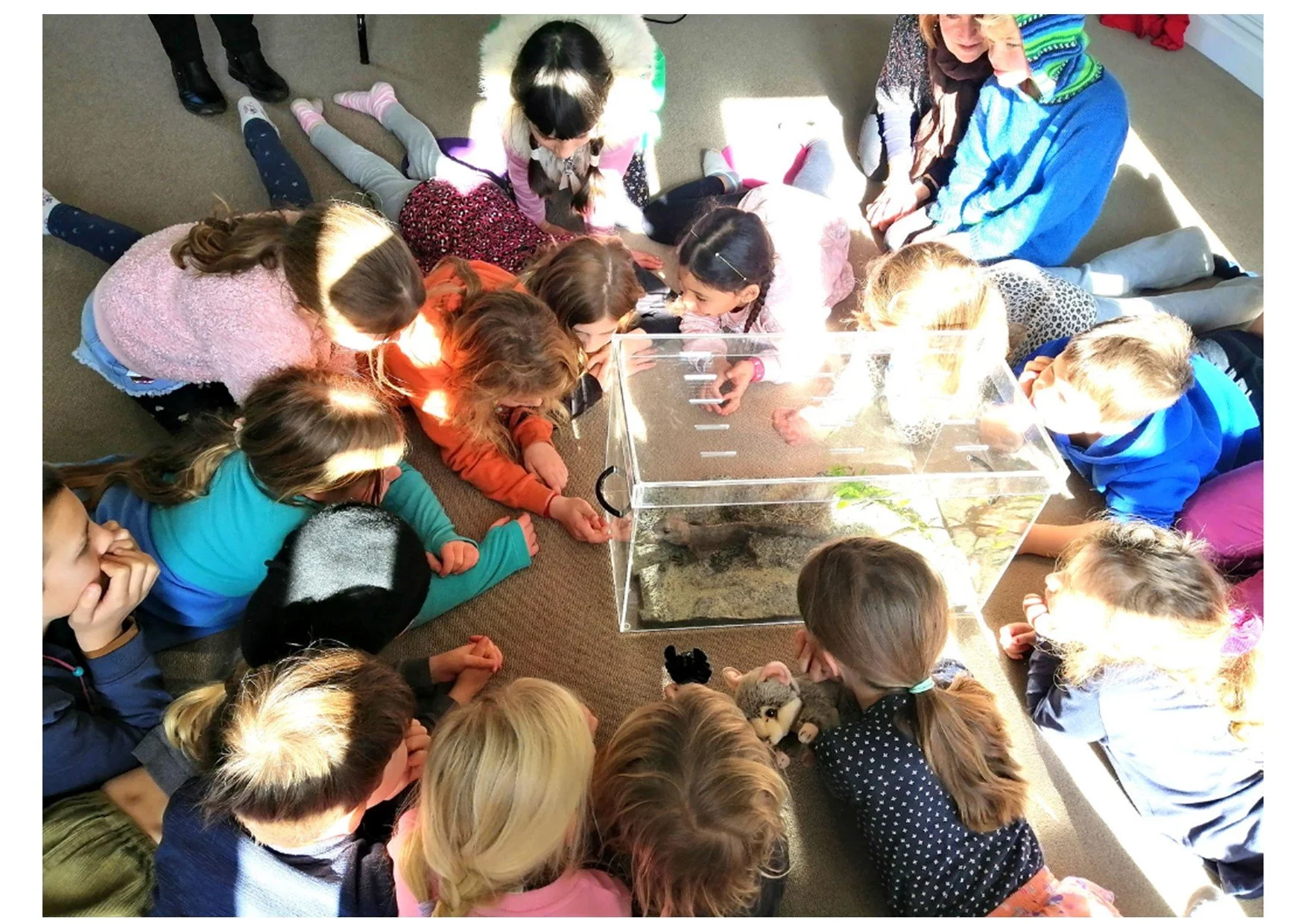
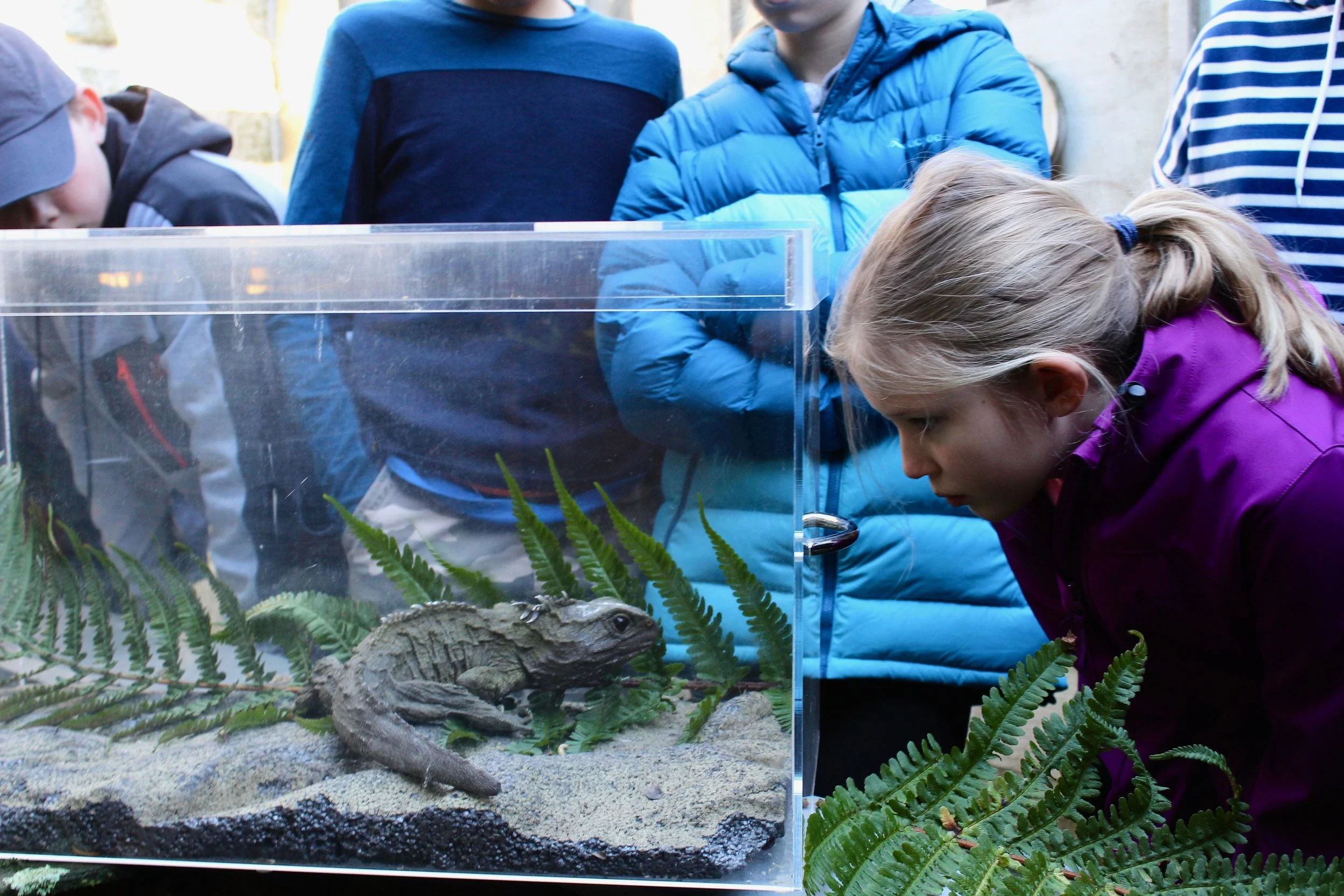
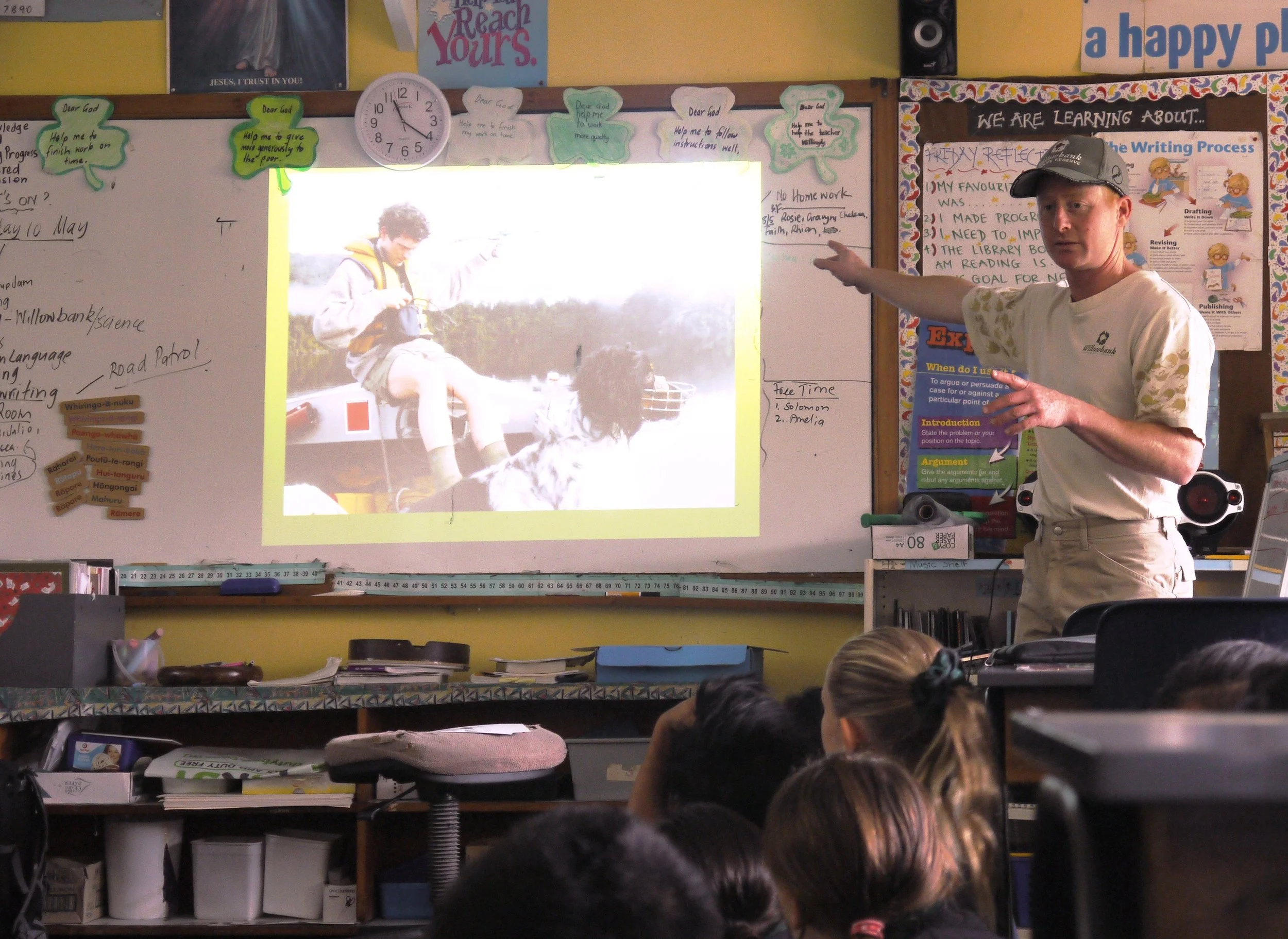
Travelling Tuatara programme to local schools started.
-
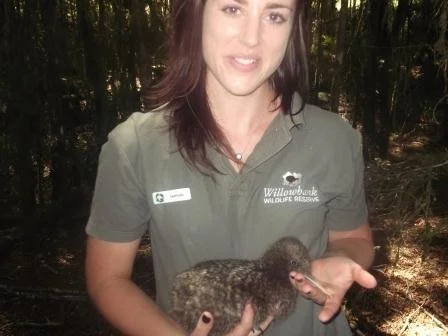
The new Kiwi Breeding Facility made Operation Nest Egg (ONE) possible at Willowbank. Our participation in ONE was in partnership with DOC. DOC staff would collect the eggs, bring these to our facility where our staff would incubate and hatch them. The Trust not only funded and built the Kiwi Breeding Centre that made this possible, but NZCT also funded the staff for the beginnings of this project.
-
The Tuatara Display built by NZCT now housed 8 new tuatara. These came from Wellington Zoo, but were originally uplifted from Stephens Island.
Our first Kiwi Eggs from Okarito and Hasst began to arrive as part of the ONE project.
The Trust also assisted with funding a new walkway through the kaka viewing aviary at Willowbank.
NZCT started a trapping progamme at Craigieburn Forest where they hoped to start a second breeding center.
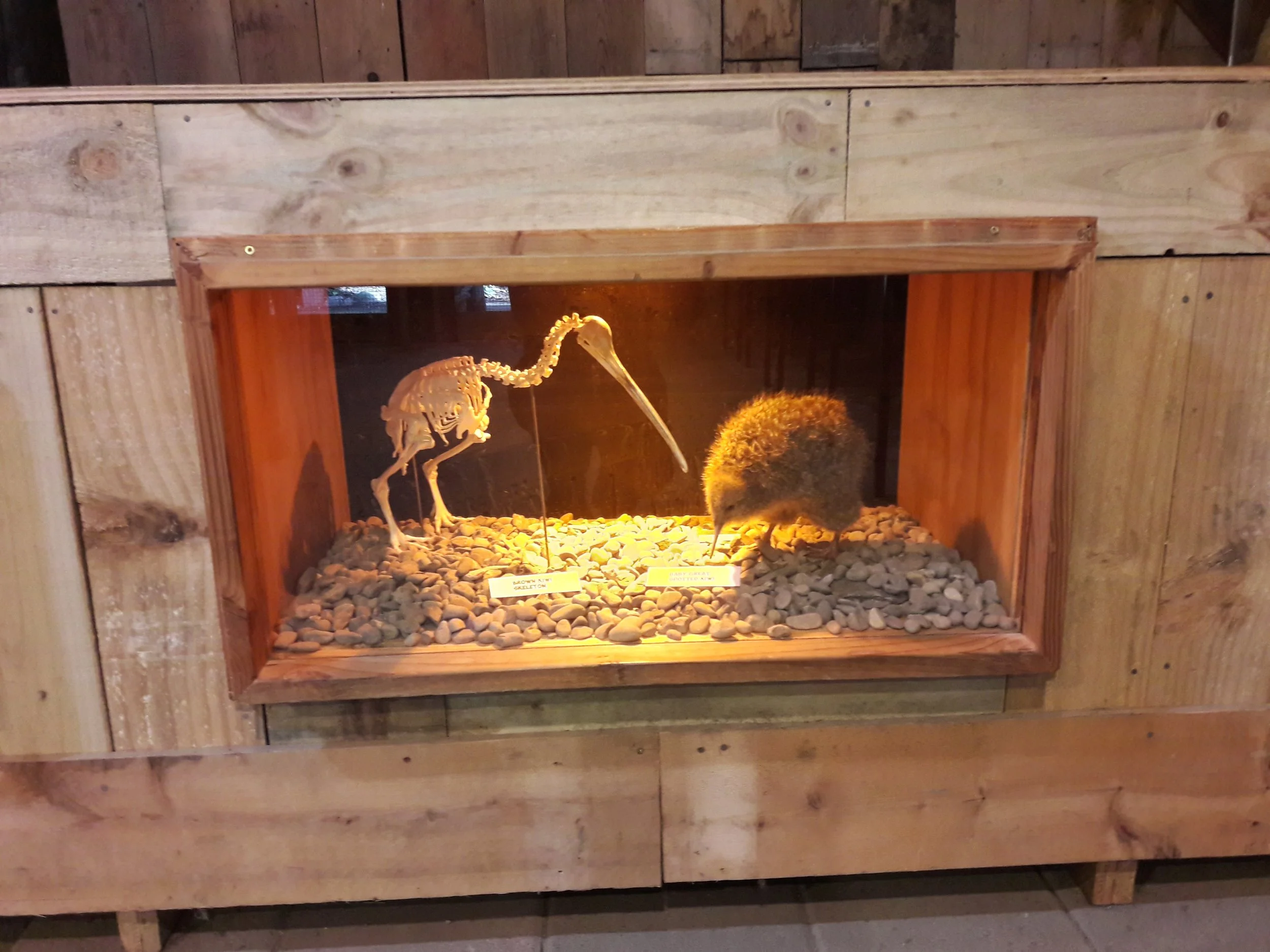
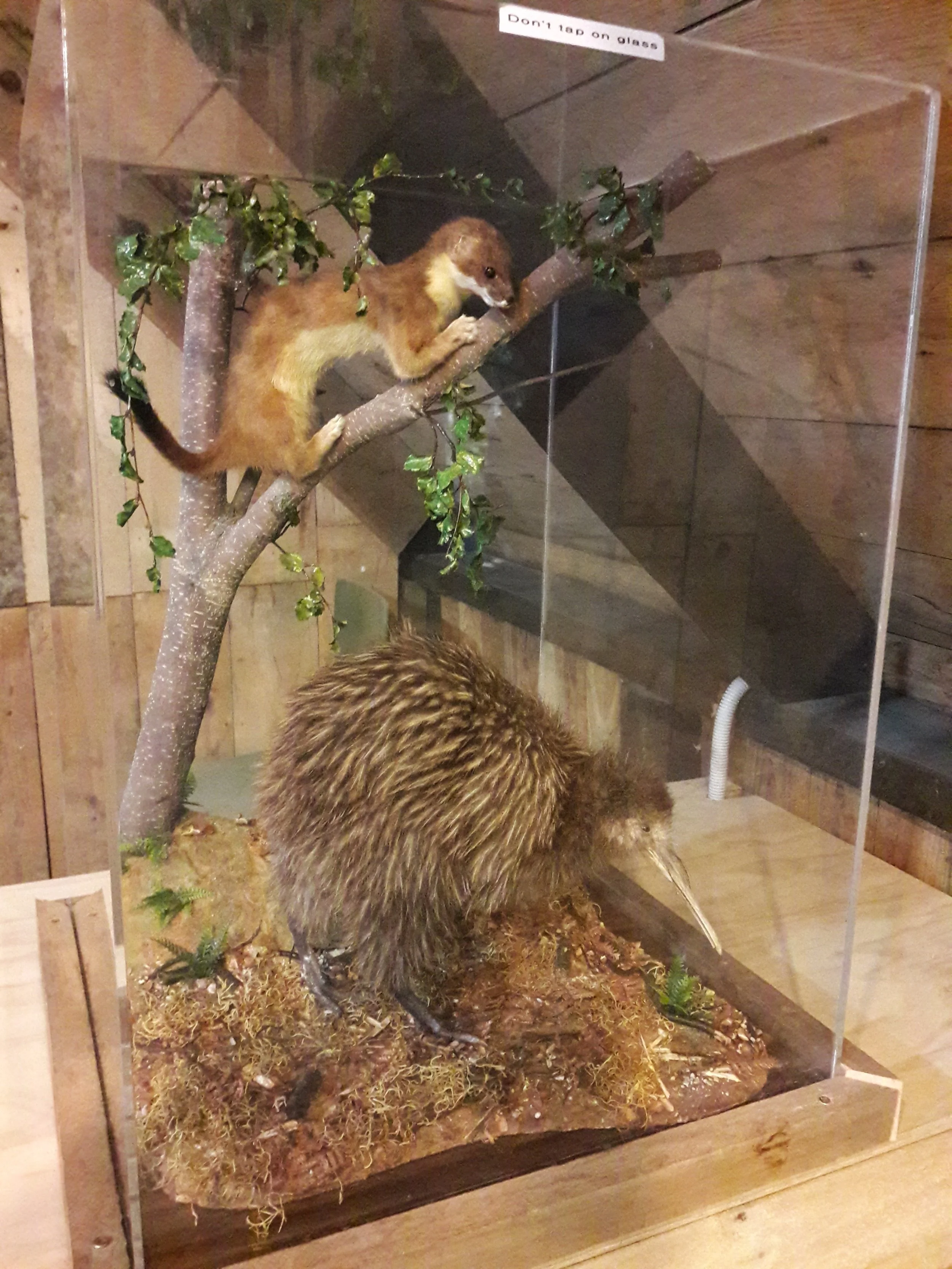
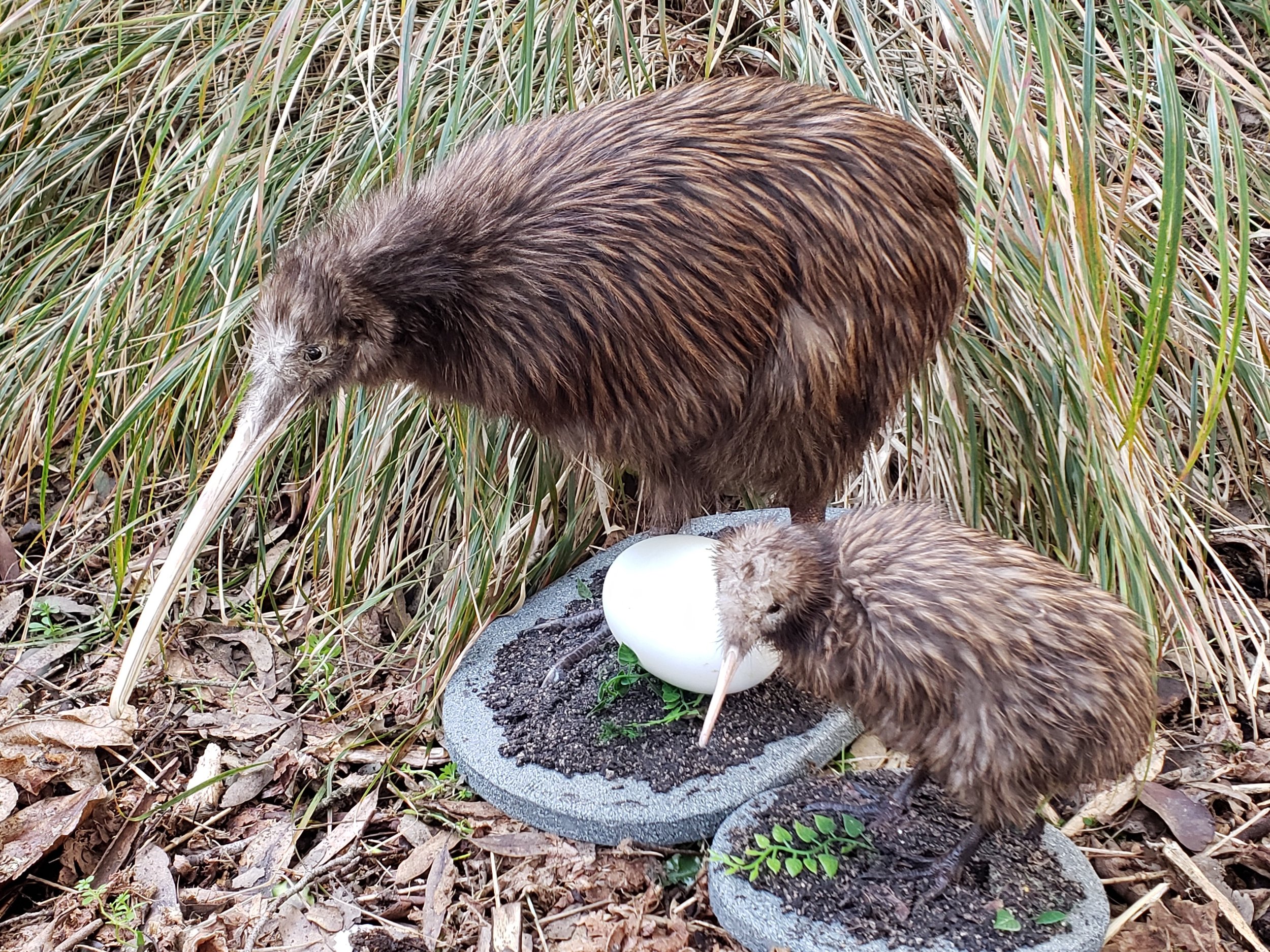
The Trust funded 3 taxidermy kiwi specimens for education programmes which are still on display at Willowbank today.
The Great Spotted Kiwi breeding progamme that that taken two years of planning finally began in Dec of 2007.
-
NZCT was successful in raising a significant amount of funds to support the field activities of DOC and the Paparoa Wildlife Trust for Great Spotted Kiwi egg retrieval.
NZCT construction group finally finished the new Kiwi Breeding Centre and viewing area. This opened by HRH Princess Anne on the 18th Nov during her visit to Willowbank.
-
The New Zealand Conservation Trust was privileged to received an award from the Champion AMI Charity Awards for the work in starting the Kiwi breeding Programme.
The NZCT very kindly received a donation from Transpower for the Great Spotted Kiwi project.
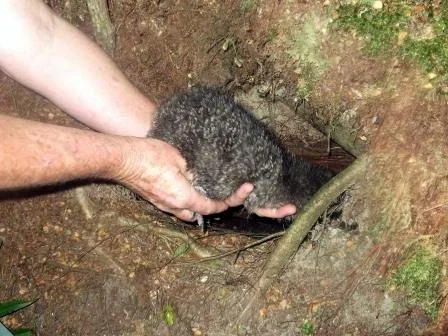
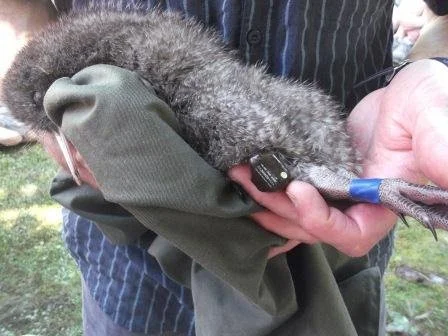
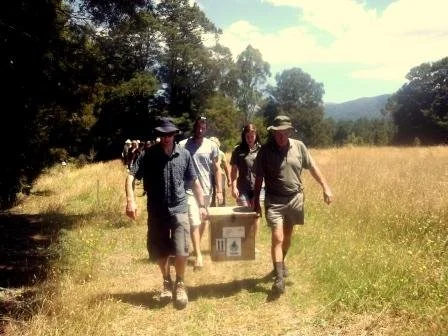
Great Spotted Kiwi Chicks from the NZCT and Willowbank ONE programme were released for a trial at Riccarton Bush in Christchurch.
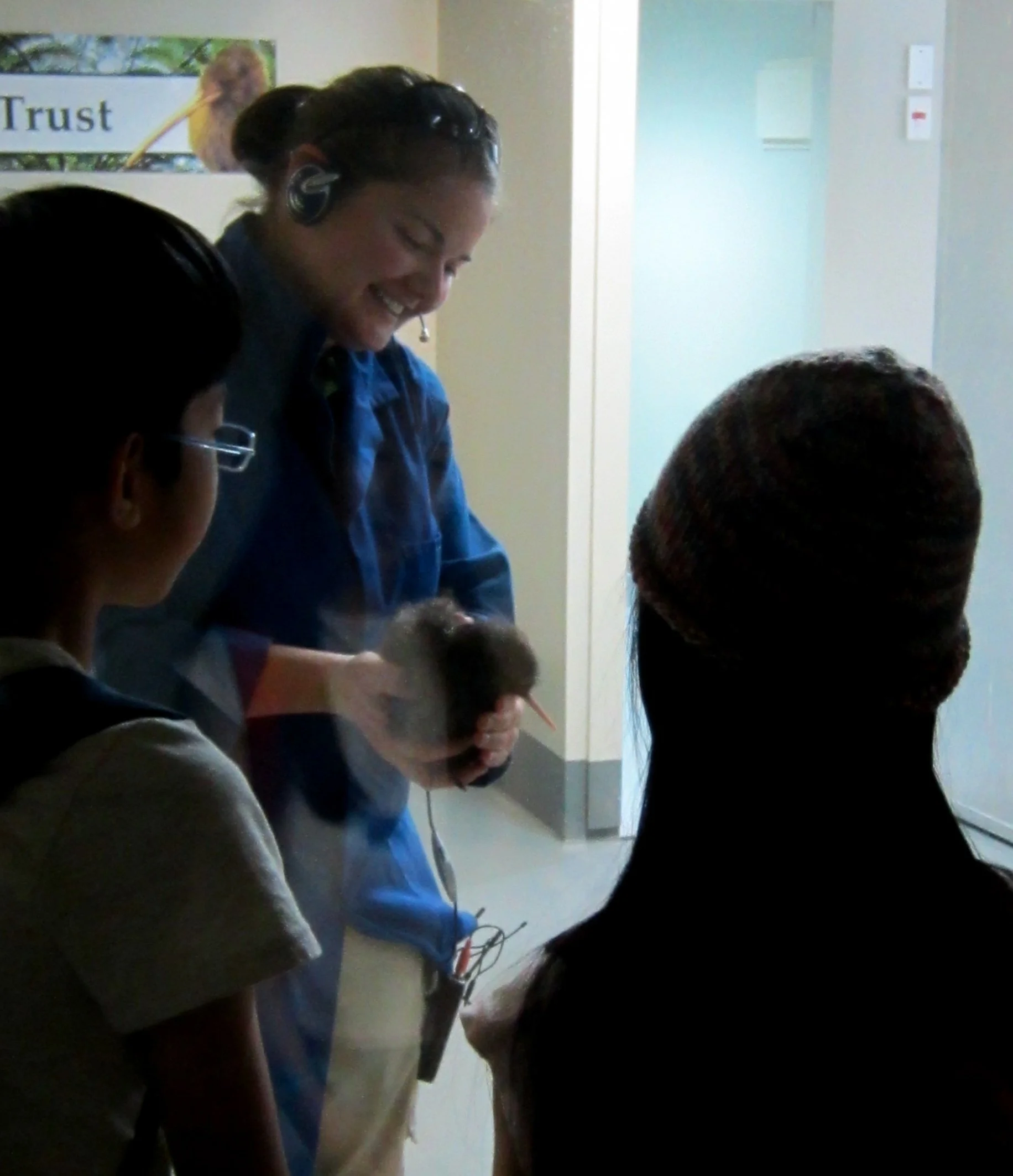
The first tours through the kiwi breeding and hatching site were carried out.
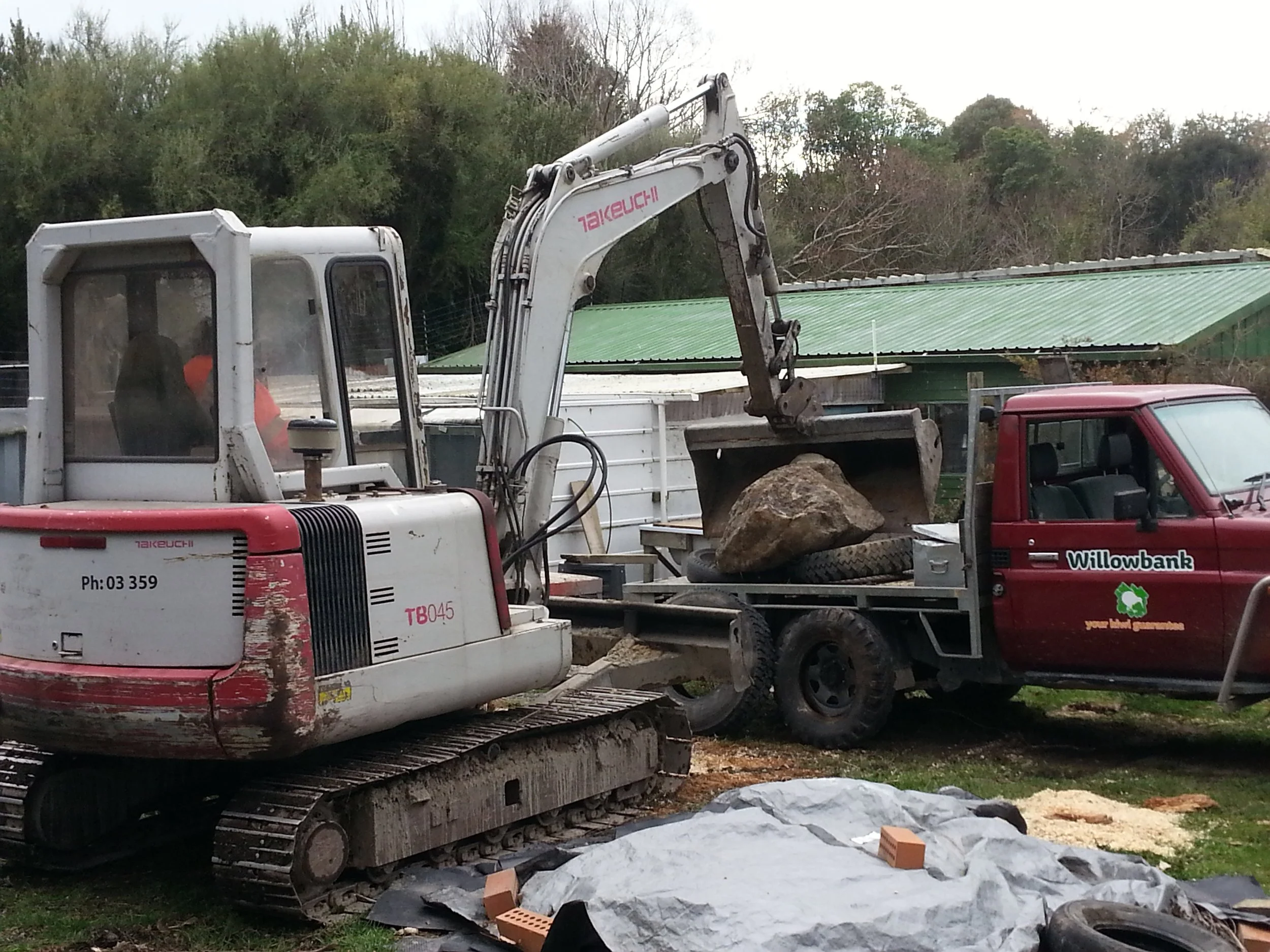
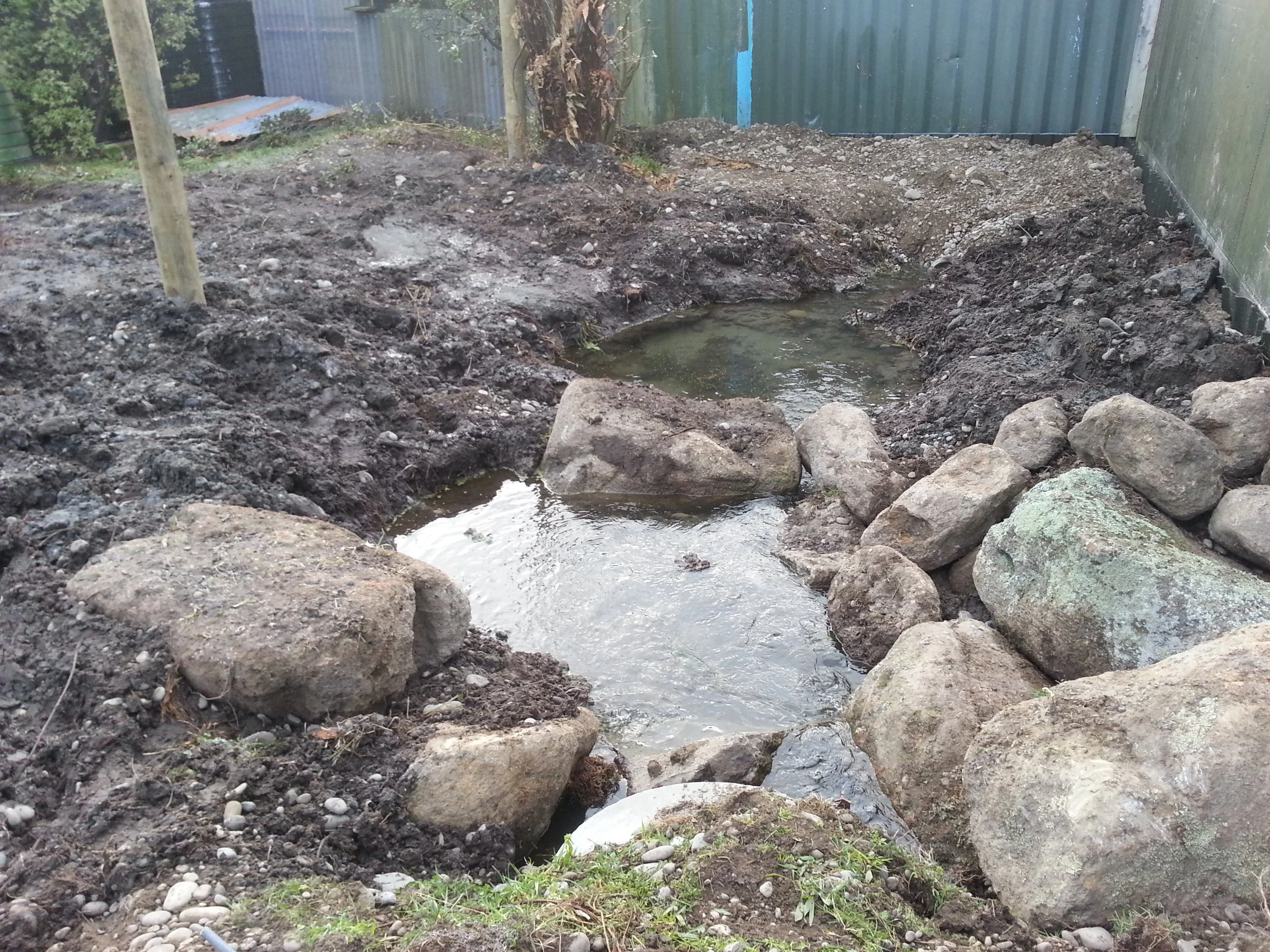
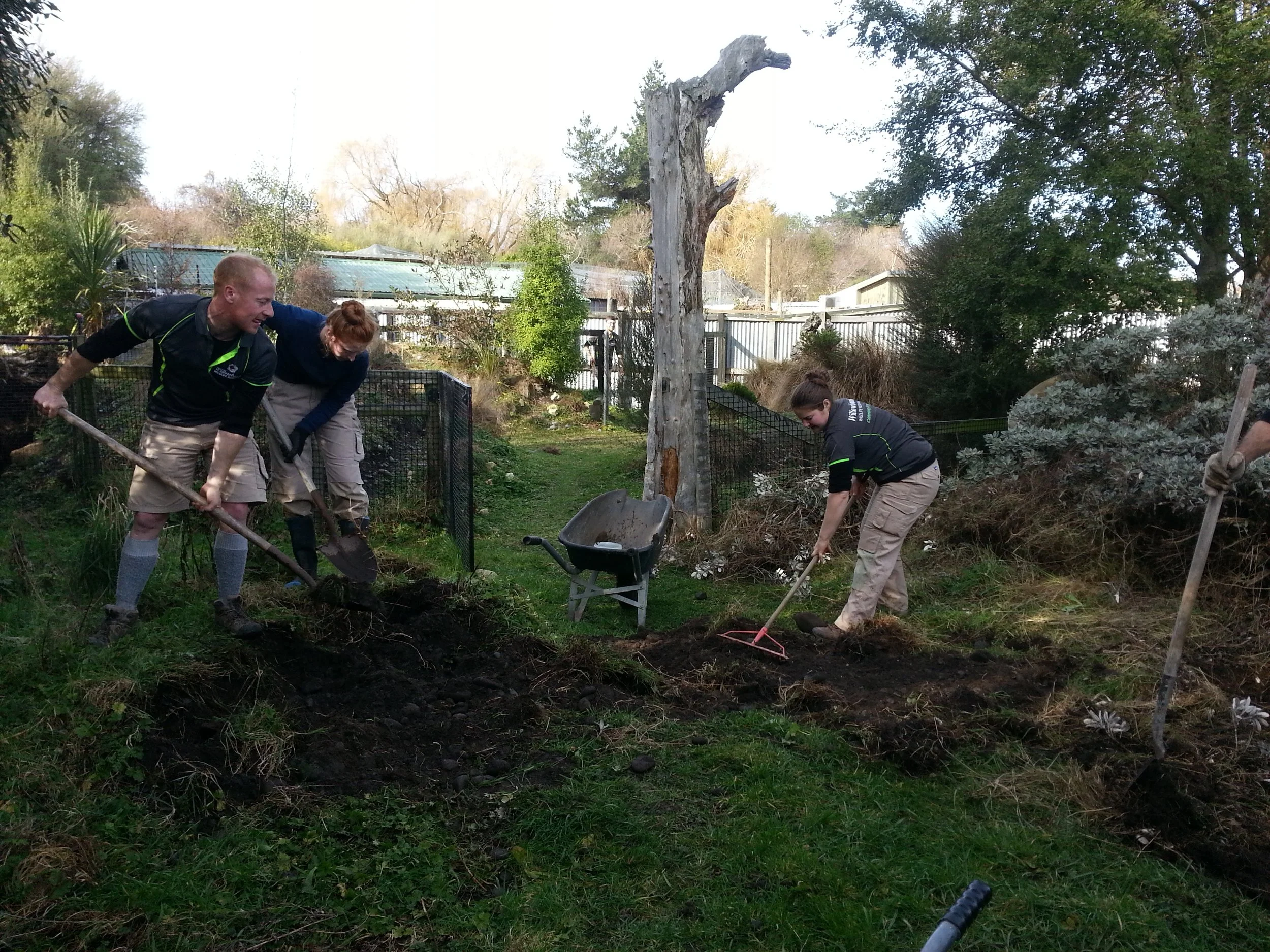
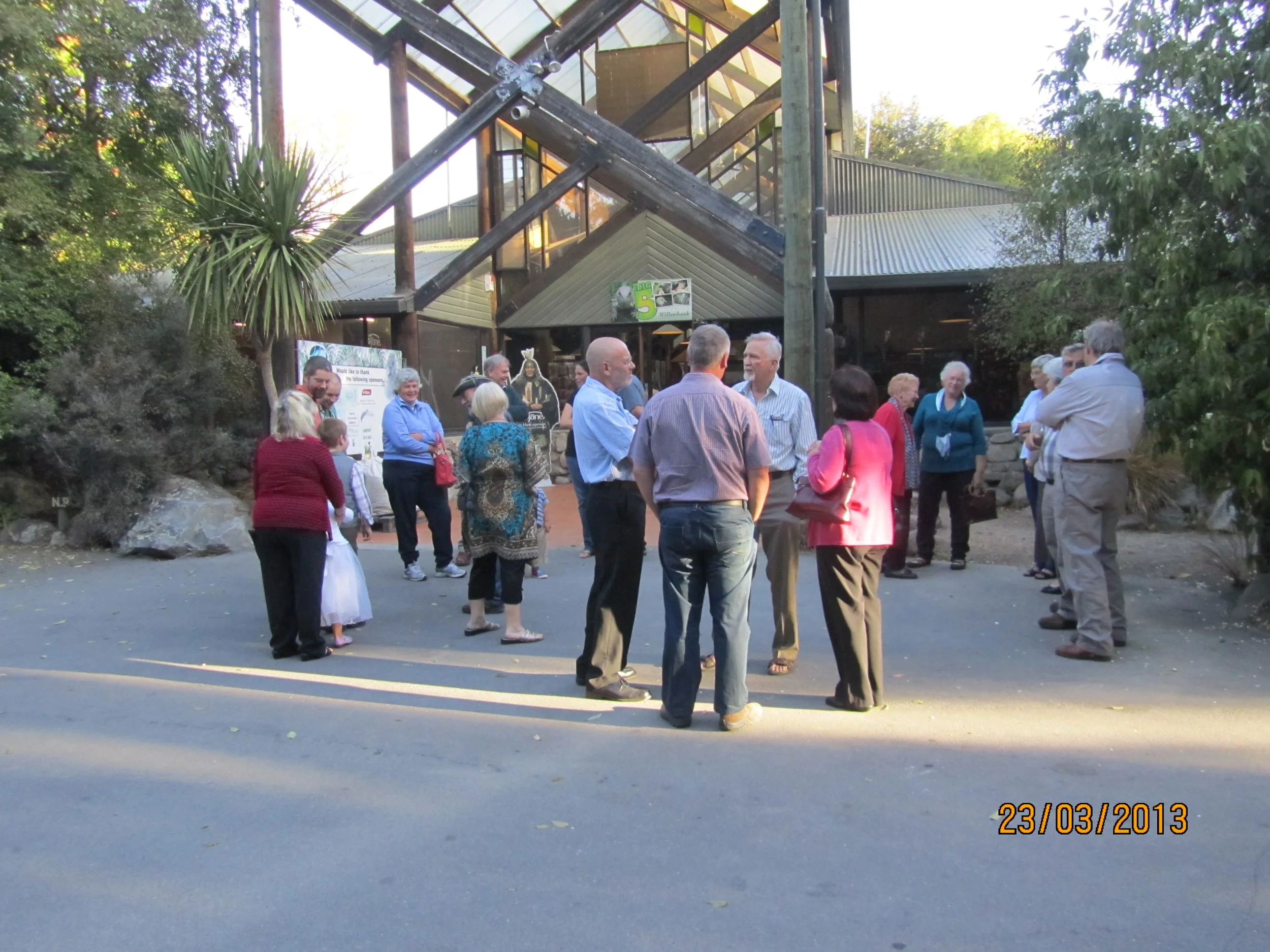
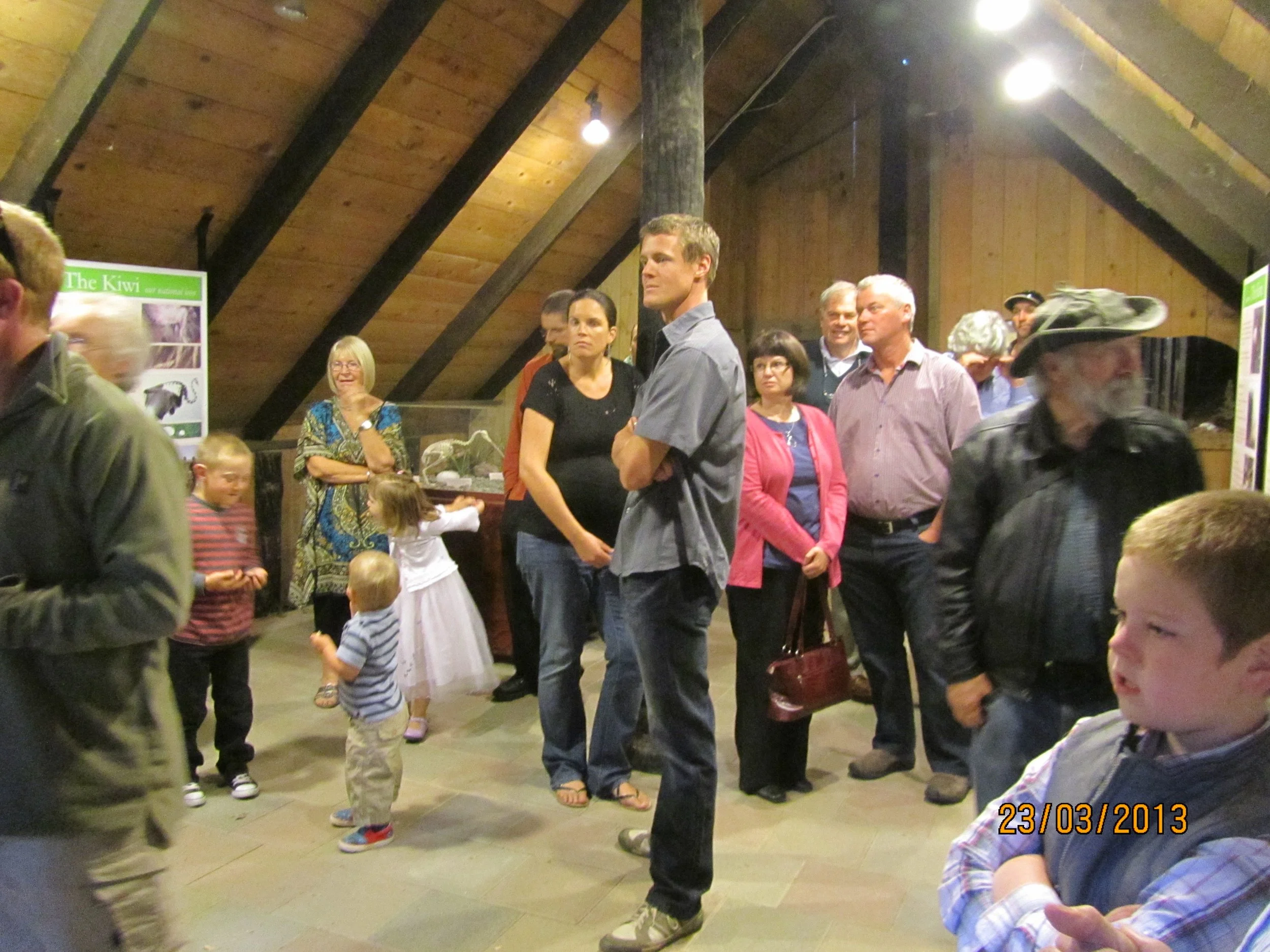
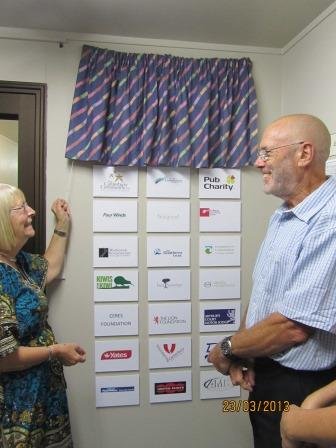
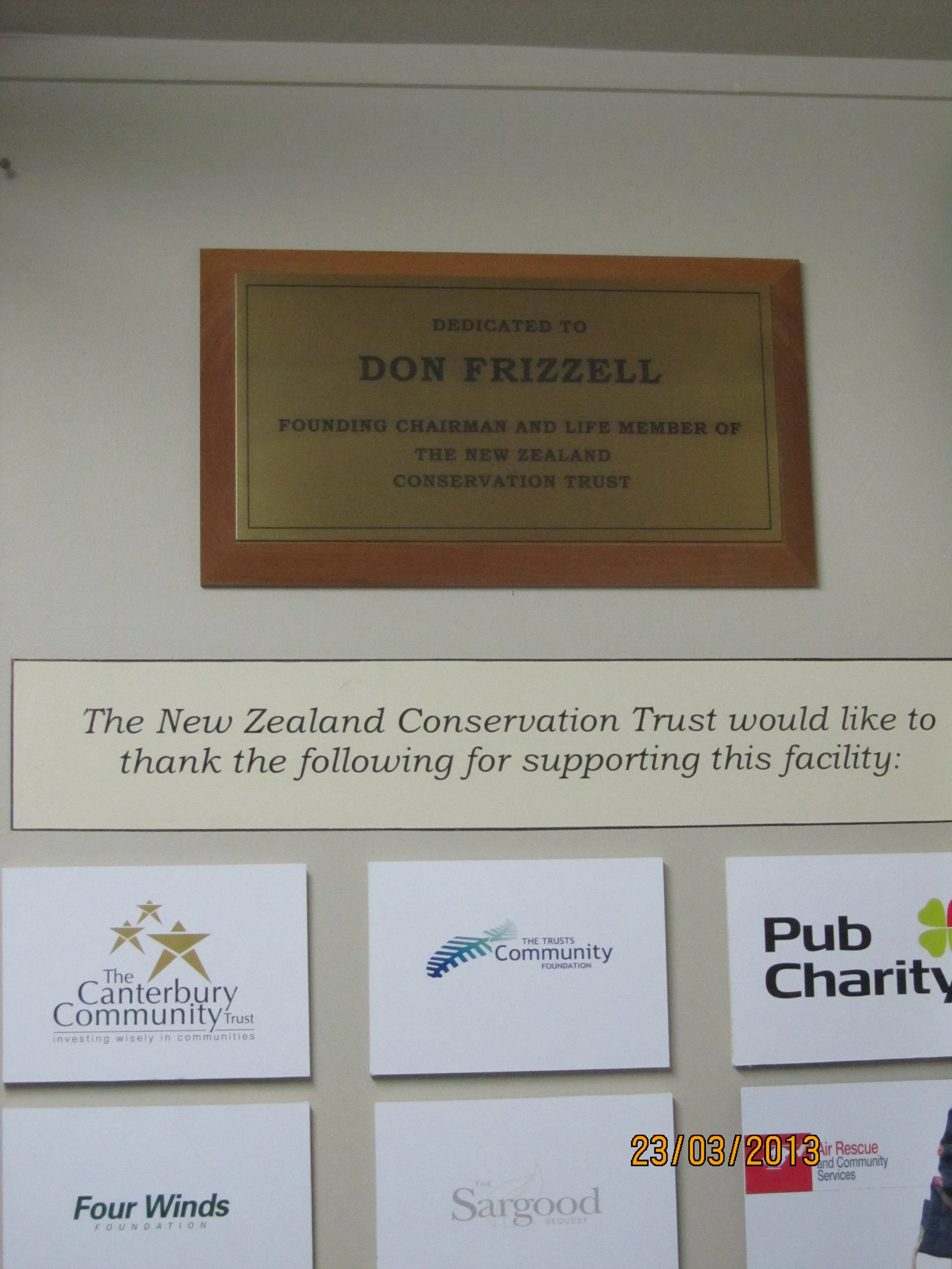
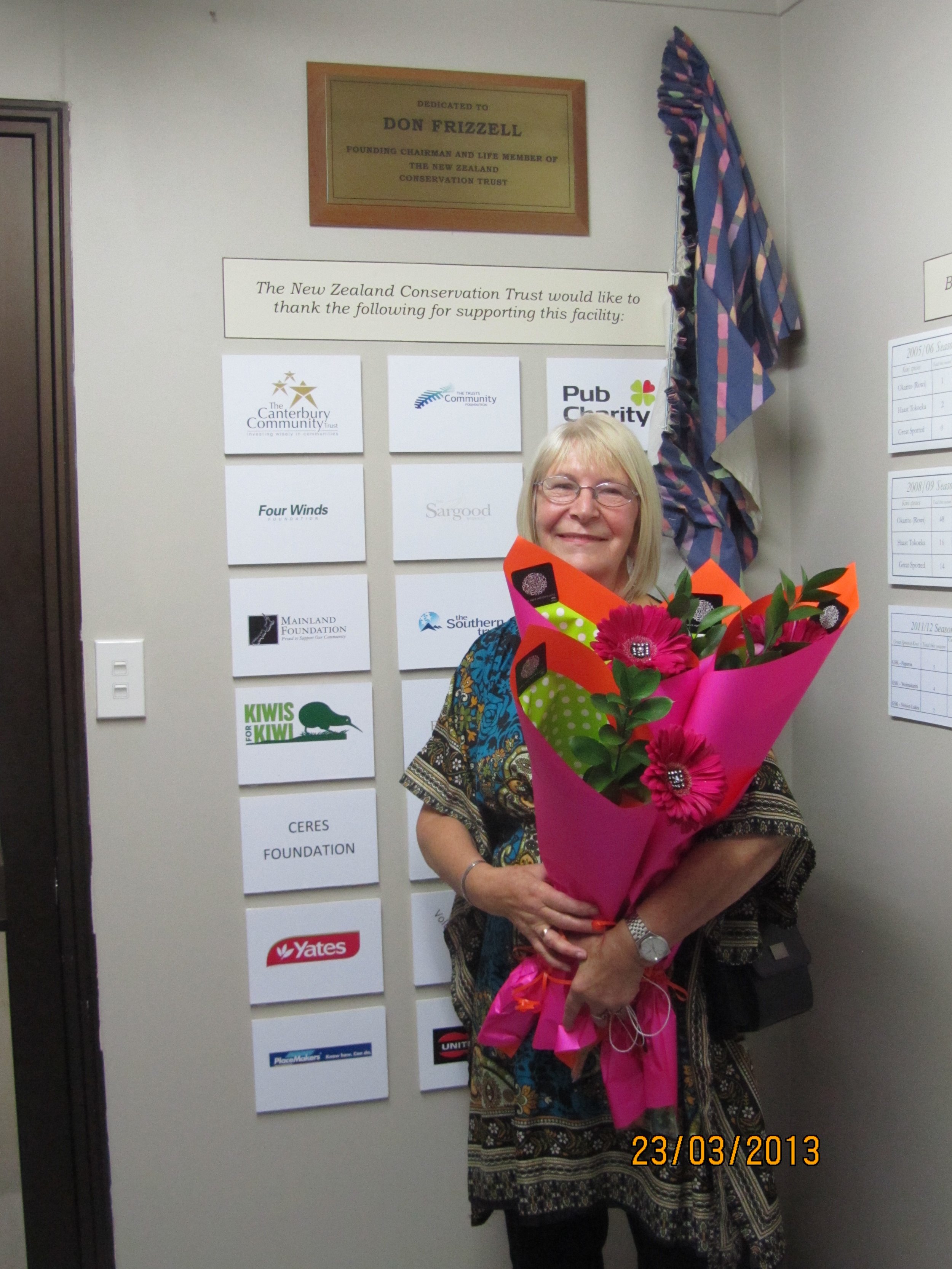
2010 -2019
-
Alterations were carried out at the Kiwi Breeding Centre.
A team of 7 volunteers started at the Kiwi Breeding Centre, they helped to maintain the sterile and clean environment in the breeding centre.
Working bees continued at Craigieburn around what could be a potential second Kiwi Creche site. As well as continued predator control at Craigieburn.
NZCT hosted Gabby Nuthall for her primary teacher fellowship. She immersed her self in learning about the care and conservation of kiwi with our breeding programme.
-
New kiwi creche pens were completed in the predator free area.
Bush clearing at Craigieburn was completed and plans advanced for minor renovations on some of the buildings.
We had 7 visitors from the Environment section of Solid Energy who came and looked at the Kiwi Breeding Facility.
-
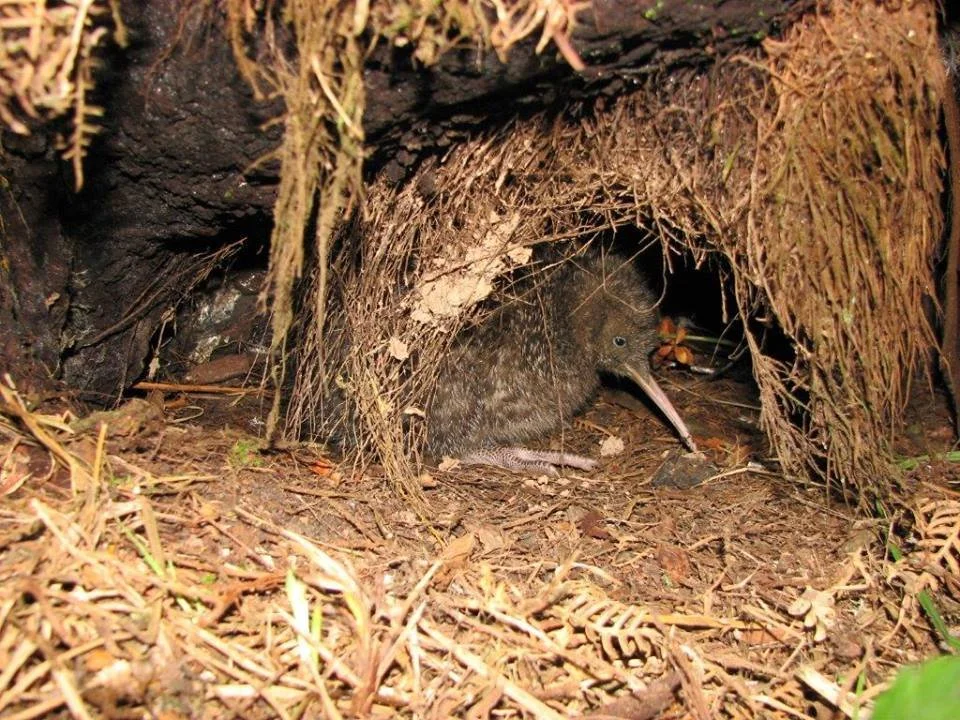
NZCT started to focus on breeding Great Spotted Kiwi chicks.
-
NZCT’s Craigieburn predator control project added an additional 60 traps.
Great Spotted Kiwi eggs from the Buller Coal mine were incubated at our kiwi breeding center.
-
New plants were planted in the Nocturnal House.
-
Richard Moore stood down as Chair after 12 years in the position.
Nicky Wagner, Associate Minister of Conservation and Director of Conservation Services Andy Roberts were given a tour of the breeding Center.
NZCT raised funds to help with the purchasing of materials for a new whio aviary as well as an upgrade on the lighting in the nocturnal house.
-
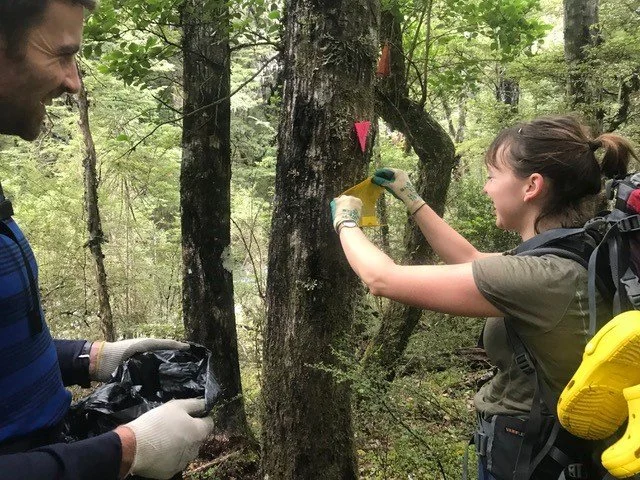
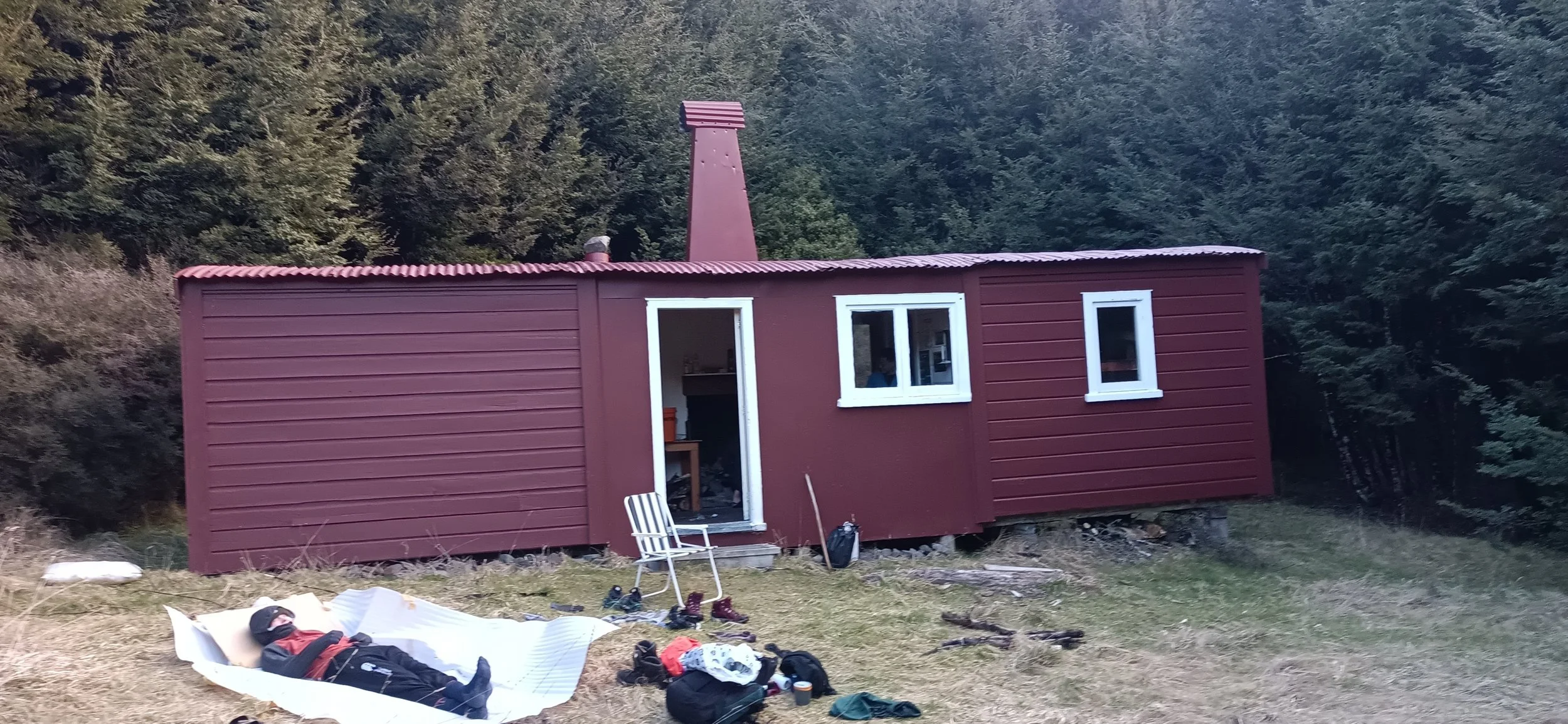
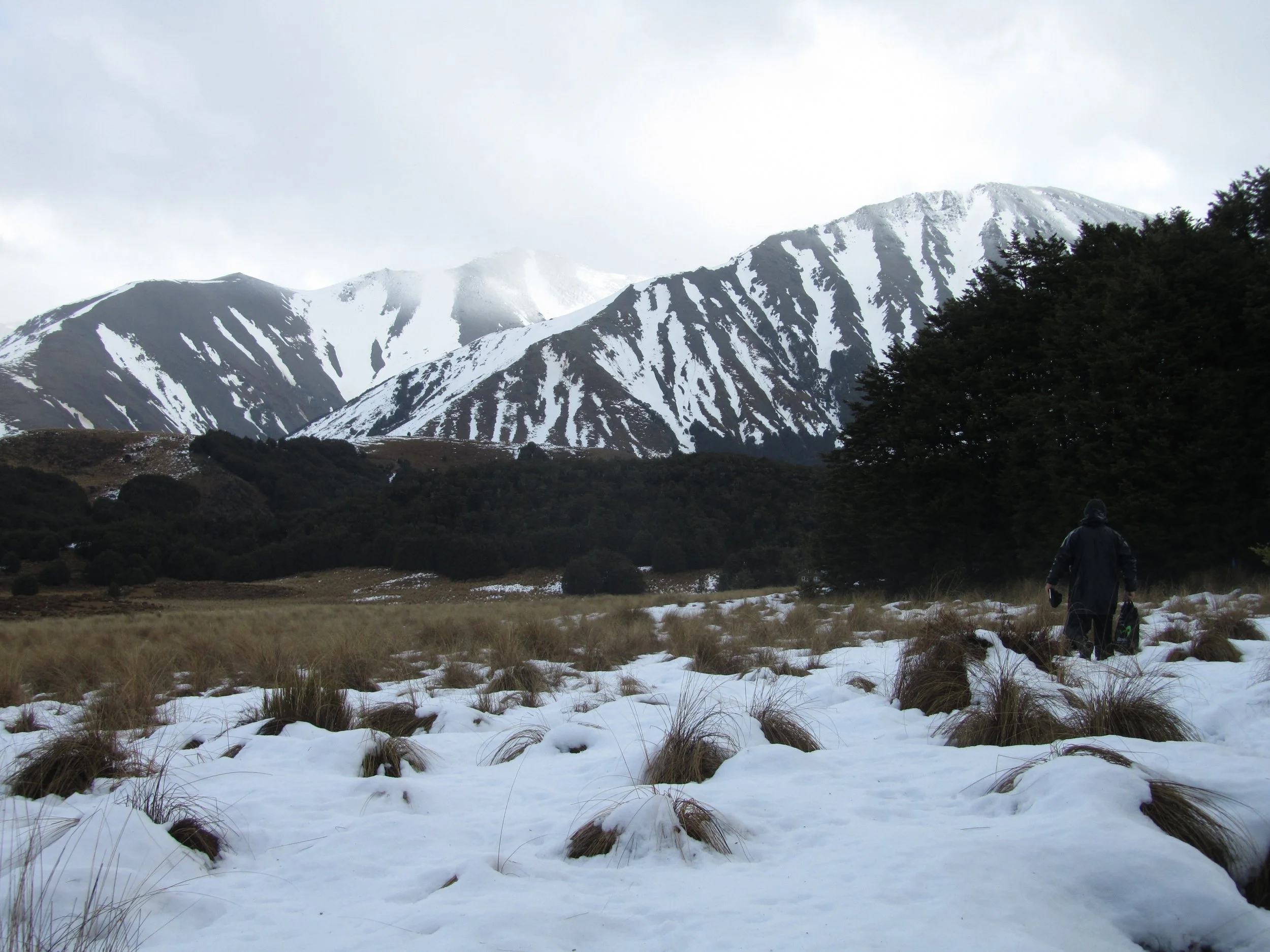
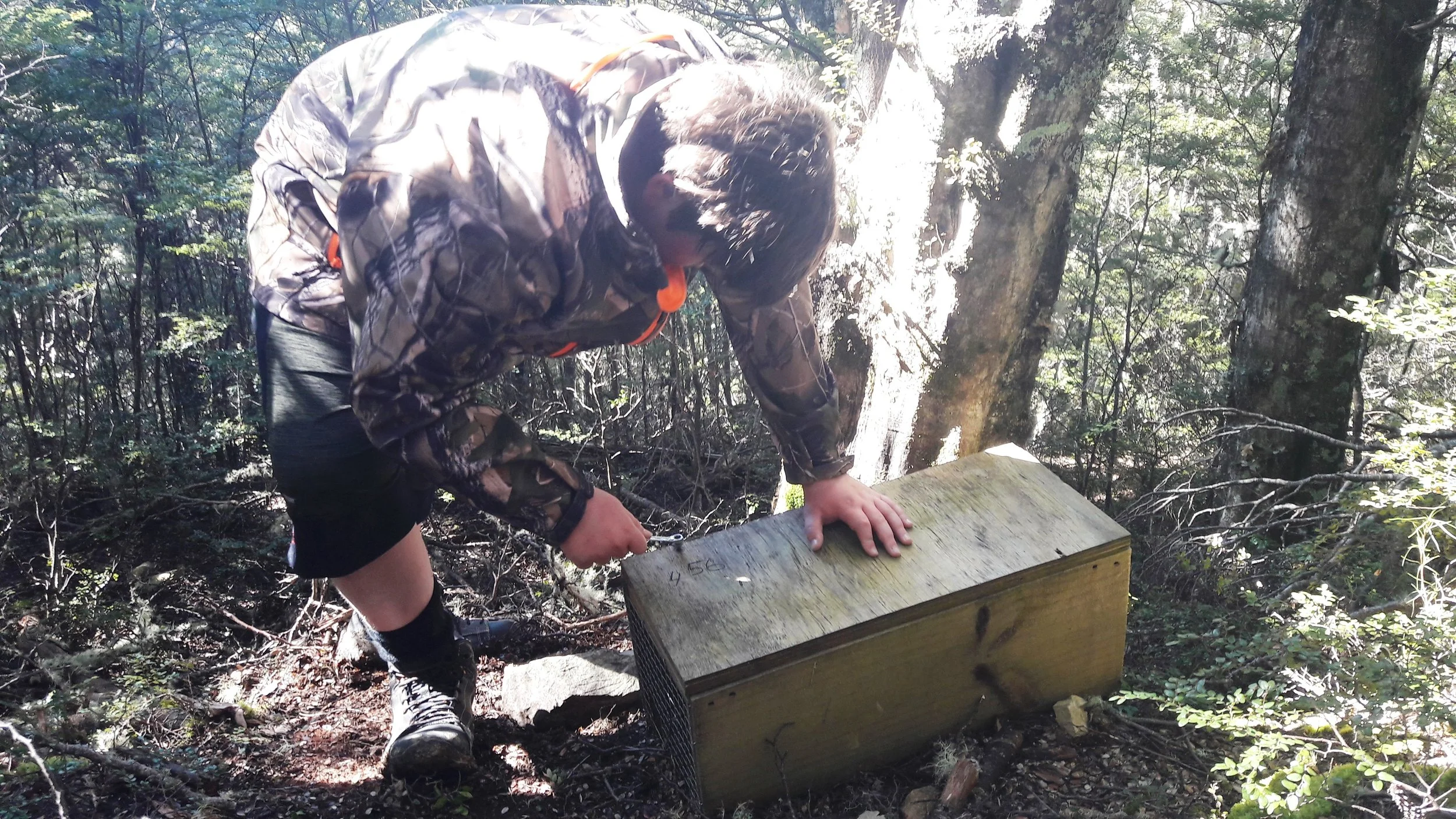
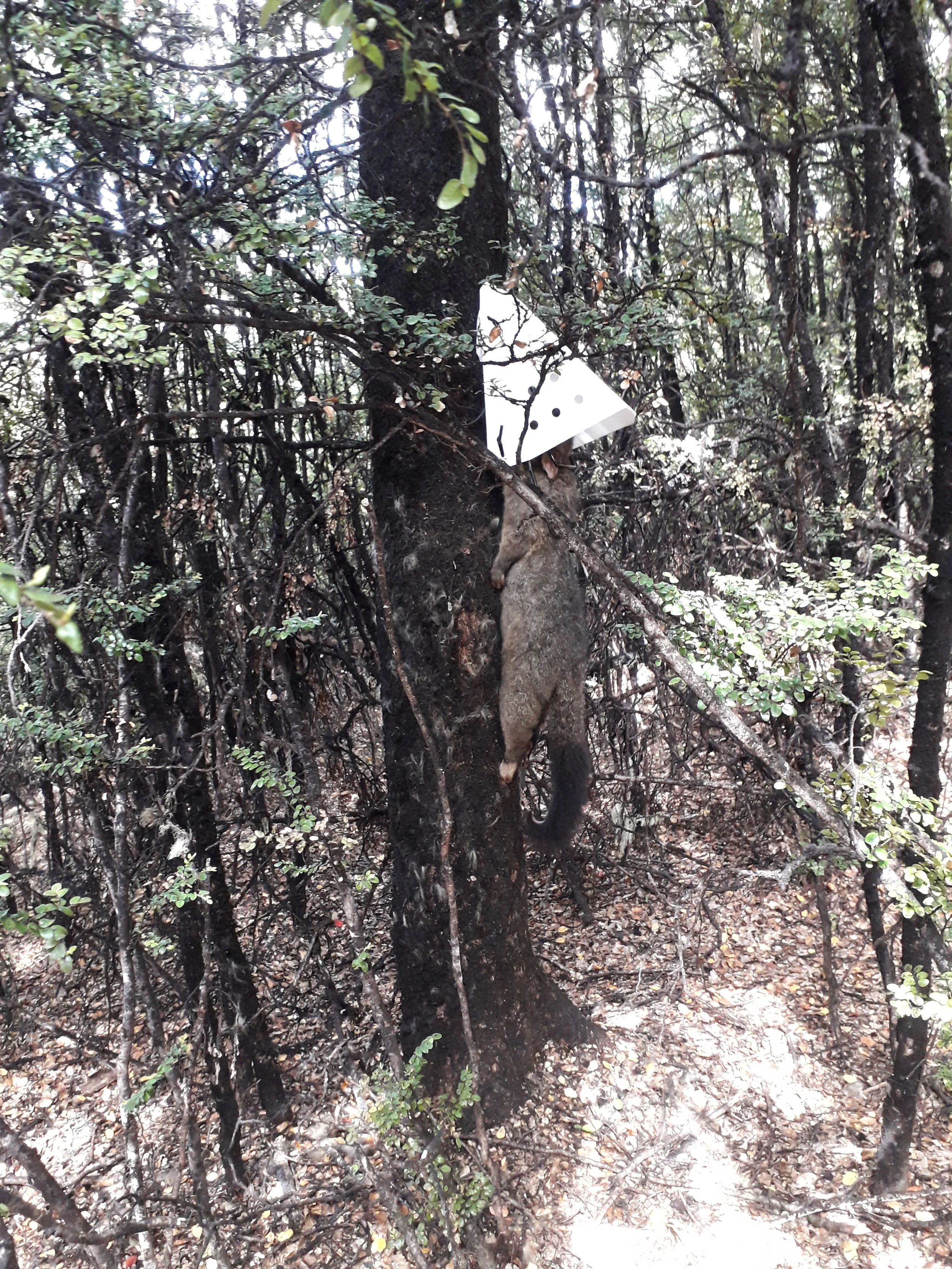
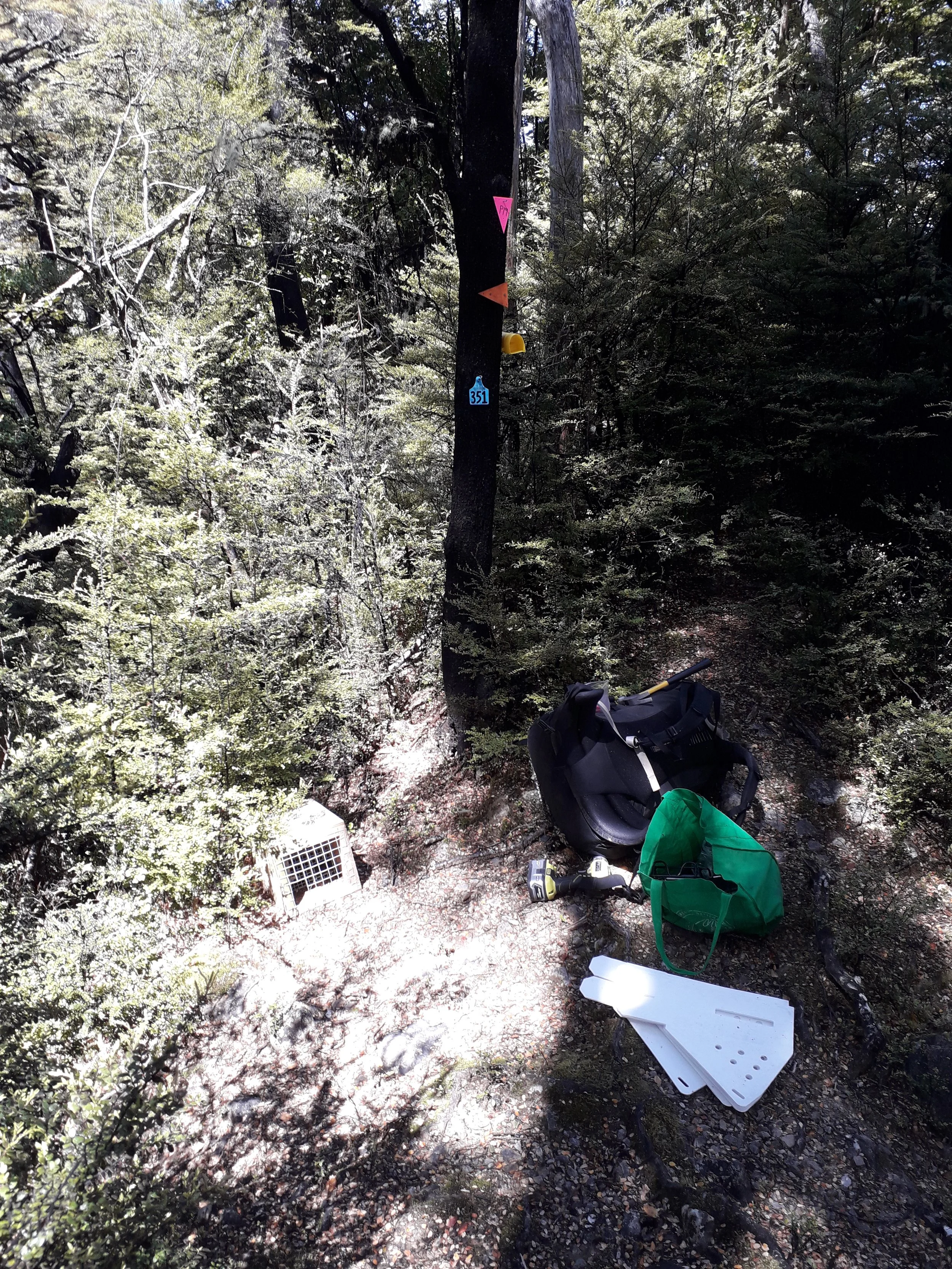
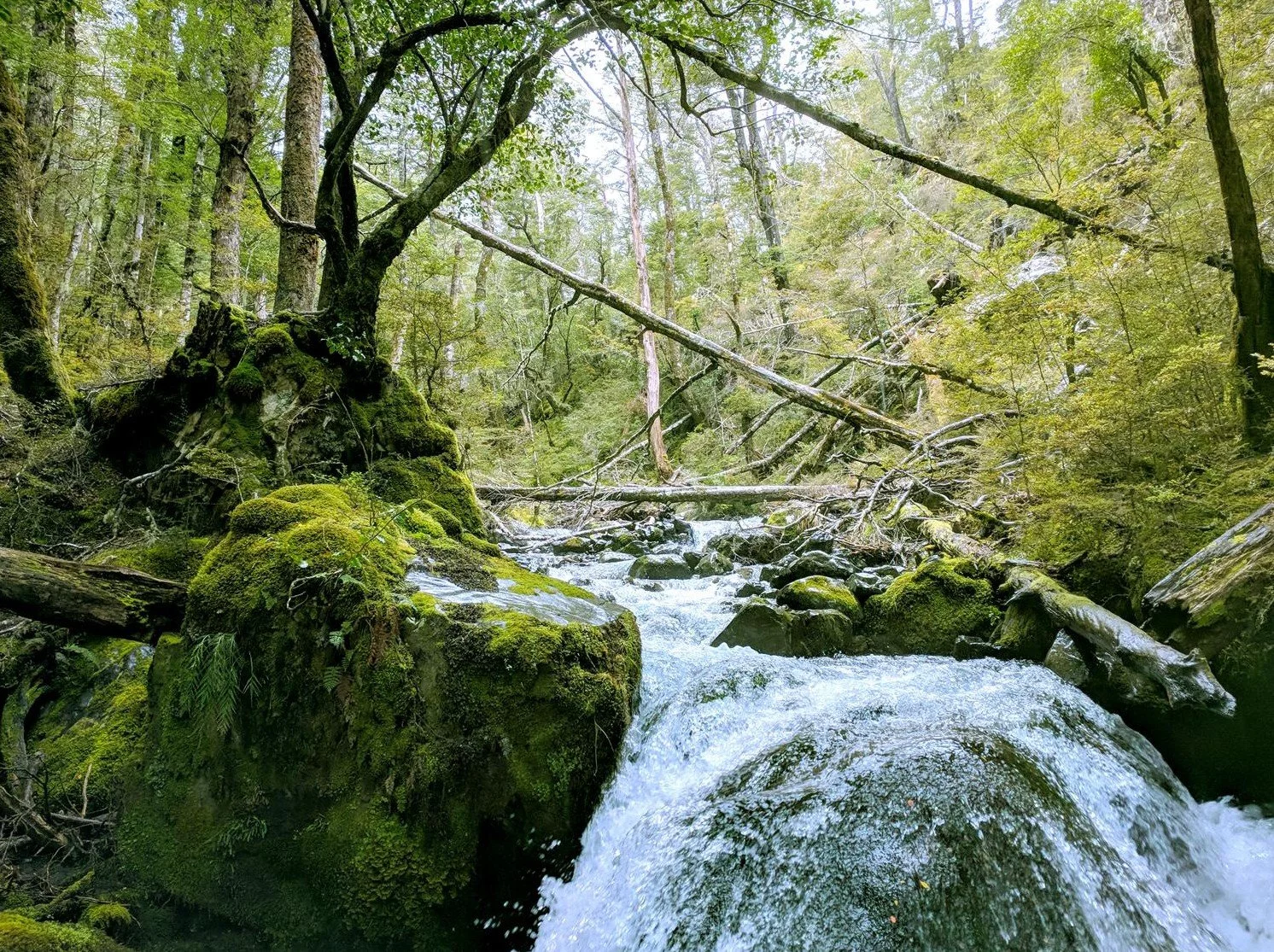
The Carlyle Predator control project started and renovations to the Carlyle hut were started.
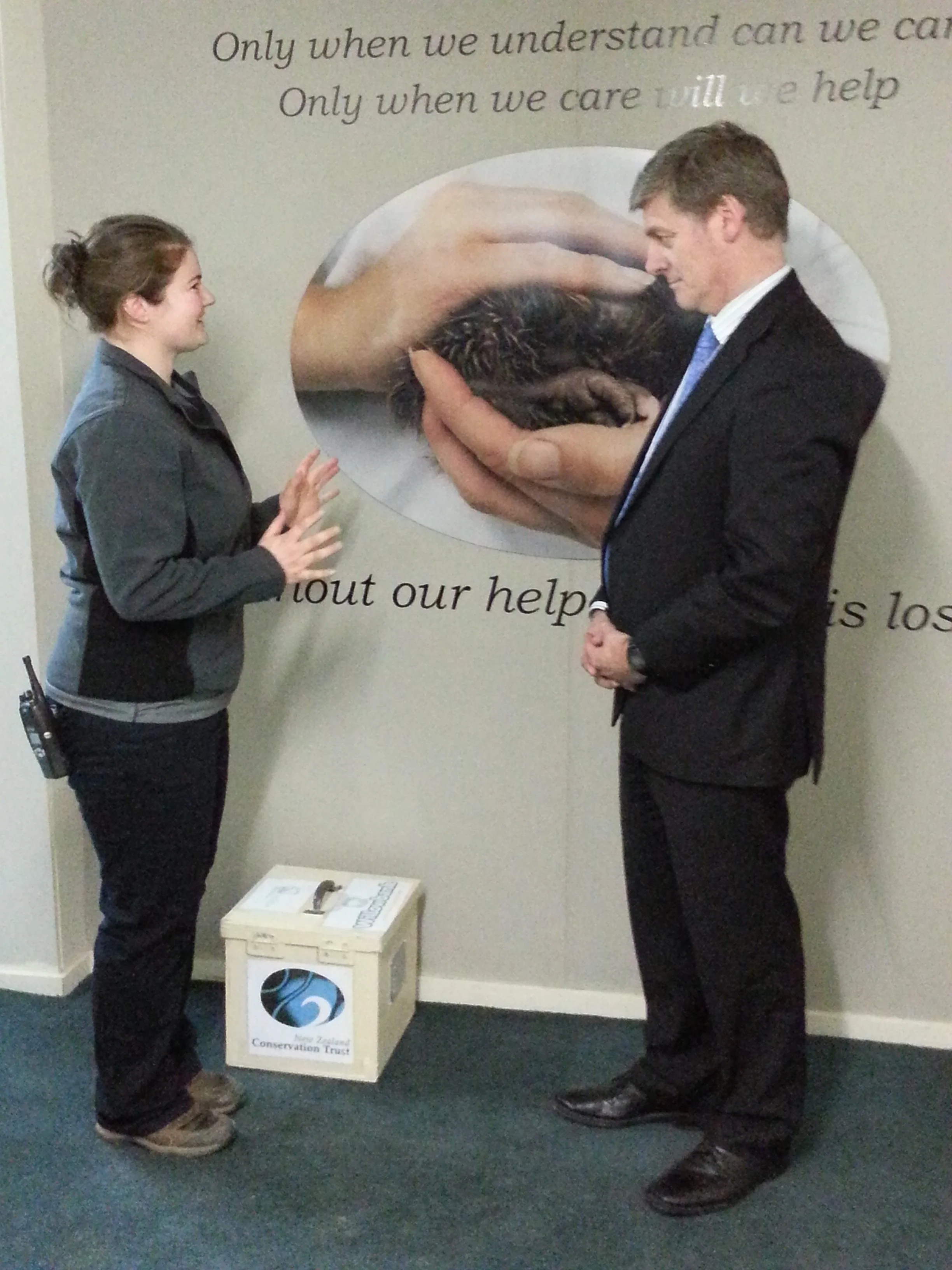
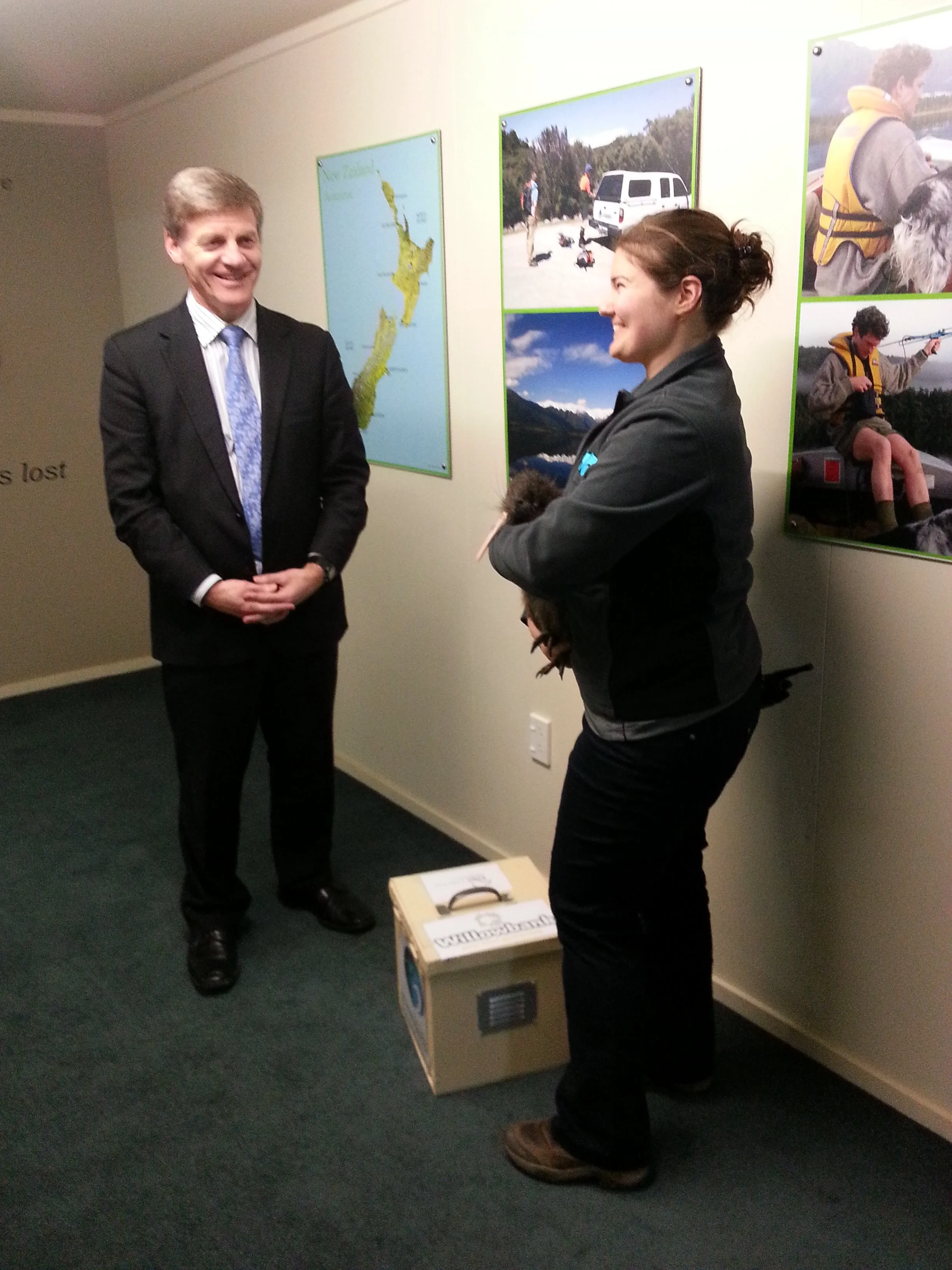
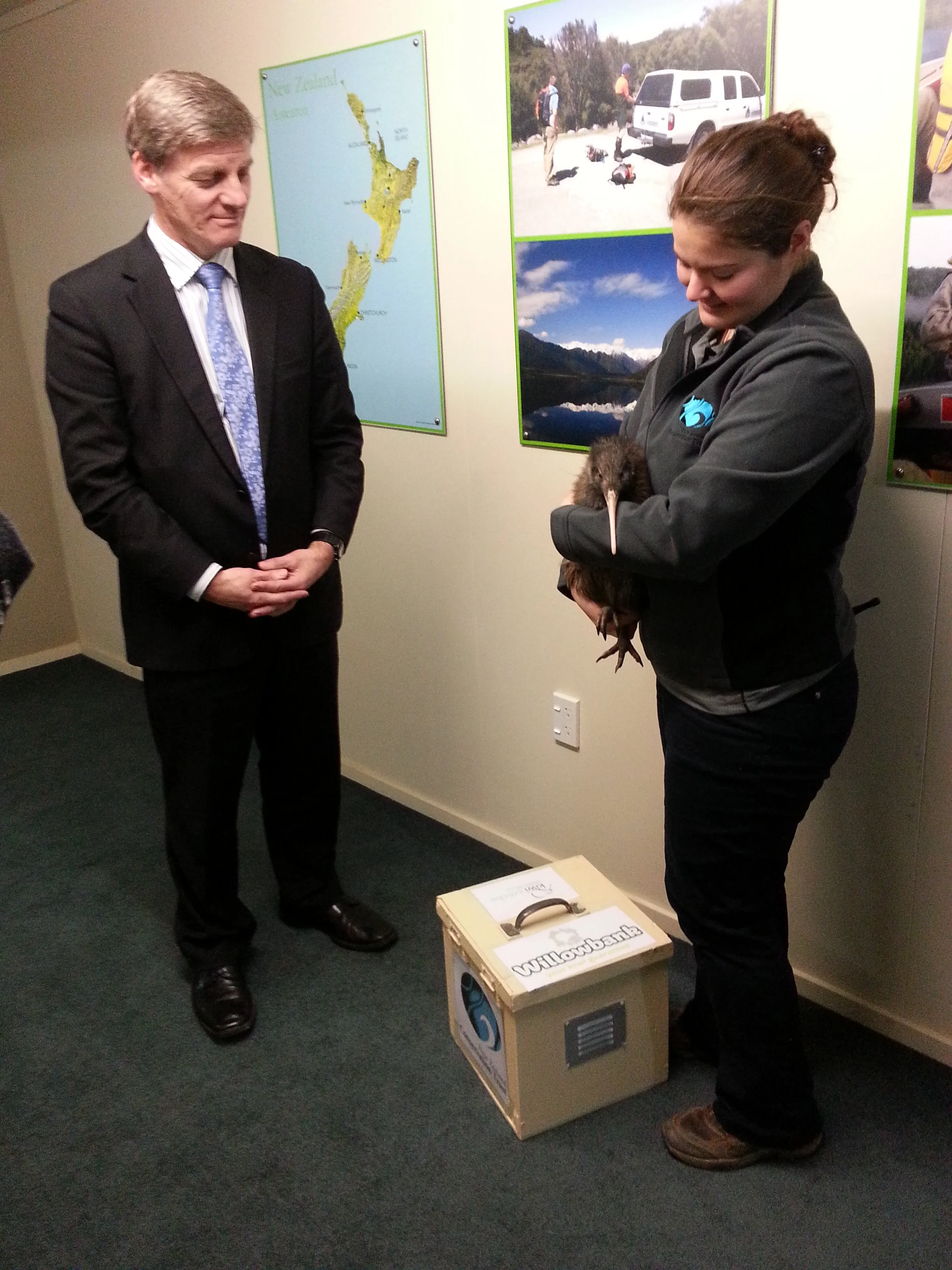
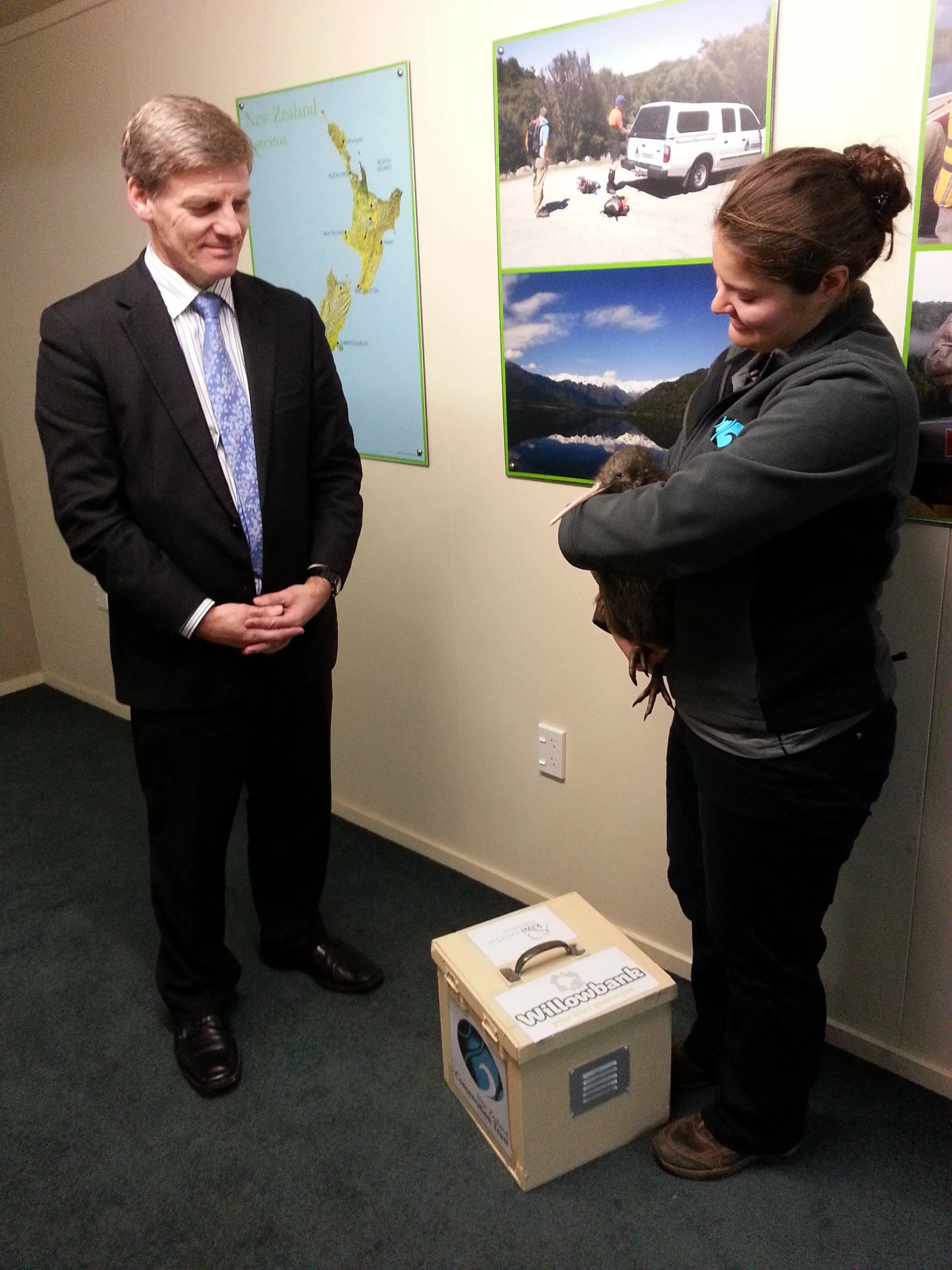
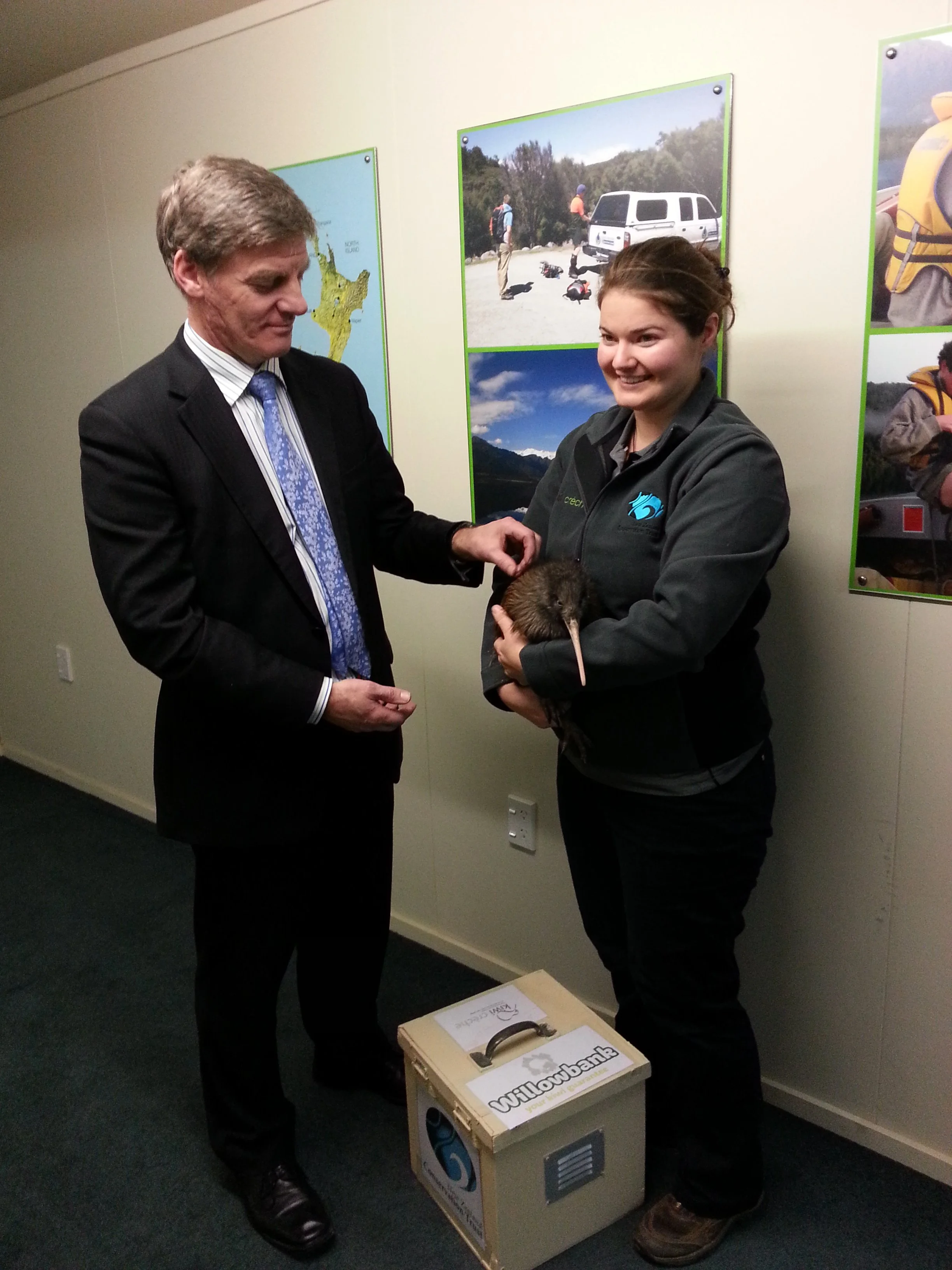
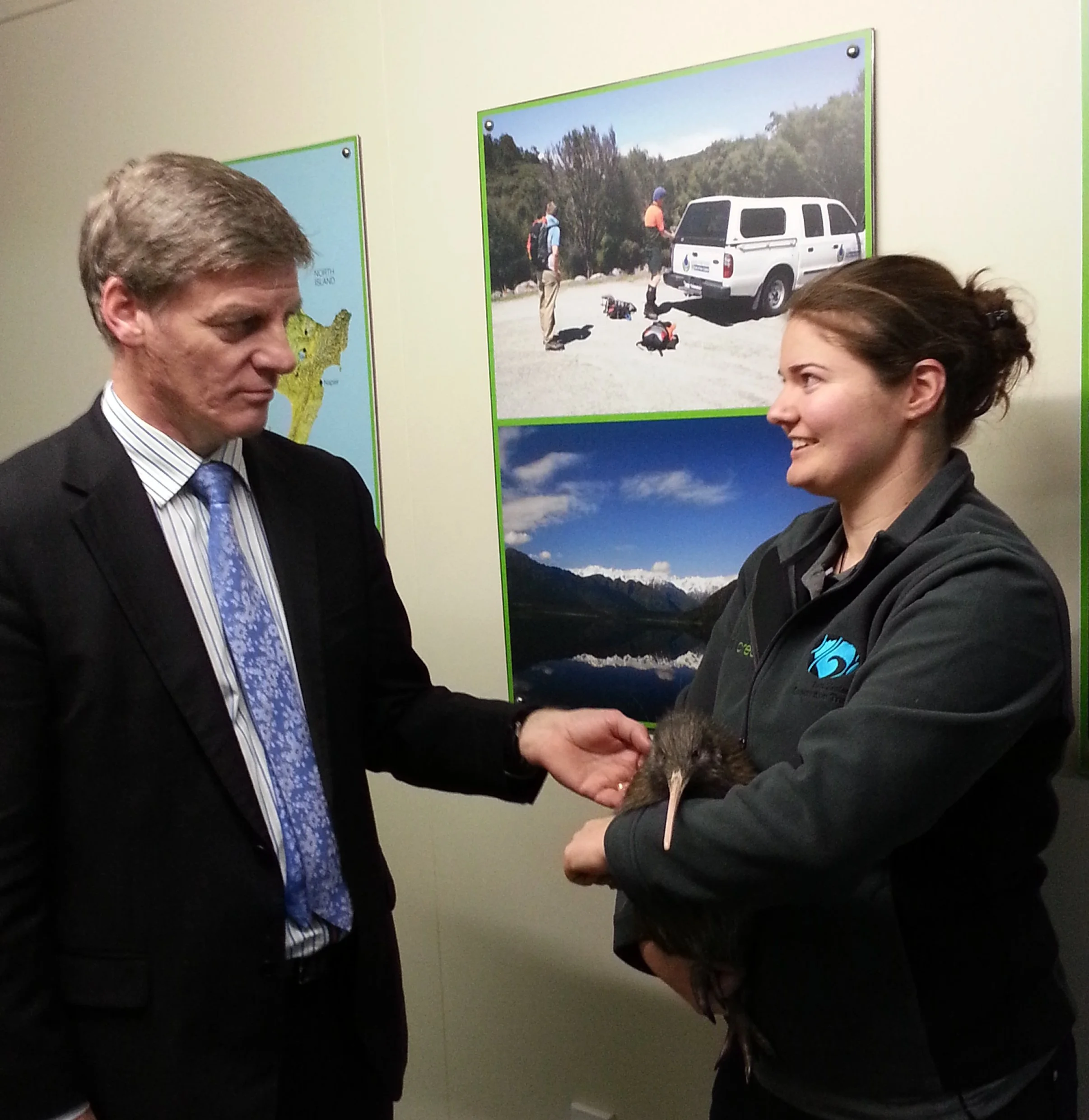
Minister of Finance, Bill English visited the Kiwi Breeding Center.
-
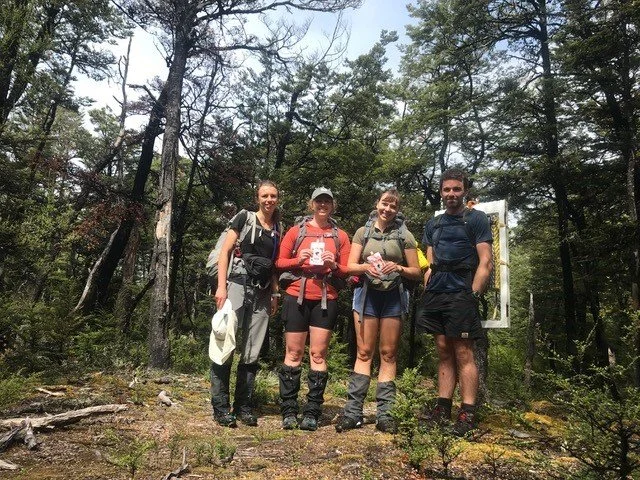
The first bird and bat survey was carried out in the Carlyle Valley.
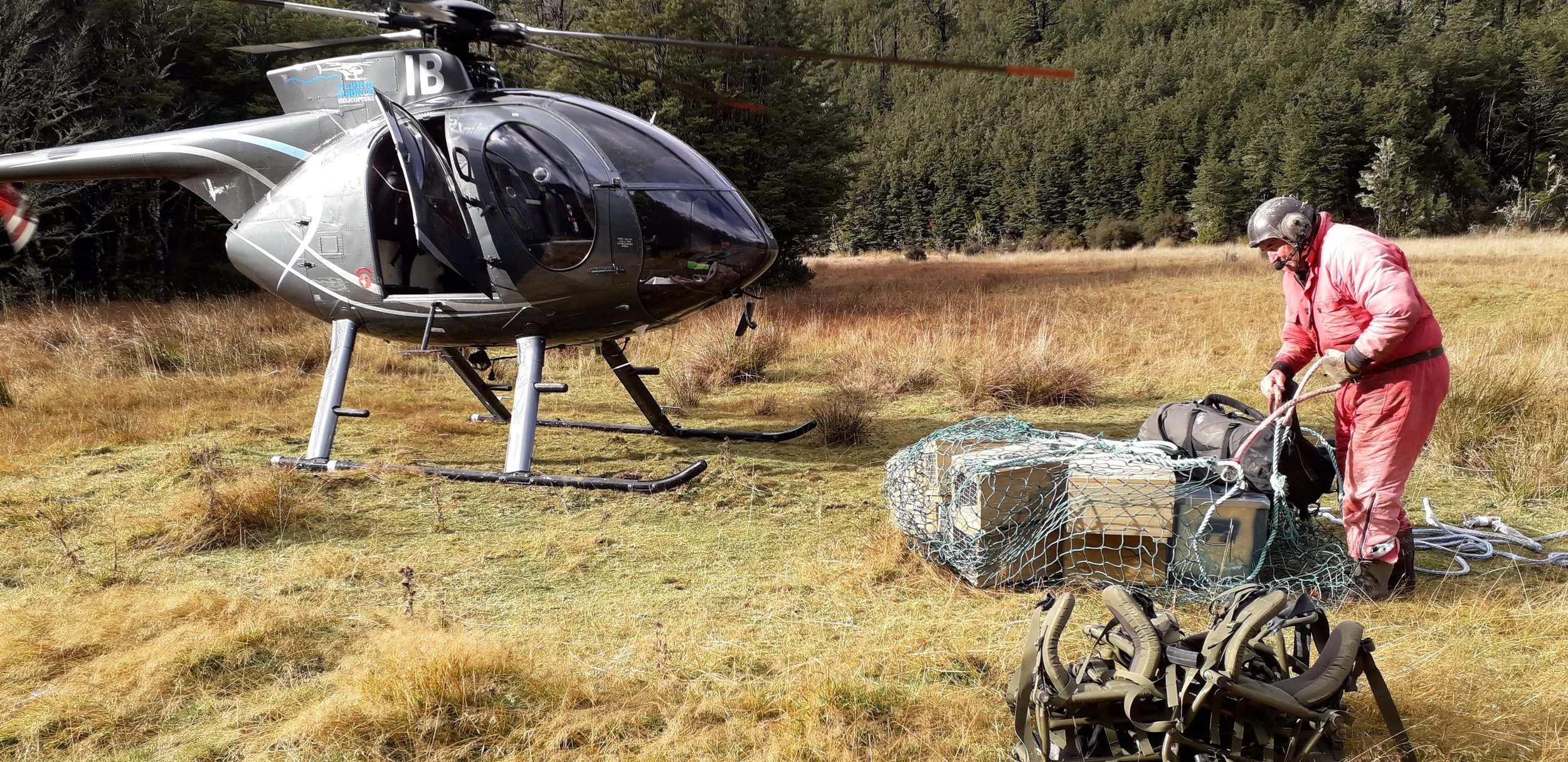
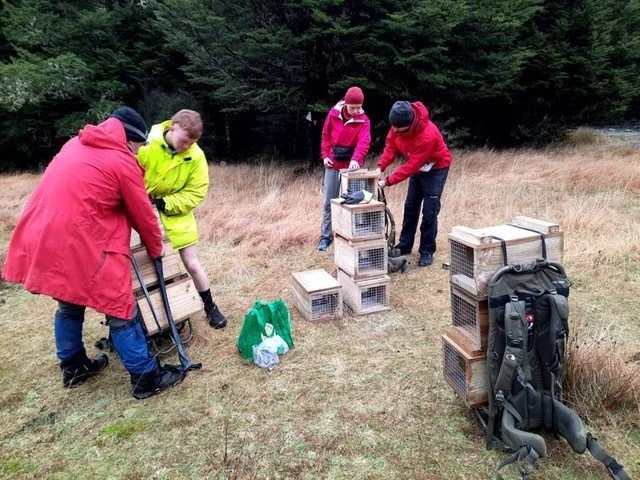
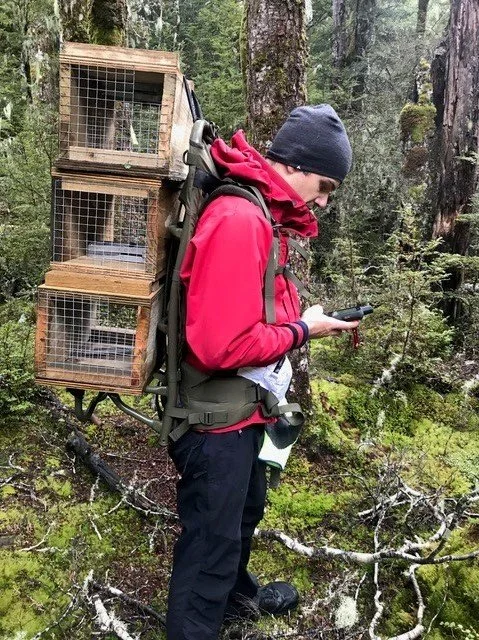
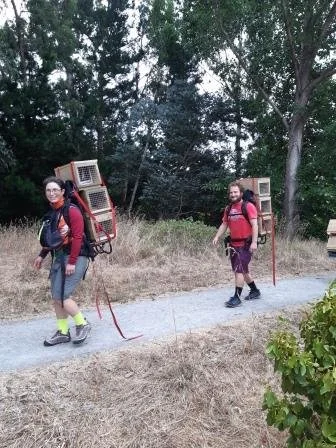
The first lot of traps were helicoptered into the Carlyle valley ready for deployment.
-
NZCT handed over the management of the Kiwi Breeding center to Willowbank, although NZCT retained ownership of the building. The day to day management of the progamme was now in Willowbanks hands.
NZCT released their 20 year lease at the Craigieburn site as it became clear a second kiwi breeding creche would not happen here and management of the traplines where taken over by the Craigieburn Trapping Alliance.
Wasp control was carried out in the Carlyle Valley.
-
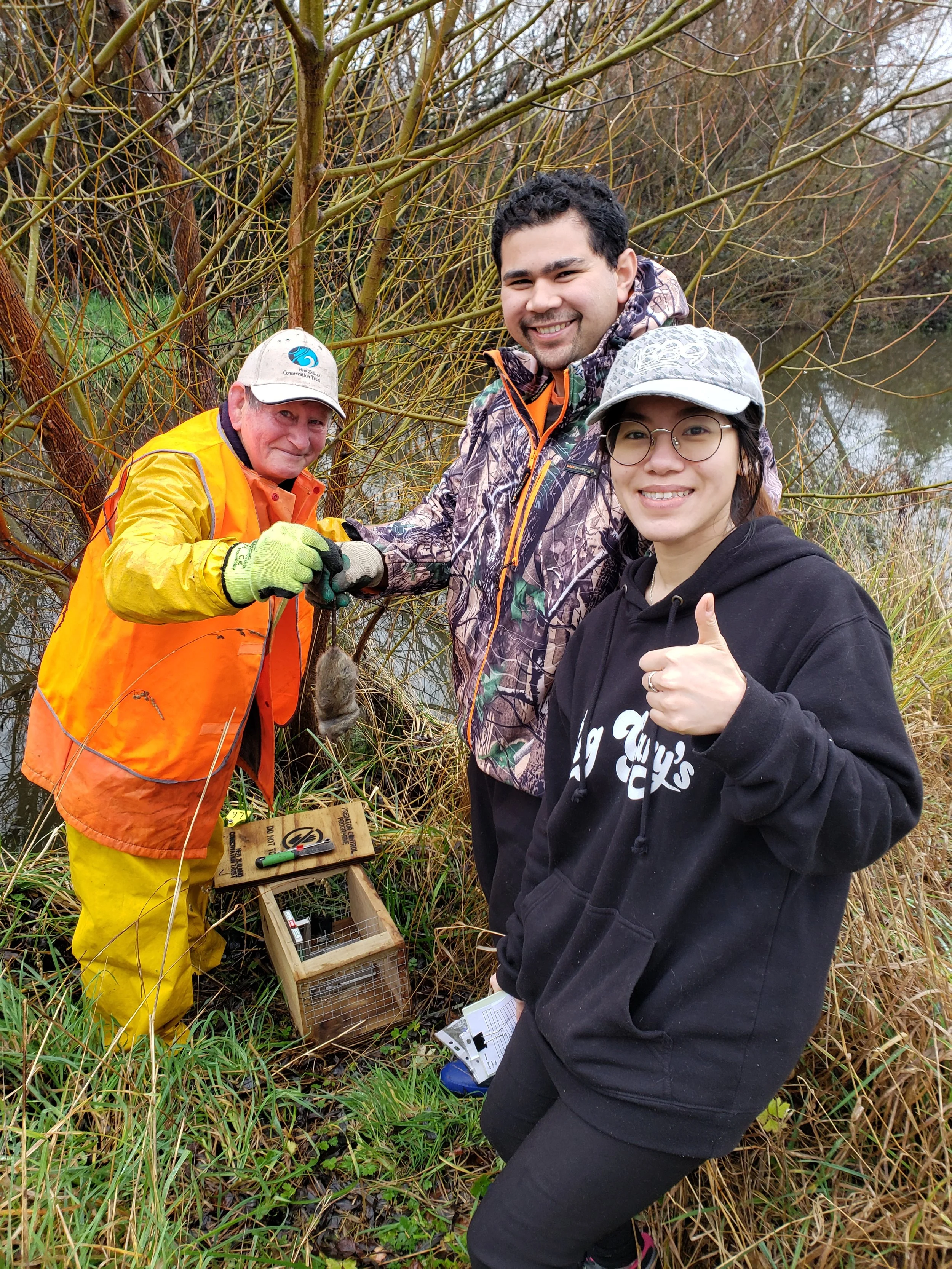
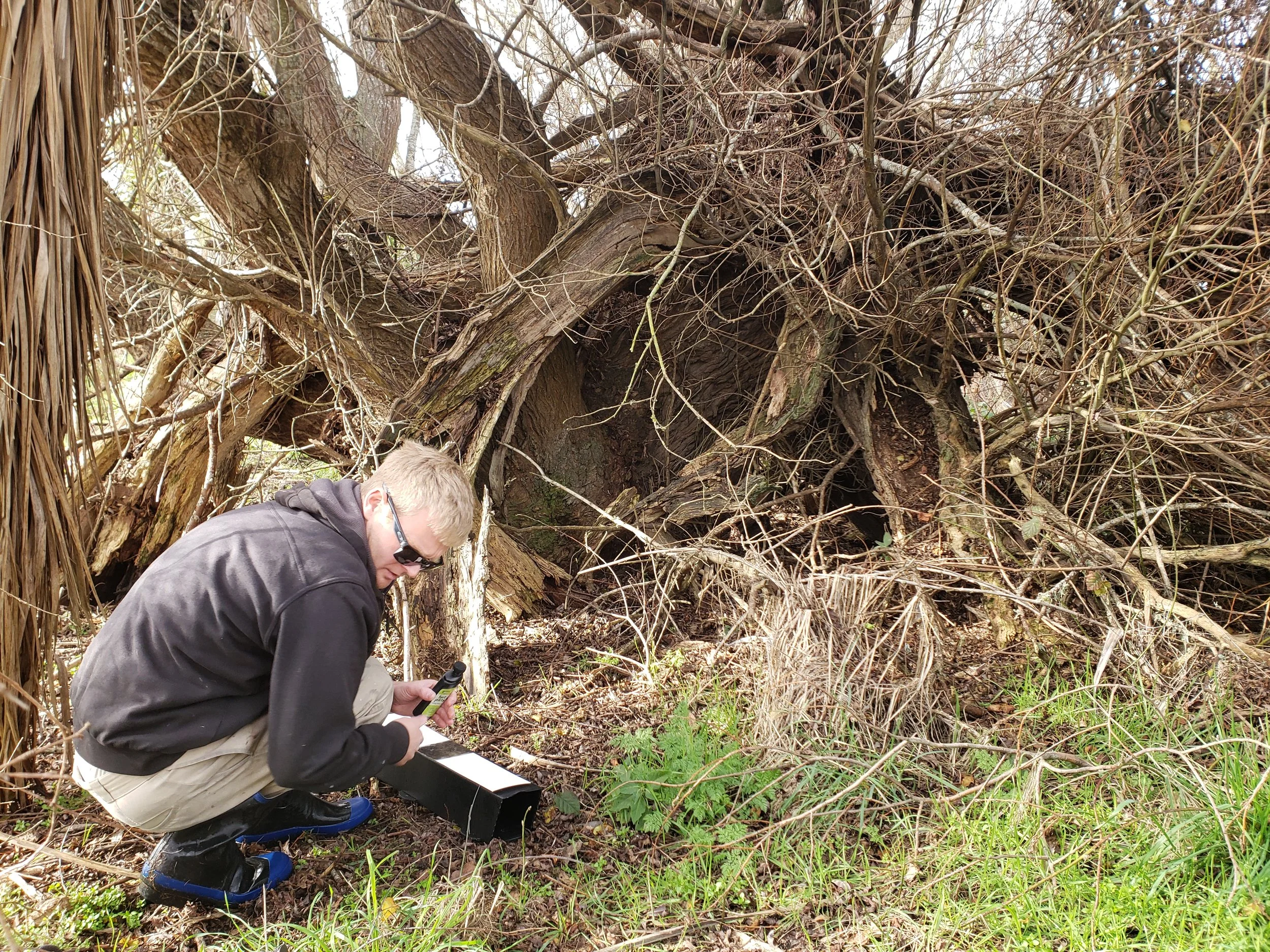
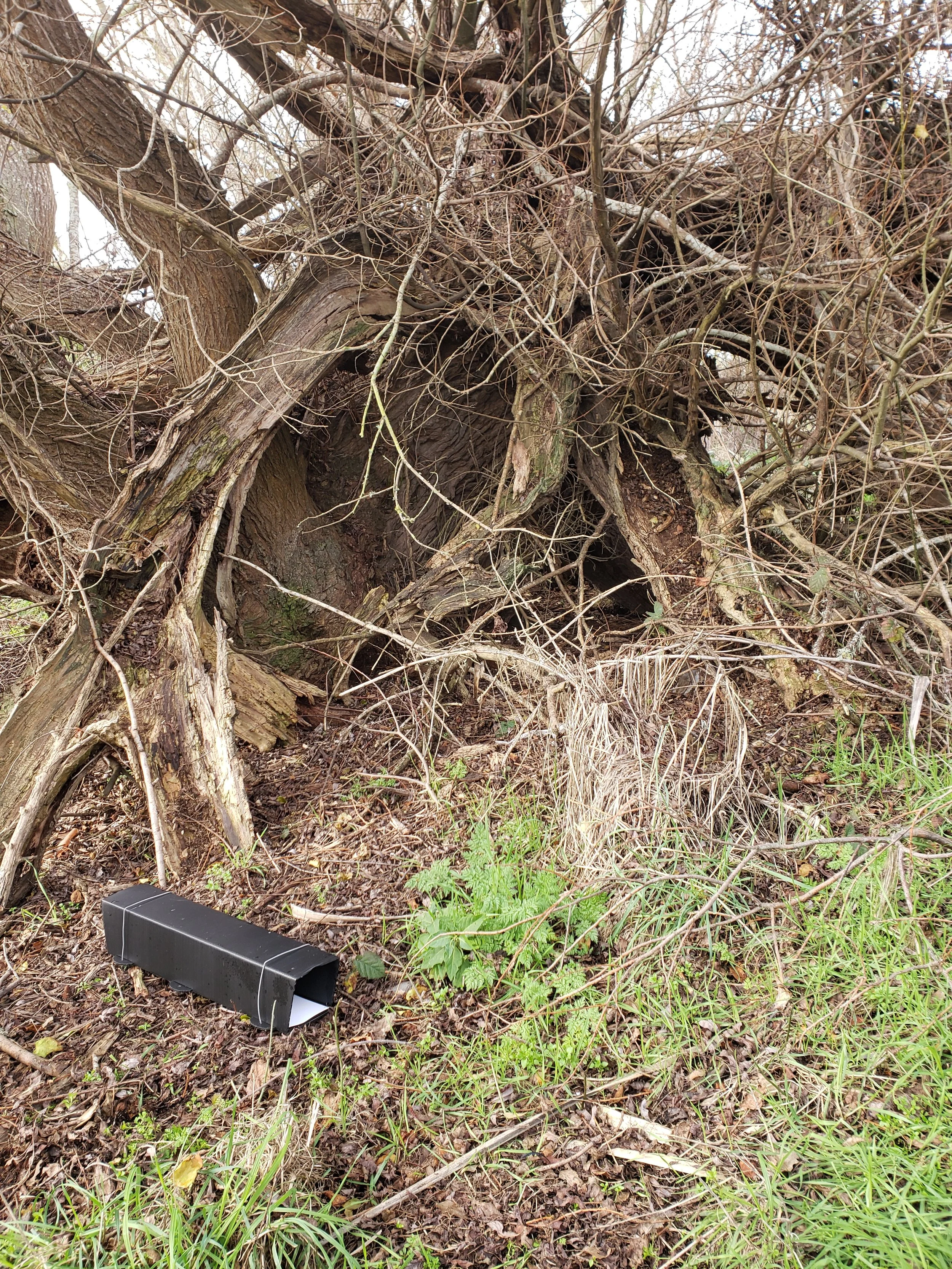
Trapping at the Styx Mill and Radcliffe Road Reserves were looked into. After receiving funds from both the Mazda Foundation and Environment Canterbury, these traplines were put in place.
The Trust began working with students from the Canterbury University on their research topics . The first one was to confirm that the trapping methods we are using have the most effective outcome.
2020 -
-
COVID arrived !
A Whio duck survey was carried out at the Carlyle Valley to determined if it was a potential release site for Whio.
NZCT offered support to the Cass Trapping group for predator control in the Cass Valley. Funds were applied for to carry out a bird survey in the valley.
Predator control officially begin at the Styx Mill Reserve.
-
26 Grass Skinks from the Highstead Project were released into the Styx Mill Reserve.
A second Canterbury University research project was supported by the Trust. This research investigated whether willows are a help or hindrance to regeneration. This was carried out in the Styx Mill Reserve.
Another survey was carried out in the Carlyle Valley on invertebrates, skinks, geckos and birds.
-
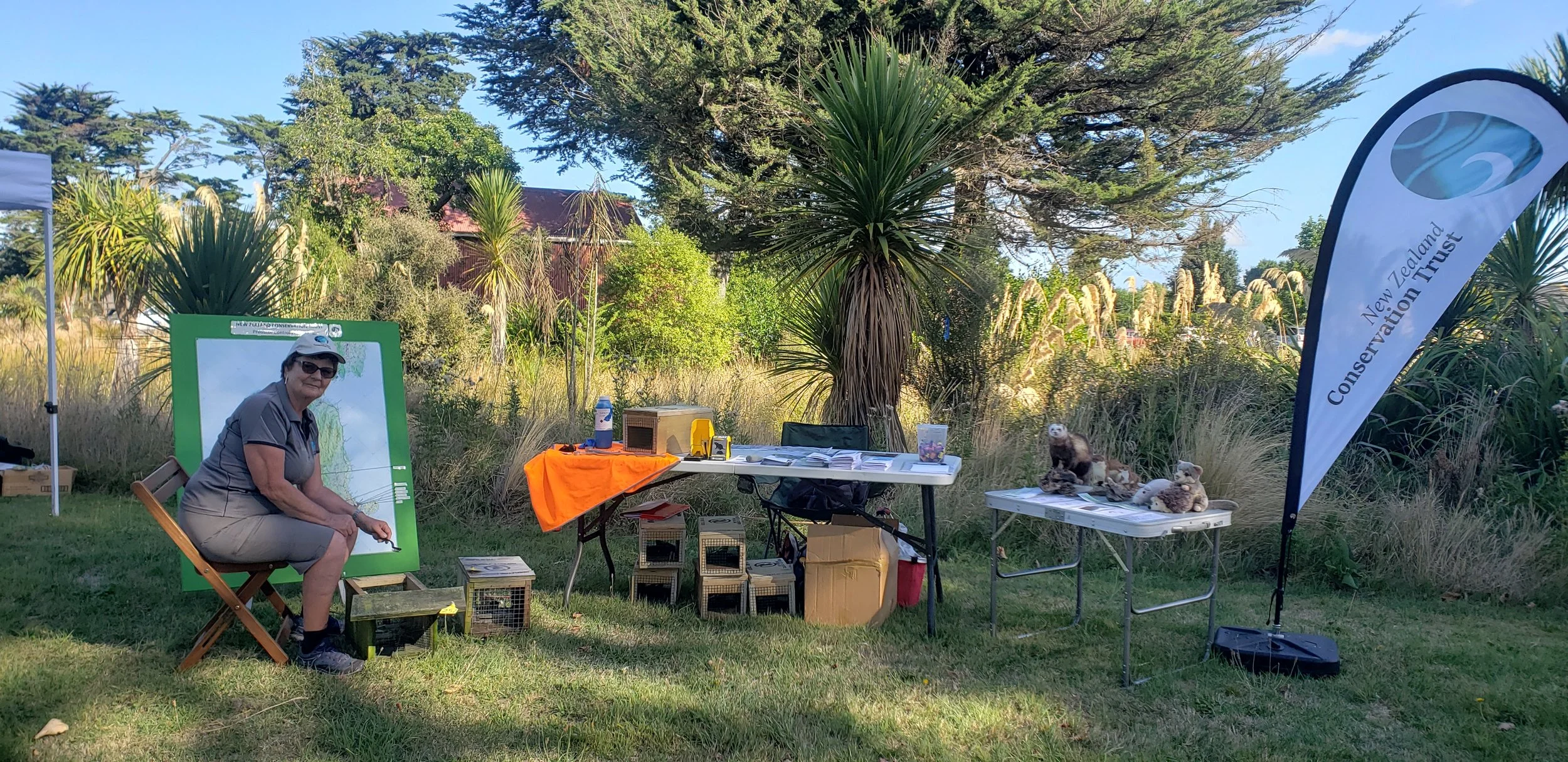
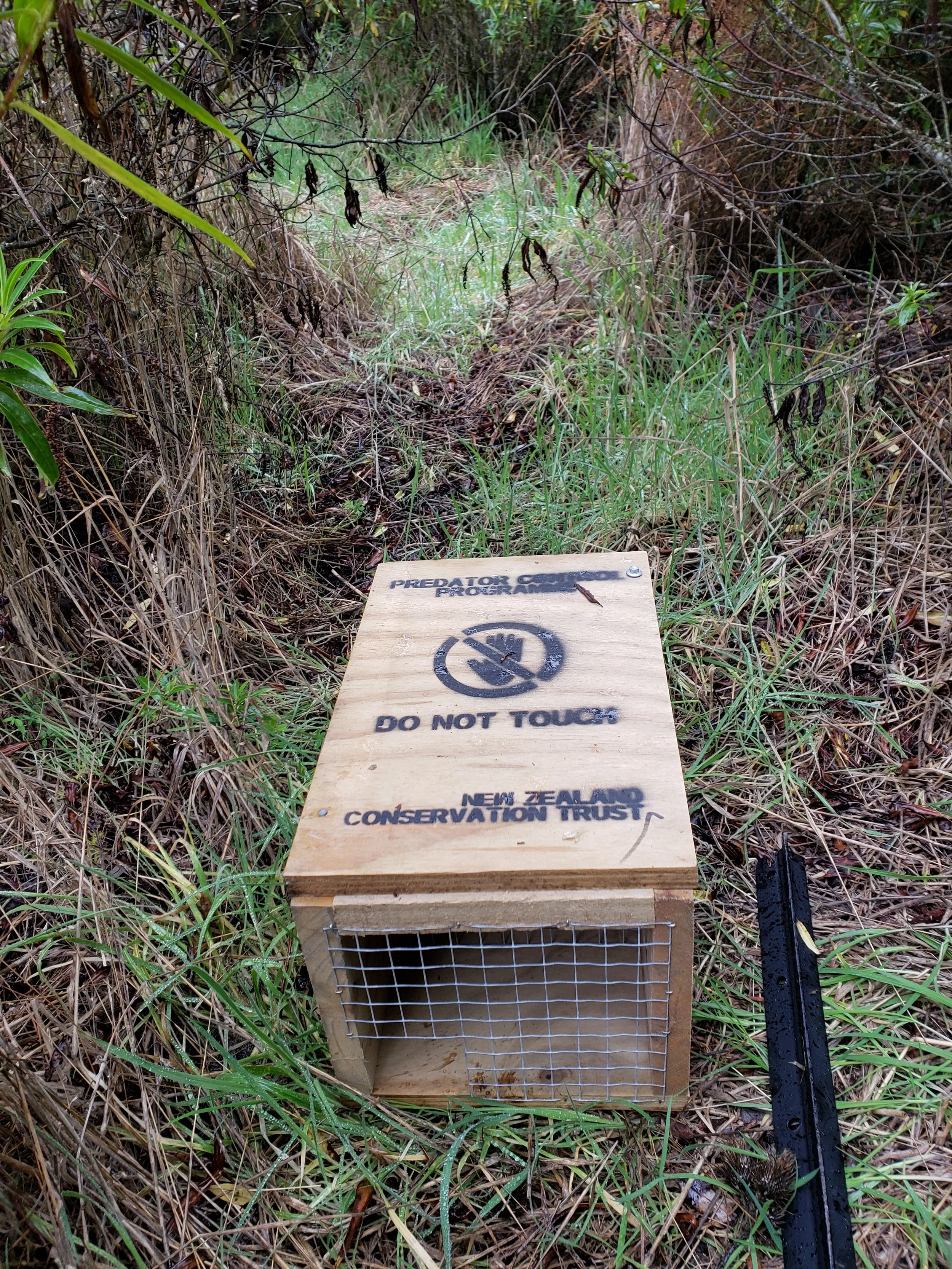
The Northwood Men’s Breakfast Group helped to raise funds to purchase the materials needed for the traps for the backyard trapping library the Trust was trialing.
Bishopdale Men’s shed made the trapping boxes for the Trust.
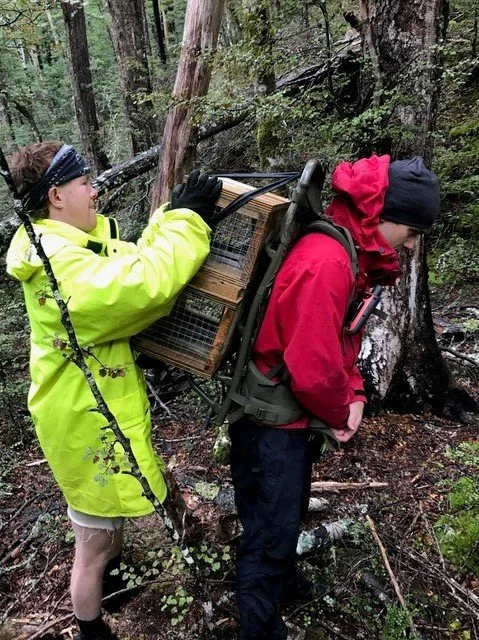
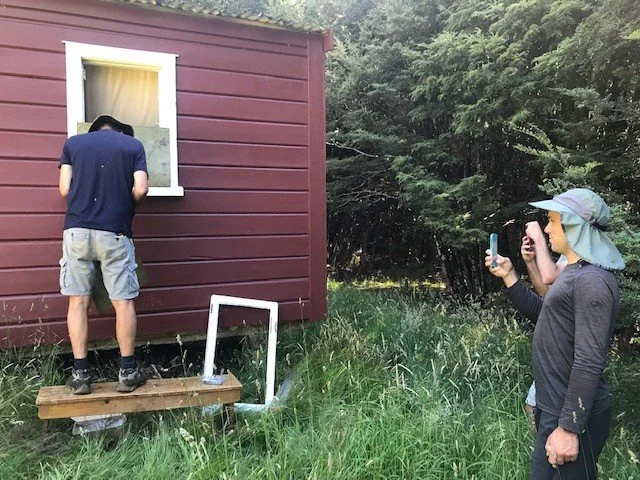
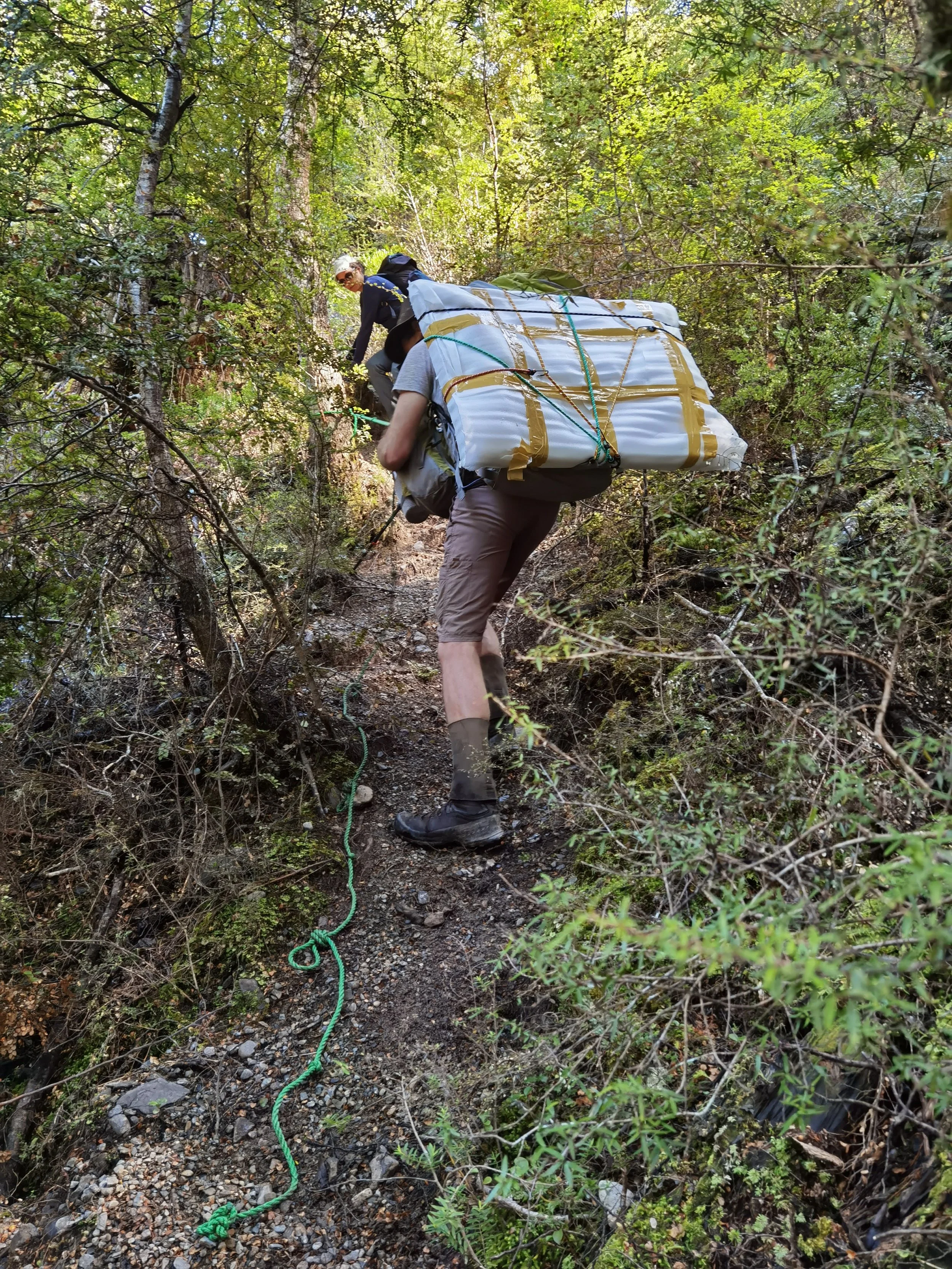
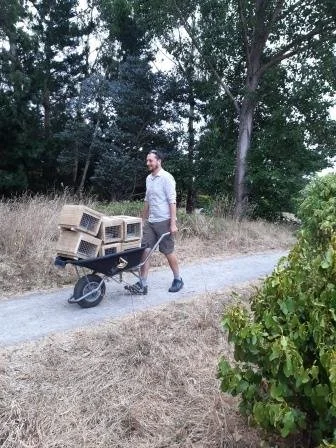
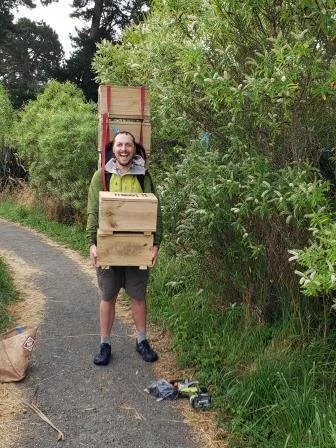
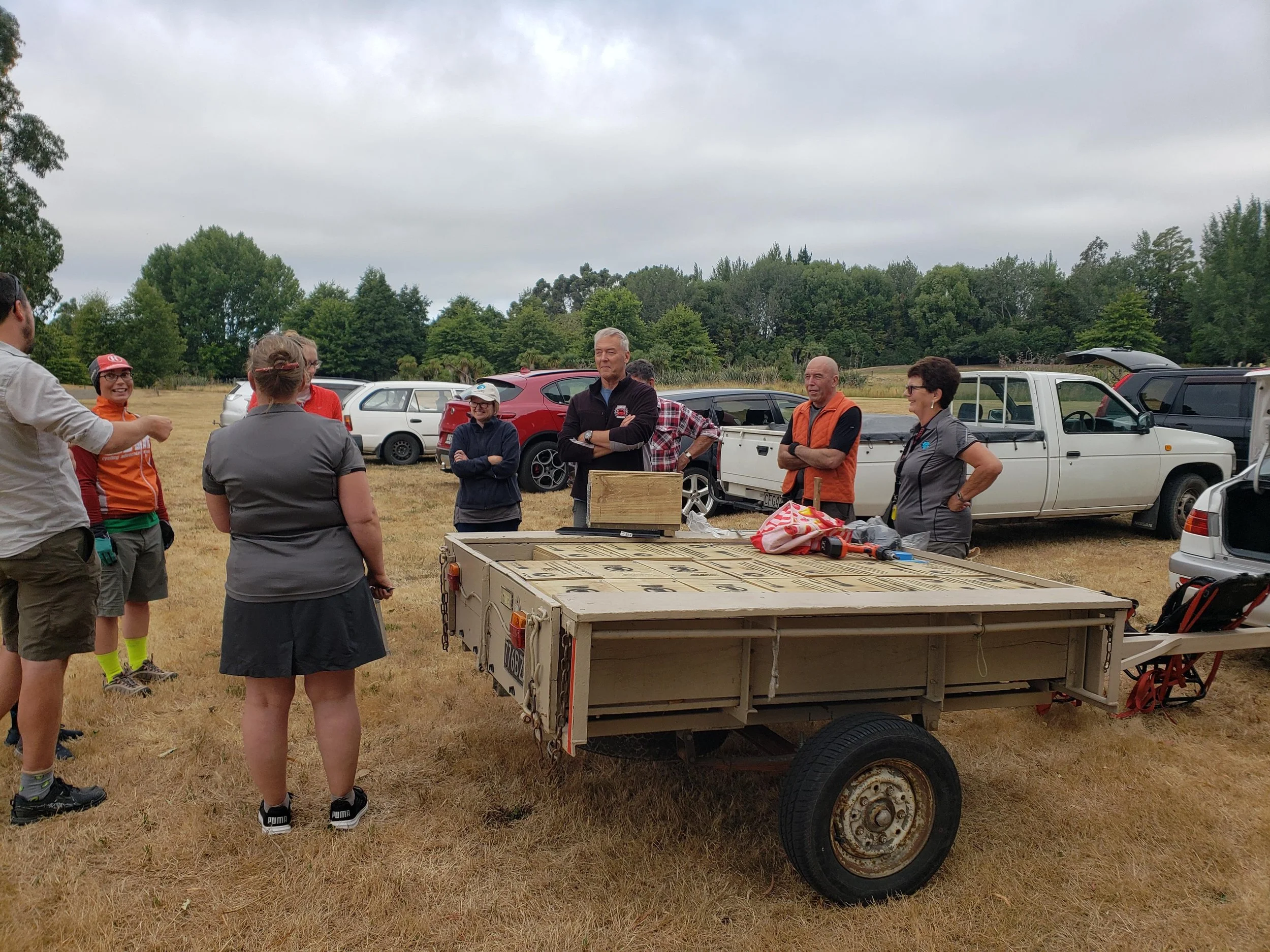
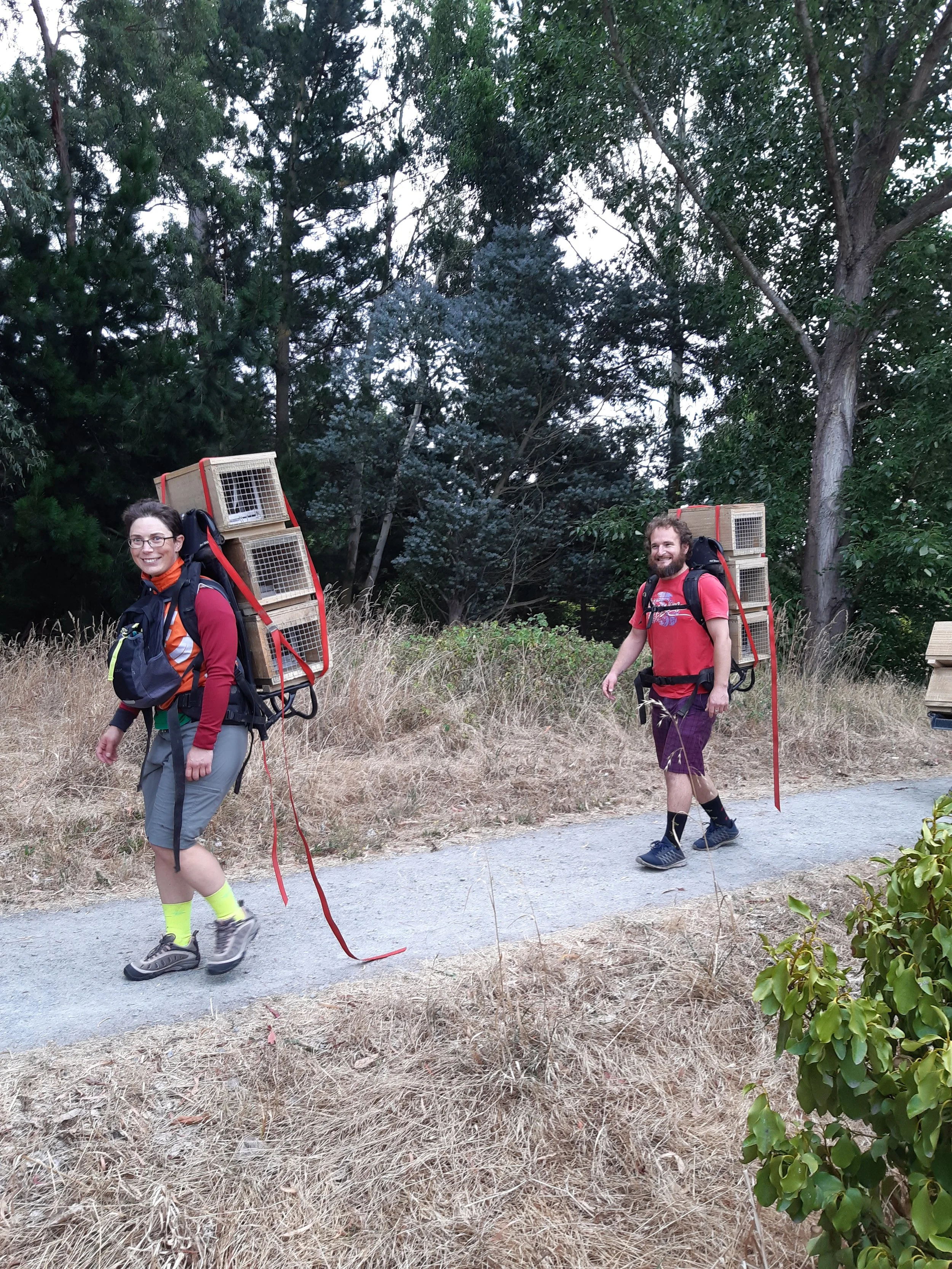
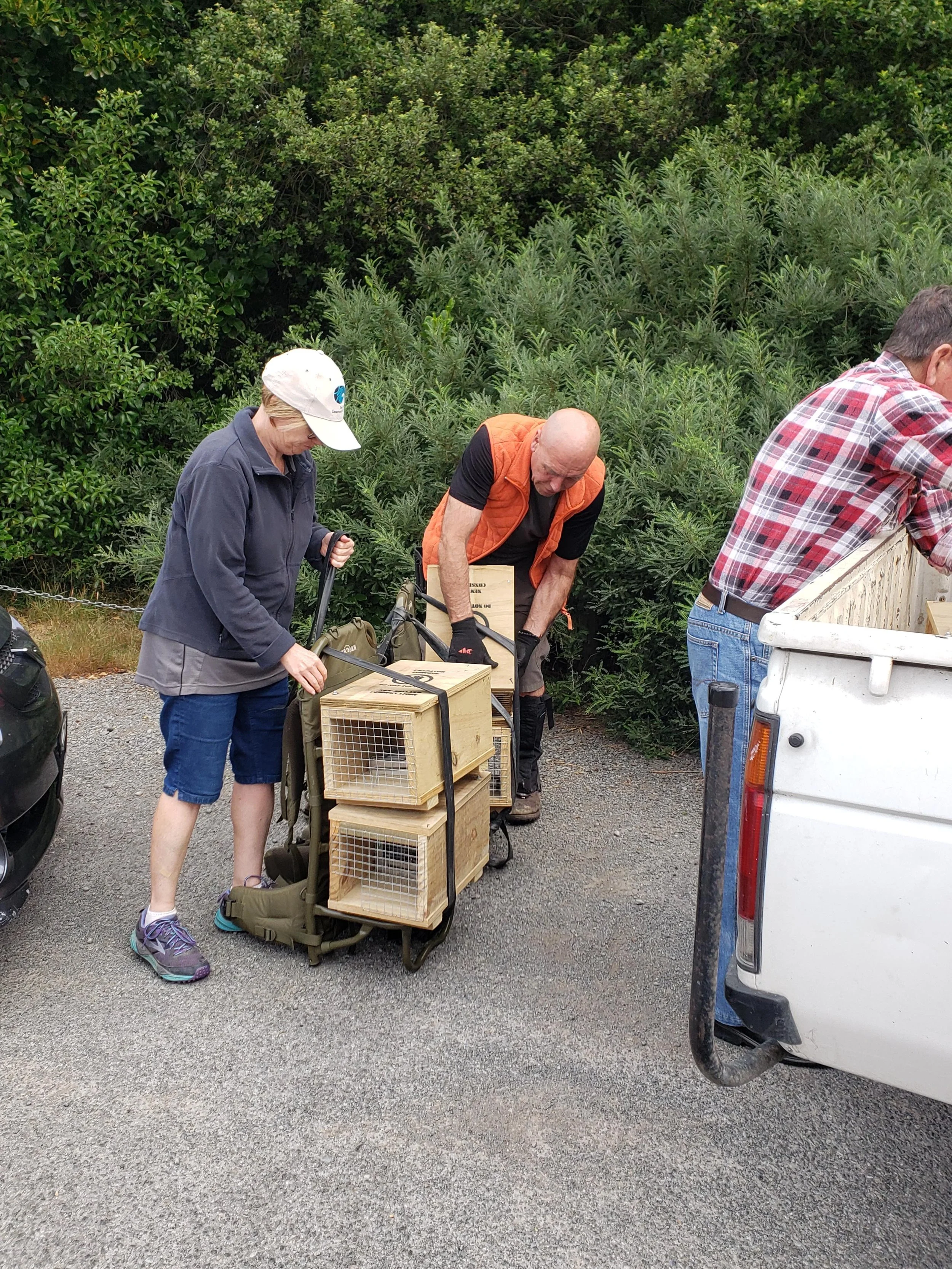
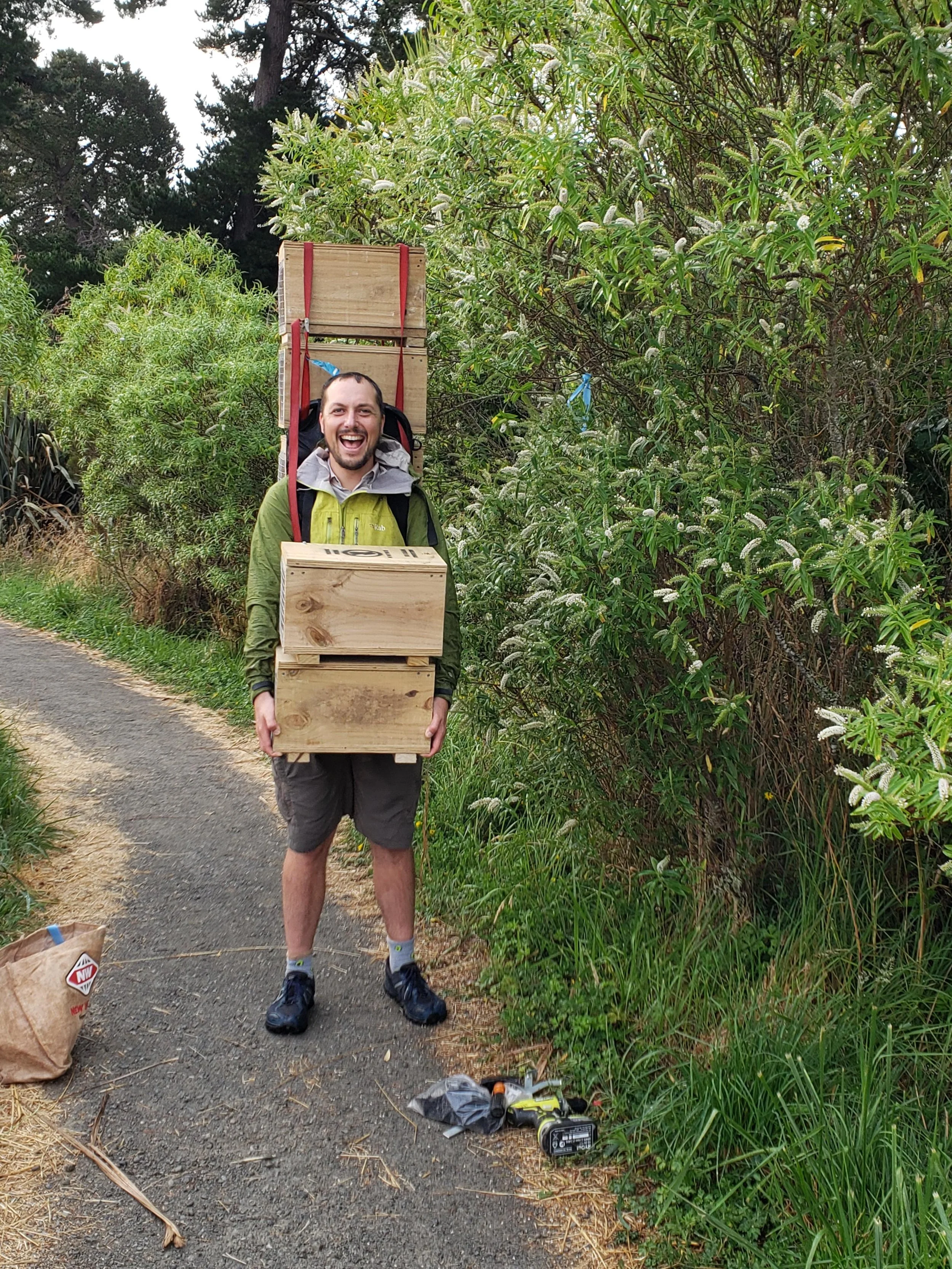
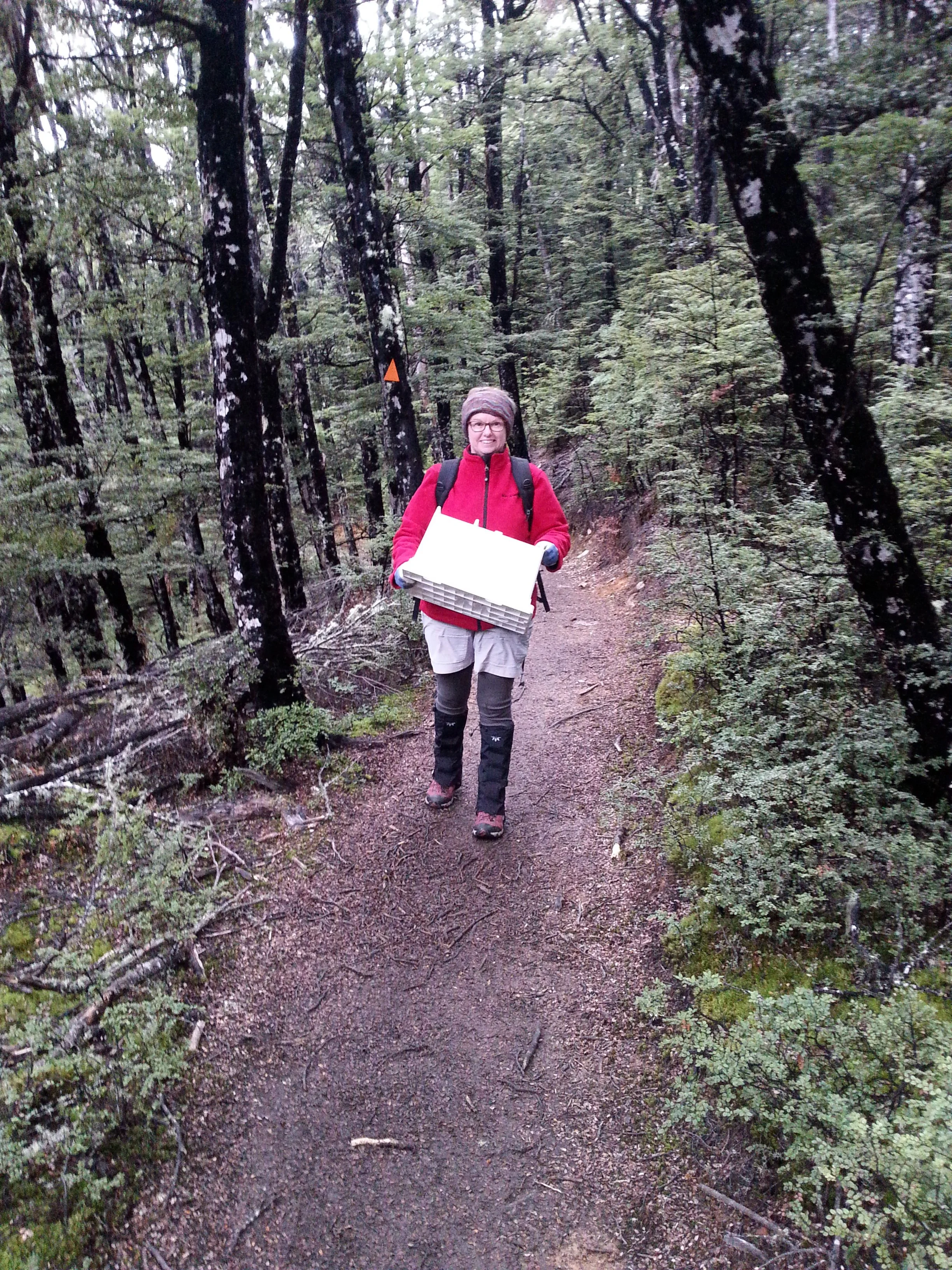
A window in the Carlyle hut was replaced. One strong volunteer helped to carry the window all the way up to the hut.
-
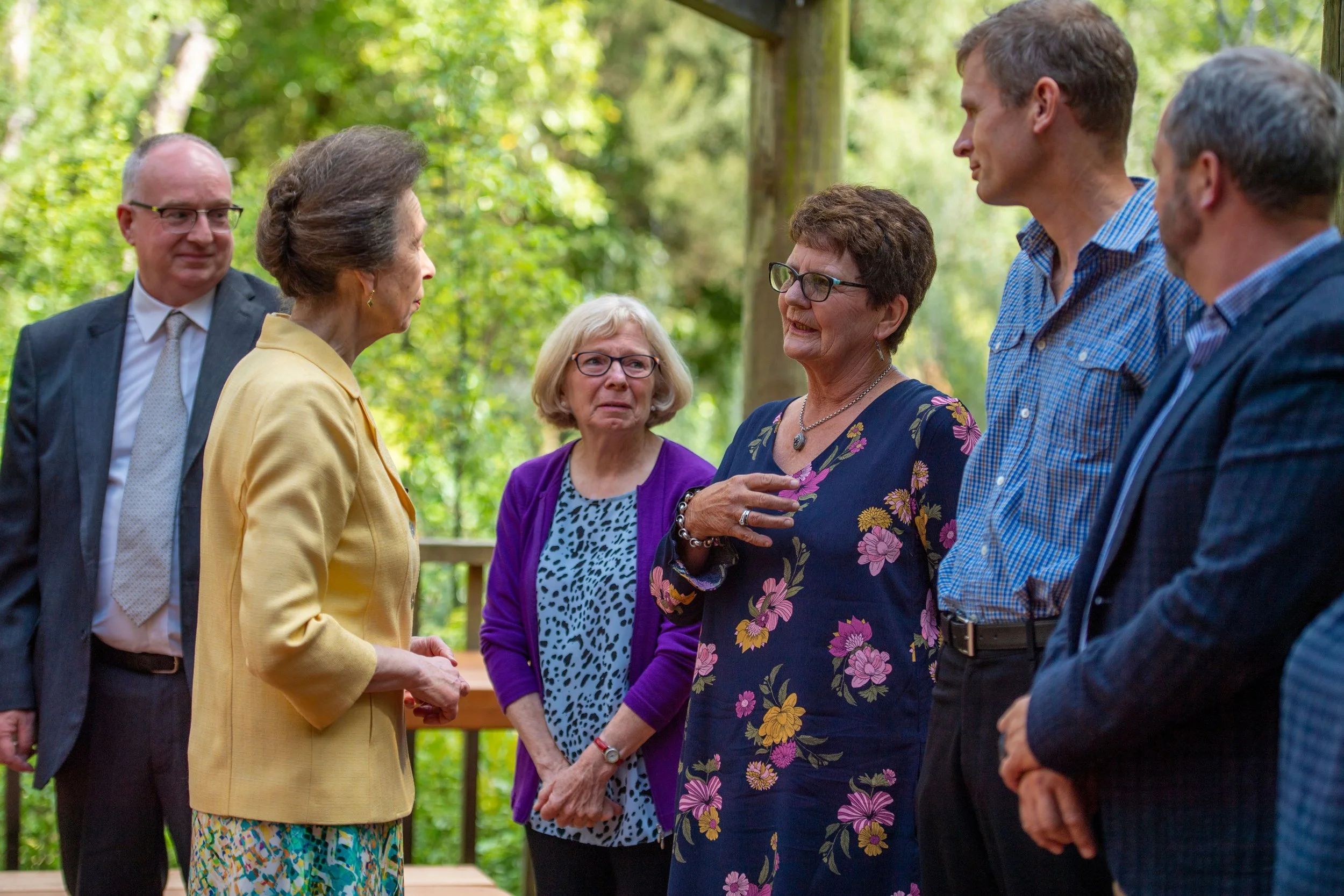
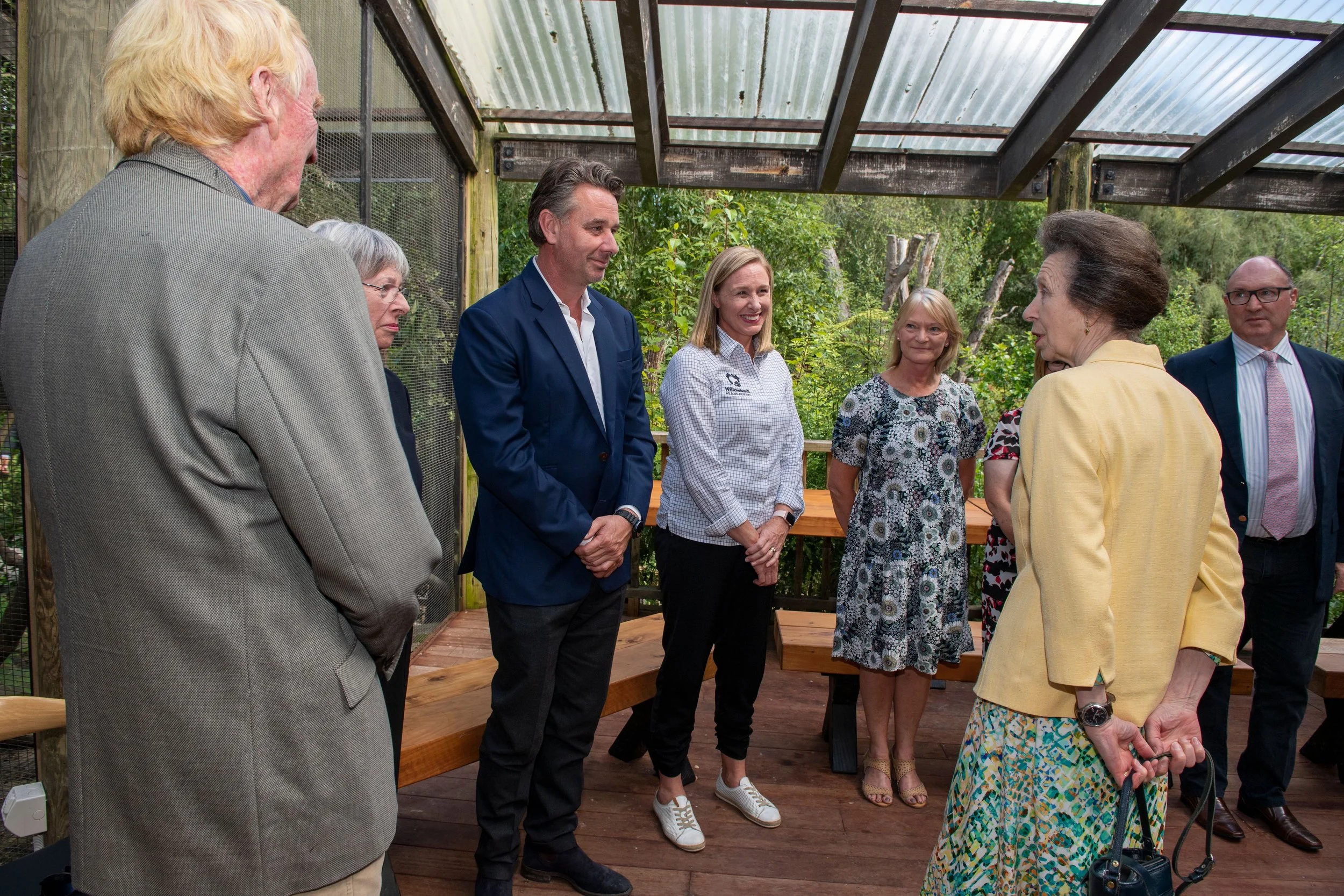
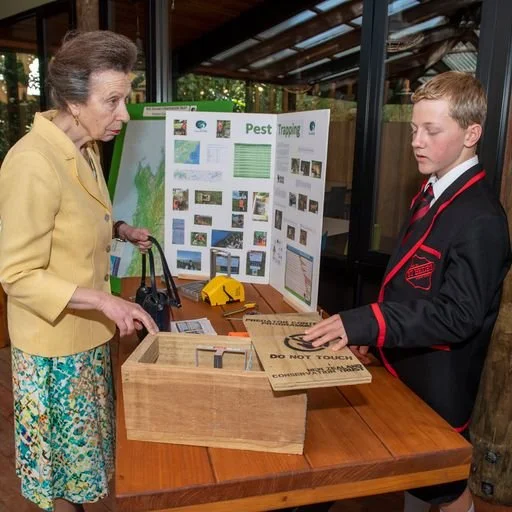
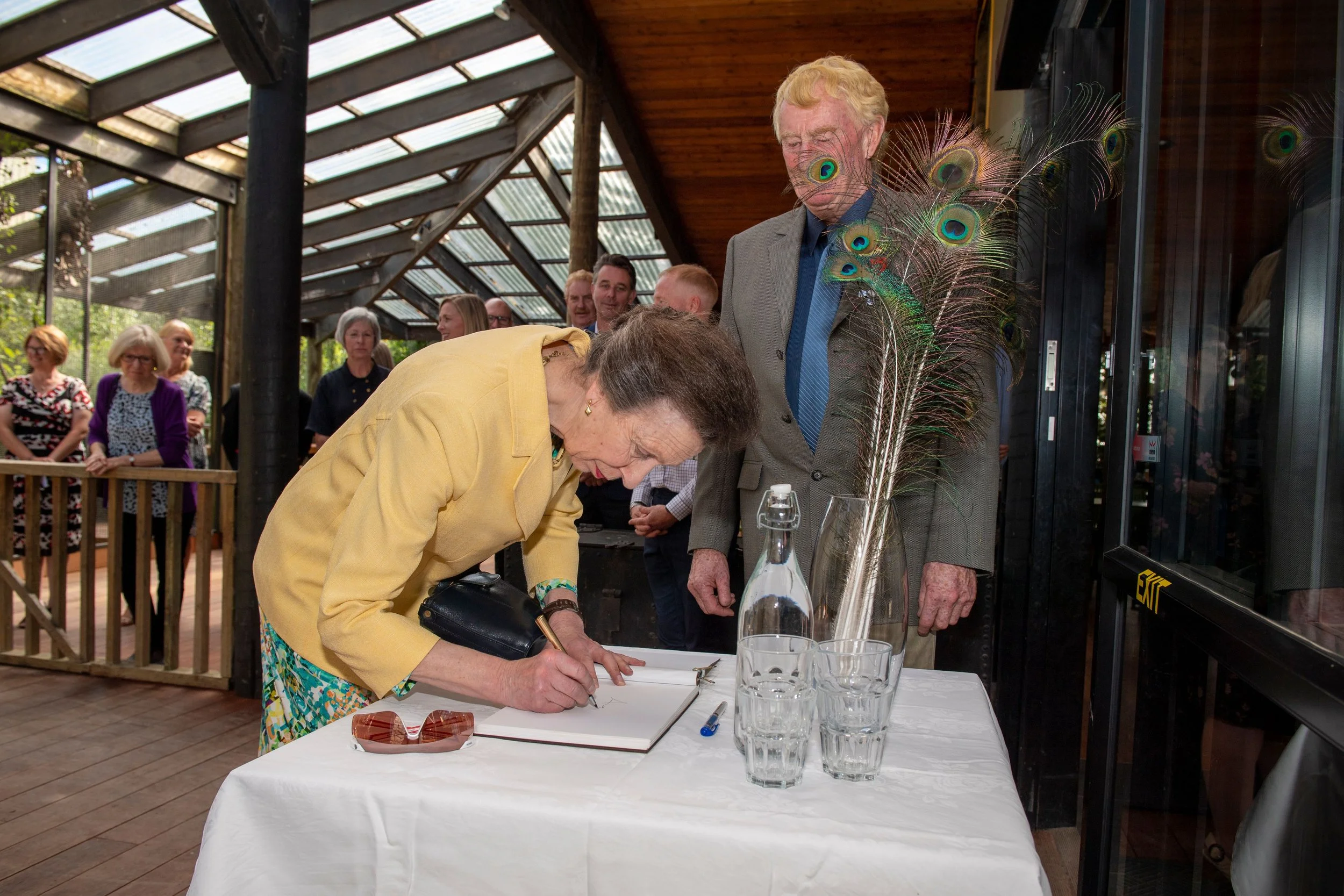
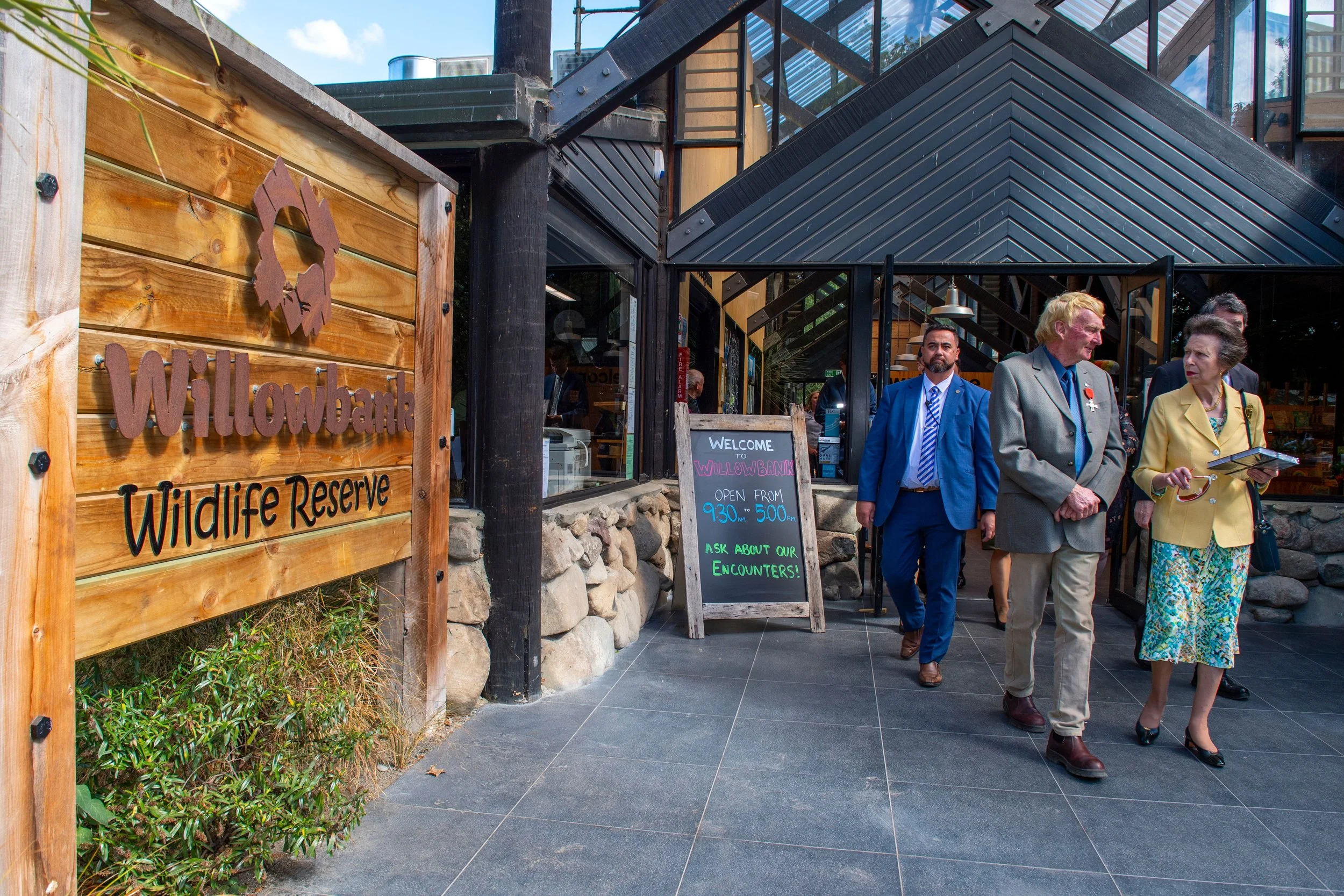
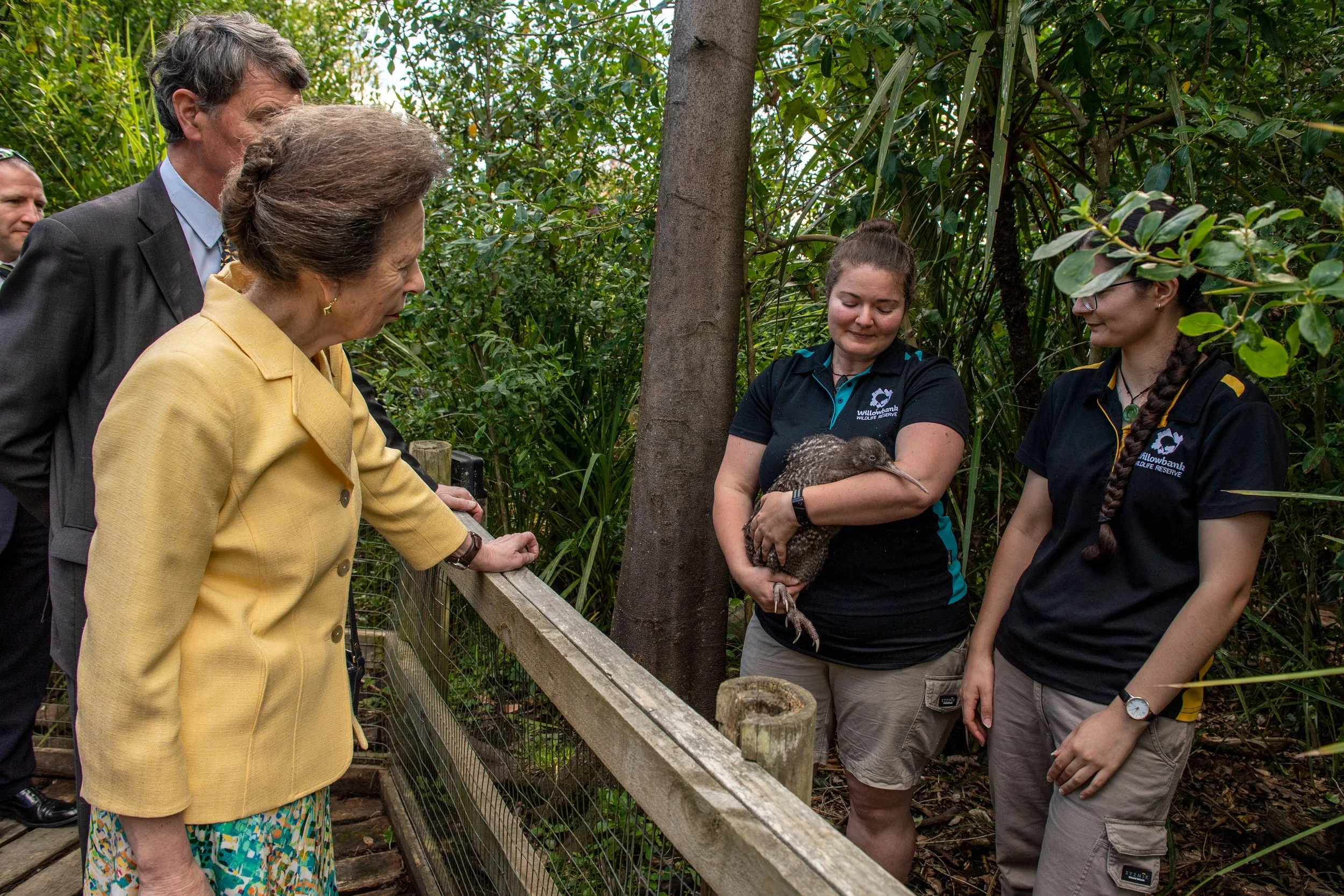
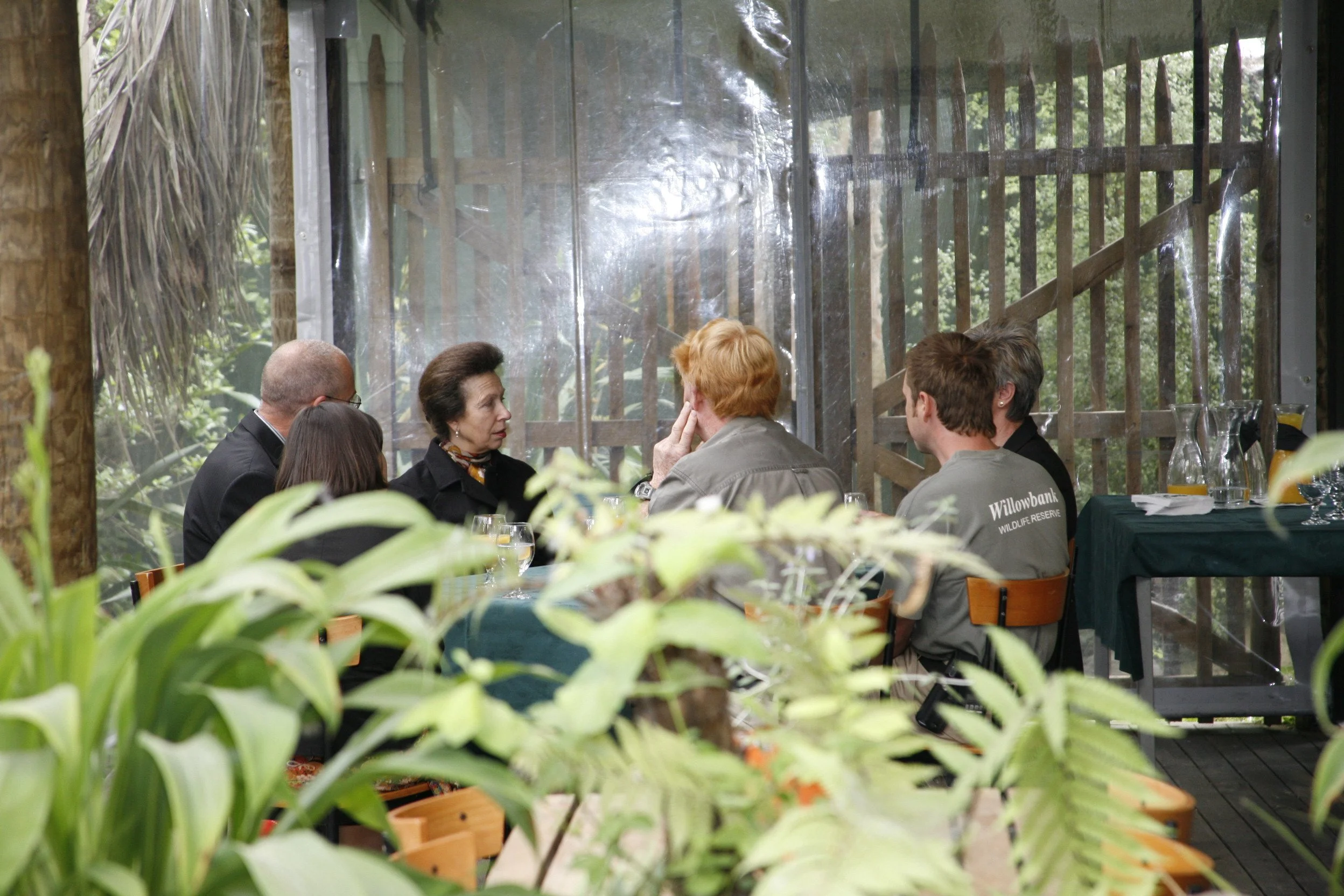
HRH Princess Anne, patron of the Trust and her husband, Sir Tim Laurence visited the NZCT and Willowbank.
A landslide occurred at the top of the Carlyle valley which resulted in the riverbed being raised by about 2 metres. Work had to be carried out to replace the missing traps and restore parts of the track.
A new predator control line was put in at Janet Stewart Reserve and would be managed by a group of retired men from Burlington Retirement Village.
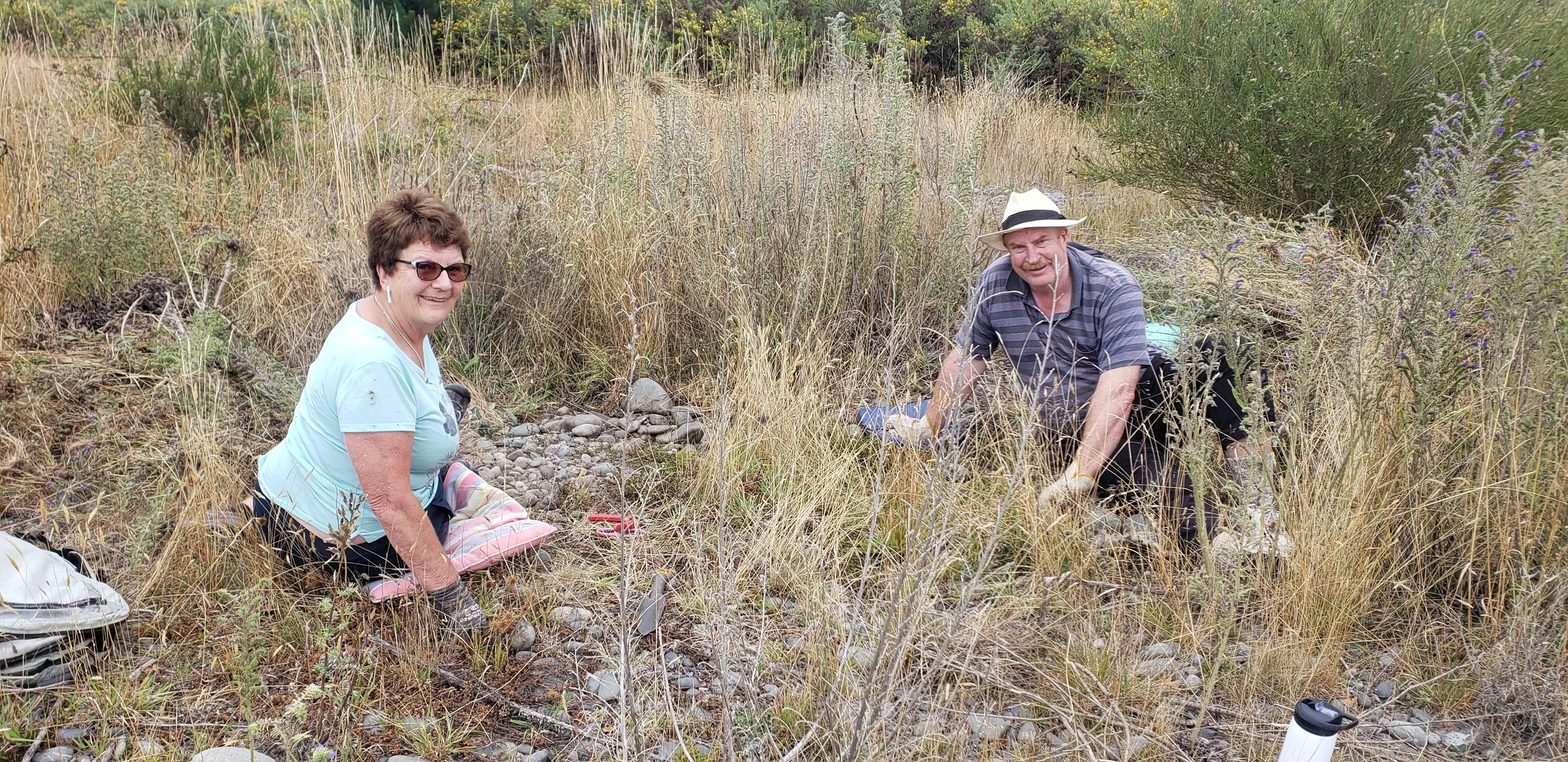
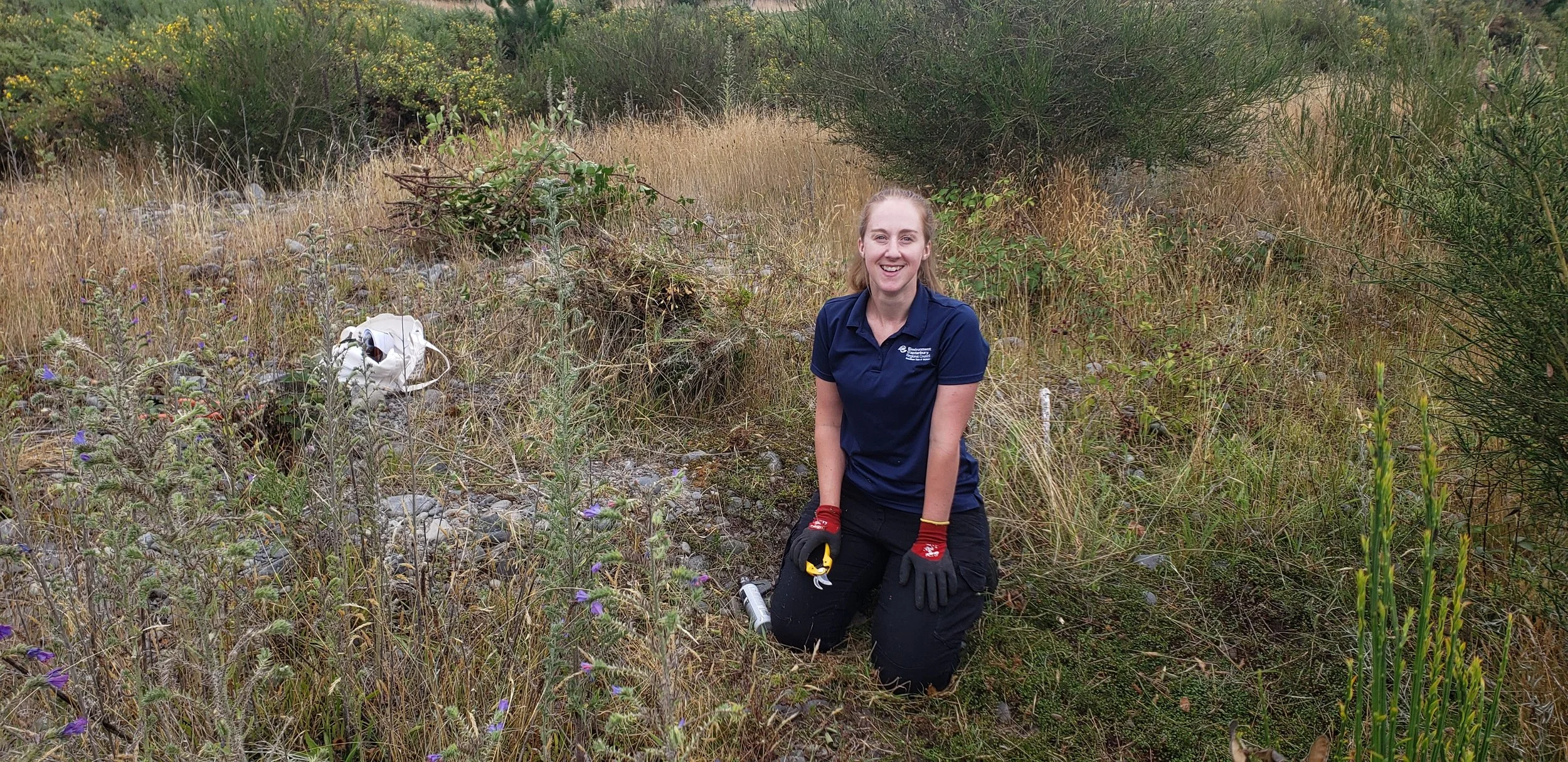
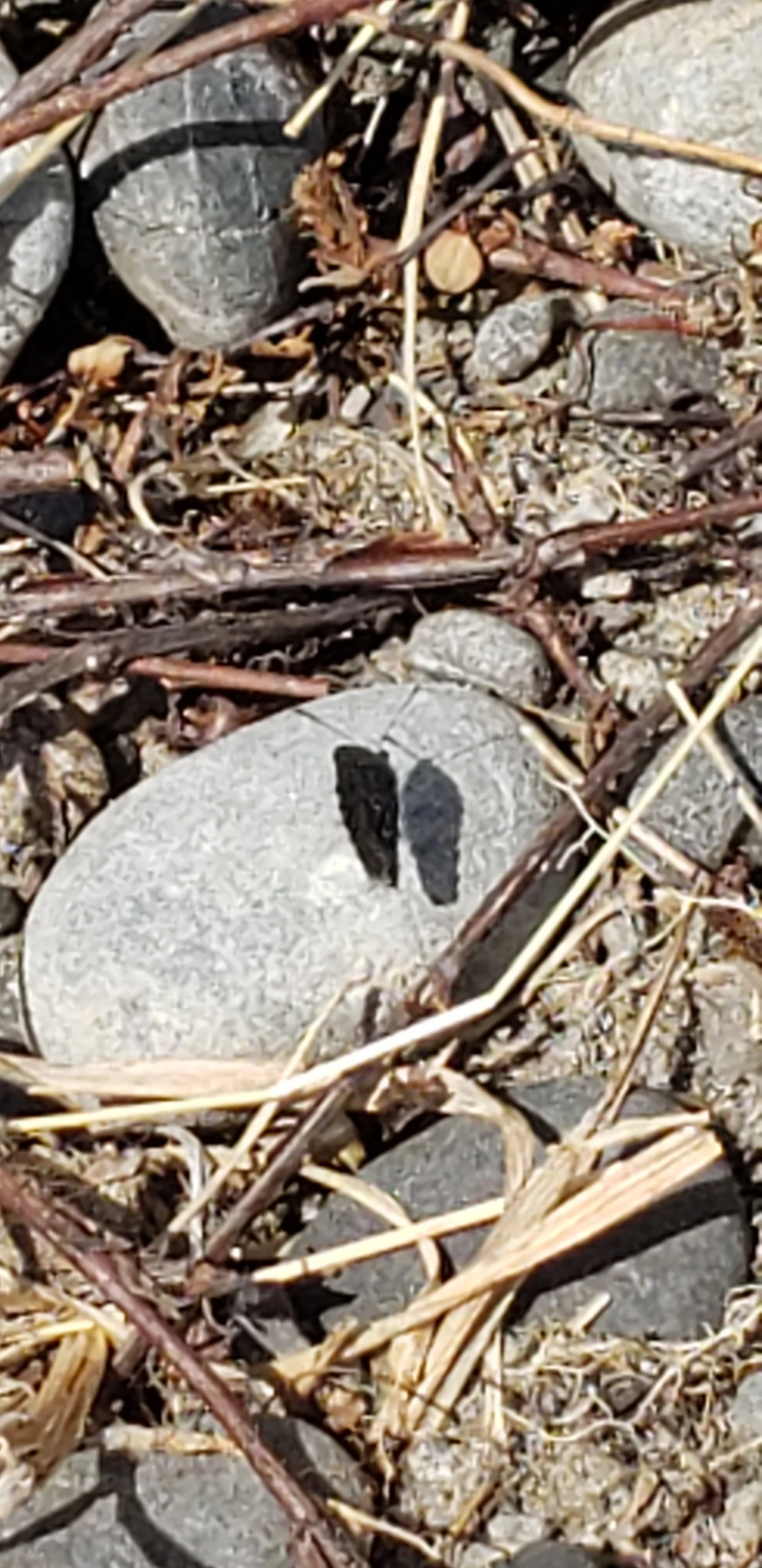
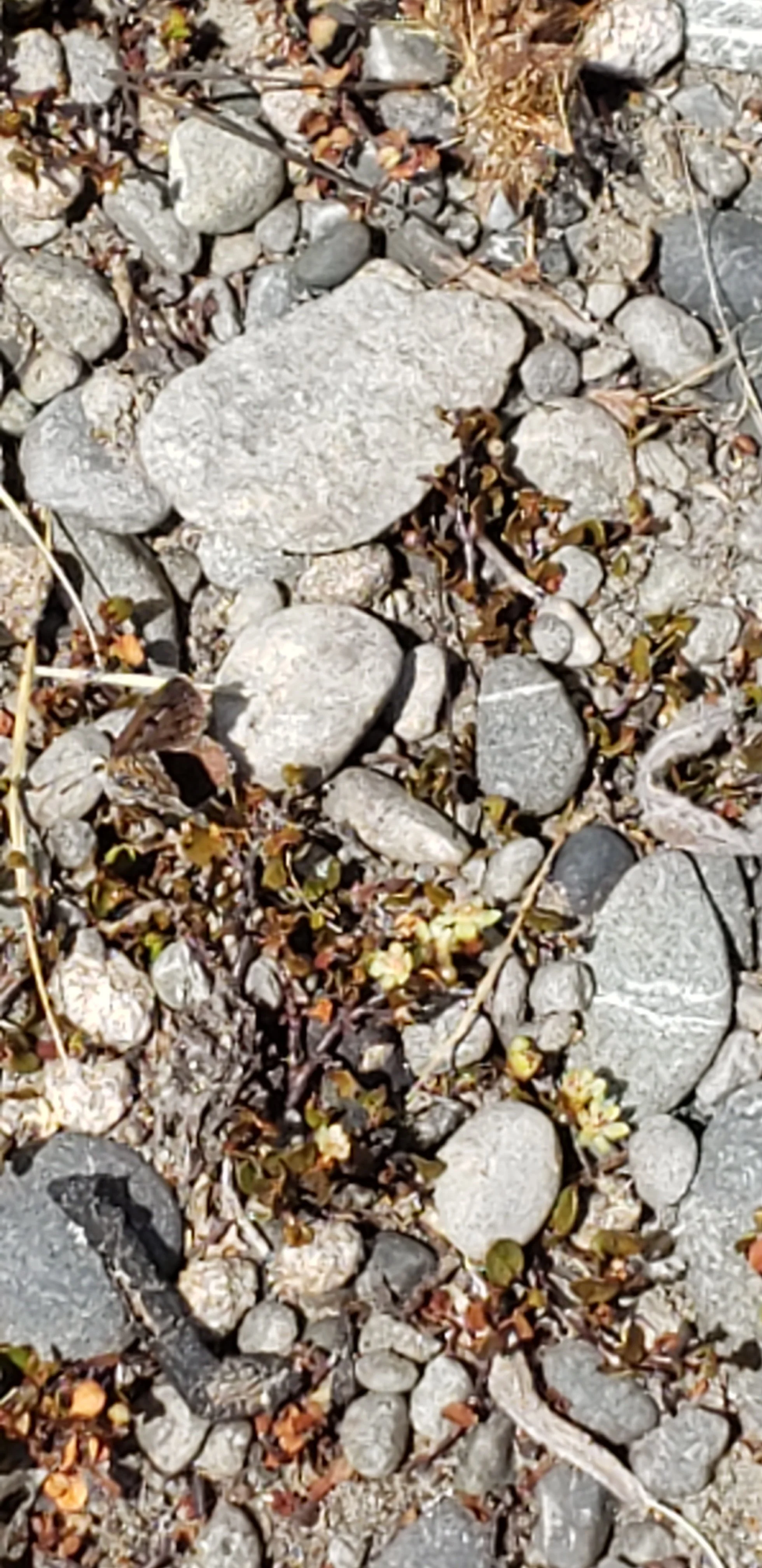
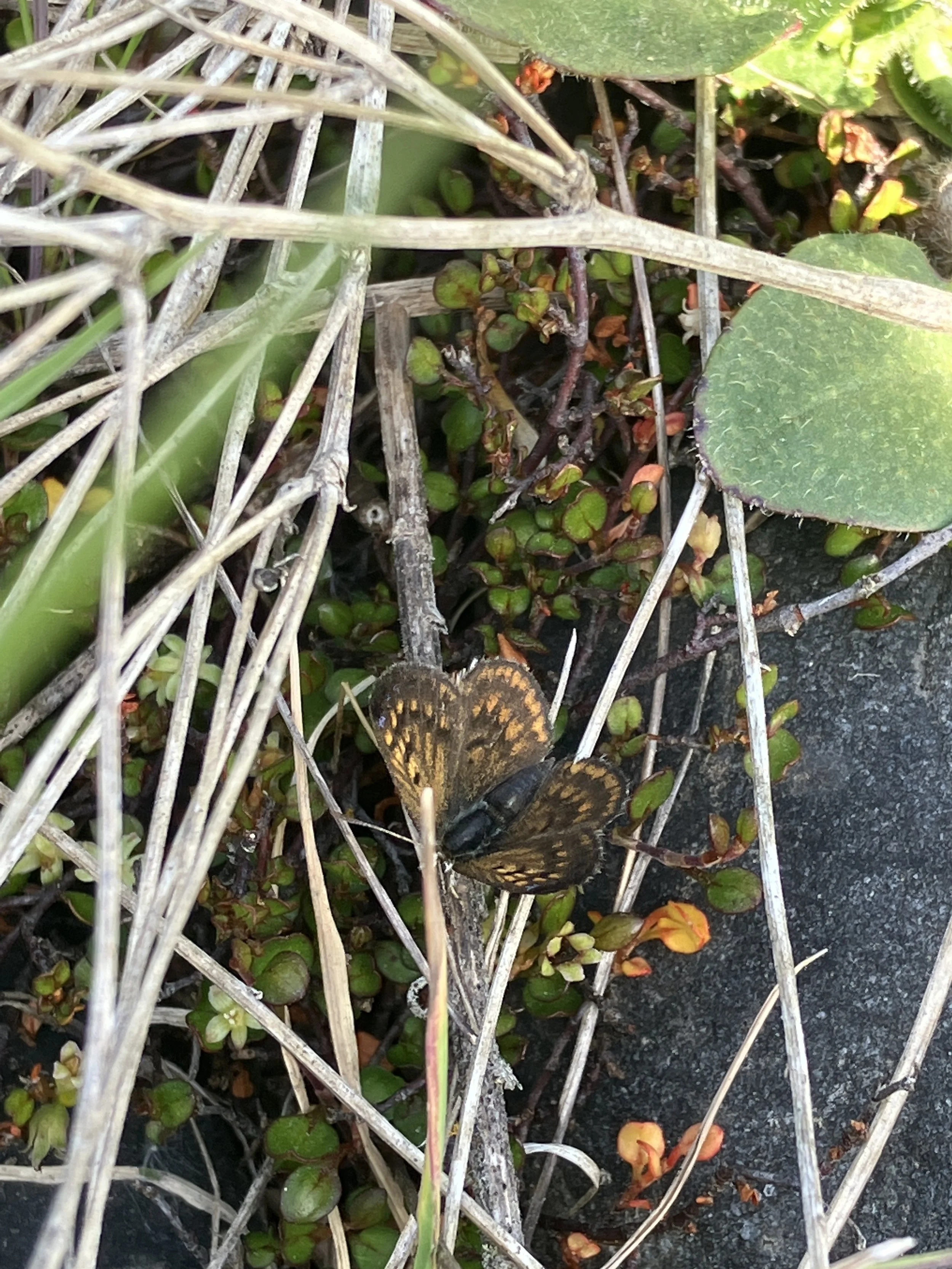
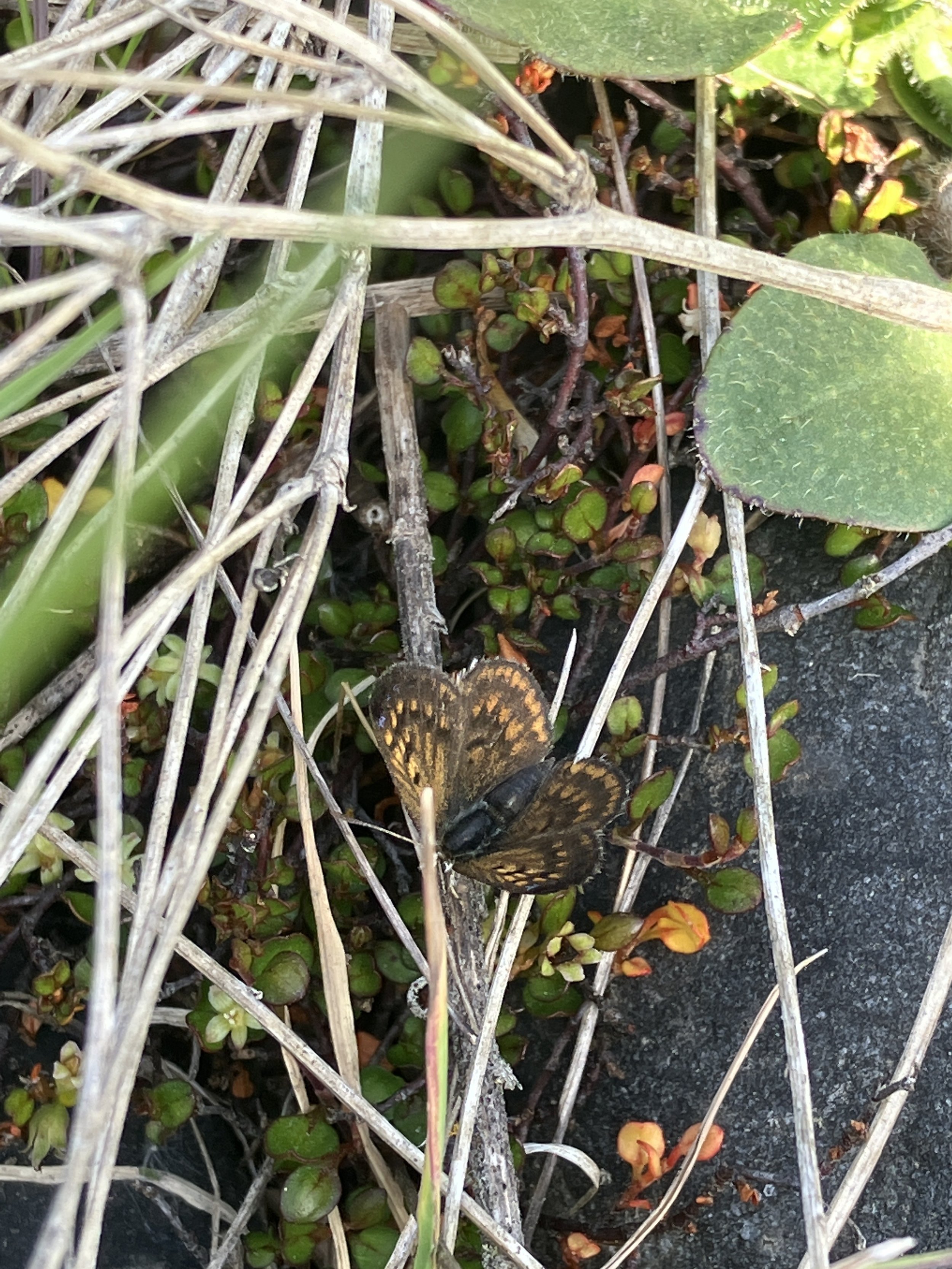
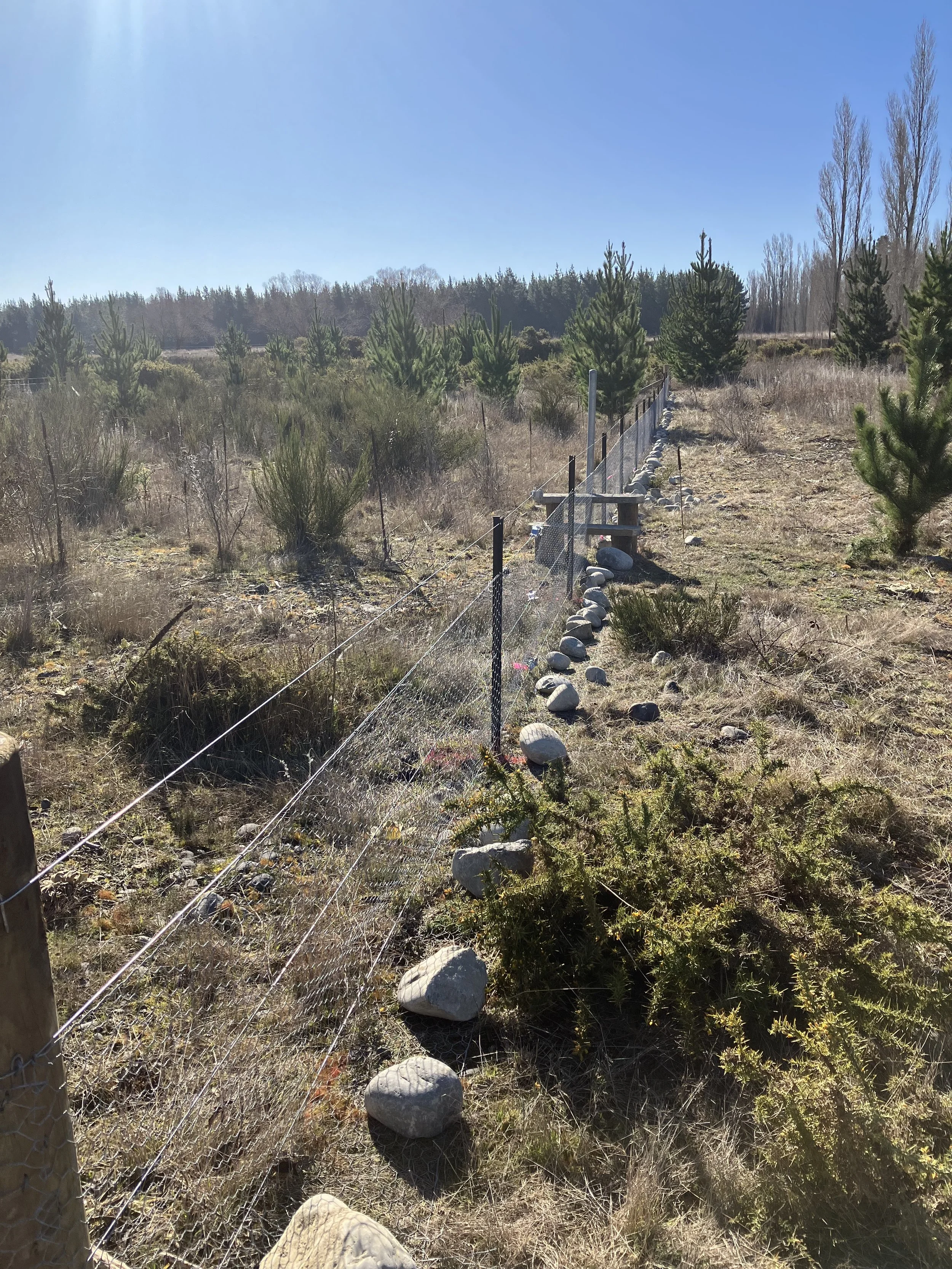
NZCT started the Boulder Copper Butterfly and Canterbury Grass Skink project in joint collaboration with Environment Canterbury.
-
Travelling Tuatara Schools programme was offered to several schools from low socio-economic areas.
Trust attended its first Summer in the Styx event with great success.
Volunteers from the Styx and Carlyle projects were nominated for an award in recognition for the work they had done.
Mary-Ellen Wilson, who had volunteered at the kiwi hatching center since 2010 received a long service award in recognition of her ongoing commitment.
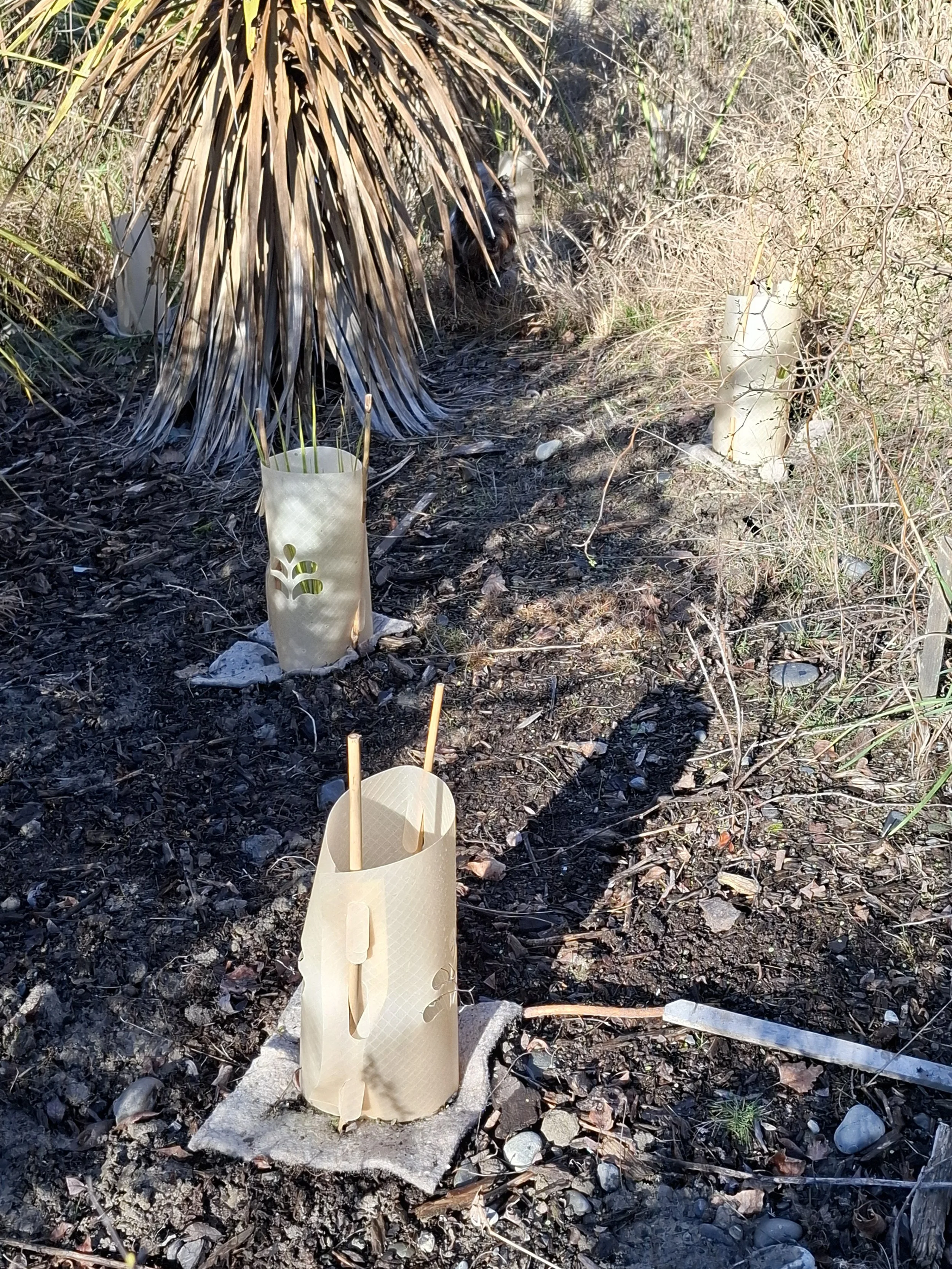
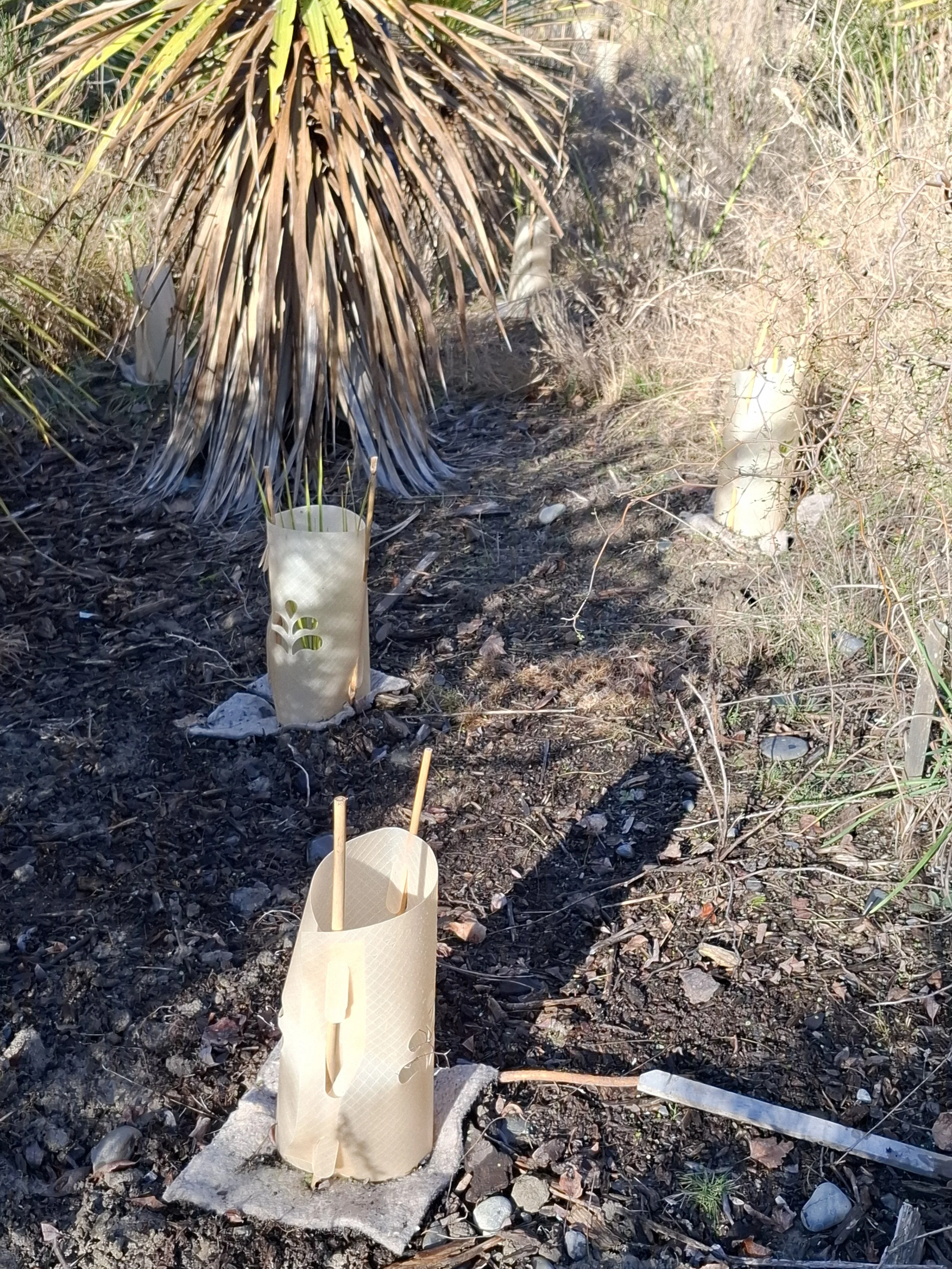
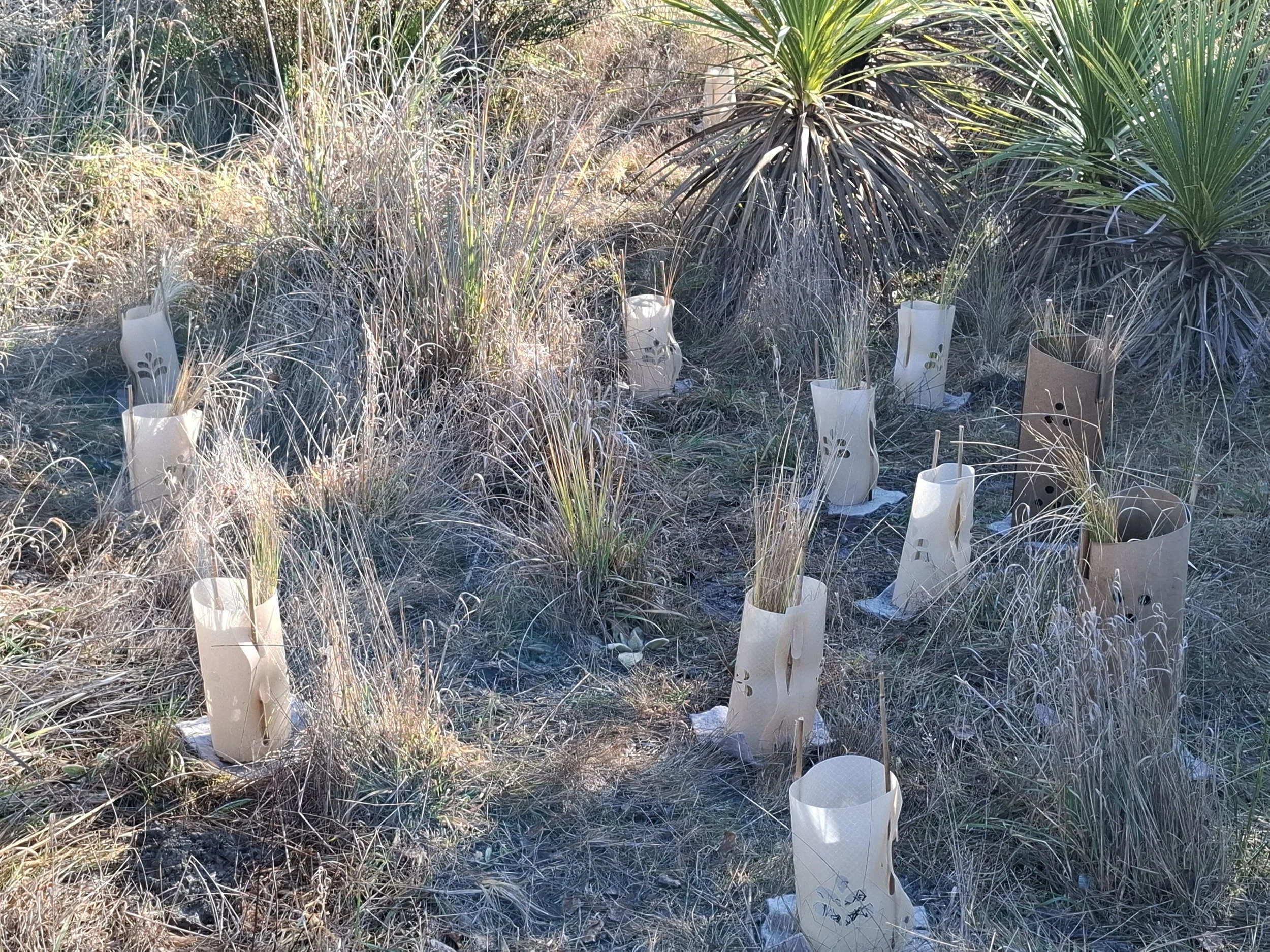
A collaborative project between the Living Streams Community Nursery and the Trust commenced with seedling potting up sessions.
-
NZCT moved from there premises at Willowbank to a new location alongside the Styx Living Laboratory Project.
A new trap line at Redwood Springs was investigated and tracking tunnels were placed out.
NZCT was approached to support a Pekapeka - Long Tailed bat project and several cameras were purchased to help support the projects work.
-