Operation Nest Egg.
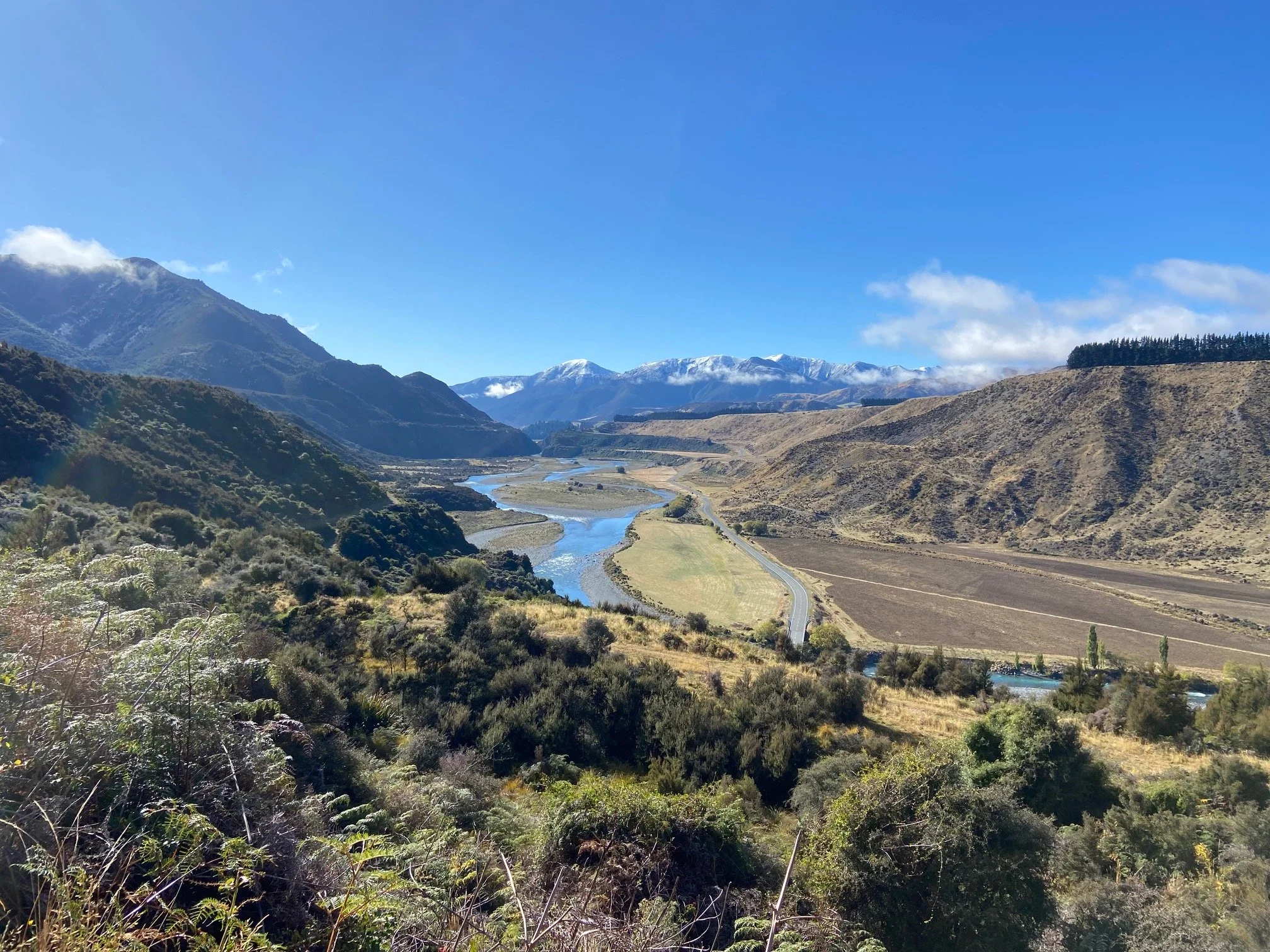
Operation Nest Egg (ONE) is one of New Zealand’s most vital conservation tools for safeguarding kiwi — our national taonga. With Okarito Rowi and Haast Tokoeka kiwi populations in serious decline due to predation by introduced mammals, ONE gives these native birds a fighting chance by dramatically improving their chances of surviving to adulthood..
In 2005, the Trust was approached by DOC to help with the incubation of the eggs and initial rearing of the chicks for these two precious species.
Only 5% of kiwi chicks that hatch in the wild reach adulthood. Operation Nest Egg is a tool that aims to turn that statistic on its head by removing kiwi eggs and chicks from their burrows and caring for them in captivity until they’re big enough to fend for themselves in the wild.
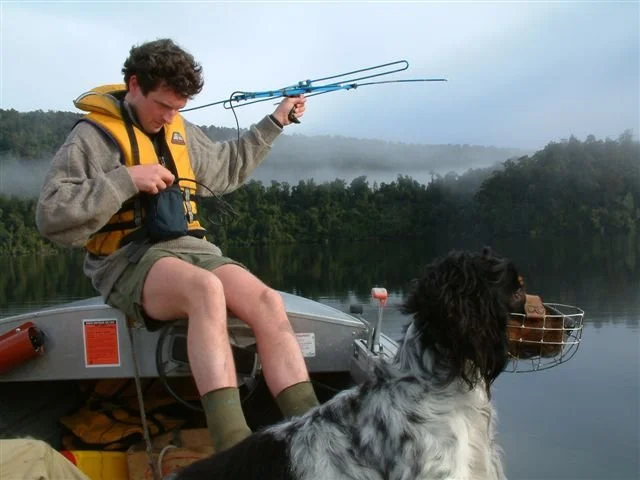
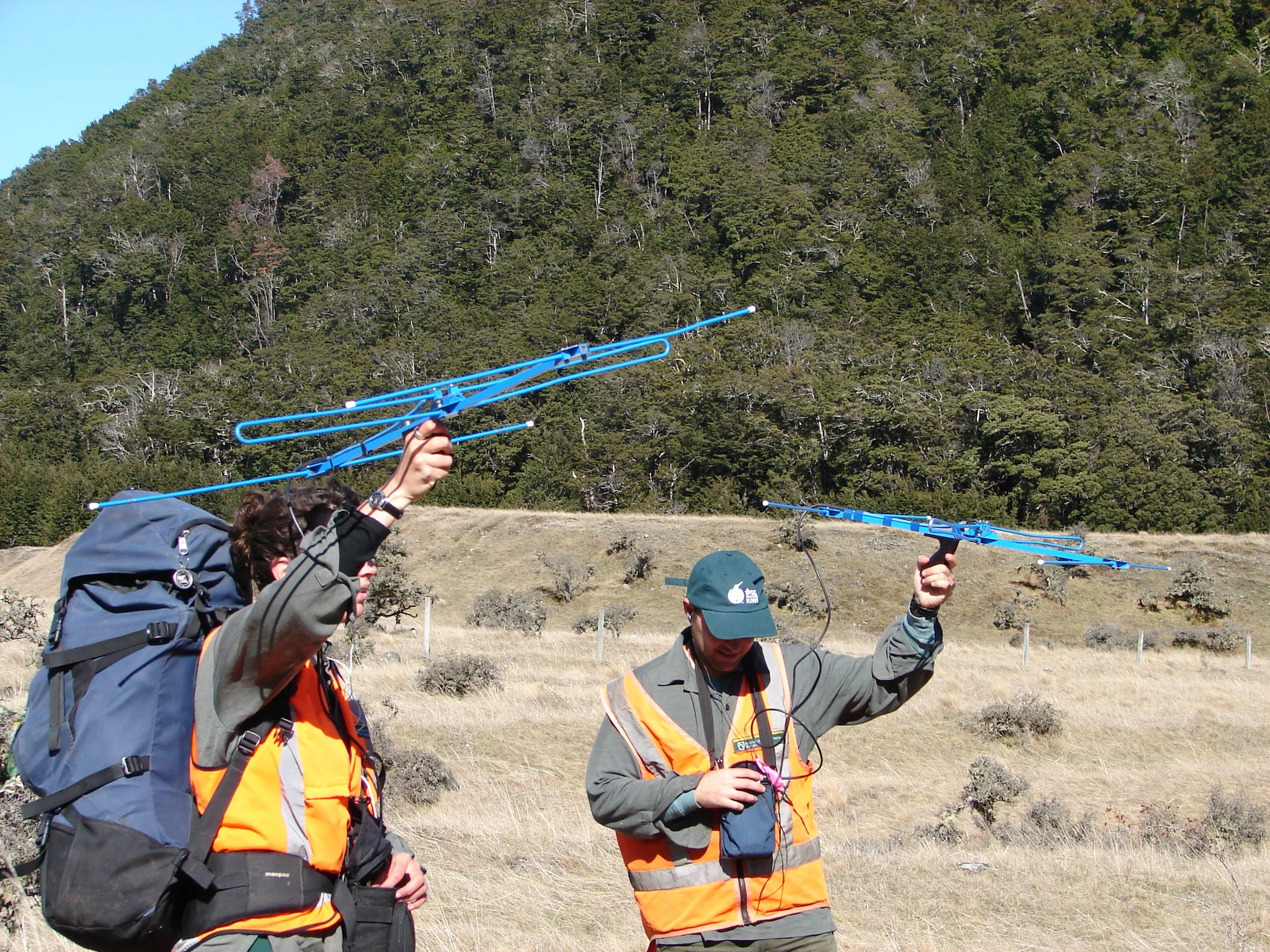
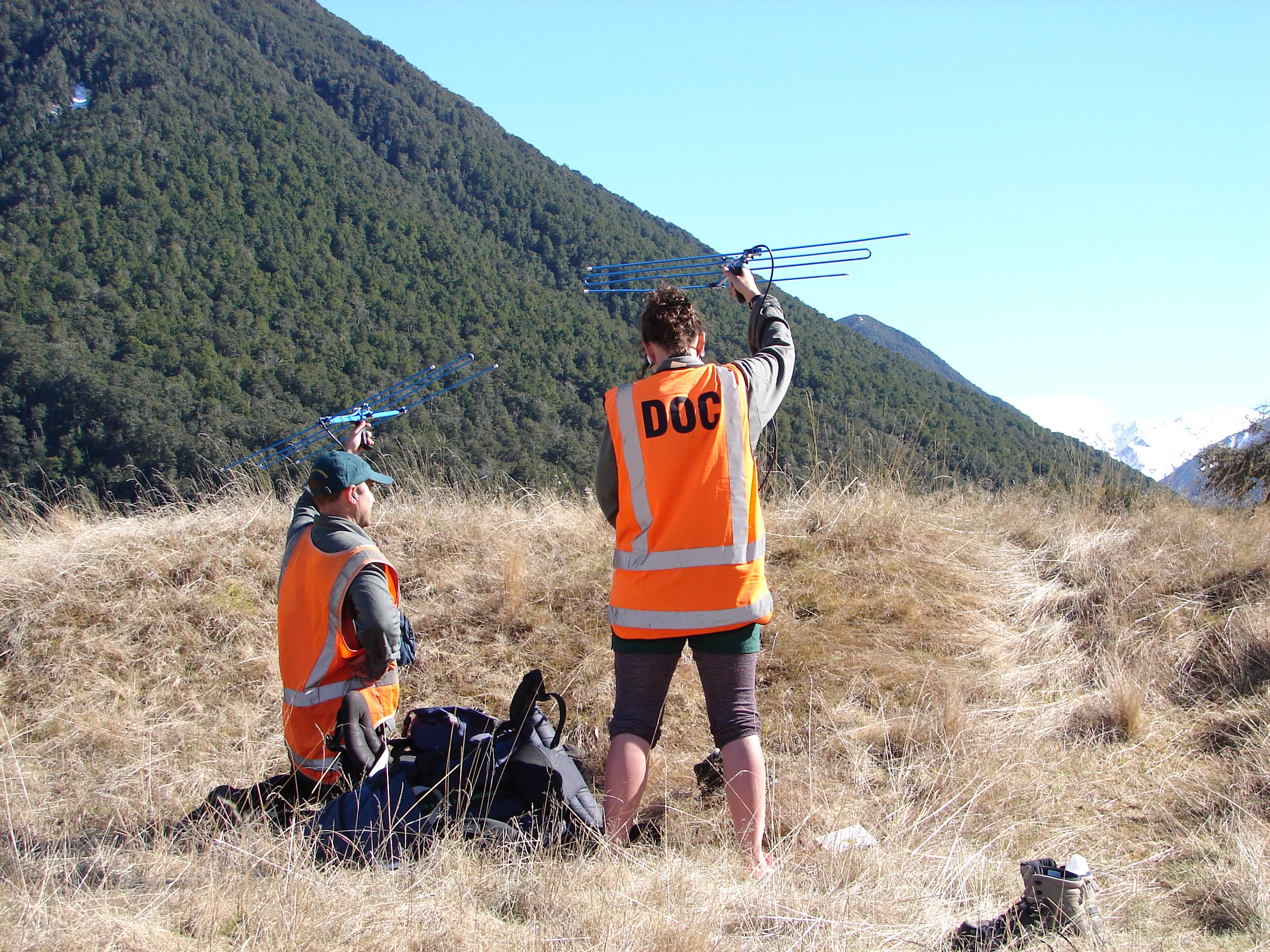
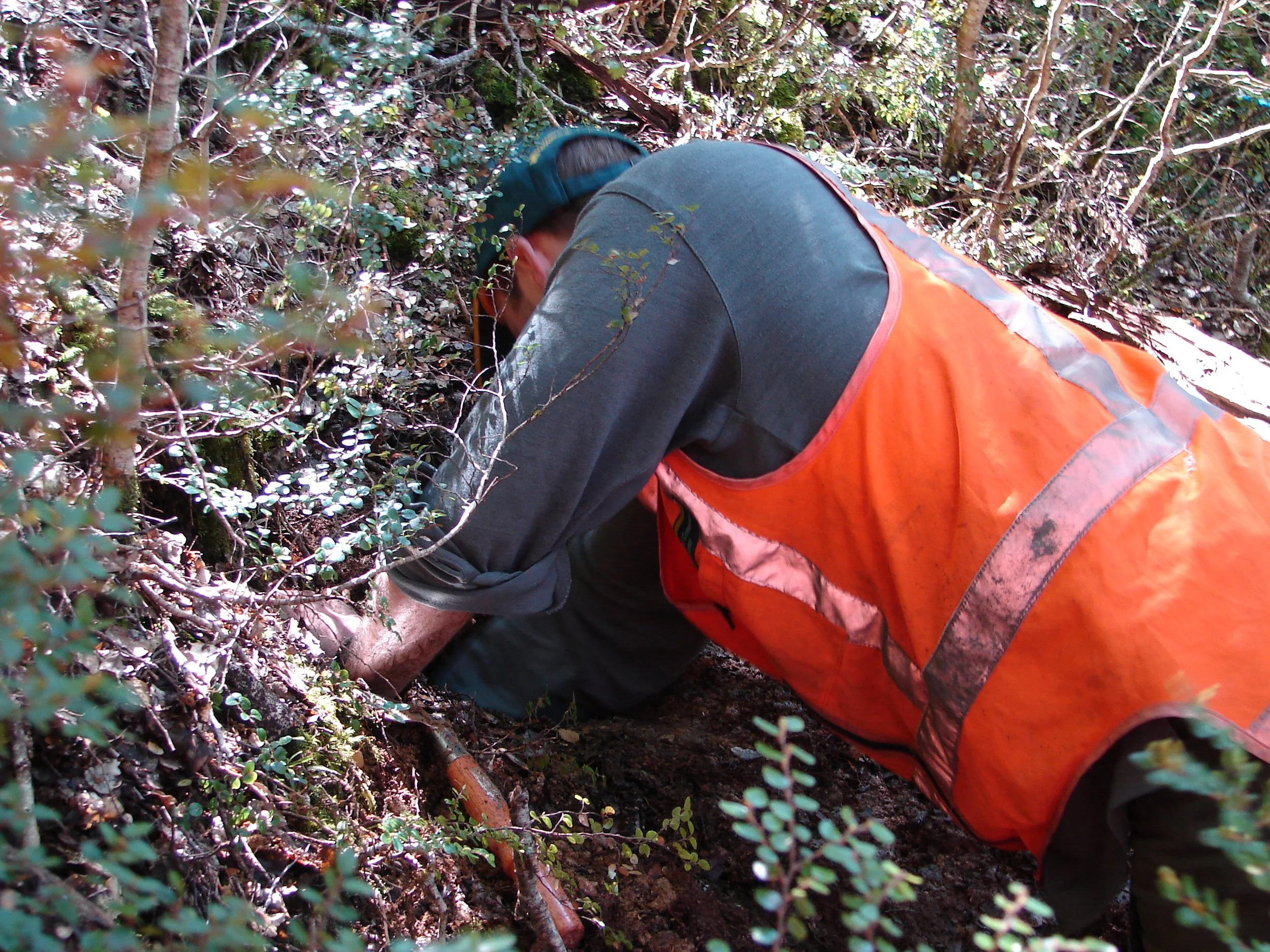
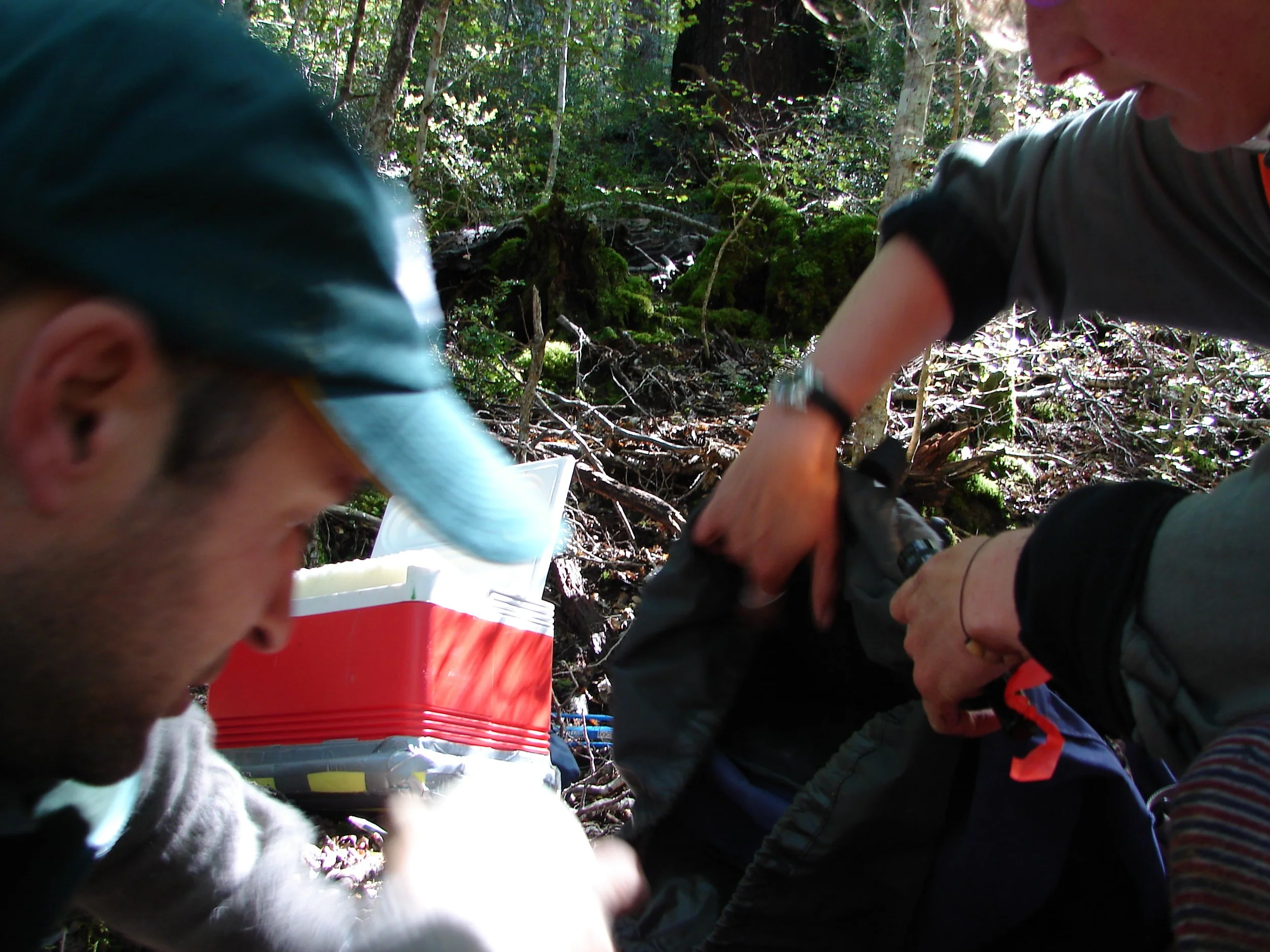
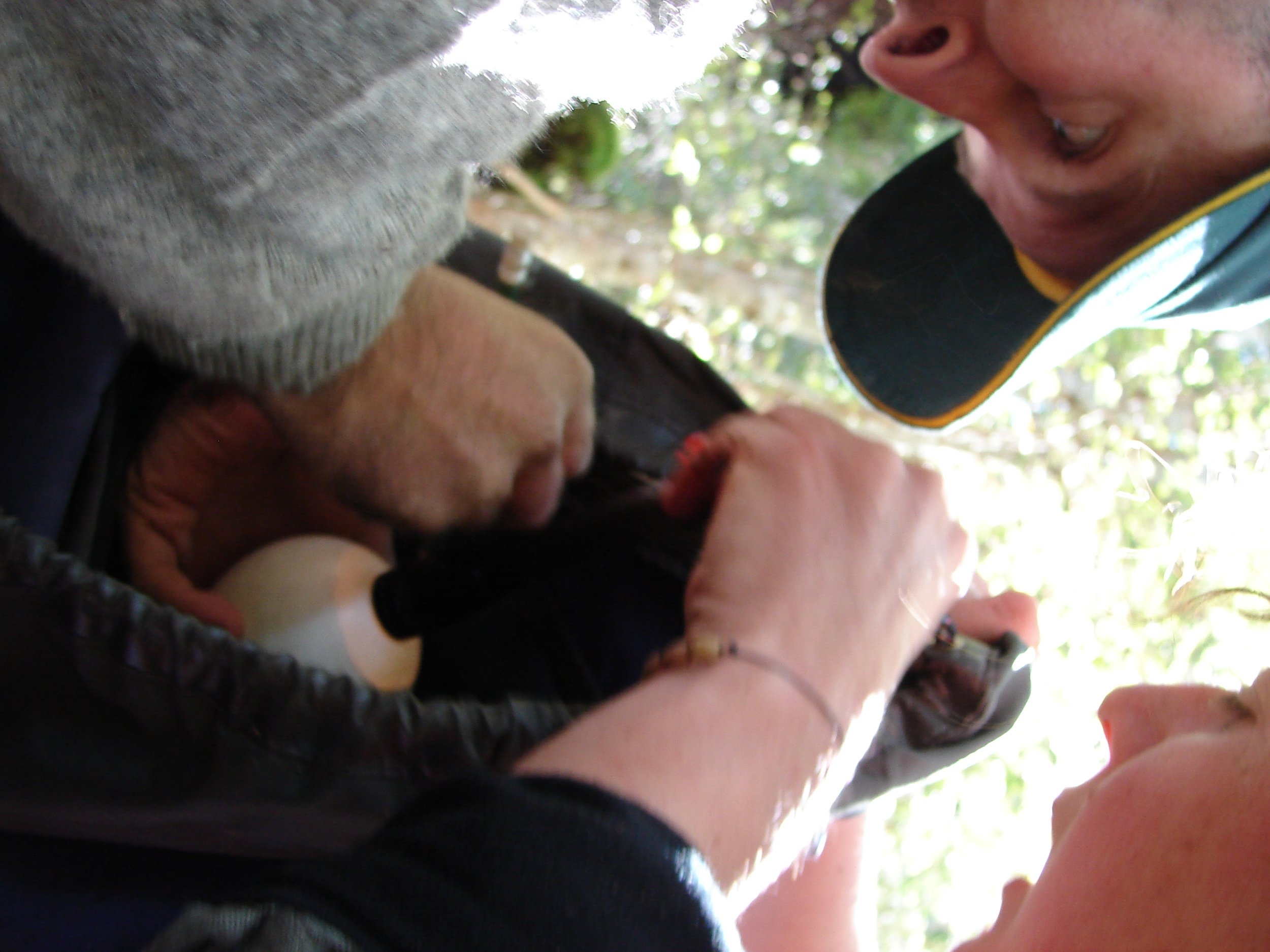
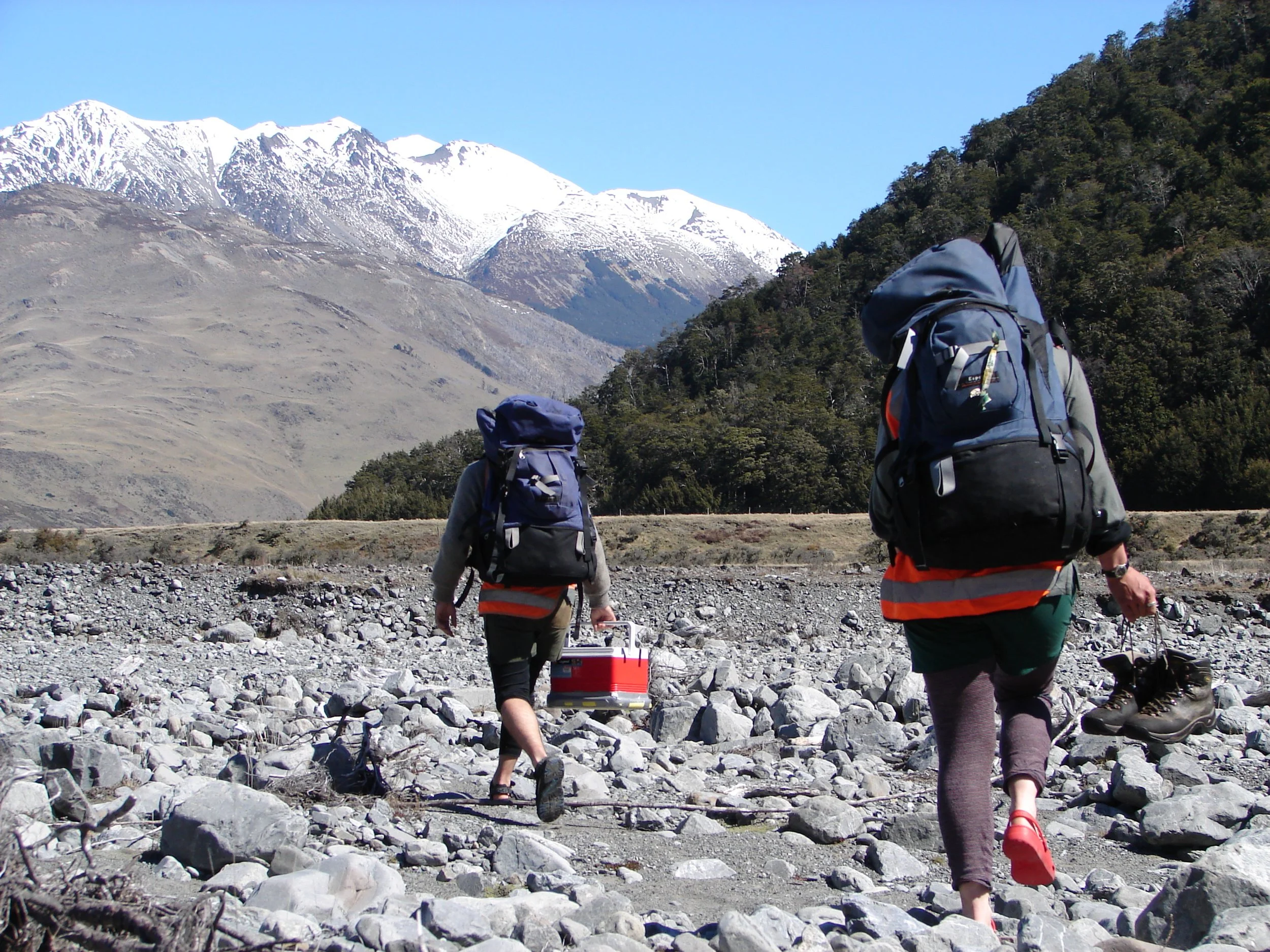
With the help of modern technology and a specially trained ‘kiwi’ dog, breeding pairs of kiwi are located in the wild. The male is left to sit on the egg for about 30 days. During this period the male looks after the processes of turning the egg and allowing for cooling periods when he is off the egg to feed. After 40-50 days, the egg is lifted from the burrow and brought to the Trust facility at Willowbank Wildlife Reserve in Christchurch.
Arrival at the Breeding Centre
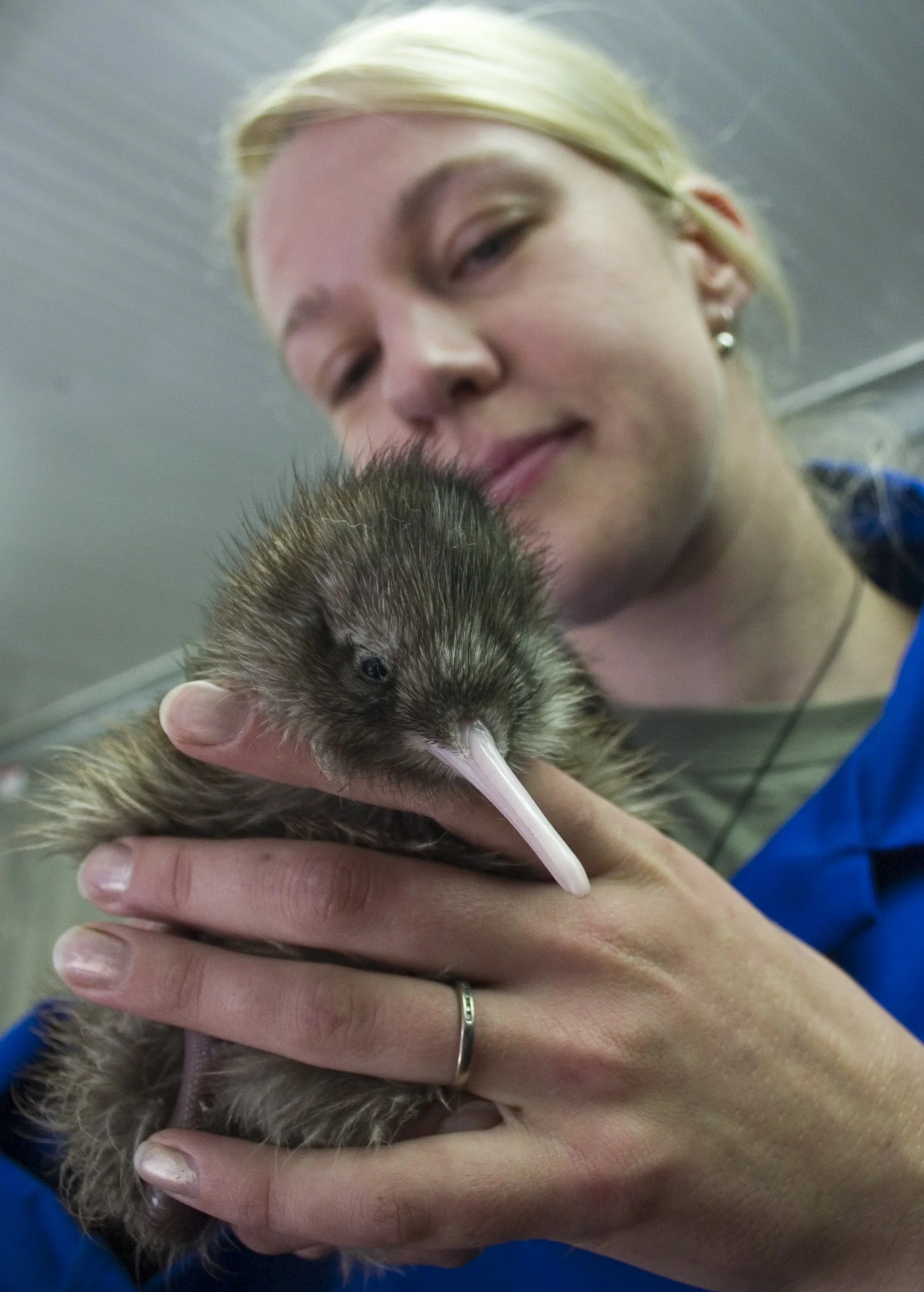
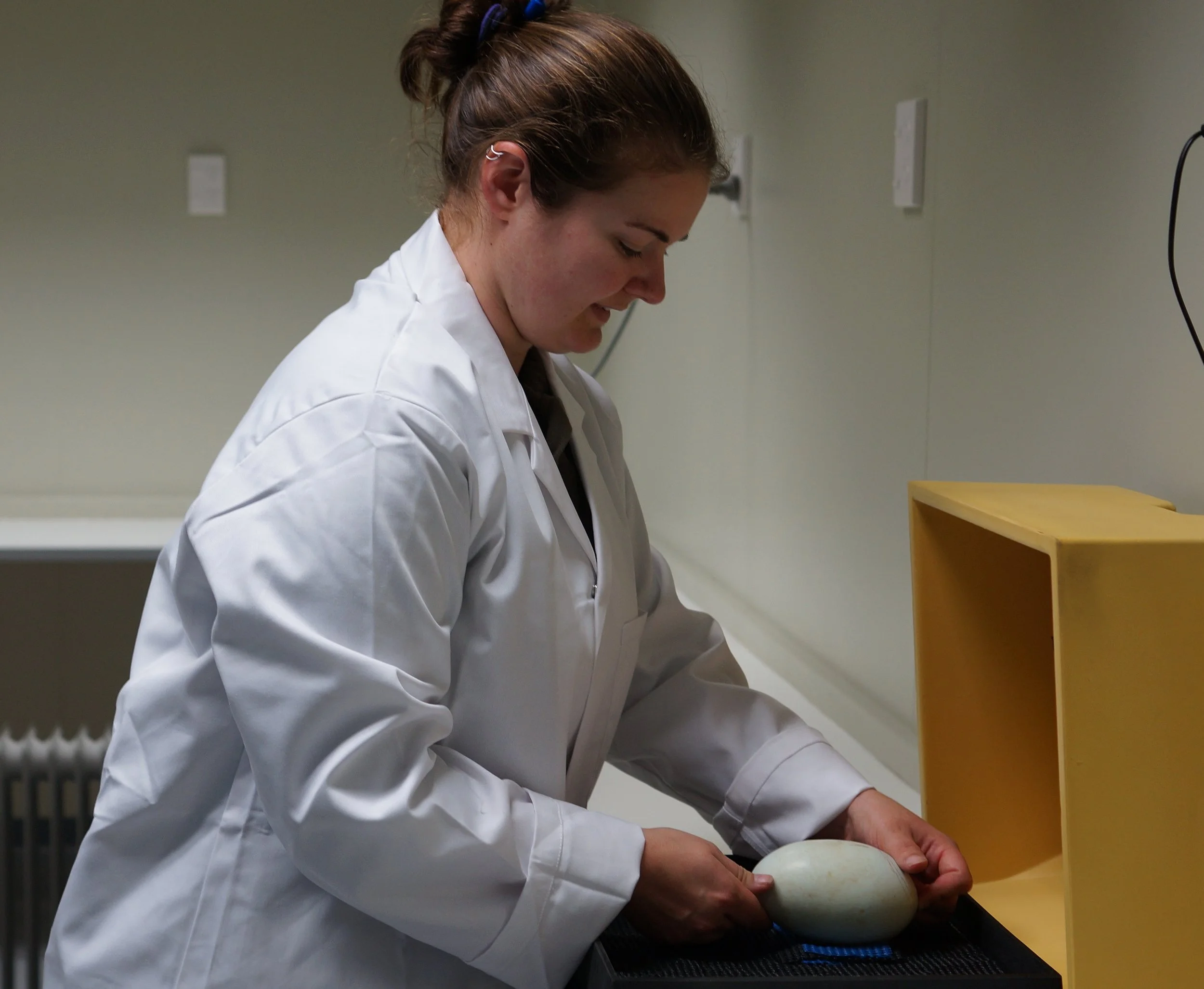
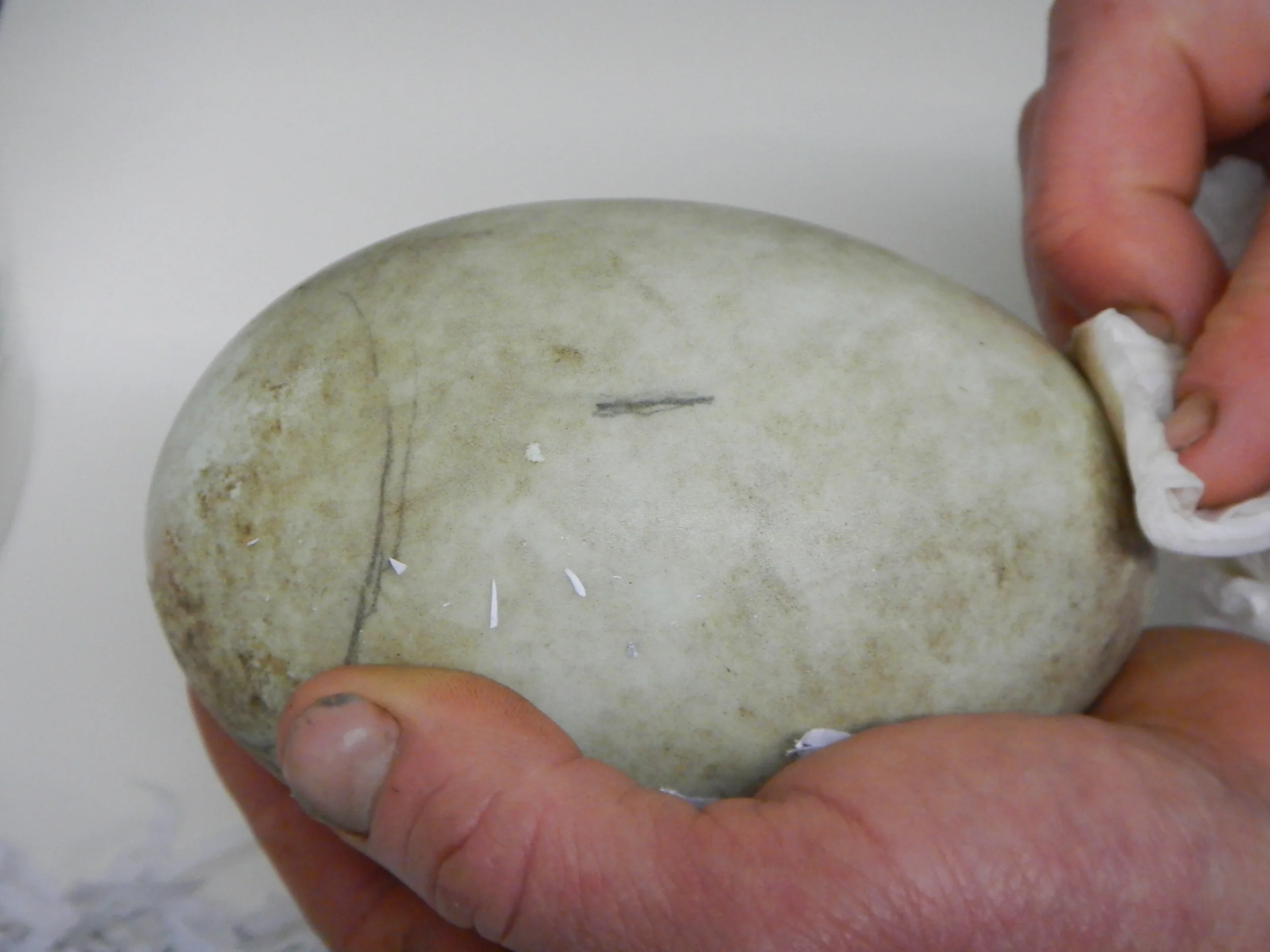
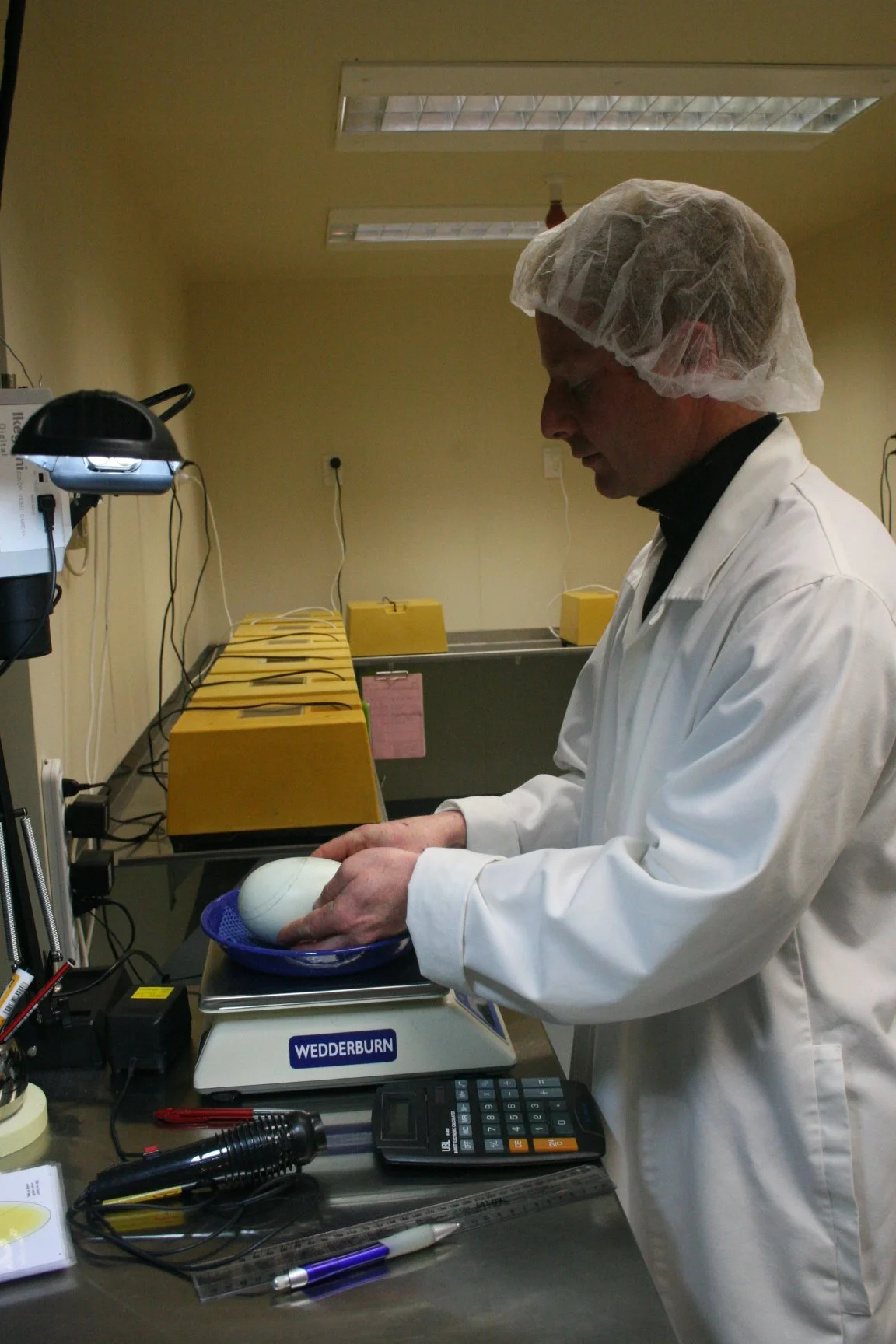
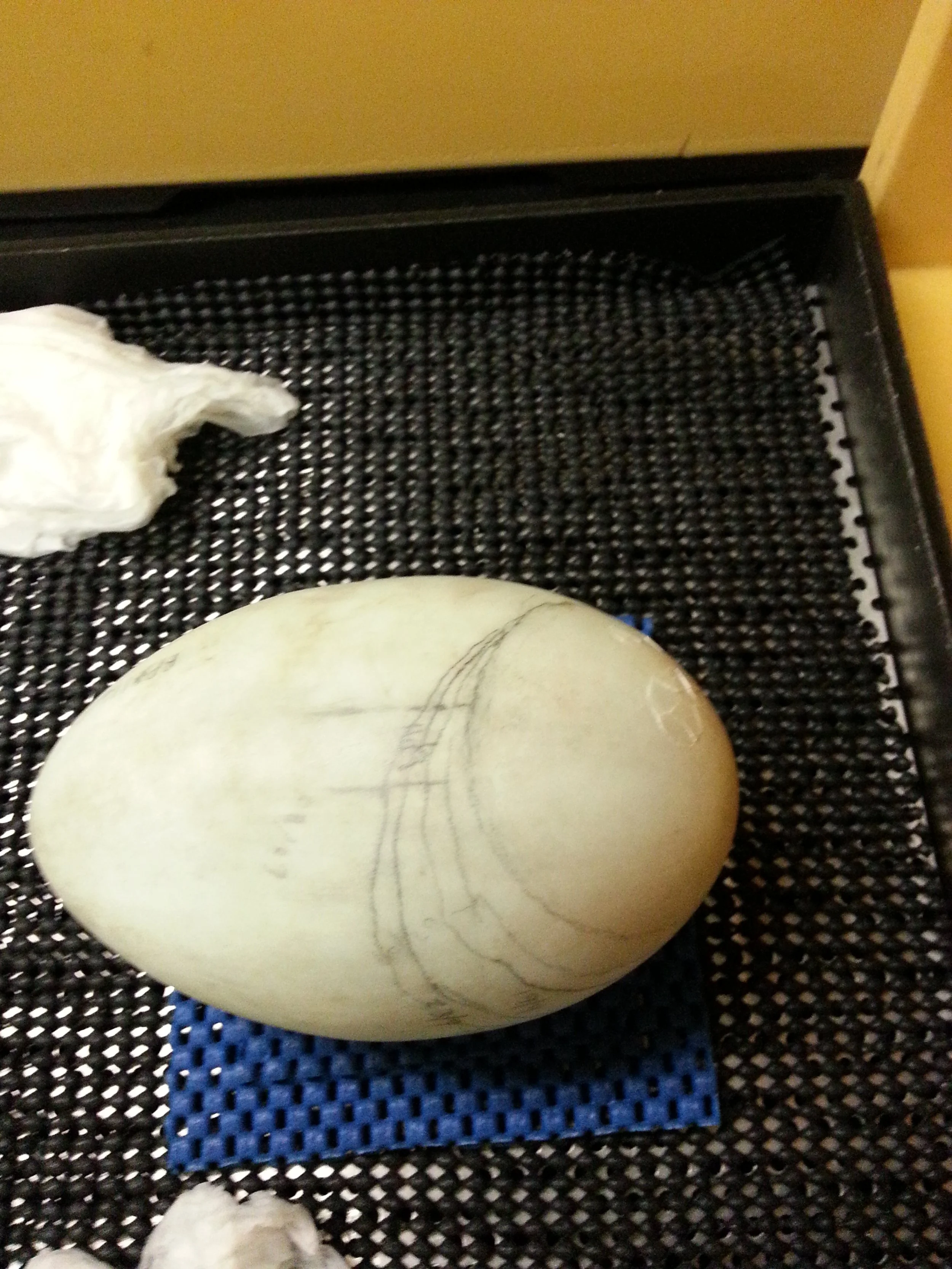
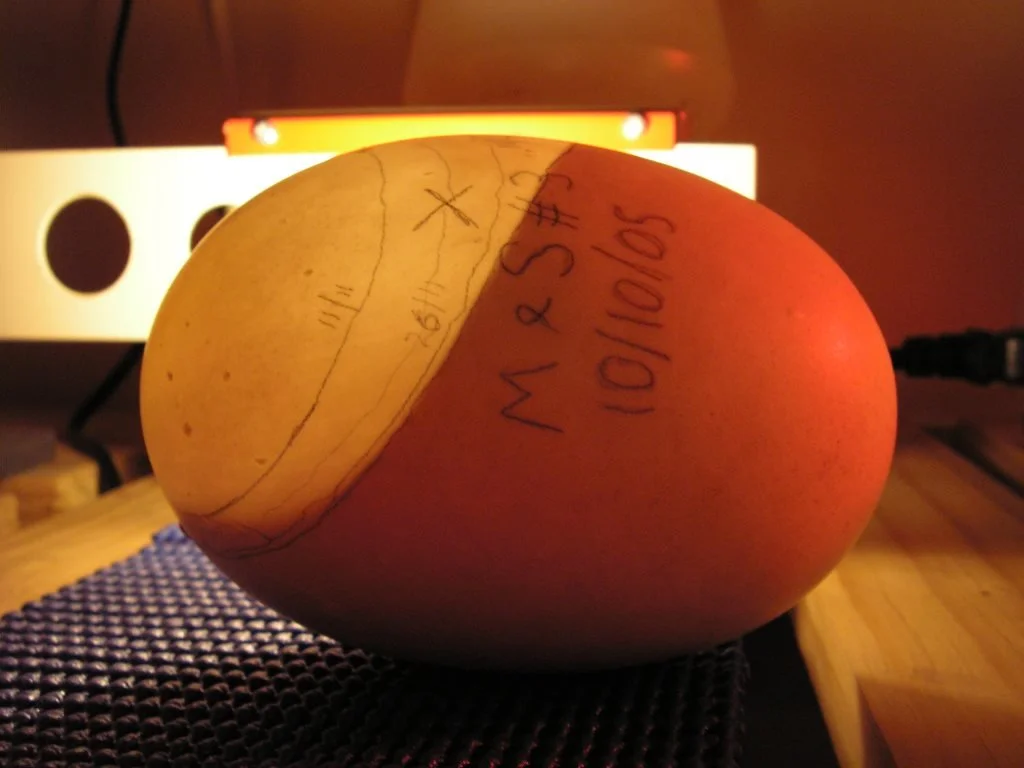
Once we receive the egg at the trusts breeding centre at Willowbank, their expert staff carry out health checks. Eggs are first cleaned to remove and harmful bacteria, then the egg is weighed and this detail, along with the condition of the egg and the date it was lifted from the nest, is recorded.
From there on the egg is weighed twice a week and these weights are also recorded. This process allows for tracking of the weight loss which is expected during the incubation of an egg. An egg is expected to lose between 12 – 16% of its weight during the incubation time.
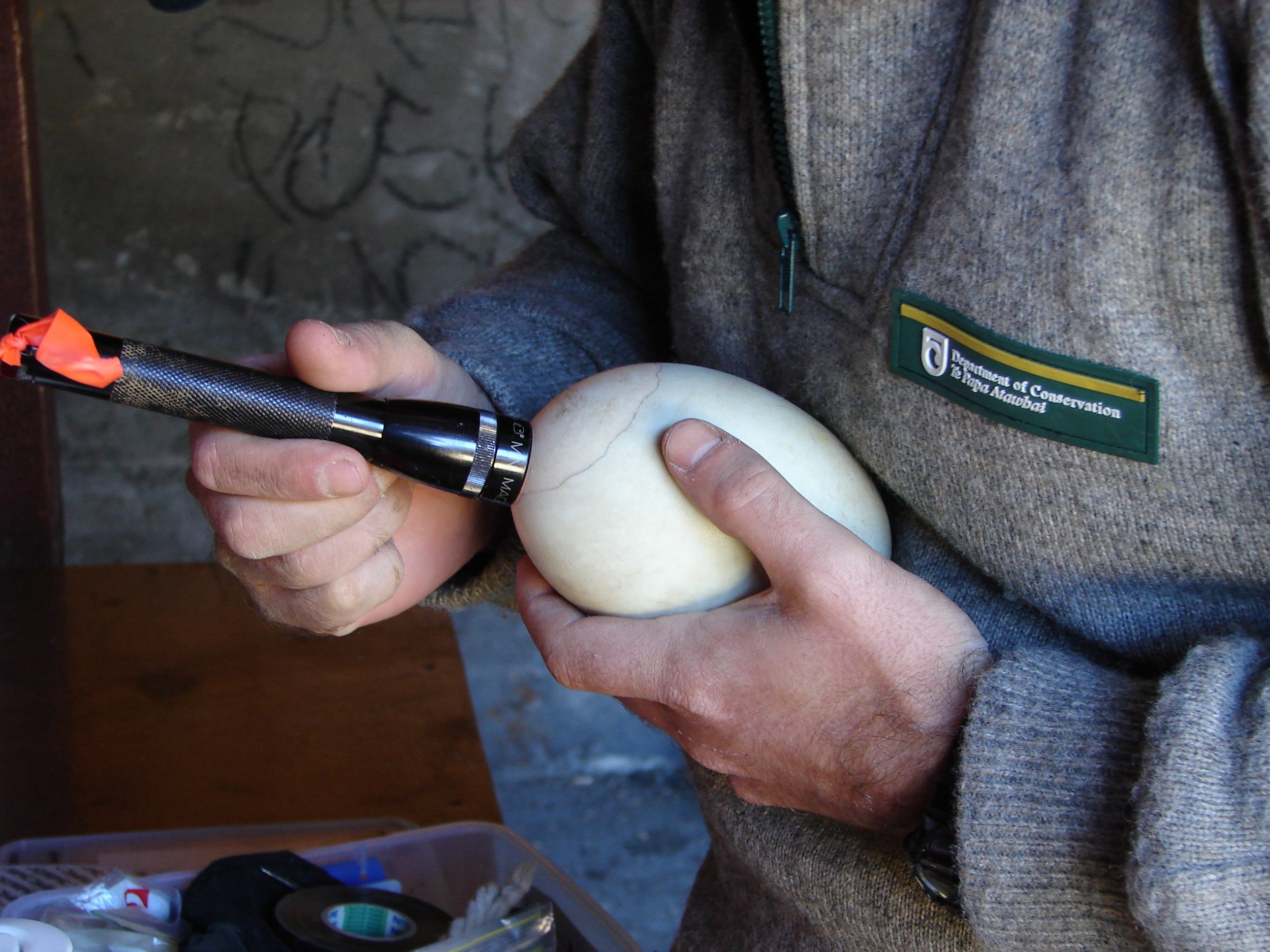
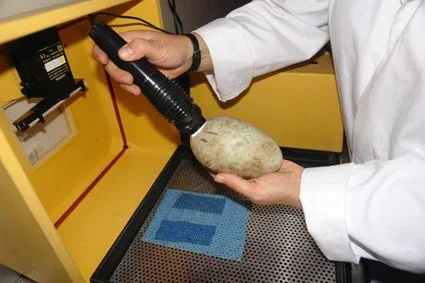
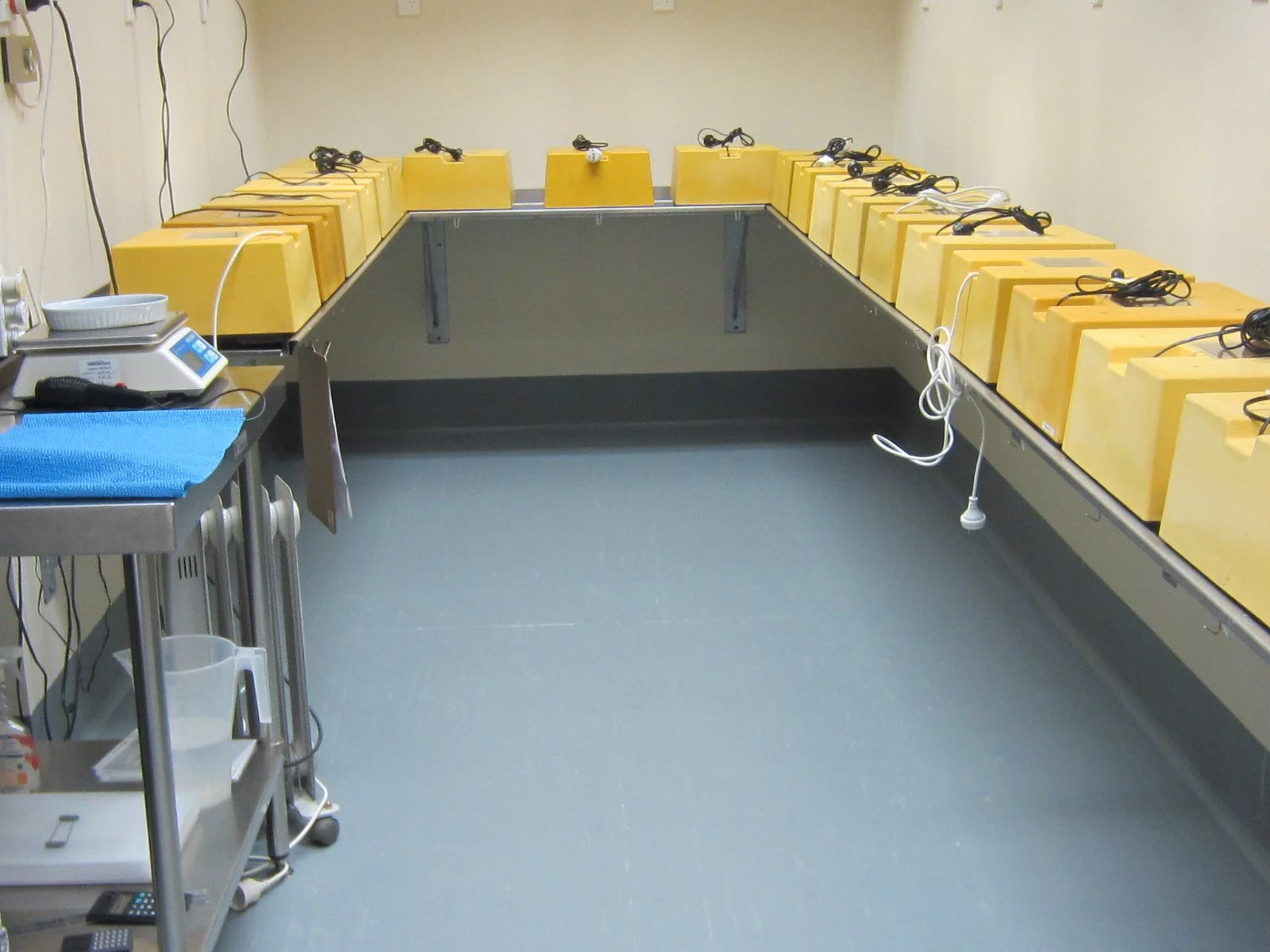
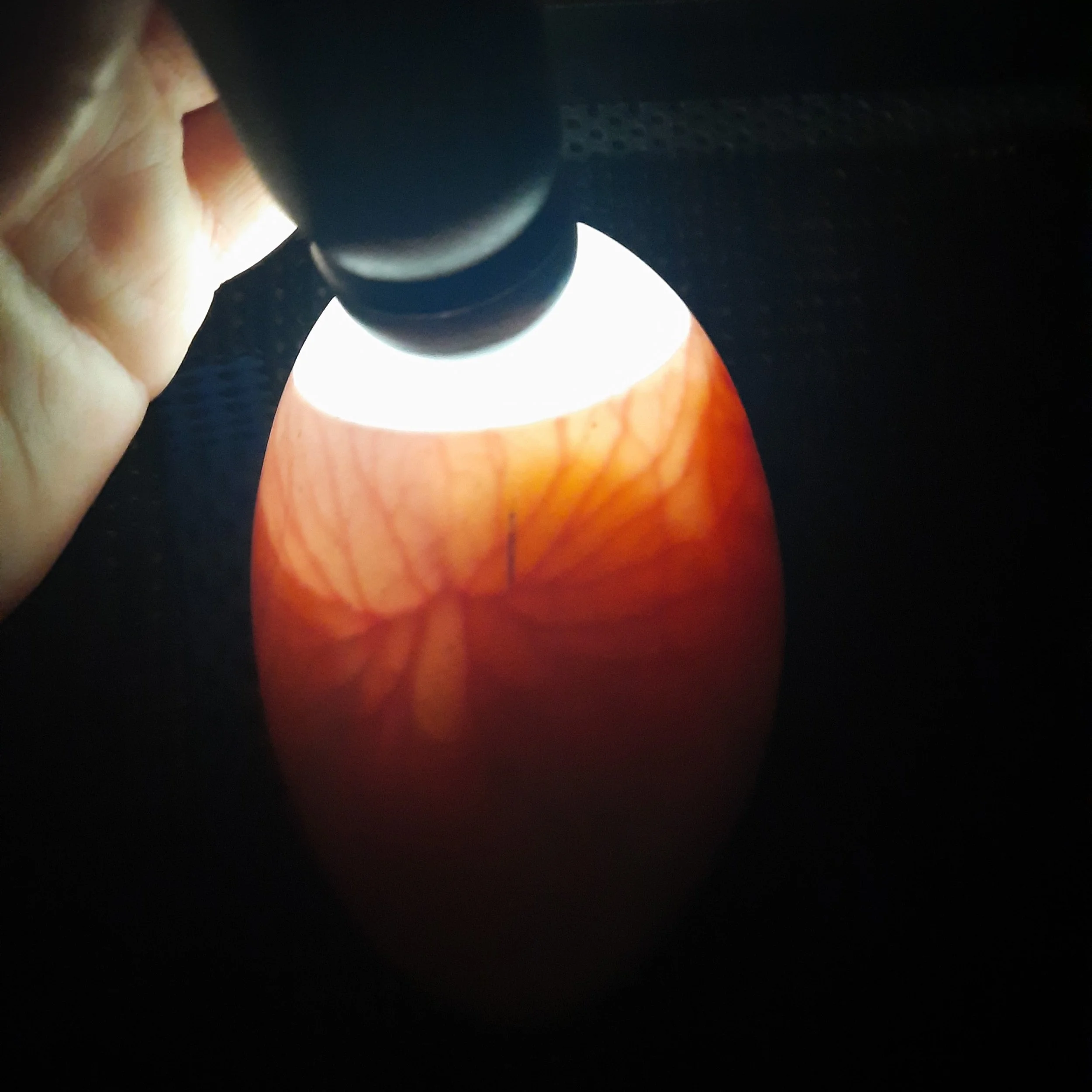
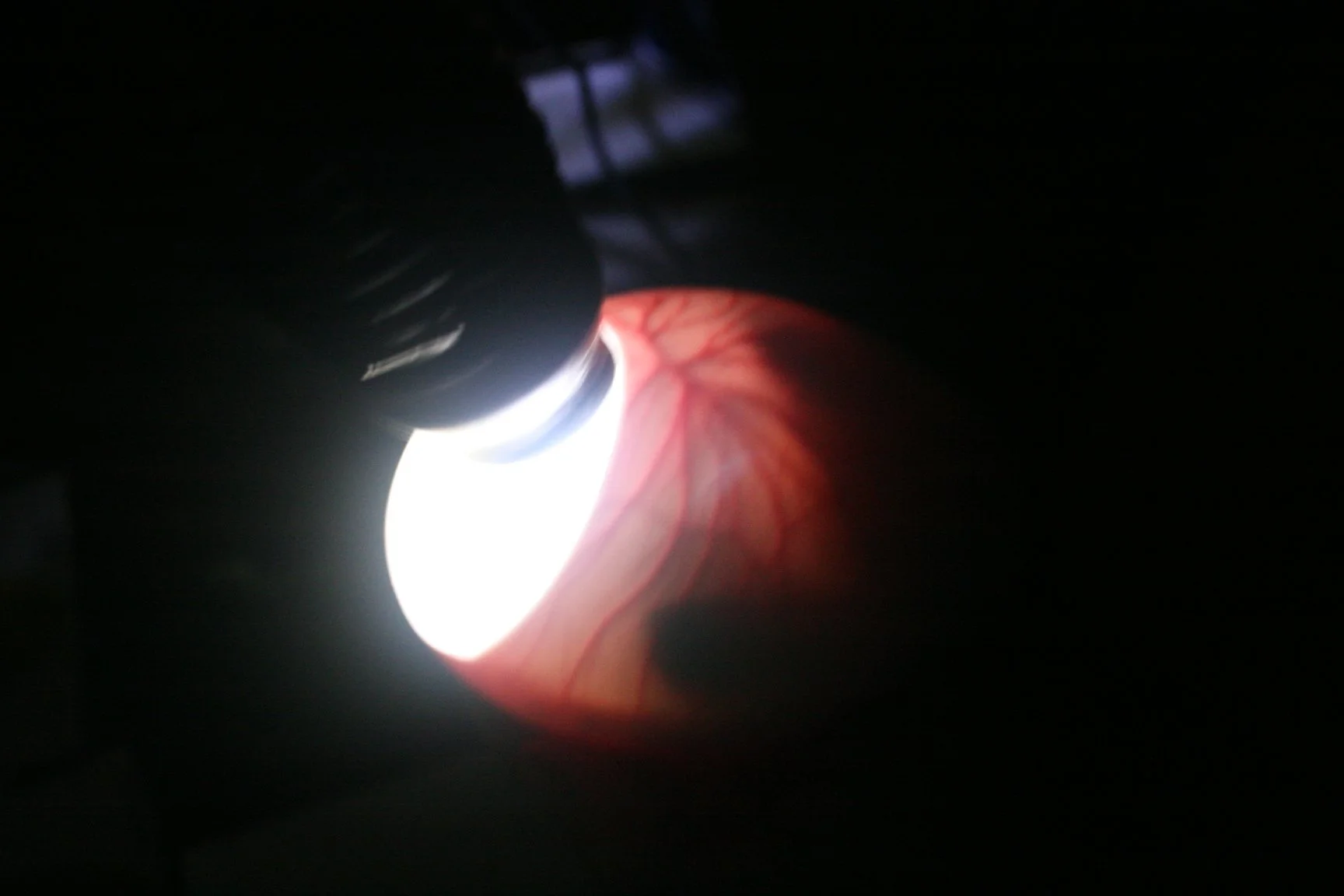
Then each egg is candled, candling involves shining a special cool light torch on the egg. This allows keepers to check on the growing chick inside the egg. During candling, which is done sparingly due to the light, the keeper is checking air-cell enlargement, embryo development and the clarity and condition of the inner membrane and network of veins, all of which are good indicators of the health of the embryo. The regular turning of the egg in the incubator mimics the actions of the male in the wild. The egg is only turned in intervals of 45 degrees each time and follows a set pattern of turns.
Hatching Time
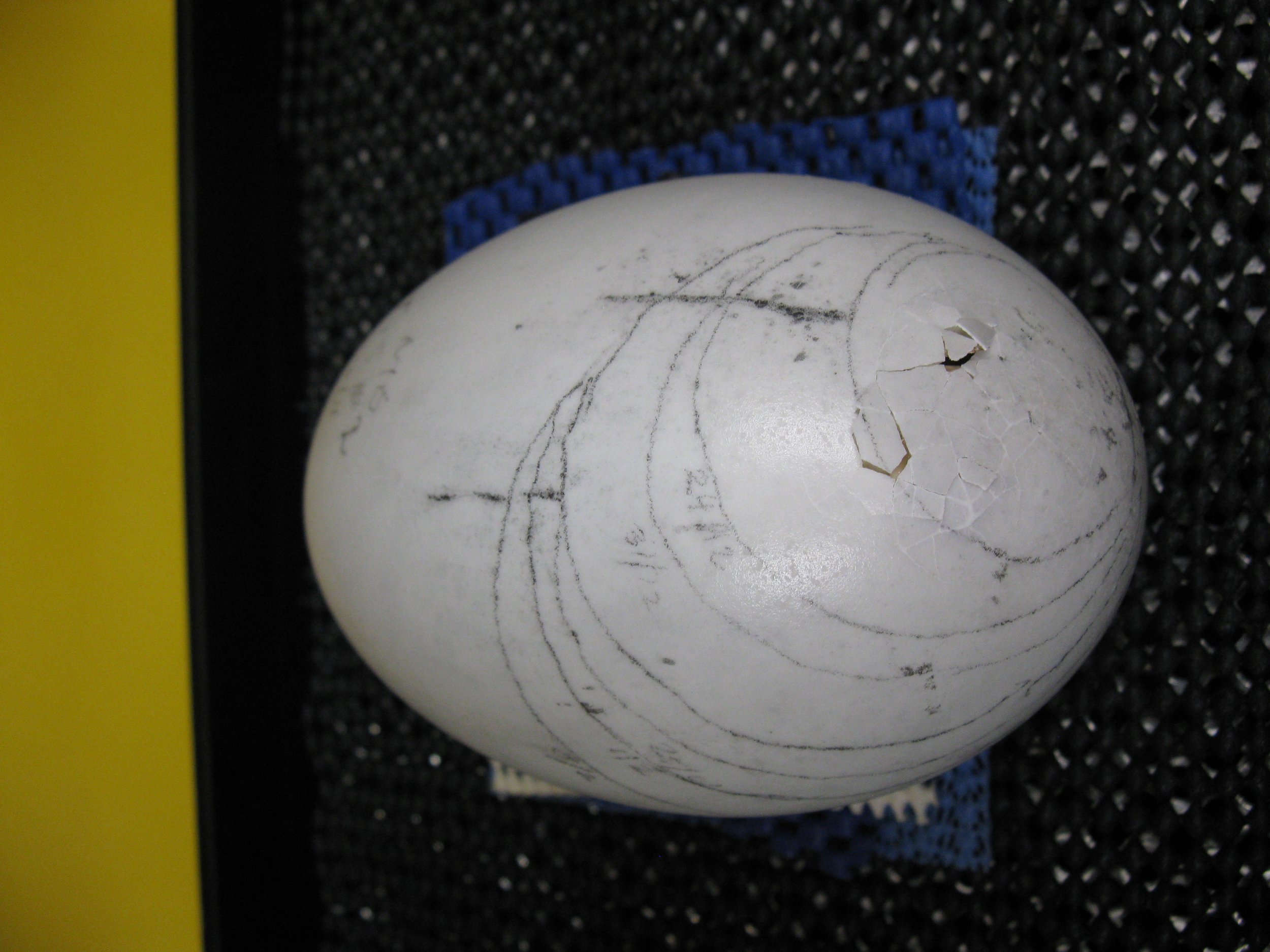
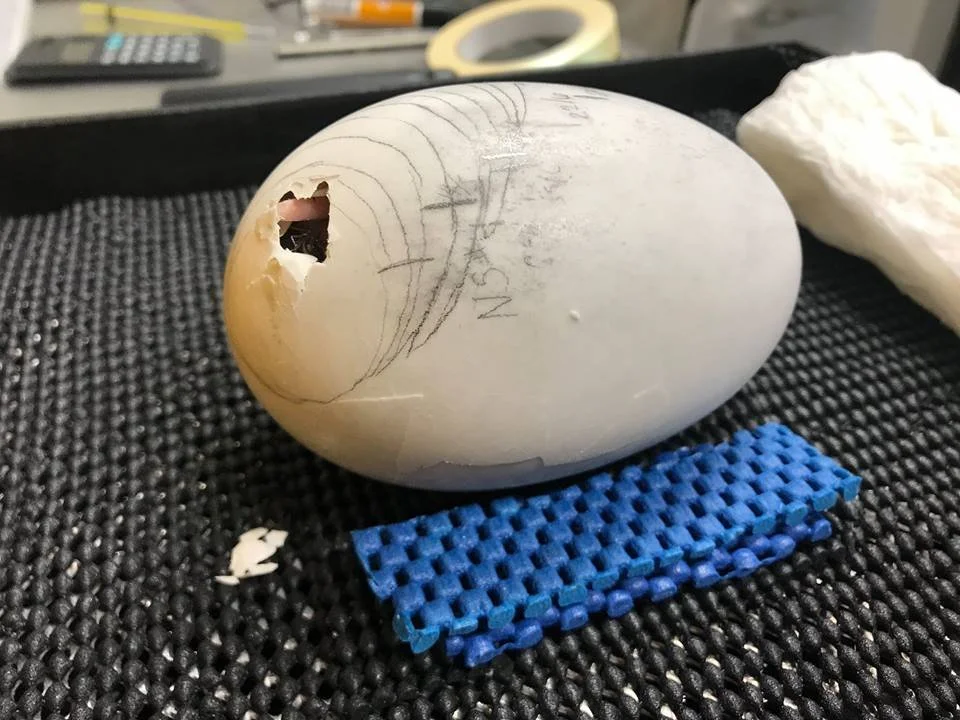
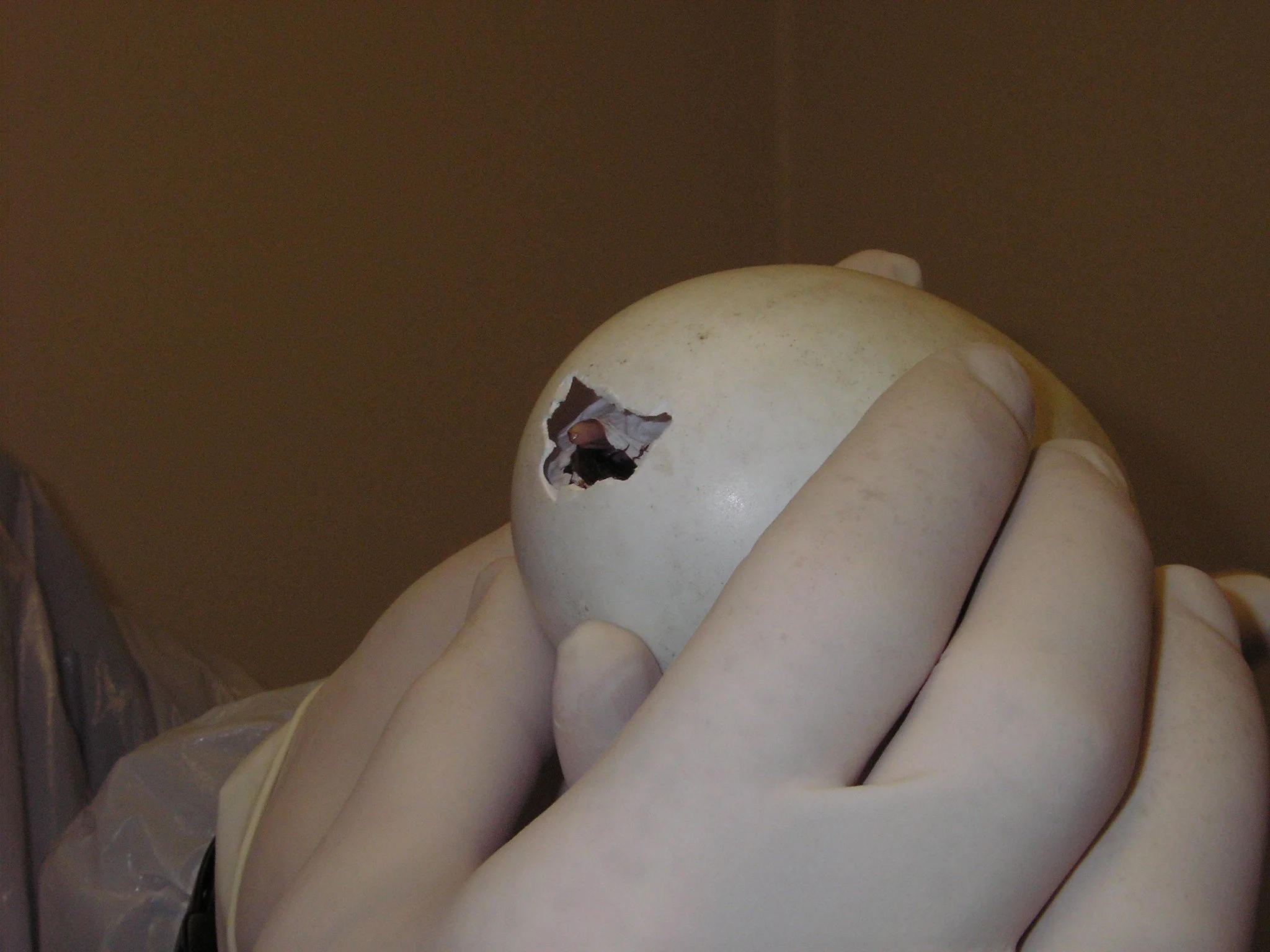
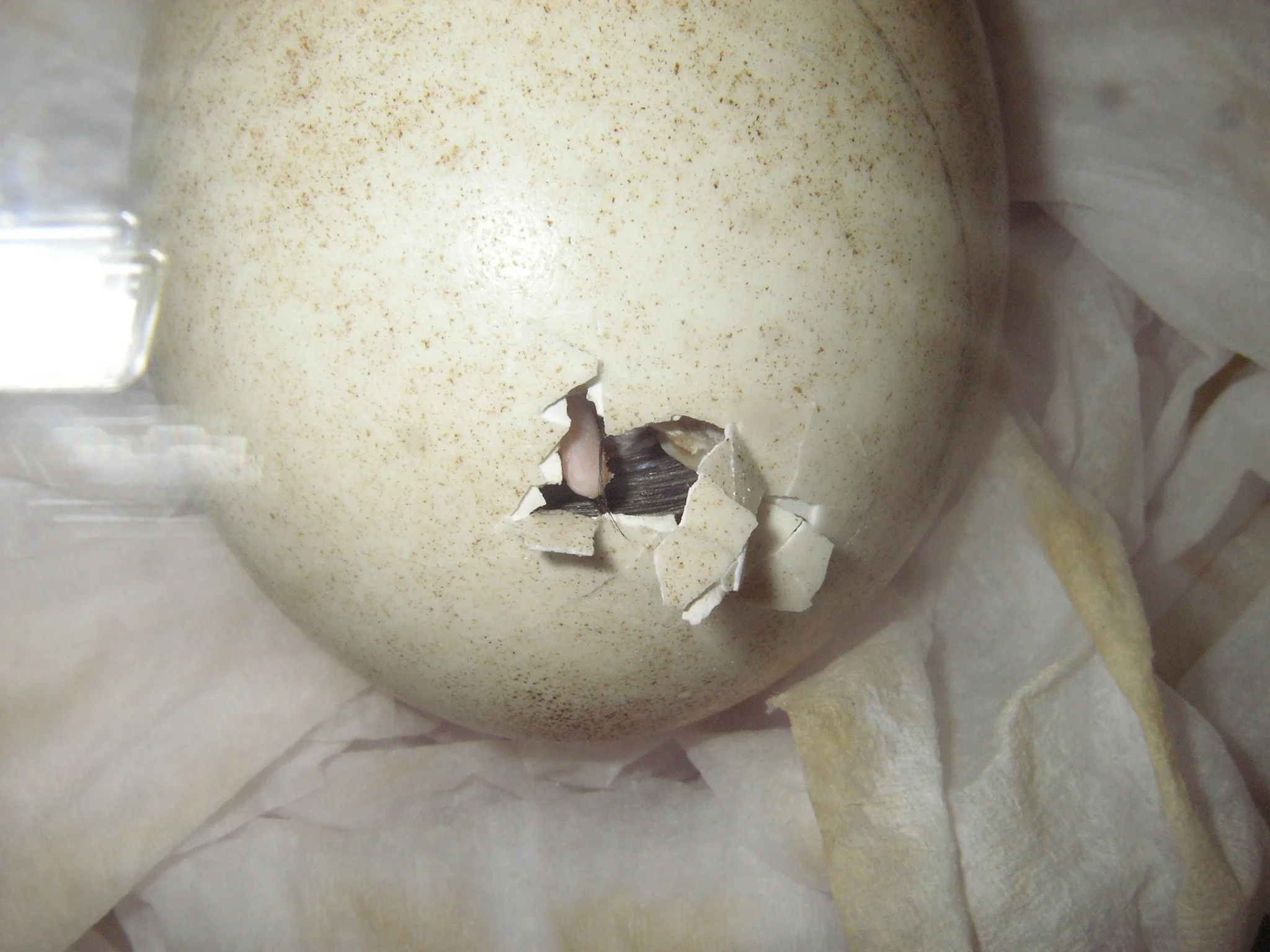
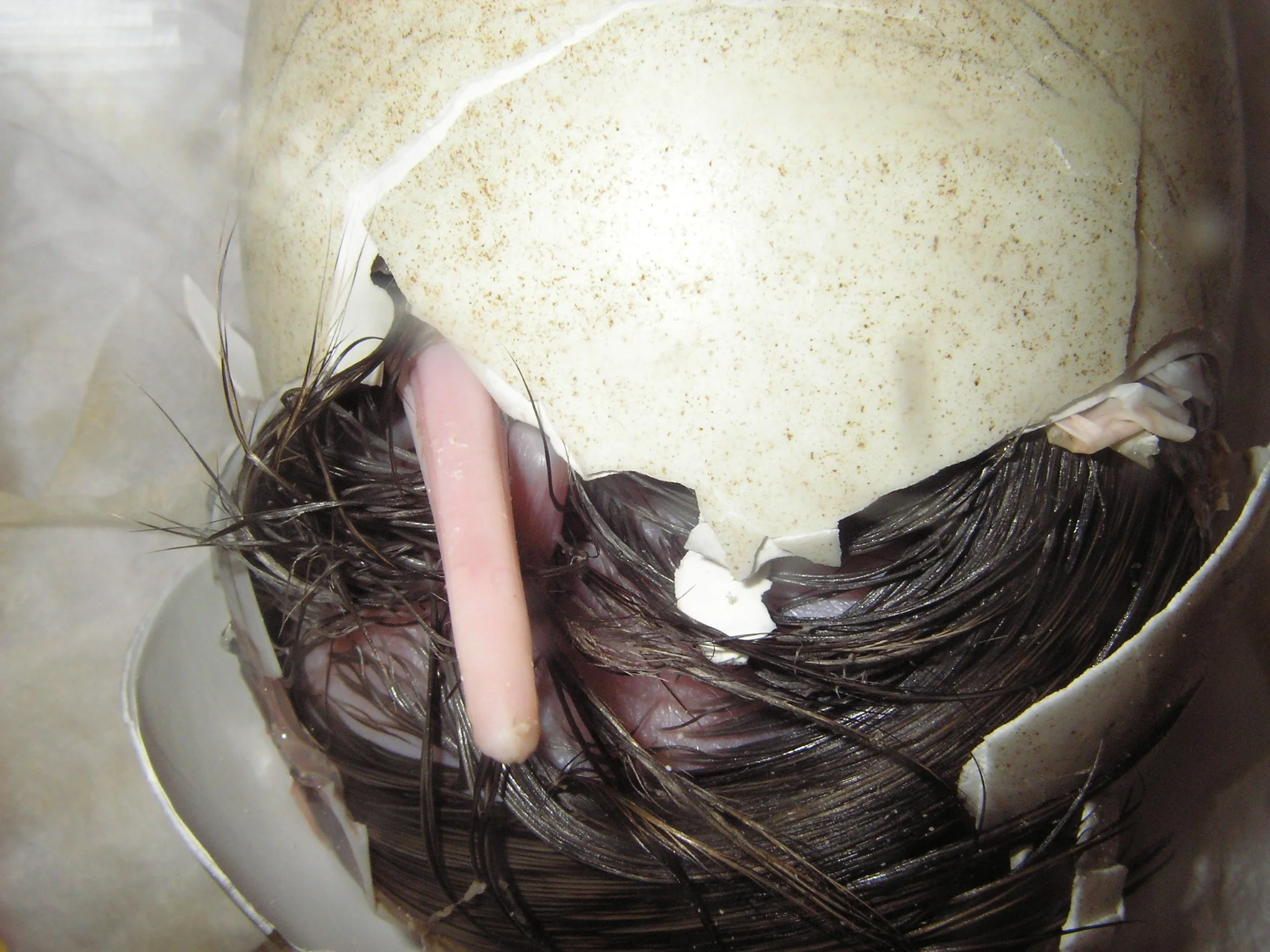
Hatching takes approximately 80 days, the first stage of hatching for the kiwi chick is known as the ‘internal pip’ and involves the chick breaking through the membrane between itself and the air-cell at the top of the egg. The next stage is the ‘external pip’ and this process can take 3 to 4 days. Often noises from the chick inside the egg can be heard during this time. The ‘external pip’ involves the chick cracking the shell with its beak and enlarging this hole, also with the beak. The feet are used to help kick the shell free from its body towards the end of hatching. The process of ‘external pipping’ can be a slow and delicate procedure.
Intervention is occasionally necessary once the chick begins to hatch. This is generally if the chick is mal-positioned or chick movement begins to drop. Any intervention at this stage is very carefully and gently undertaken by experienced staff, as this is a critical stage for the baby chick.
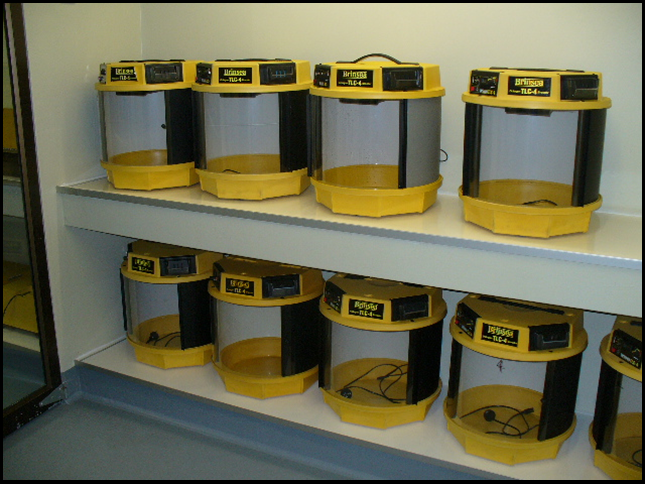
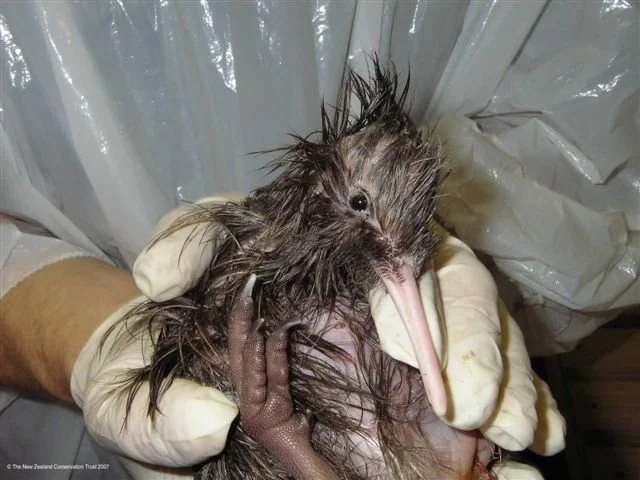
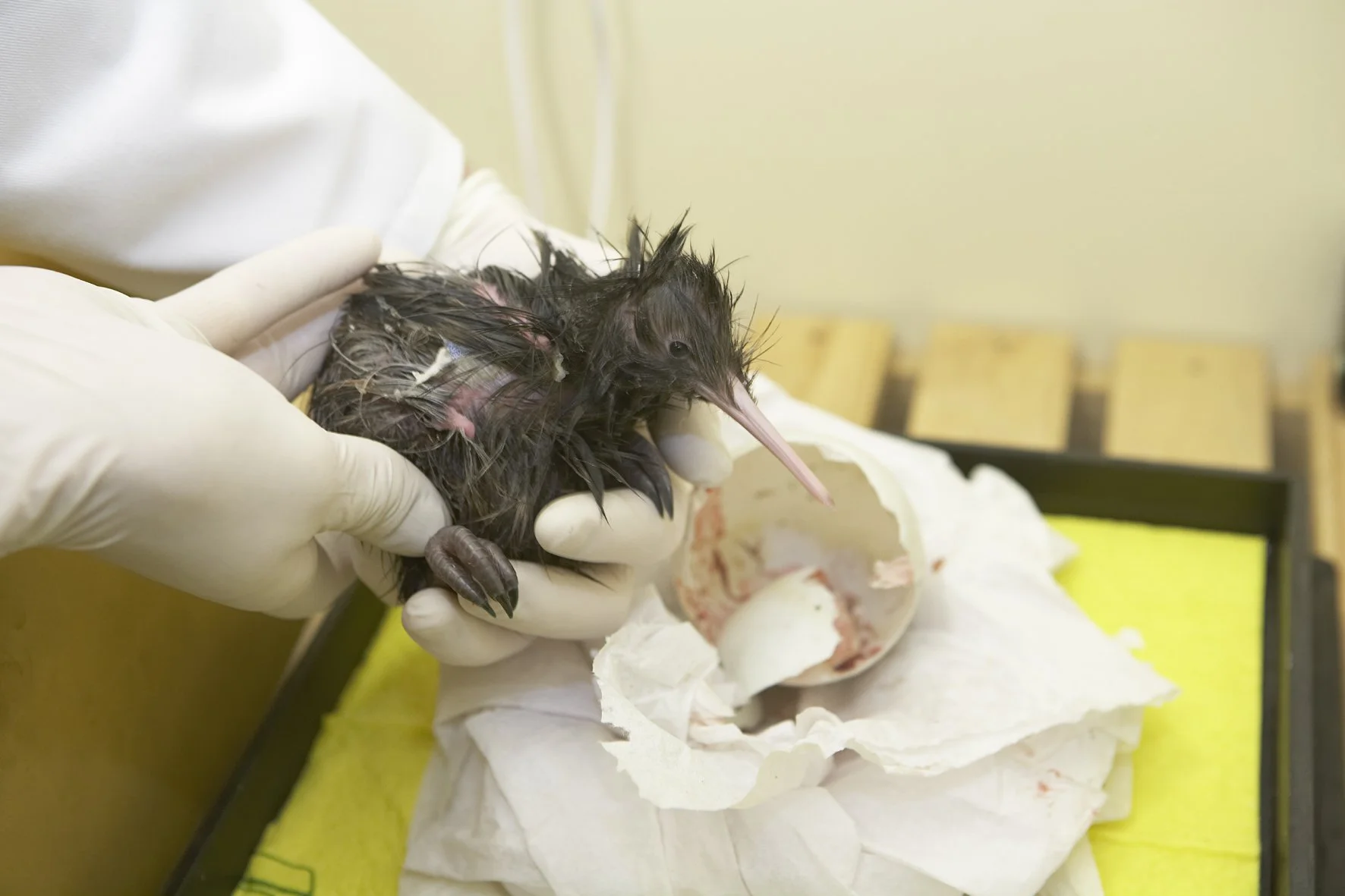
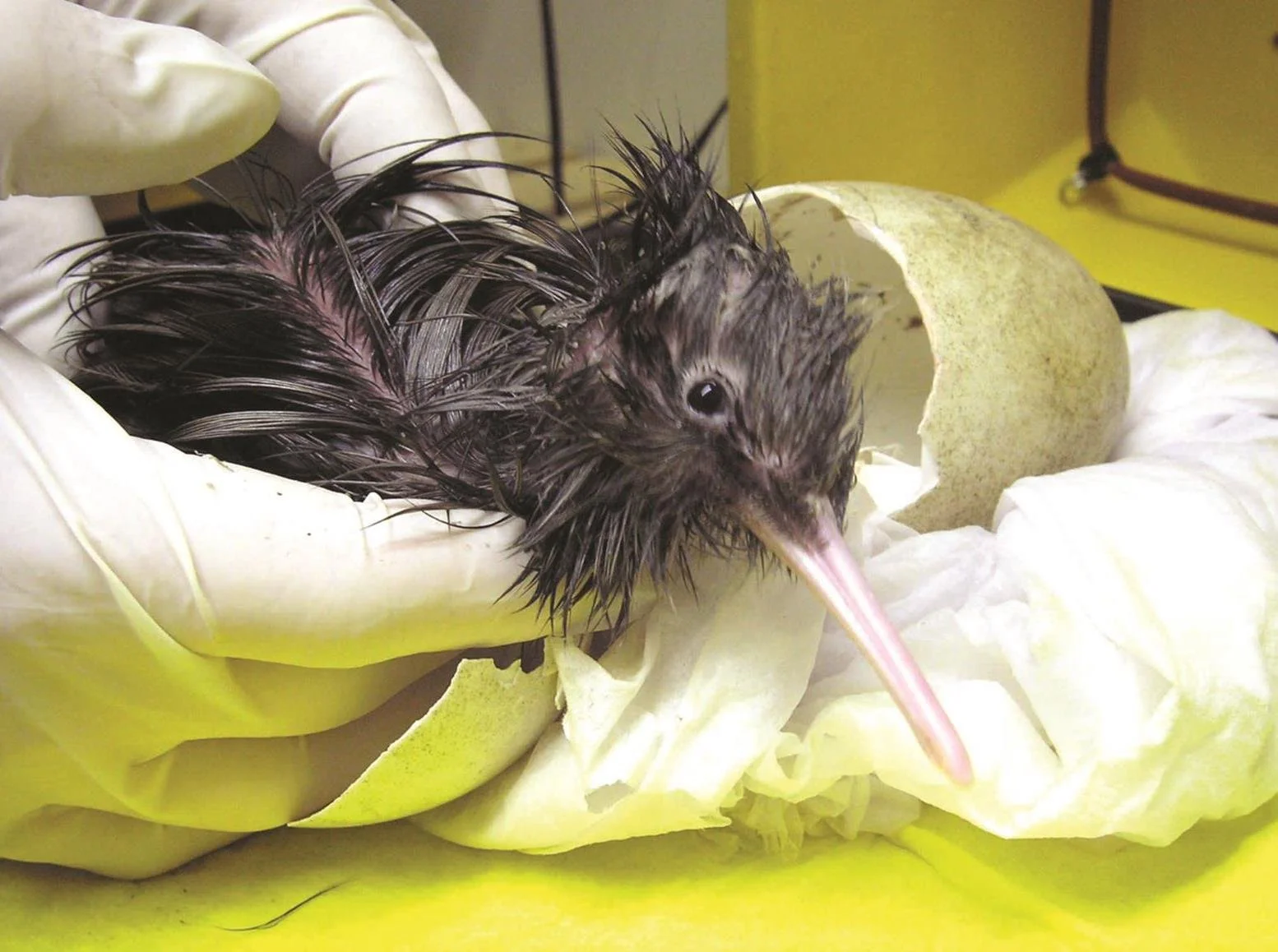
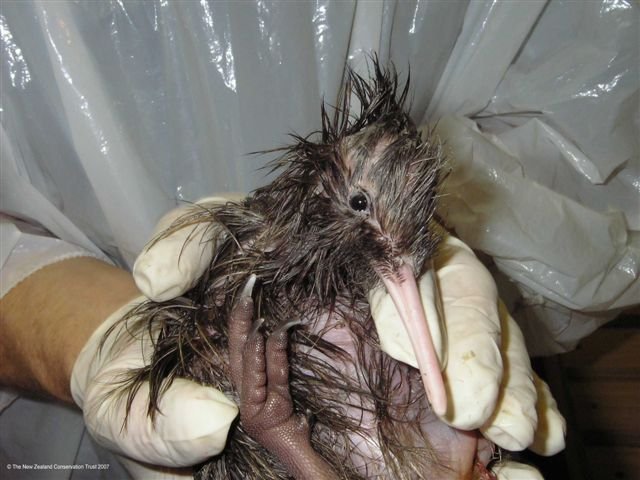
After hatching the new chick is weighed and this information recorded. The new kiwi will also have its umbilical cord disinfected. The next step for the kiwi chick is to be placed into a special unit known as the TLC (thermal life support cabinet).
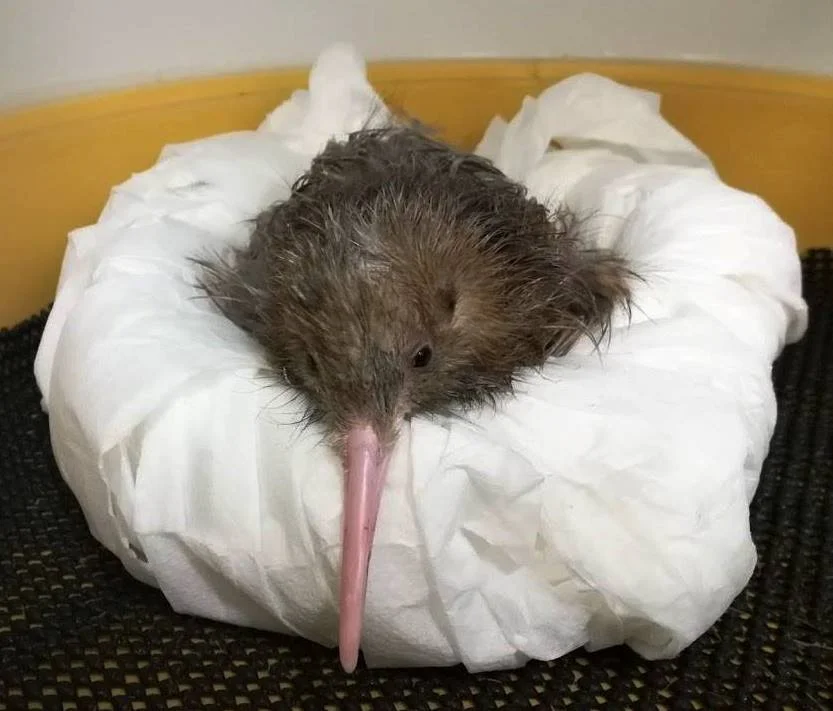
This is where the chick will spend the next two/three days under close supervision and care from keepers. The TLC unit helps the chick to dry out and provides a closely monitored and balanced environment. During this time the chick is sustained by the yolk sac which is contained within the bird. This yolk sac nourishes the chick for up to ten days. It is normal for the bird to lose weight during the first two weeks where after it can potentially take a further two weeks to reach its hatching weight.
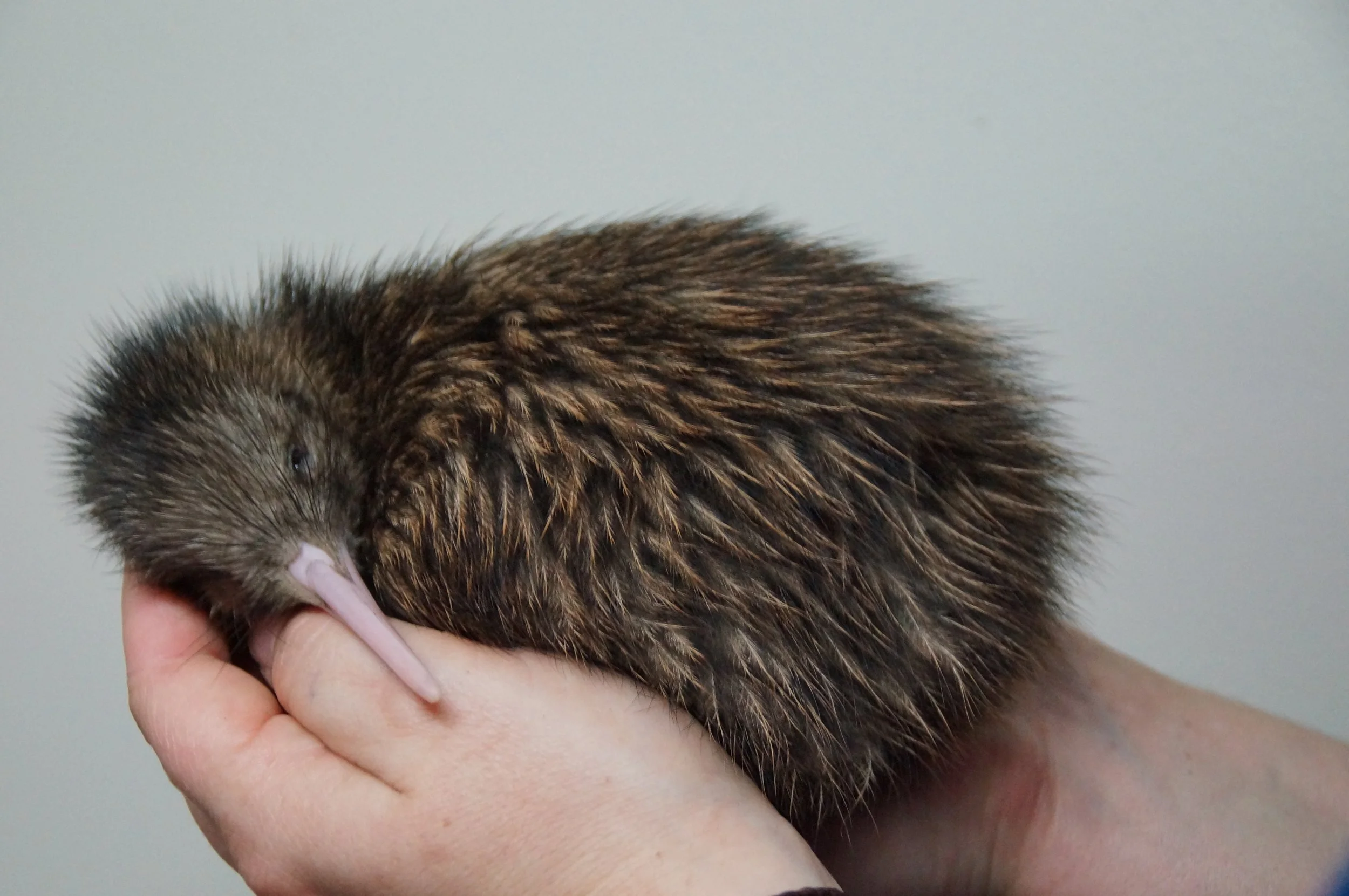
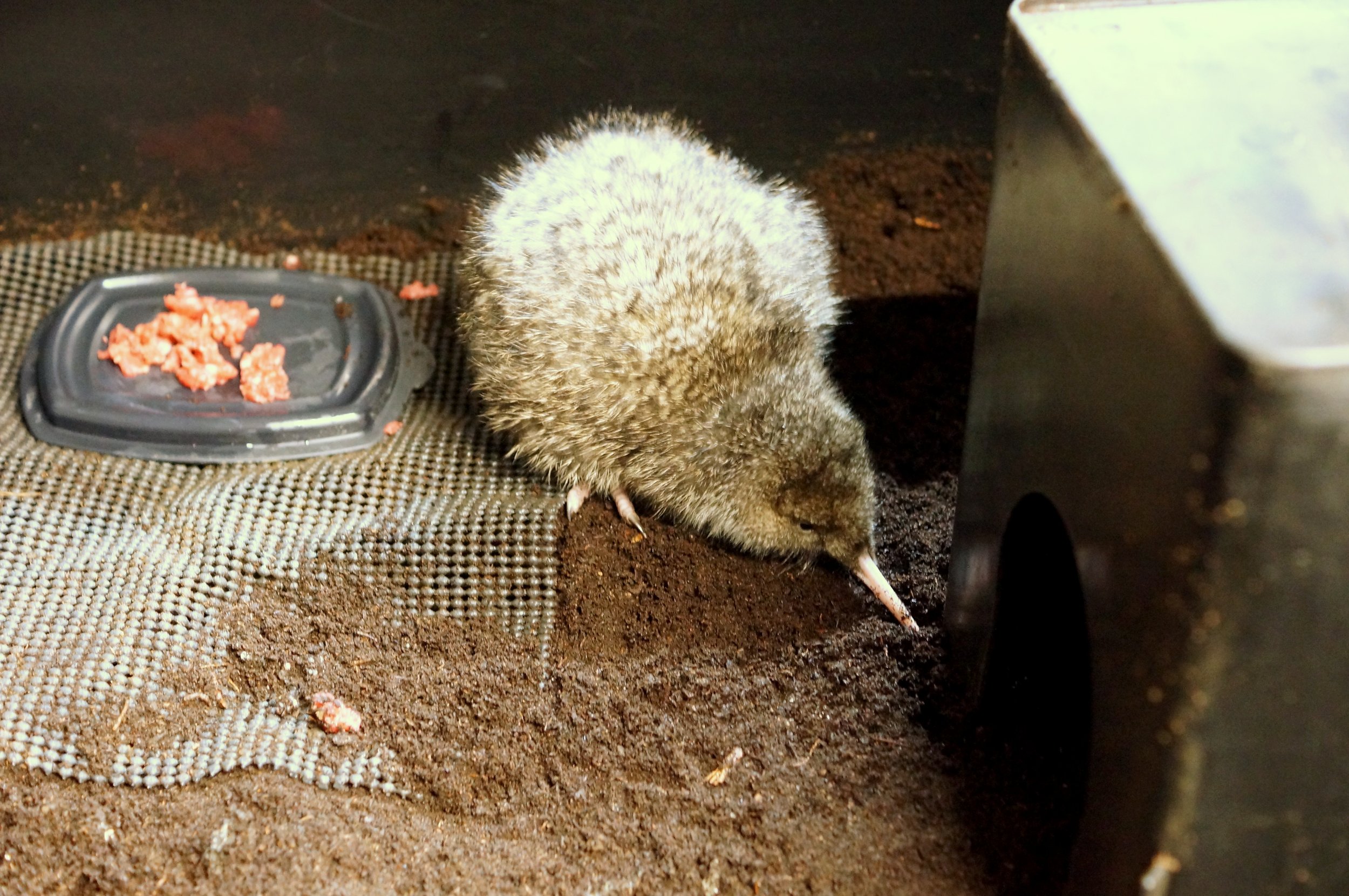
Journey To Growth
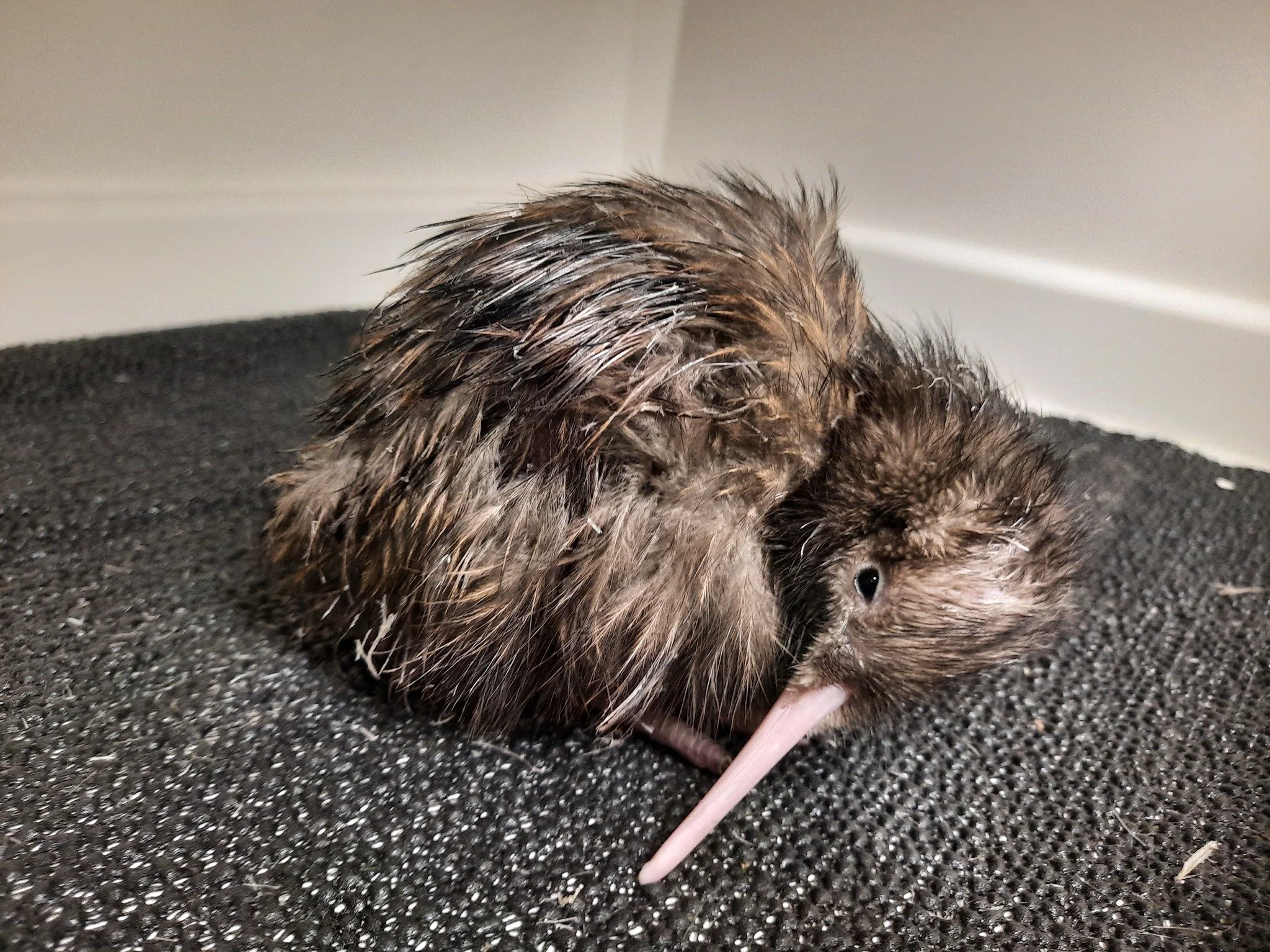
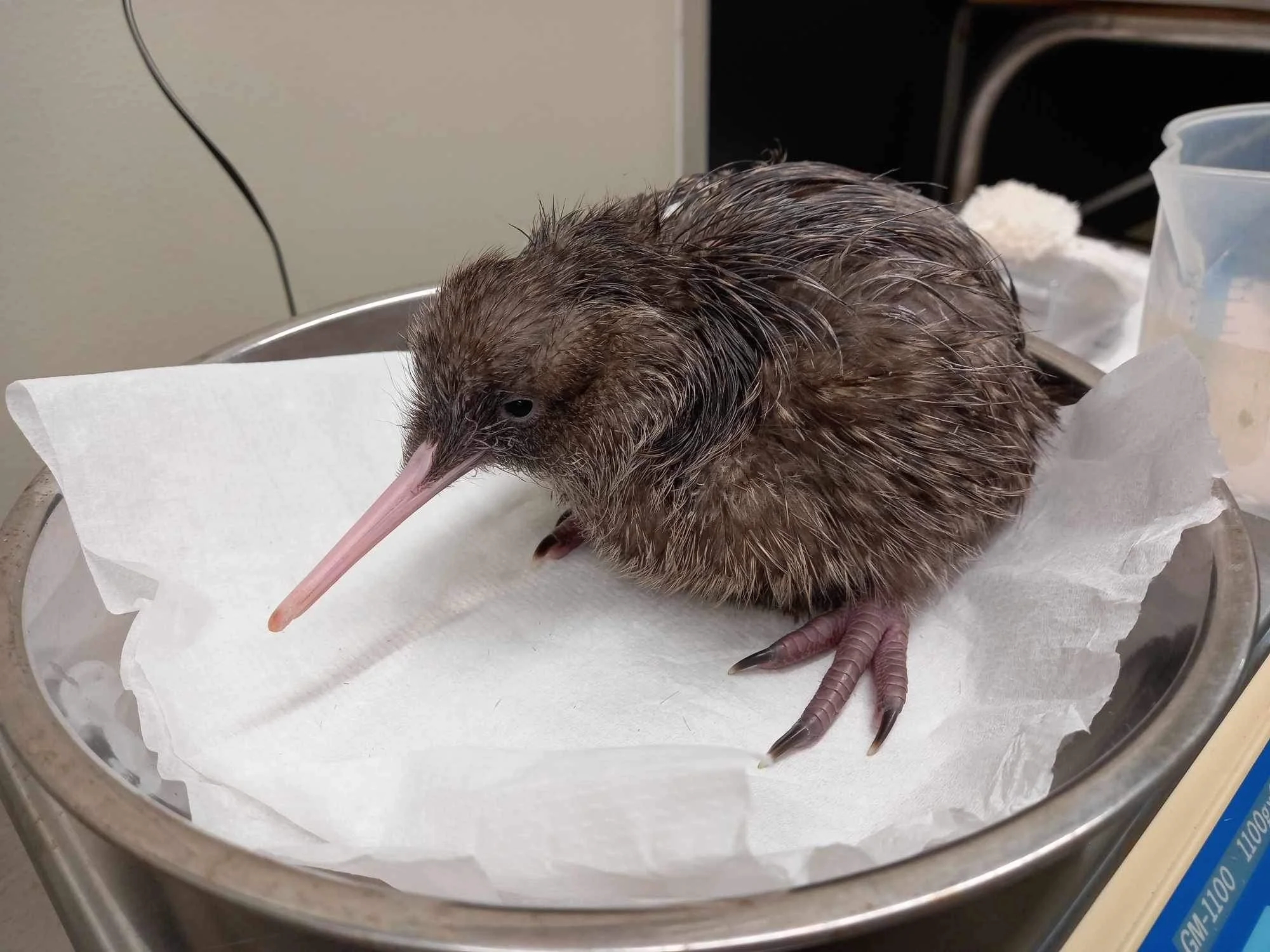
After approximately three days the chick is big enough to be moved into a brooder pen. This pen has a deep floor covering of peat, a burrow and the other necessities such as water, and small stones for the birds gizzard. In this brooder pen the chick will start to receive a specially formulated diet which is weighed, allowing us to track how much food the kiwi is eating. The bird is weighed daily for two months until it has reached hatch weight.
The chick is then placed in a special area known as a pre-release pen. These larger pens have a burrow for the bird as well as an area to allow for natural feeding habits such as probing to take place. During this time the amount of food the kiwi eats is recorded daily and the bird’s weight is checked twice a week. These pre-release pens are a ‘hardening off’ area before released into predator free creche sites.
Once the chick has reached an appropriate weight of 450 grams, it is taken to either a predator-free island or inland creche site. However, there is often a situation which requires the kiwi chick to remain for a longer period. Once the chicks are released into predator-free creche sites/ islands they will be monitored to ensure they are putting on sufficient weight. Should their weight drop, then supplement food is supplied until the chick adjusts to looking for food by itself.
The chicks will remain in these protected creche sites until they reach 1.2 kgs. At this weight they can protect themselves from a number of predators. These young birds will then be removed from the predator free creche sites and released back into the wild, mostly within the region that the eggs were retrieved from. The kiwi will continue to be monitored in the hope that one day they too will be adding to the kiwi population.
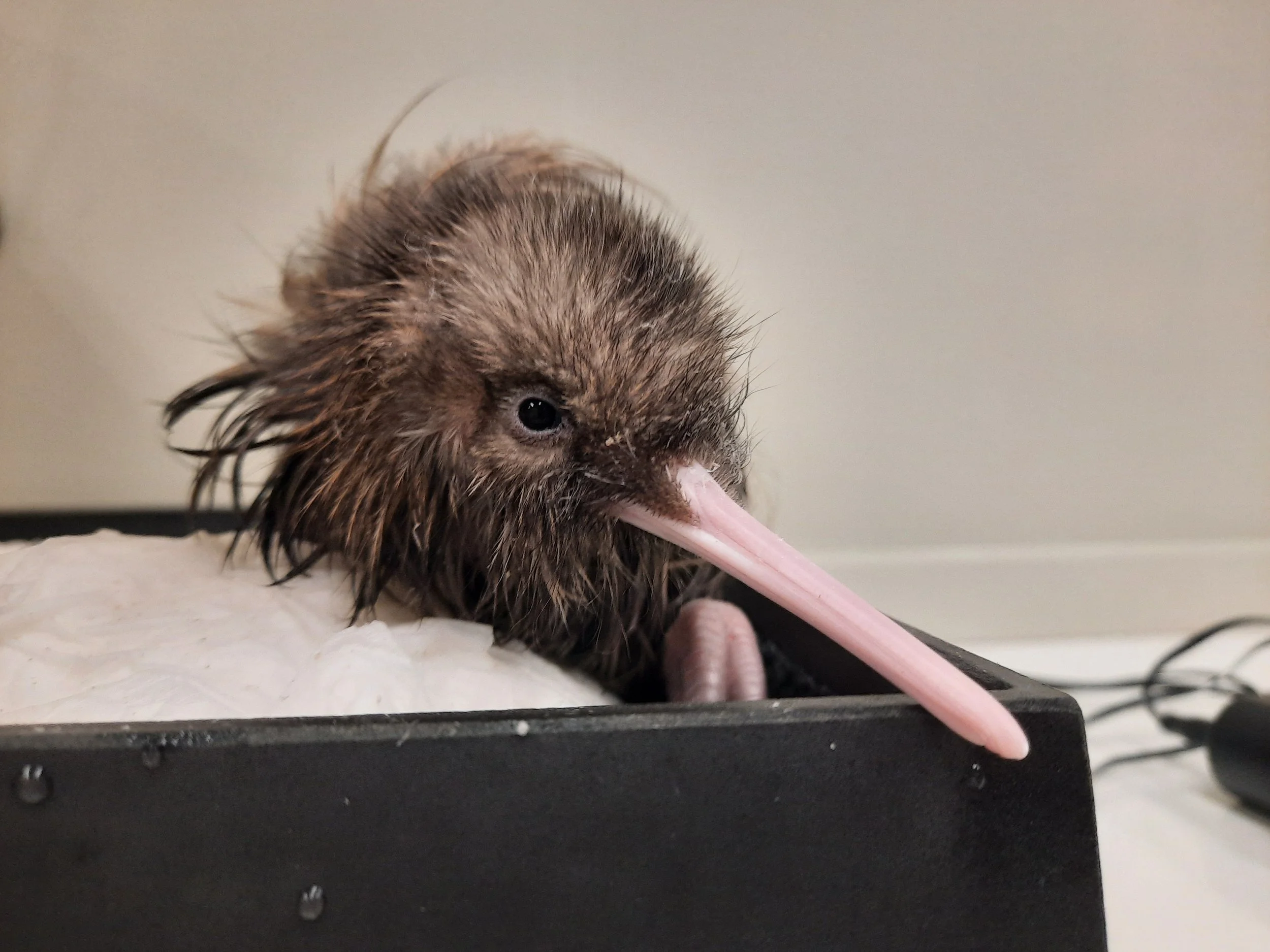
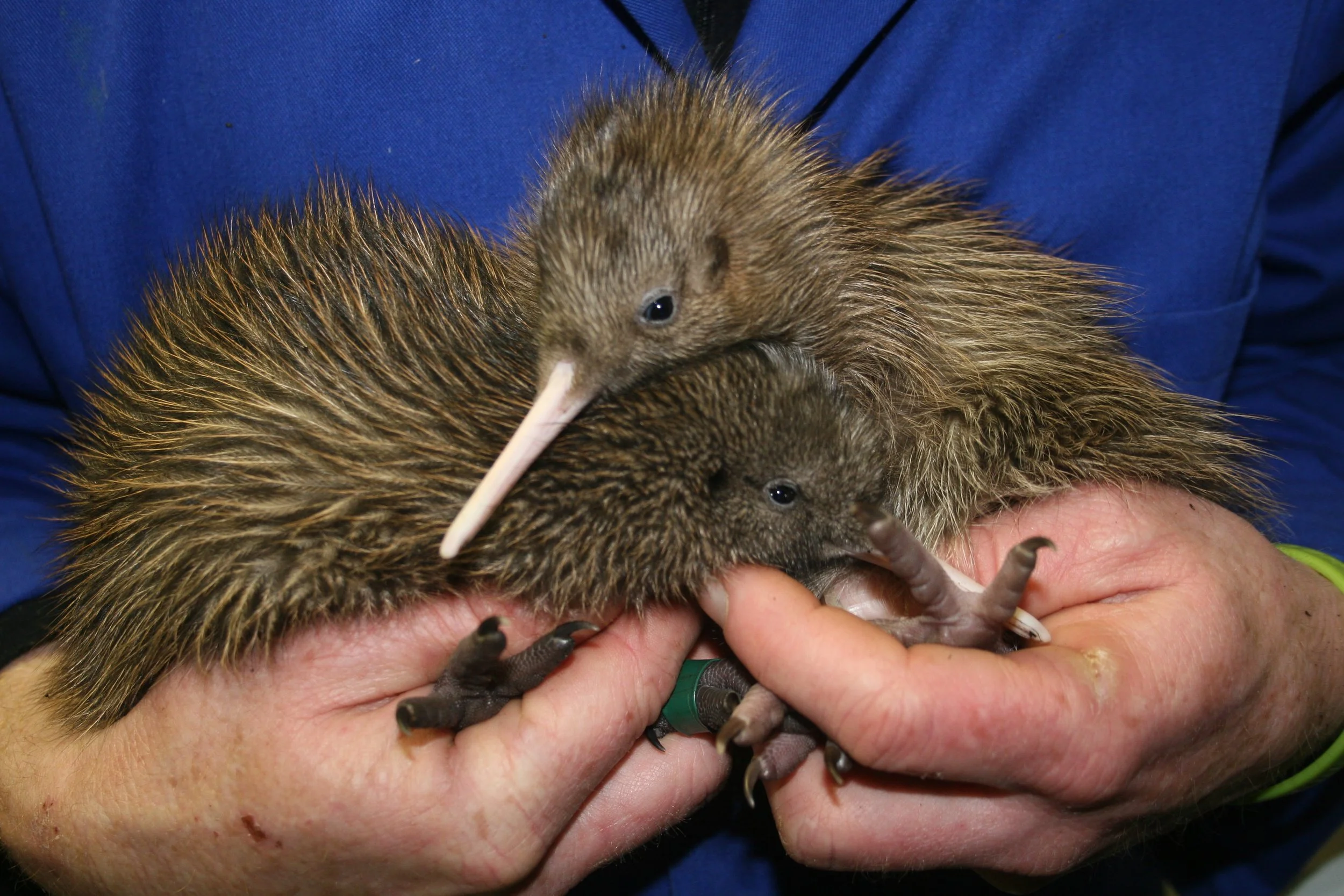
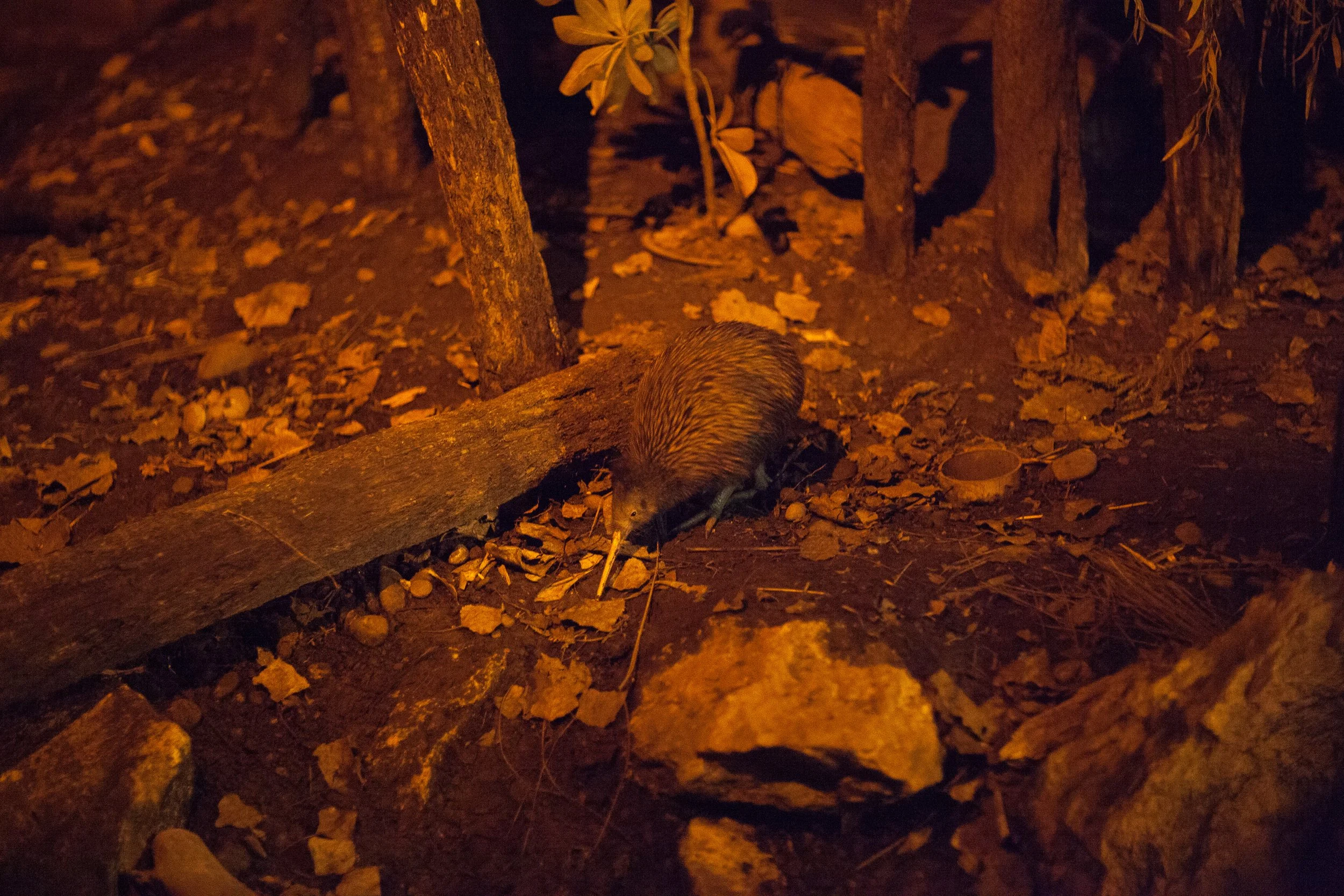
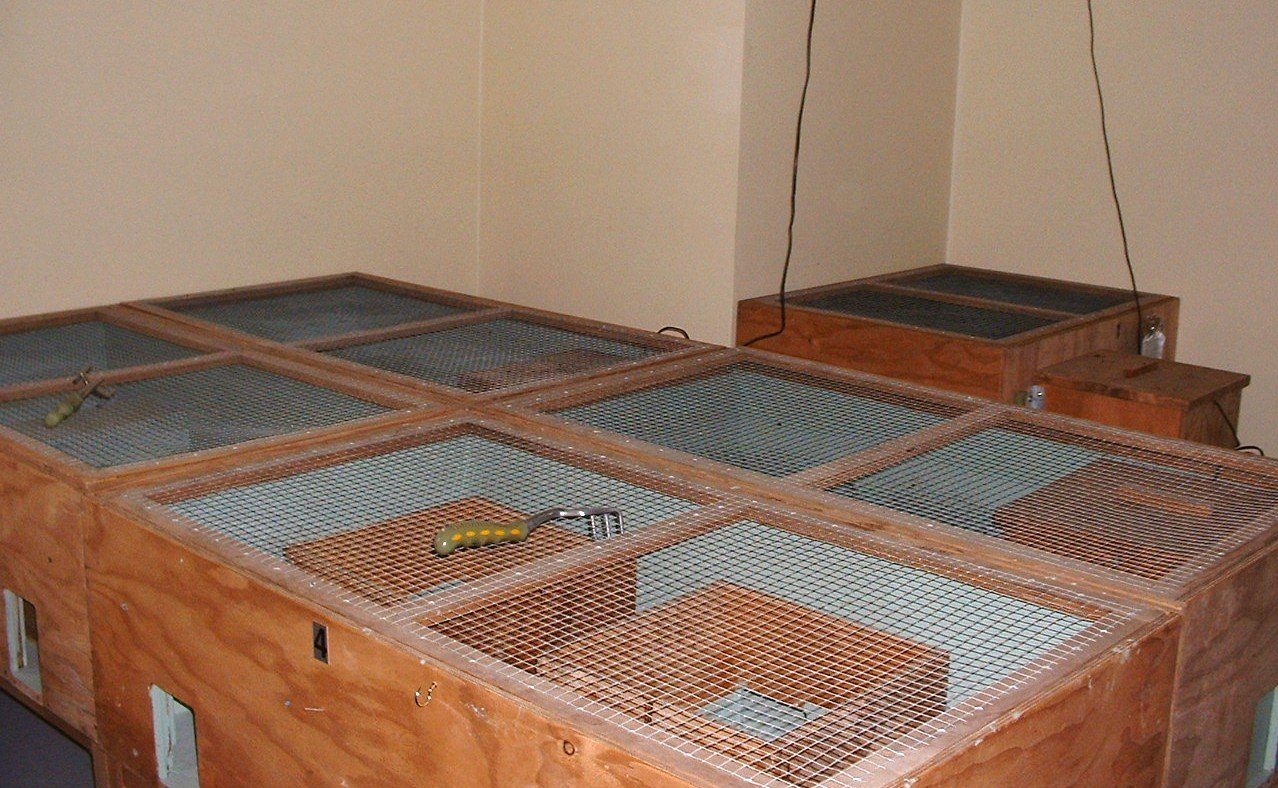
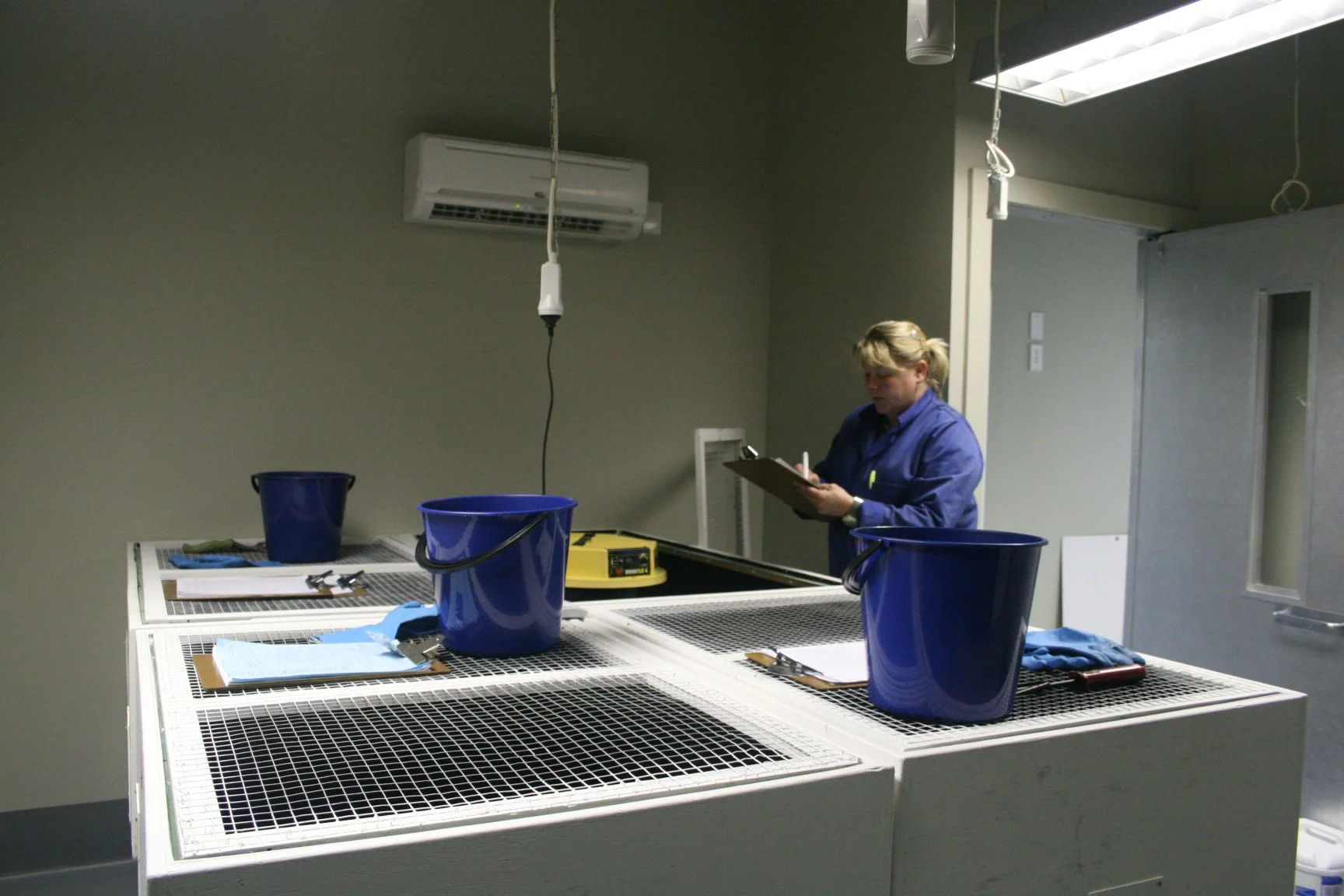
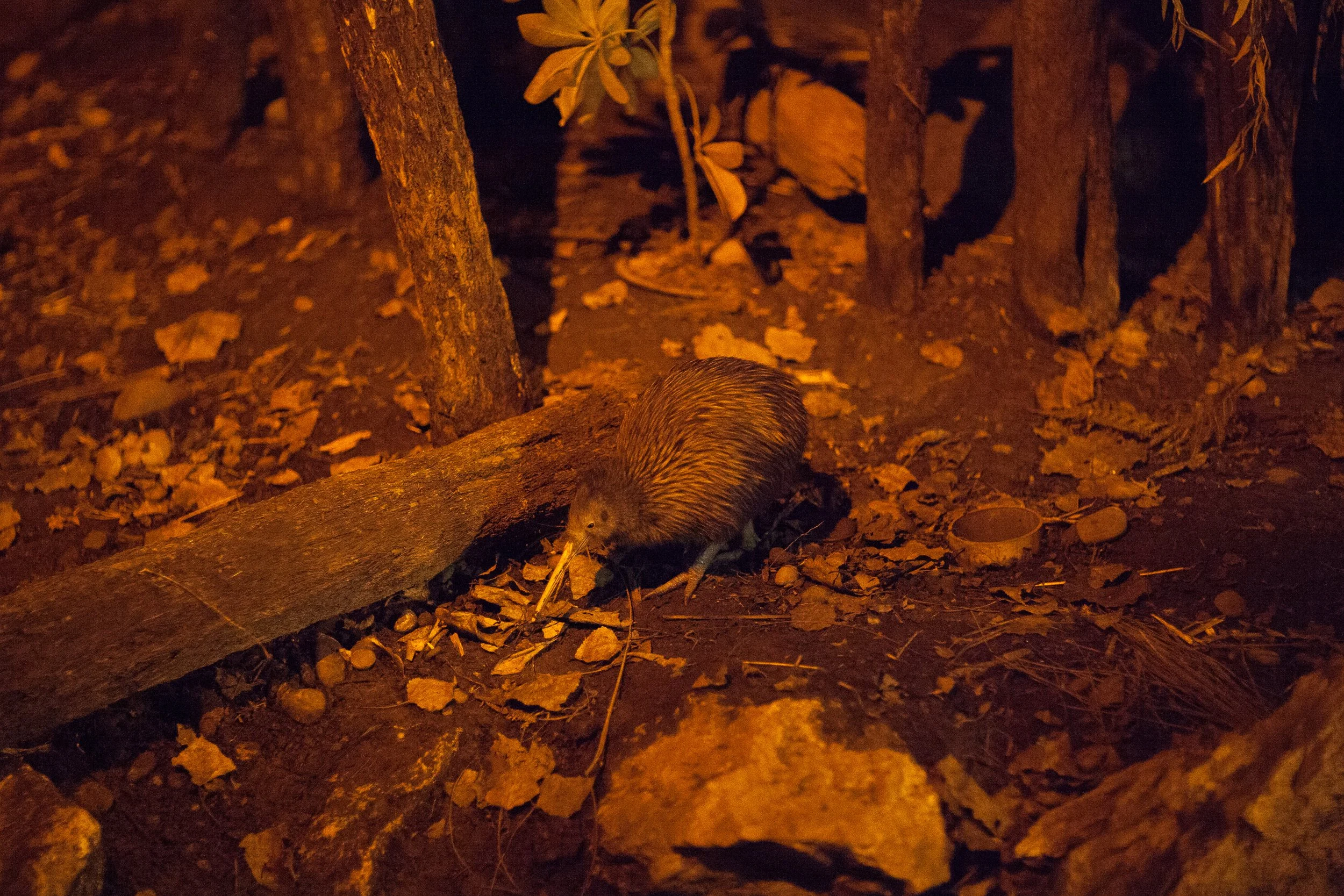
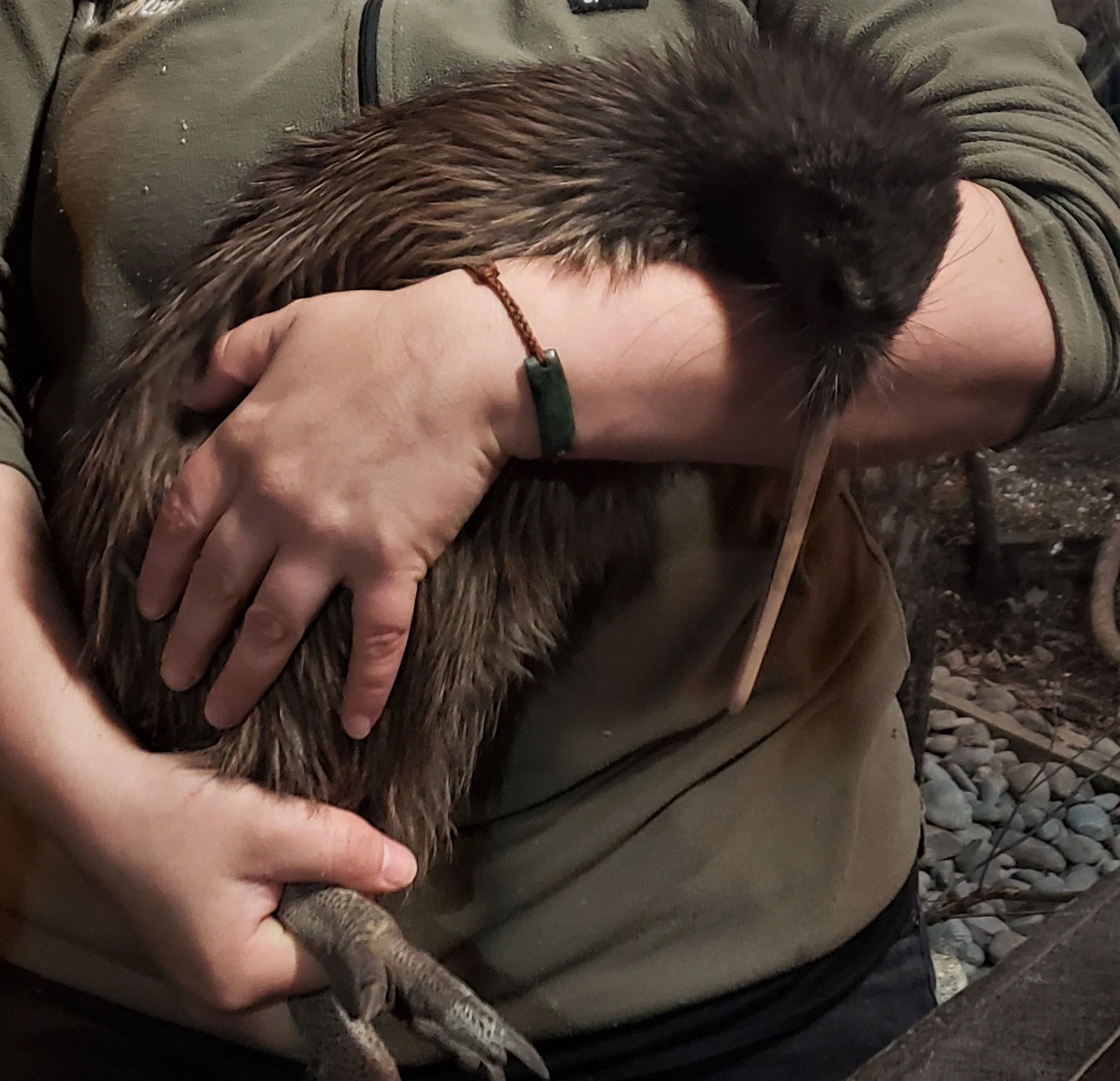
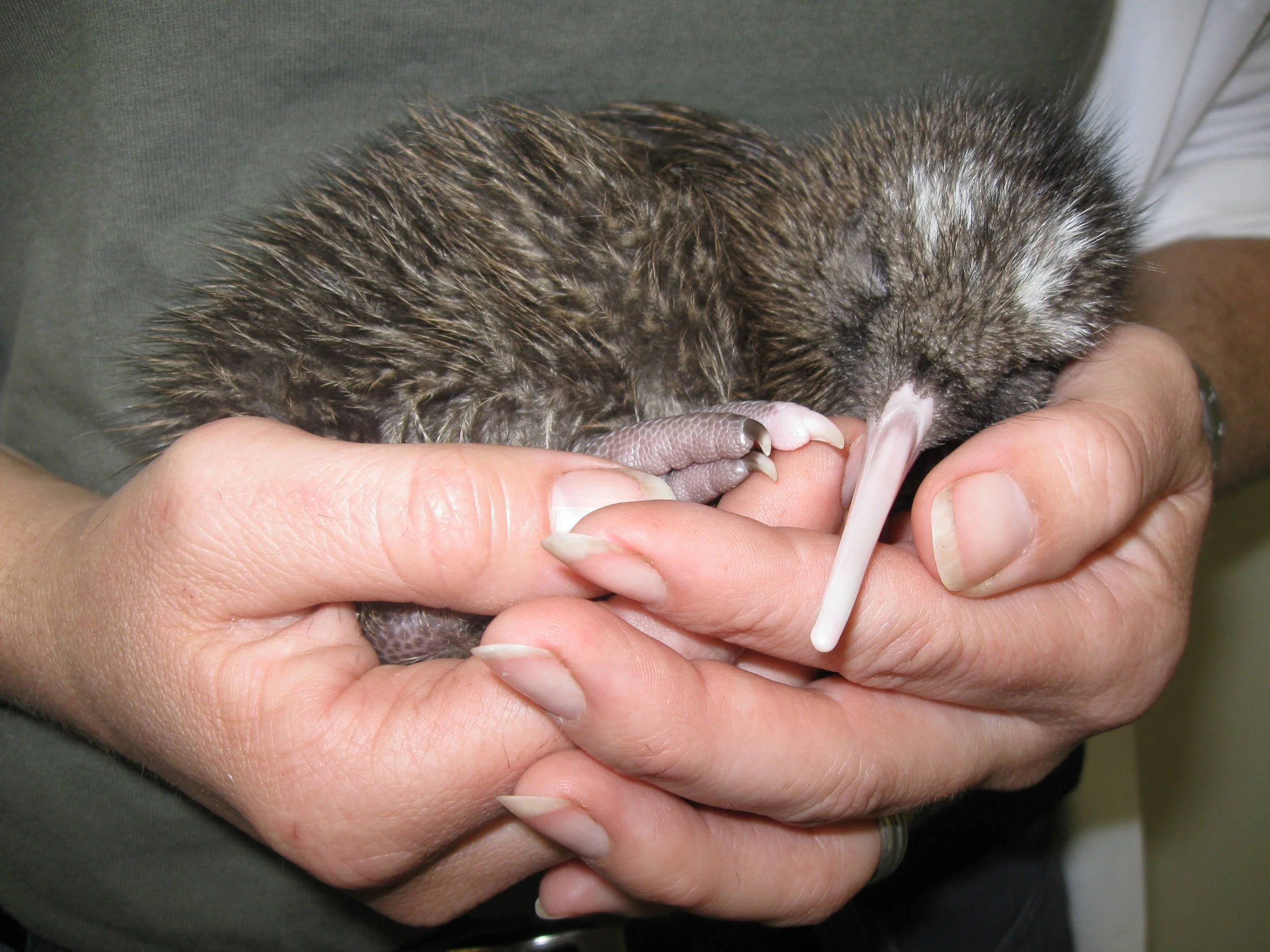
Operation Nest Egg not only boosts survival rates for individual kiwi, but it also supports wider recovery goals by helping stabilise and increase populations, preserving genetic diversity, and restoring species into areas where they have become locally rare.
For the New Zealand Conservation Trust specifically, the programme has been central to our kiwi recovery work. Hundreds of kiwi chicks have been cared for in our breeding centre at Willowbank, with many successfully raised and released through ONE processes.
In 2019 mark the New Zealand Conservation Trust hand over of there involvement in the ONE project to Willowbank Wildlife Reserve, Willowbank continue this valuable mahi to the present day.
Yearly Kiwi Stats
-
5 Kiwis Hatched
1 Okarito Rowi
2 Hasst Tokoeka
2 North Island Brown
-
15 Kiwis Hatched
12 Okarito Rowi
1 Hasst Tokoeka
2 North Island Brown
PLUS - 4 wild Okarito Chicks cared for.
19 Total cared for since 2005 - 15 eggs and 4 wild chicks
-
38 Kiwis Hatched
15 Okarito Rowi
18 Hasst Tokoeka
3 Great Spotted Kiwi
2 North Island Brown
PLUS - 10 Okarito Rowi and 1 Great Spotted Kiwi wild chicks cared for.
73 Total cared for since 2005 - 58 eggs and 15 wild chicks
-
65 Kiwis Hatched
43 Okarito Rowi
9 Hasst Tokoeka
12 Great Spotted Kiwi
1 North Island Brown
PLUS - 6 wild Okarito chicks and 7 wild Hasst Tokoeka chicks cared for.
151 Total cared for since 2005 - 123 eggs and 28 wild chicks
-
77 Kiwis Hatched
36 Okarito Rowi
24 Hasst Tokoeka
17 Great Spotted Kiwi
PLUS - 9 wild Okarito chicks, and 2 wild Hasst Tokoeka chicks cared for.
239 Total cared for since 2005 - 200 eggs and 39 wild chicks
-
58 Kiwis Hatched
26 Okarito Rowi
16 Hasst Tokoeka
15 Great Spotted Kiwi
1 North Island Brown
PLUS - 17 wild Okarito chicks and 6 wild Hasst Tokoeka chicks cared for.
320 Total cared for since 2005 - 258 eggs and 62 wild chicks
-
13 Kiwis Hatched
12 Great Spotted Kiwi
1 North Island Brown
PLUS - 1 wild Great Spotted Kiwi chick was cared for.
334 Total cared for since 2005 - 271 eggs and 63 wild chicks
-
6 Kiwis Hatched
6 Great Spotted Kiwi
340 Total cared for since 2005 - 277 eggs and 63 wild chicks
-
6 Kiwis Hatched
6 Great Spotted Kiwi
346 Total cared for since 2005 - 283 eggs and 63 wild chicks
-
12 Kiwis Hatched
9 Great Spotted Kiwi
3 North Island Brown Kiwi
358 Total cared for since 2005 - 295 eggs and 63 wild chicks
-
4 Kiwis Hatched
4 Great Spotted Kiwi
362 Total cared for since 2005 - 299 eggs and 63 wild chicks Item description
-
1 Kiwis Hatched
1 Great Spotted Kiwi
PLUS - 55 wild Okarito chicks and 16 wild Hasst Tokoeka chicks cared for.
434 Total cared for since 2005 - 300 eggs and 134 wild chicks Item description
-
4 Kiwis Hatched
3 Great Spotted Kiwi
1 North Island Brown Kiwi
PLUS - 6 wild Okarito chicks cared for.
444 Total cared for since 2005 - 304 eggs and 140 wild chicks Item description
-
3 Kiwis Hatched
2 Great Spotted Kiwi
1 North Island Brown Kiwi
PLUS - 57 wild Okarito chicks and 23 Hasst Tokoeka wild chicks cared for.
506 Total cared for since 2005 - 307 eggs and 199 wild chicks
This season marked the end of NZCT managing the kiwi breeding center, which was handed over to Willowbank Wildlife Reserve to carry on the important mahi while NZCT retained ownership of the facility.
-
3 Kiwis Hatched
3 North Island Brown Kiwi
PLUS - 10 wild Okarito chicks cared for.
519 Total cared for since 2005 - 310 eggs and 209 wild chicks
-
5 Kiwis Hatched
4 North Island Brown Kiwi
1 Great Spotted Kiwi
PLUS - 9 wild Okarito chicks cared for.
533 Total cared for since 2005 - 315 eggs and 218 wild chicks
-
12 Kiwis Hatched
3 North Island Brown Kiwi
5 Okirito Rowi
4 Great Spotted Kiwi
PLUS - 24 wild Okarito chicks cared for.
569 Total cared for since 2005 - 327 eggs and 242 wild chicks
-
19 Kiwis Hatched
1 North Island Brown Kiwi
10 Okirito Rowi
2 Hasst Tokoeka
6 Great Spotted Kiwi
PLUS - 8 wild Okarito chicks and 1 wild Tokoeka chick cared for.
597 Total cared for since 2005 - 346 eggs and 251 wild chicks
-
24 Kiwis Hatched
5 North Island Brown Kiwi
9 Okirito Rowi
5 Hasst Tokoeka
5 Great Spotted Kiwi
PLUS - 4 wild Okarito chicks, 1 wild Tokoeka chick and 1 wild Great Spotted Kiwi chick cared for.
627 Total cared for since 2005 - 370 eggs and 257 wild chicks.
-
20 Kiwis Hatched
5 Okirito Rowi
10 Hasst Tokoeka
5 Great Spotted Kiwi
PLUS - 4 wild Okarito chicks, 2 wild Tokoeka chick and 1 wild Great Spotted Kiwi chick cared for.
654 Total cared for since 2005 - 390 eggs and 264 wild chicks.
-
8 Kiwis Hatched
5 Hasst Tokoeka
3 Great Spotted Kiwi
PLUS - 3 wild Okarito chicks cared for.
665 Total cared for since 2005 - 398 eggs and 267 wild chicks.