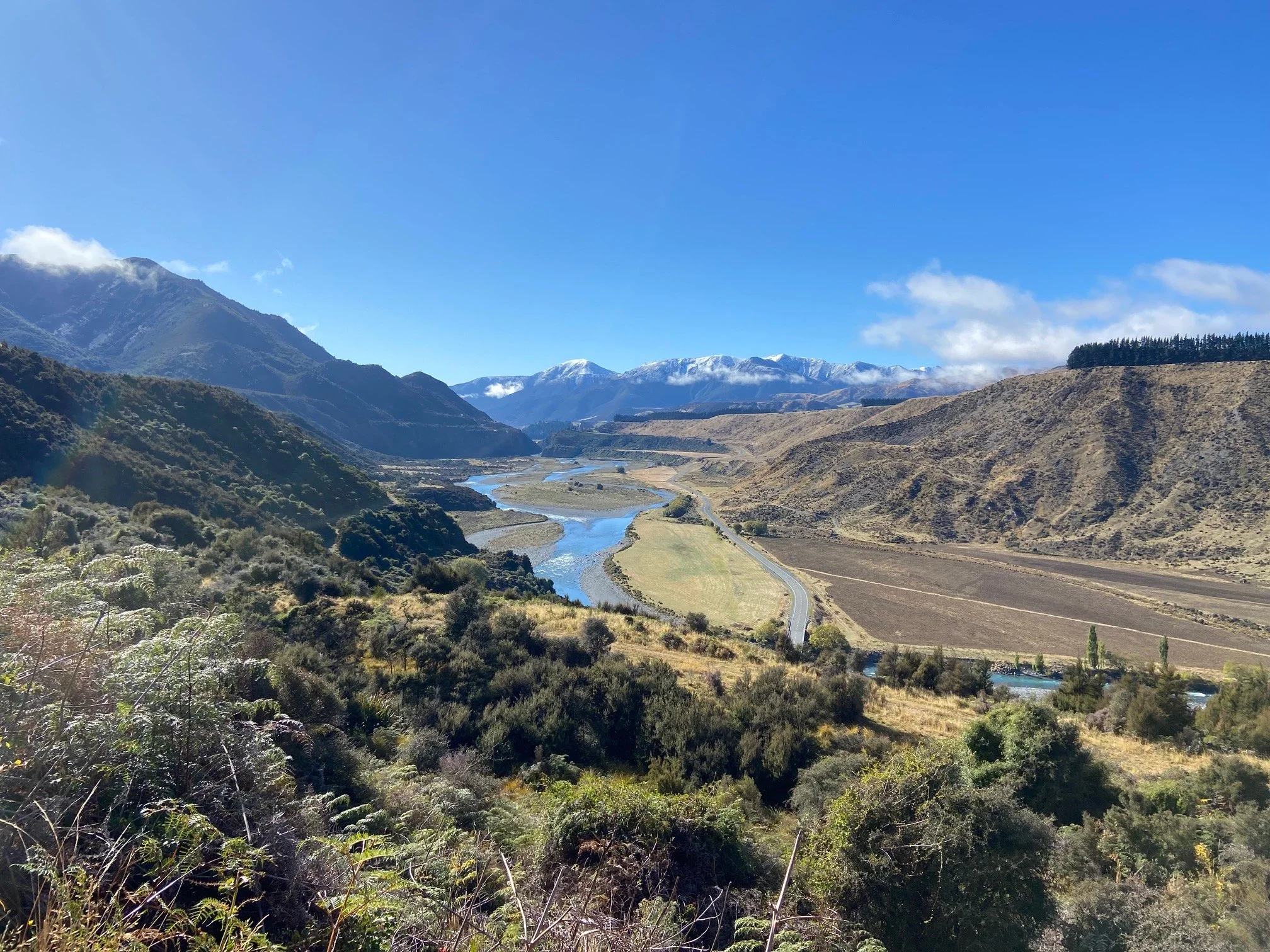
Craigieburn Forest Park.
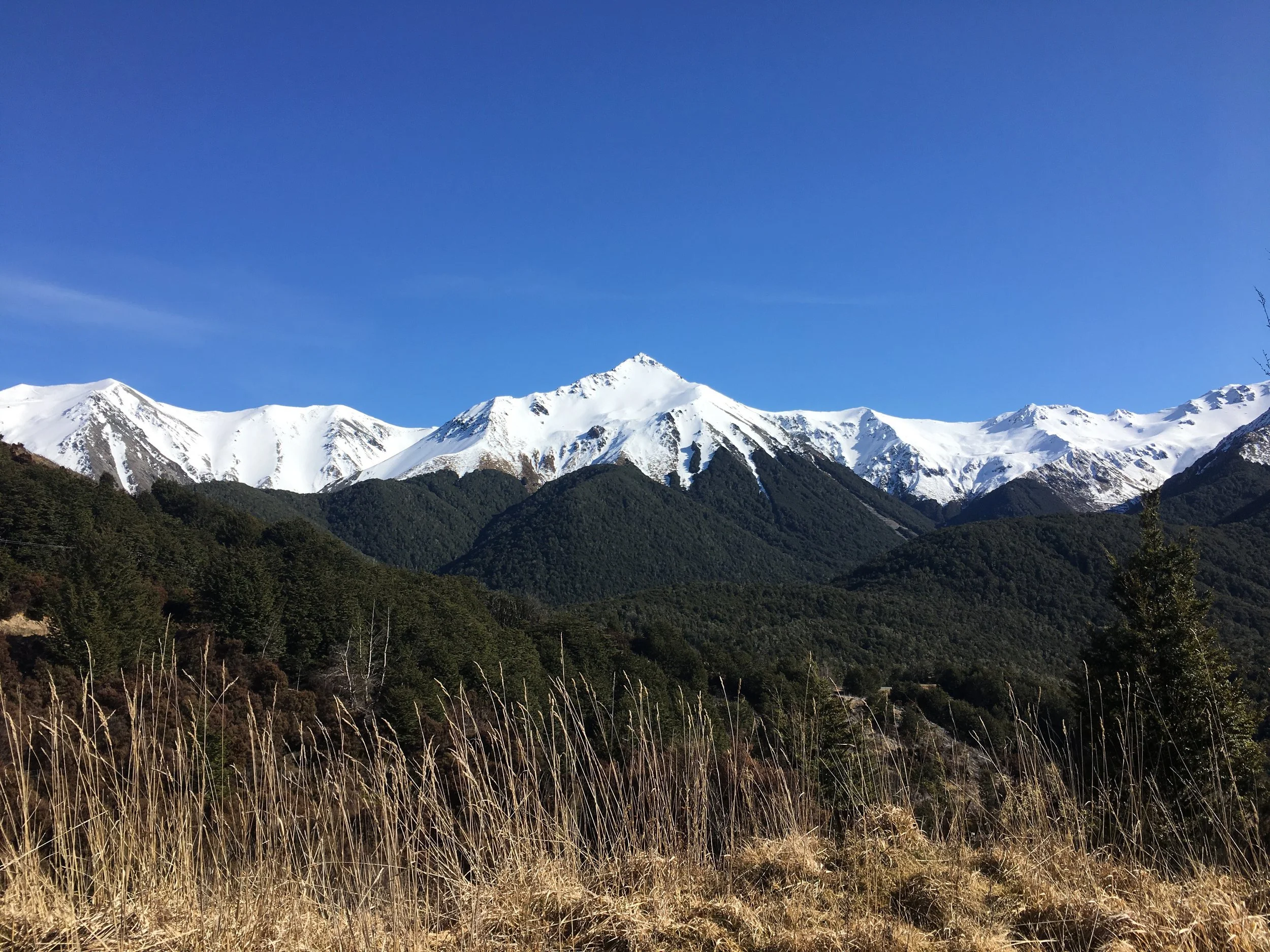
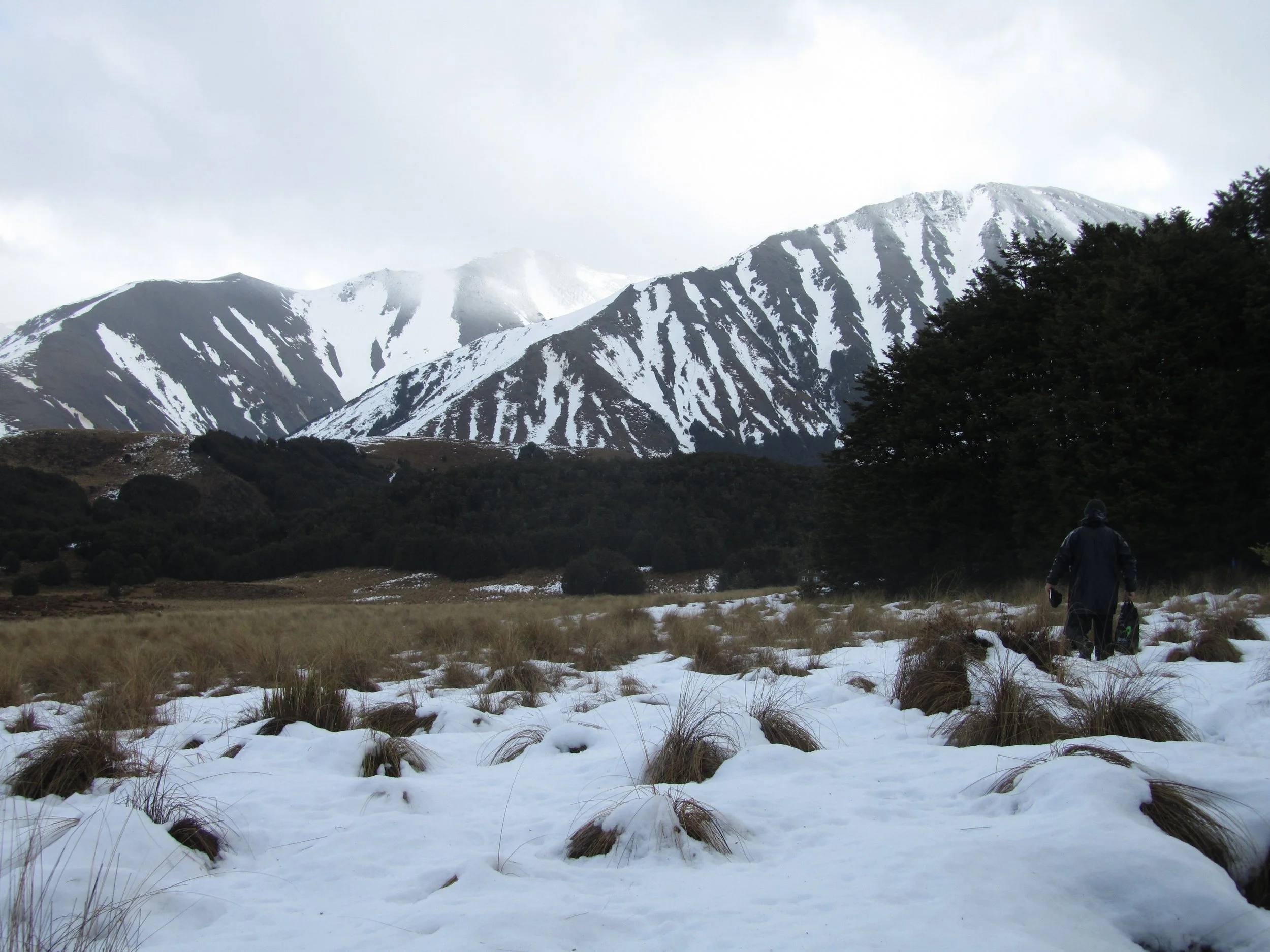
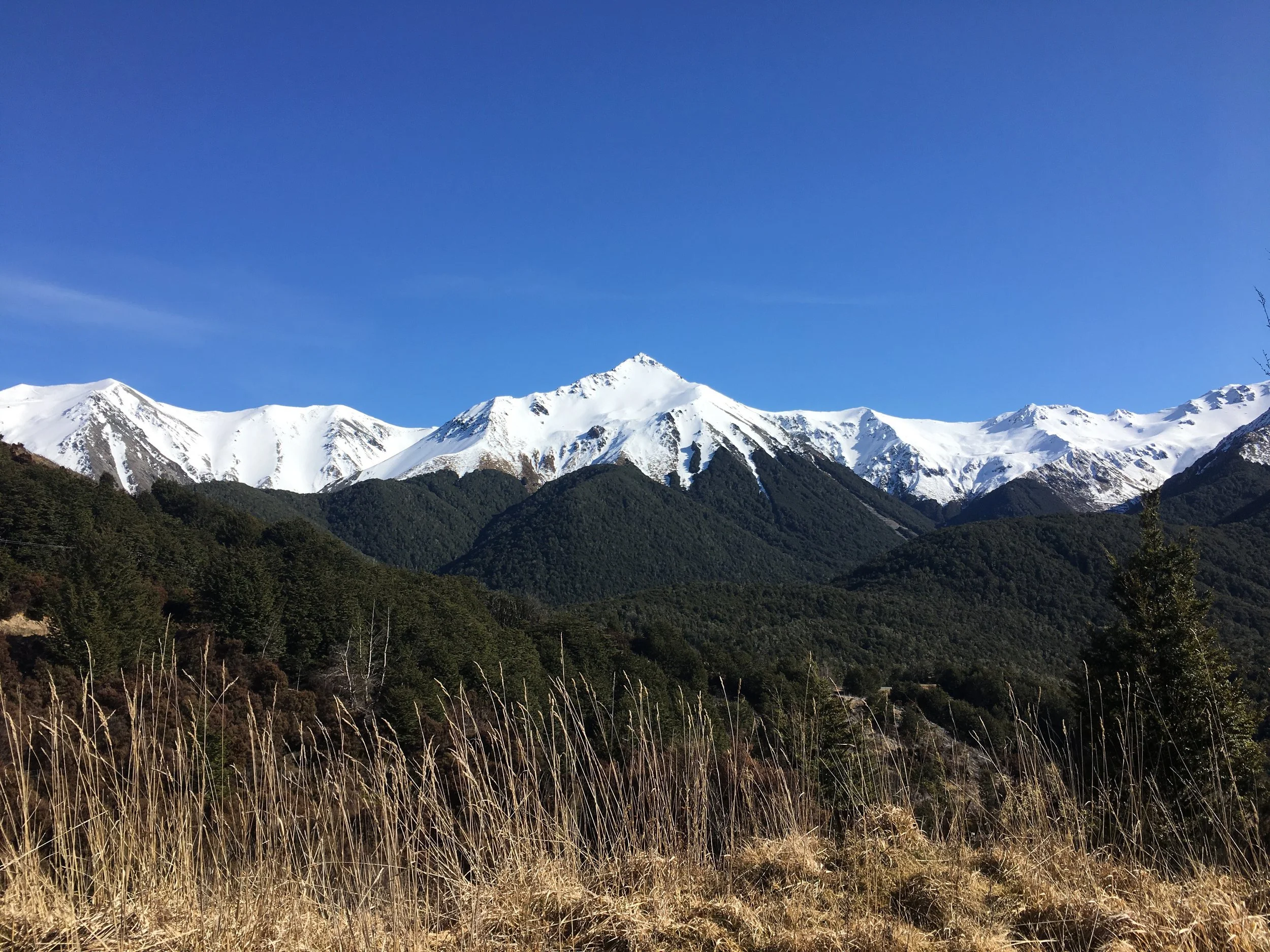
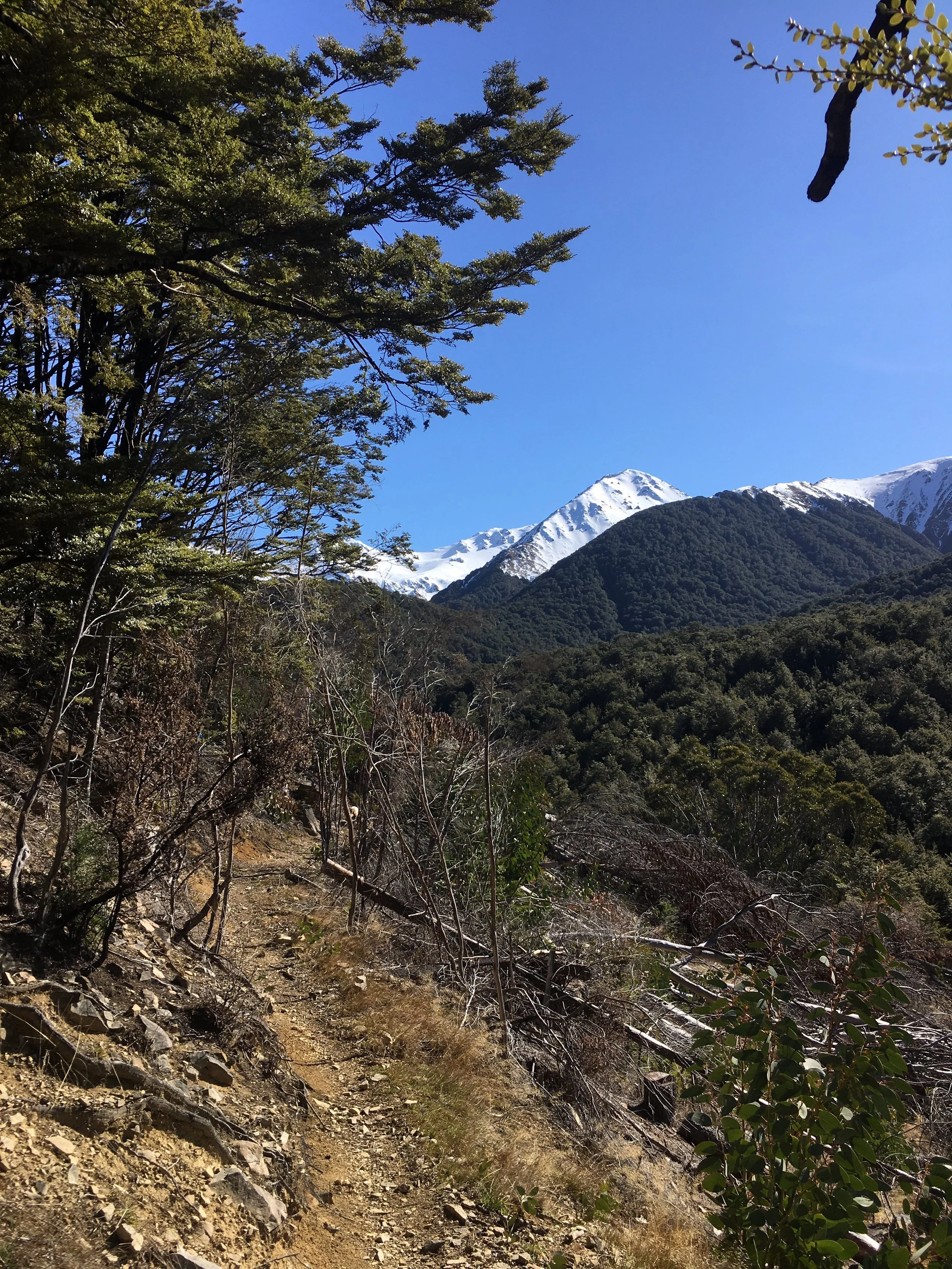
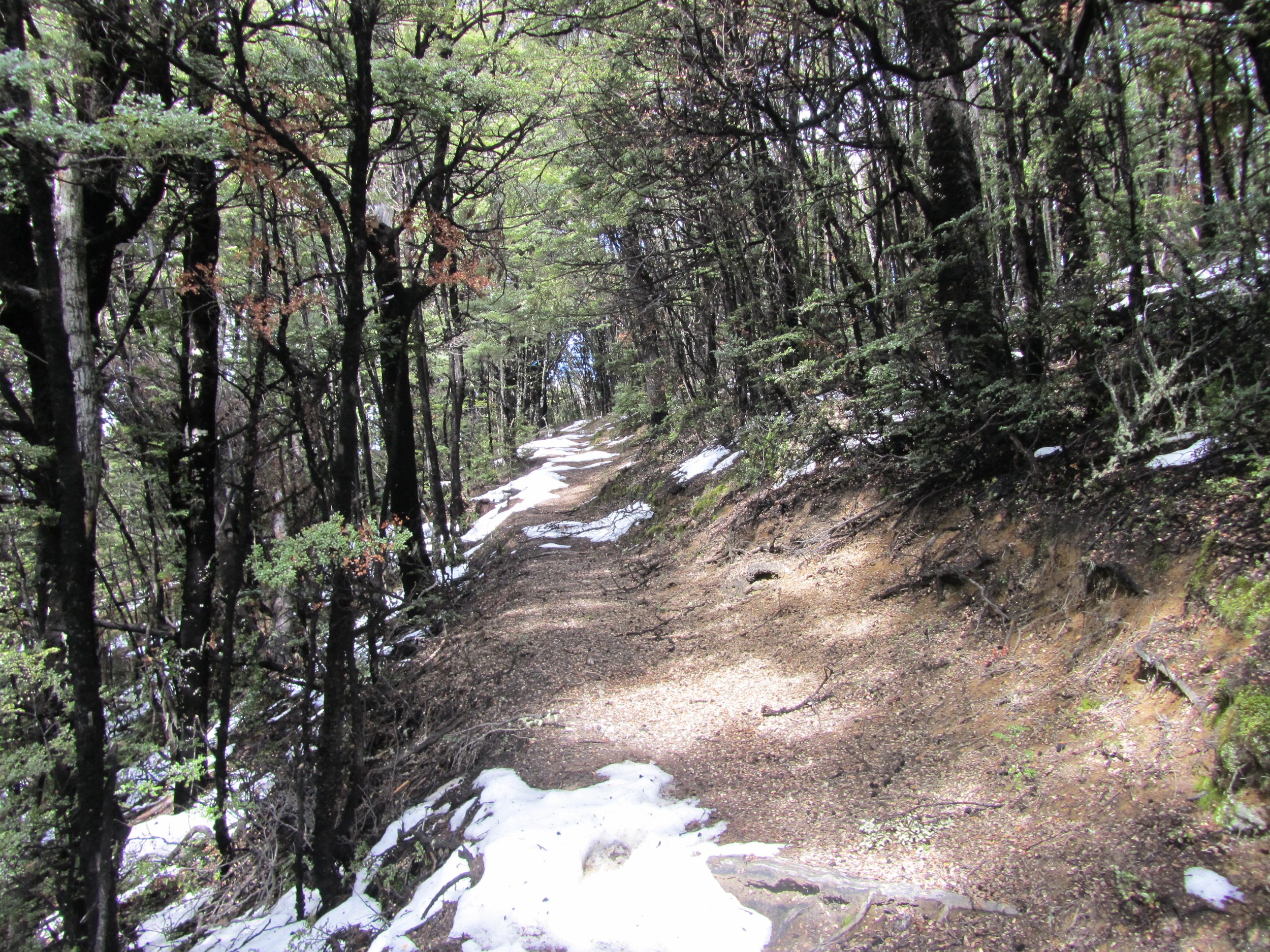
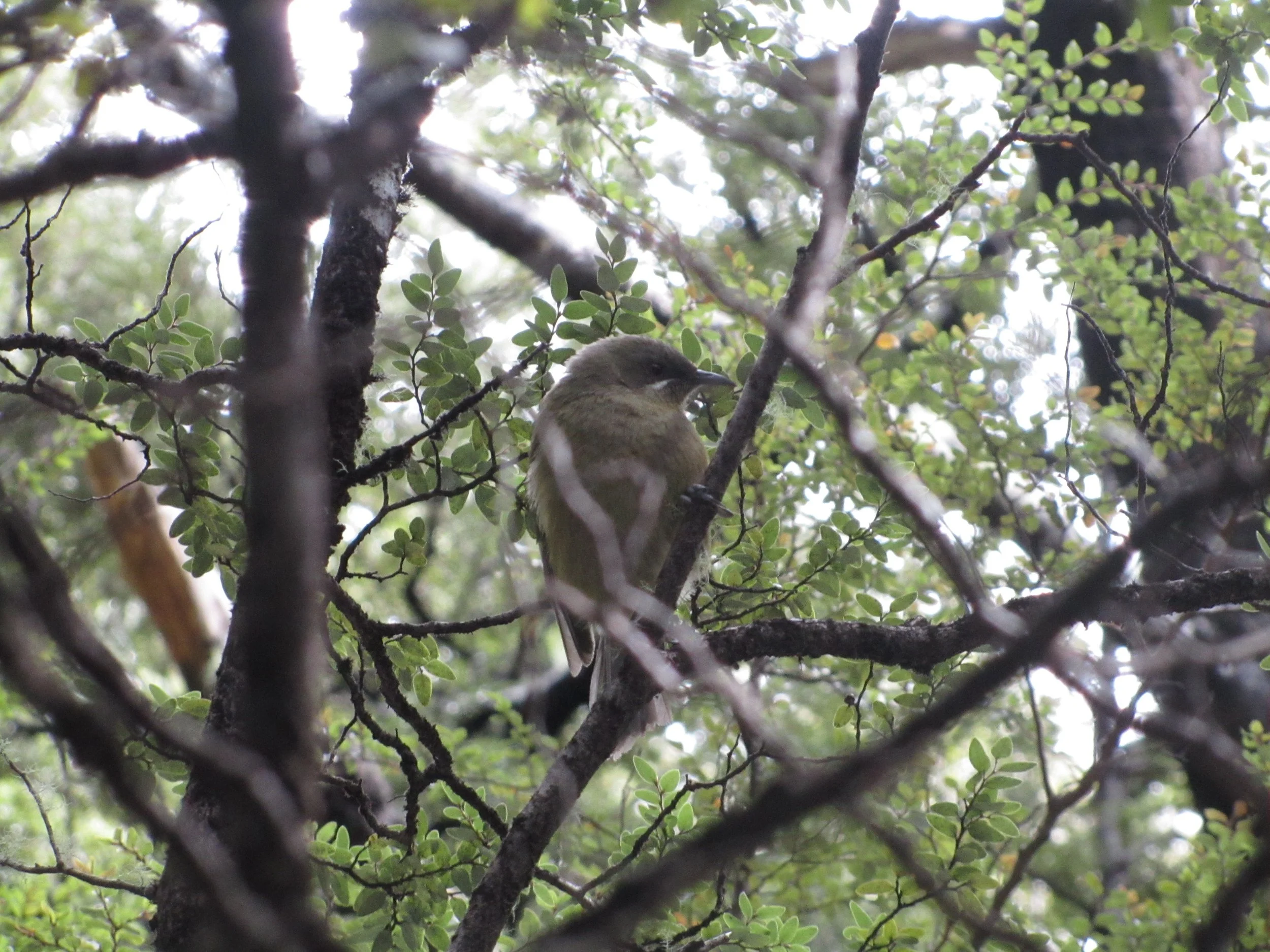
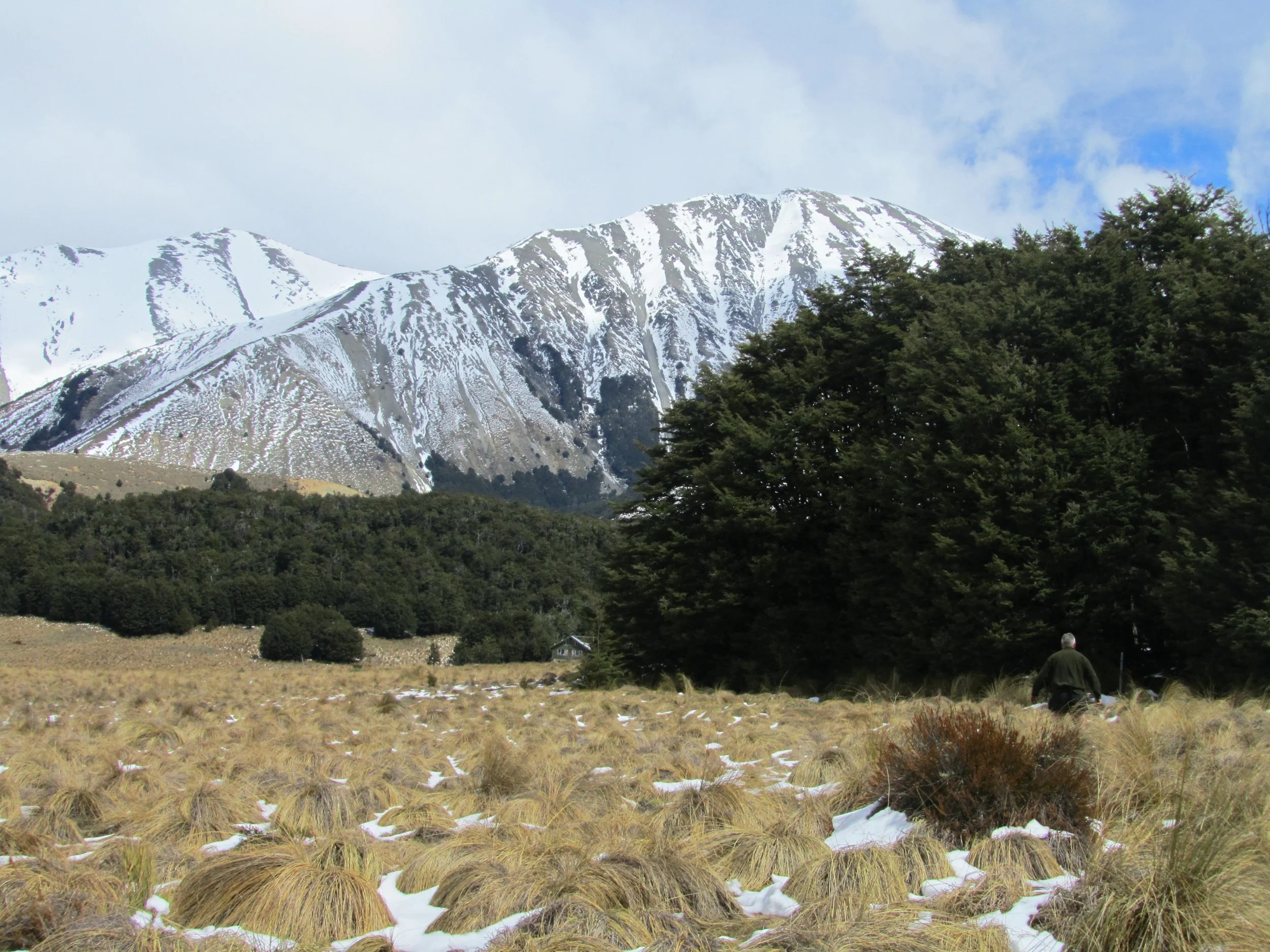
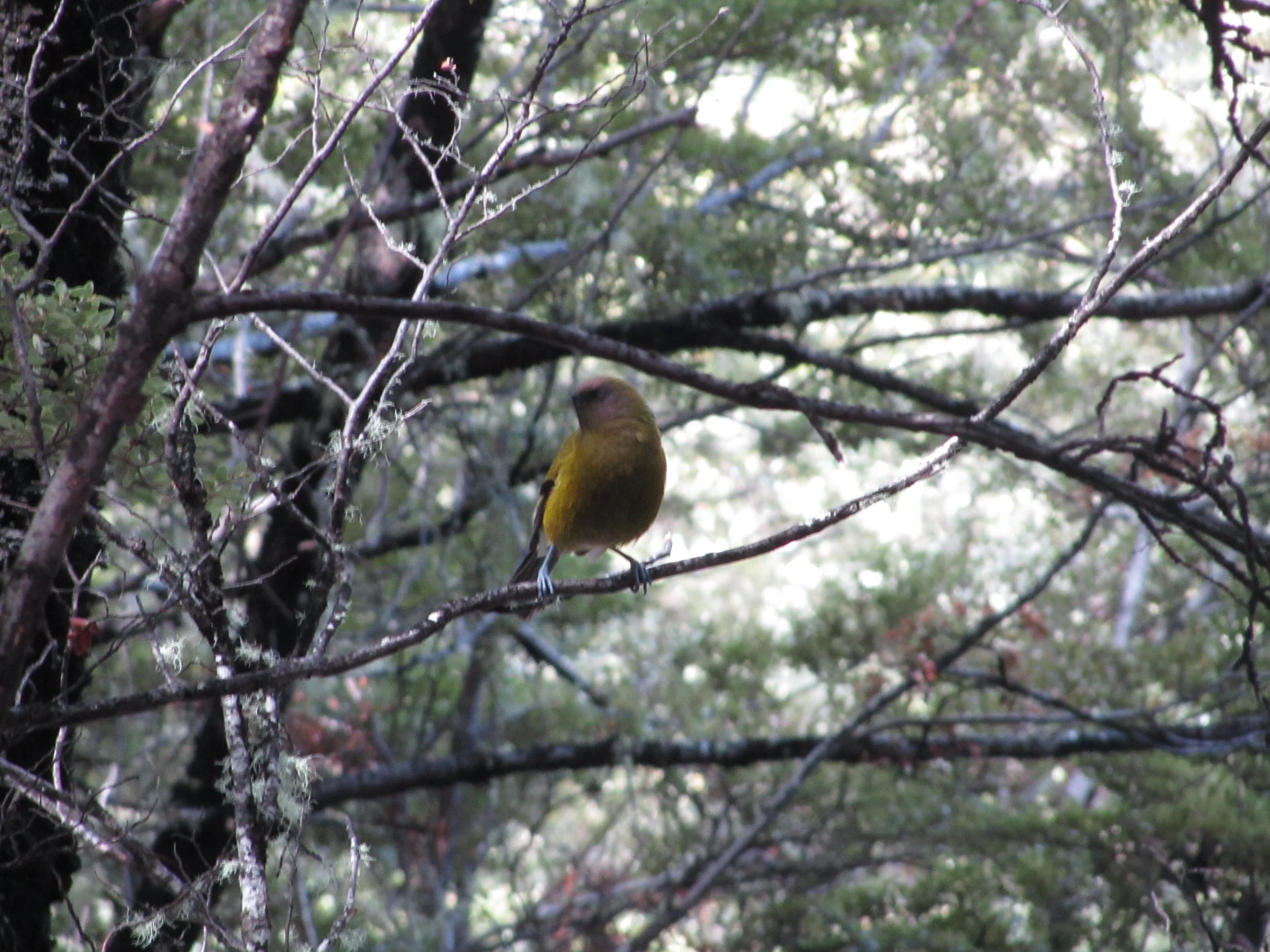
Craigieburn Forest Park is a beautiful area covered mountain beech forest and high country tussock land. Many native birds such as bellbird, brown creepers, kea and rifleman can be found in the park.
Vision for the future.
In 2005 studies were carried out to ascertain whether the Craigieburn Forest Park would be a suitable area for a second breeding center for the Great Spotted Kiwi.
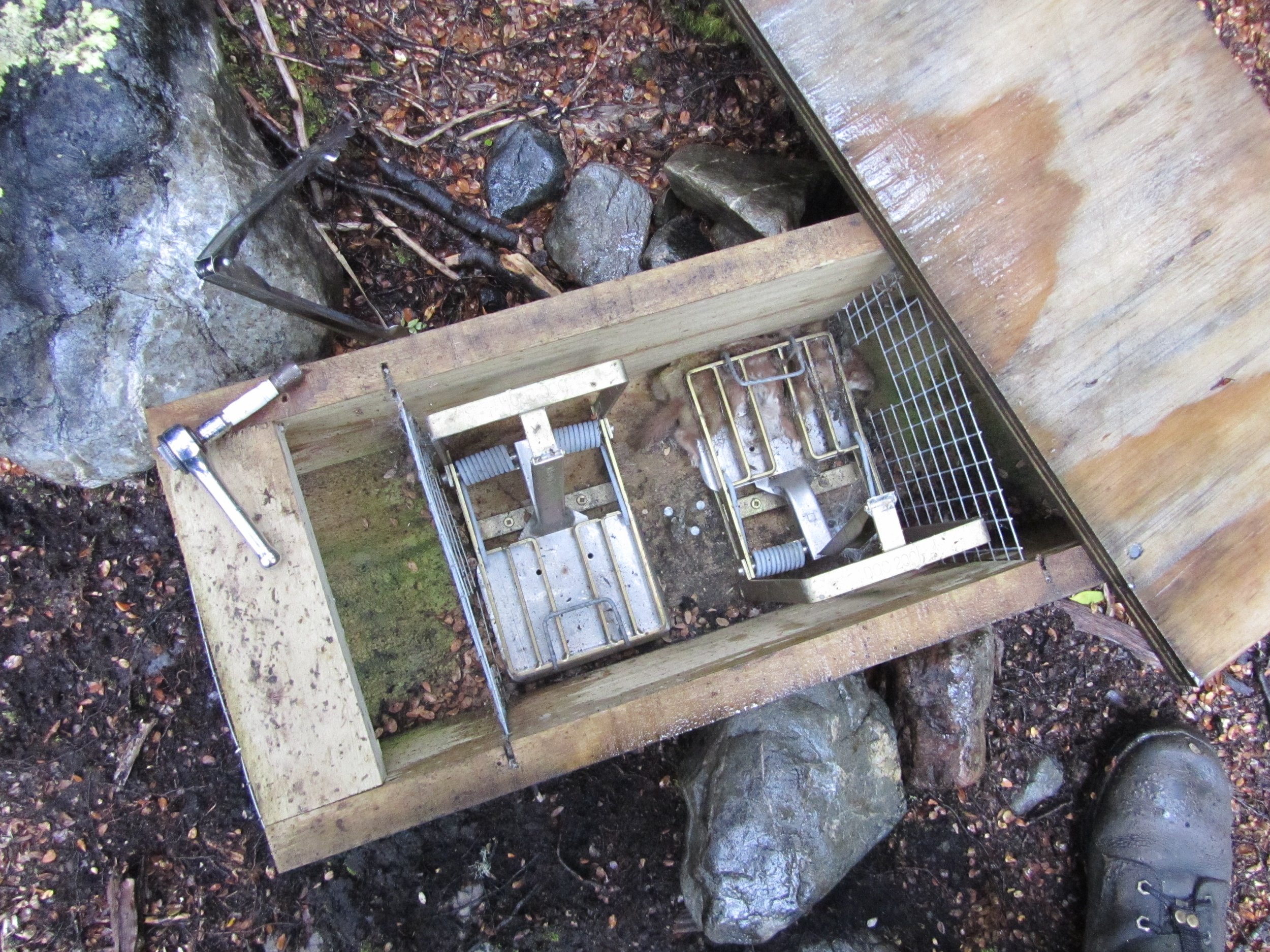
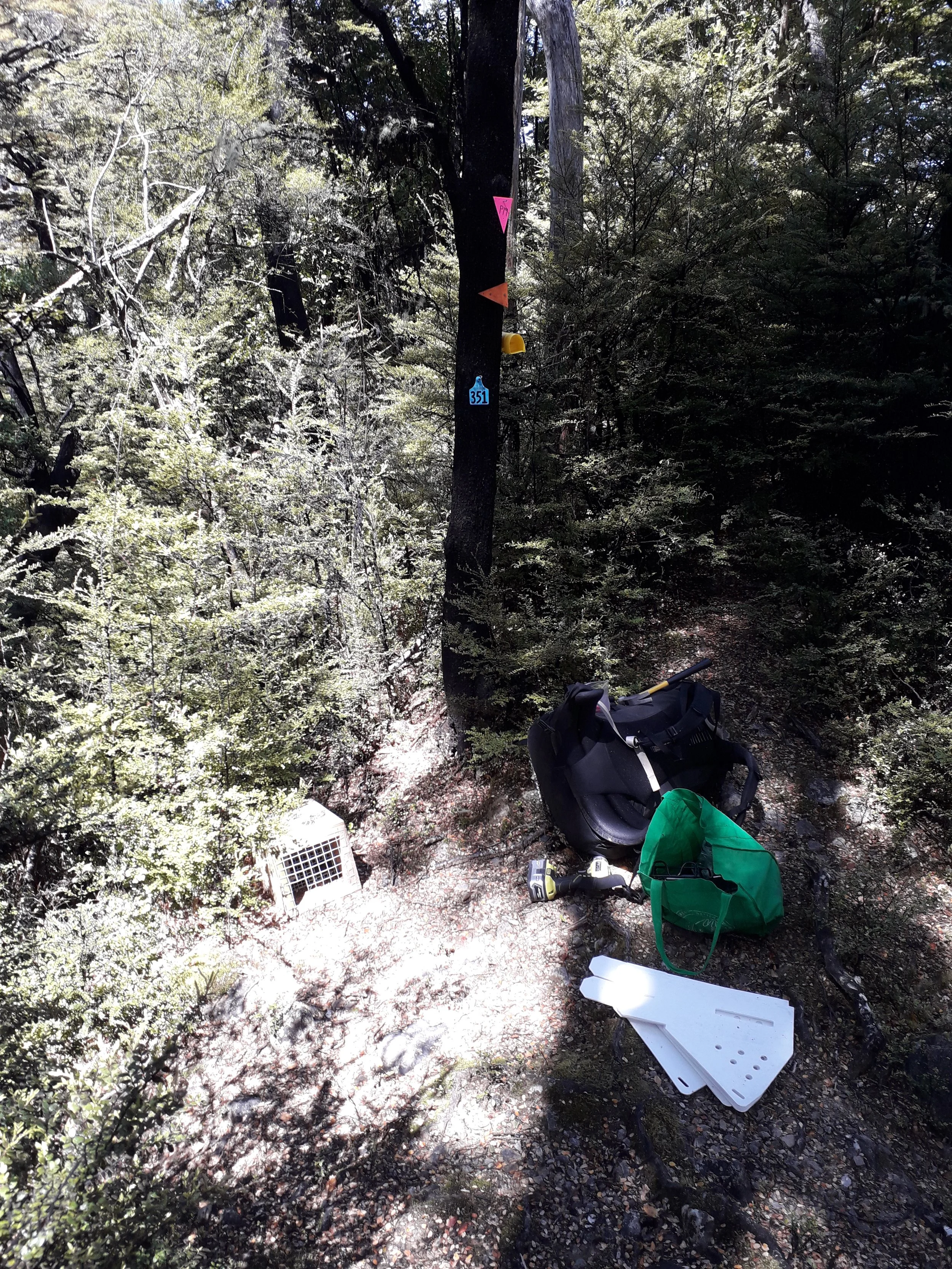
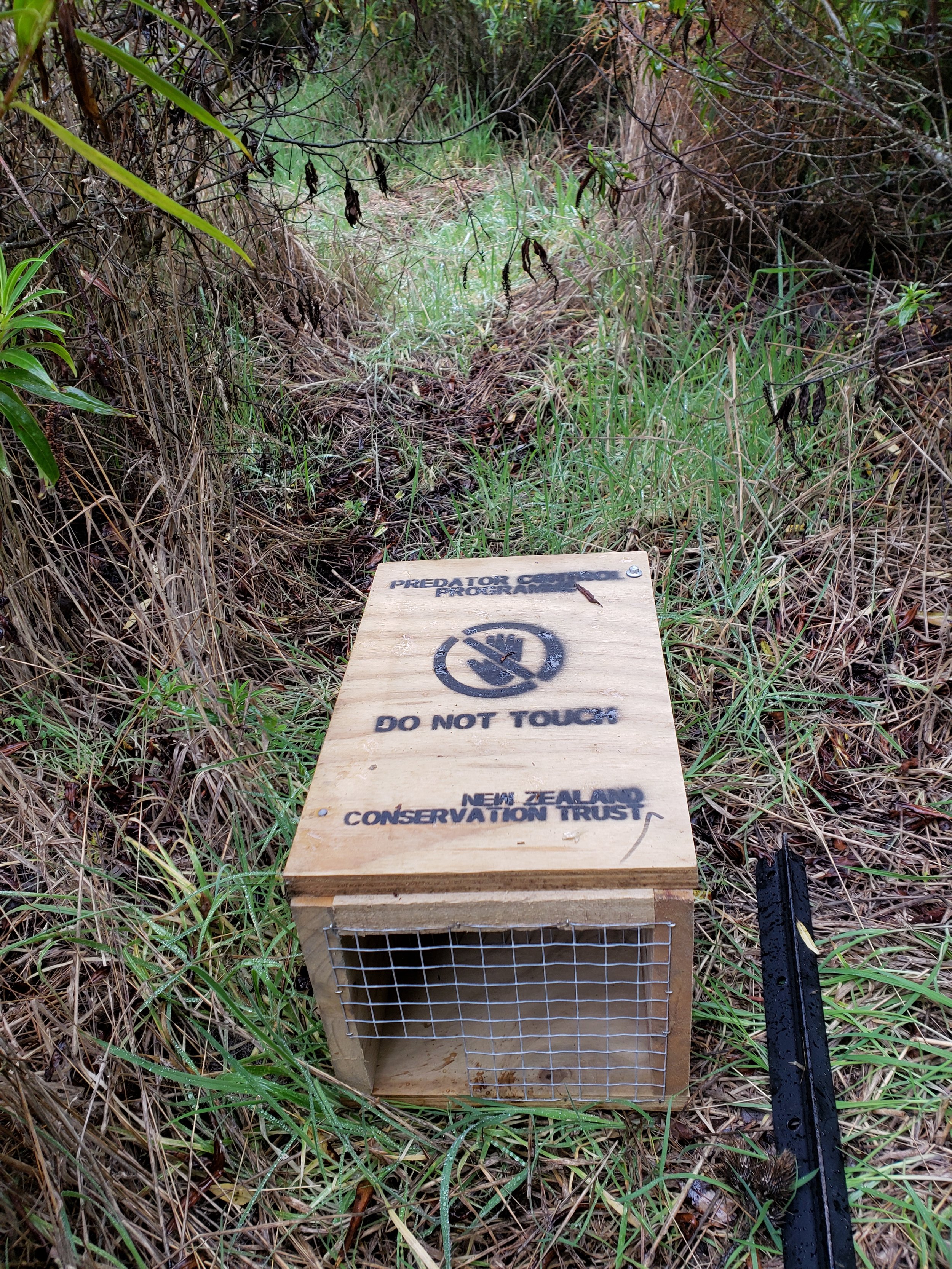
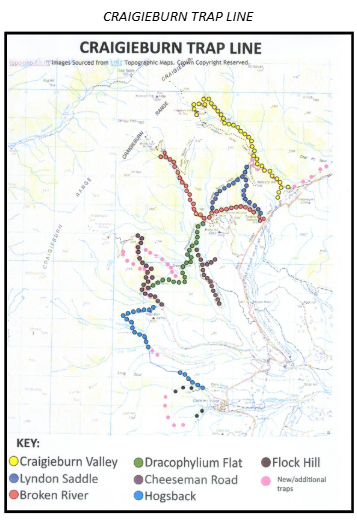
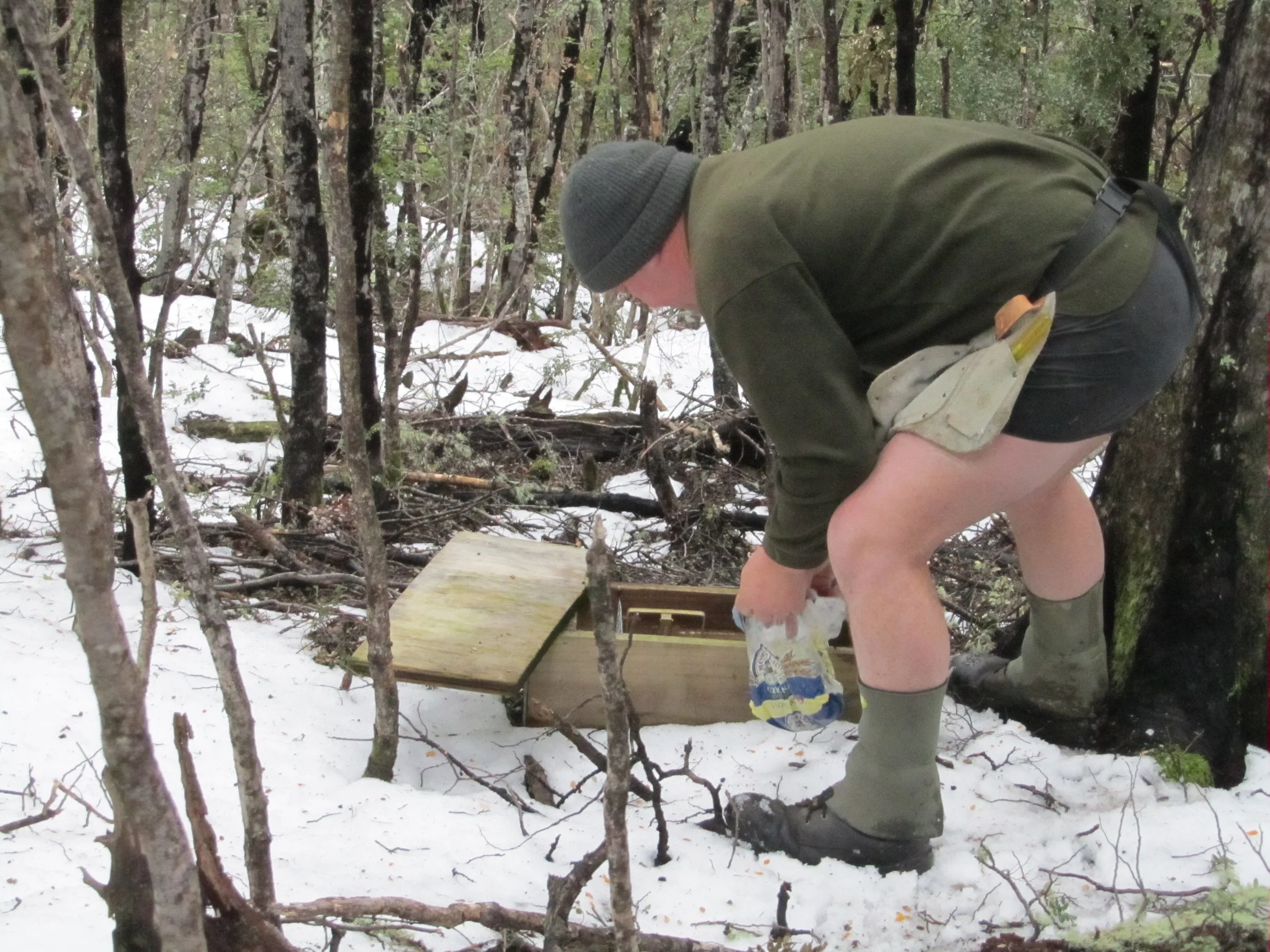
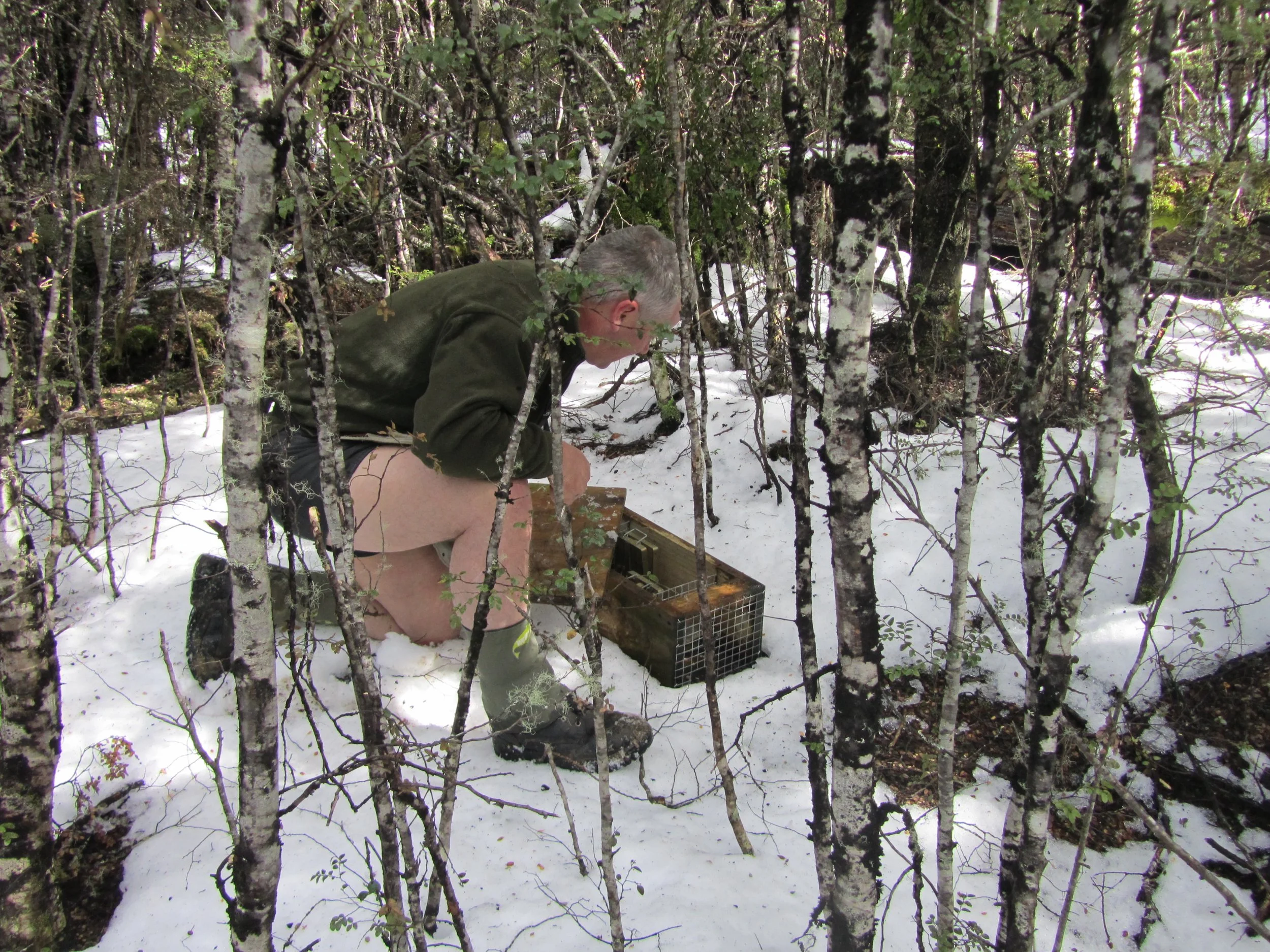
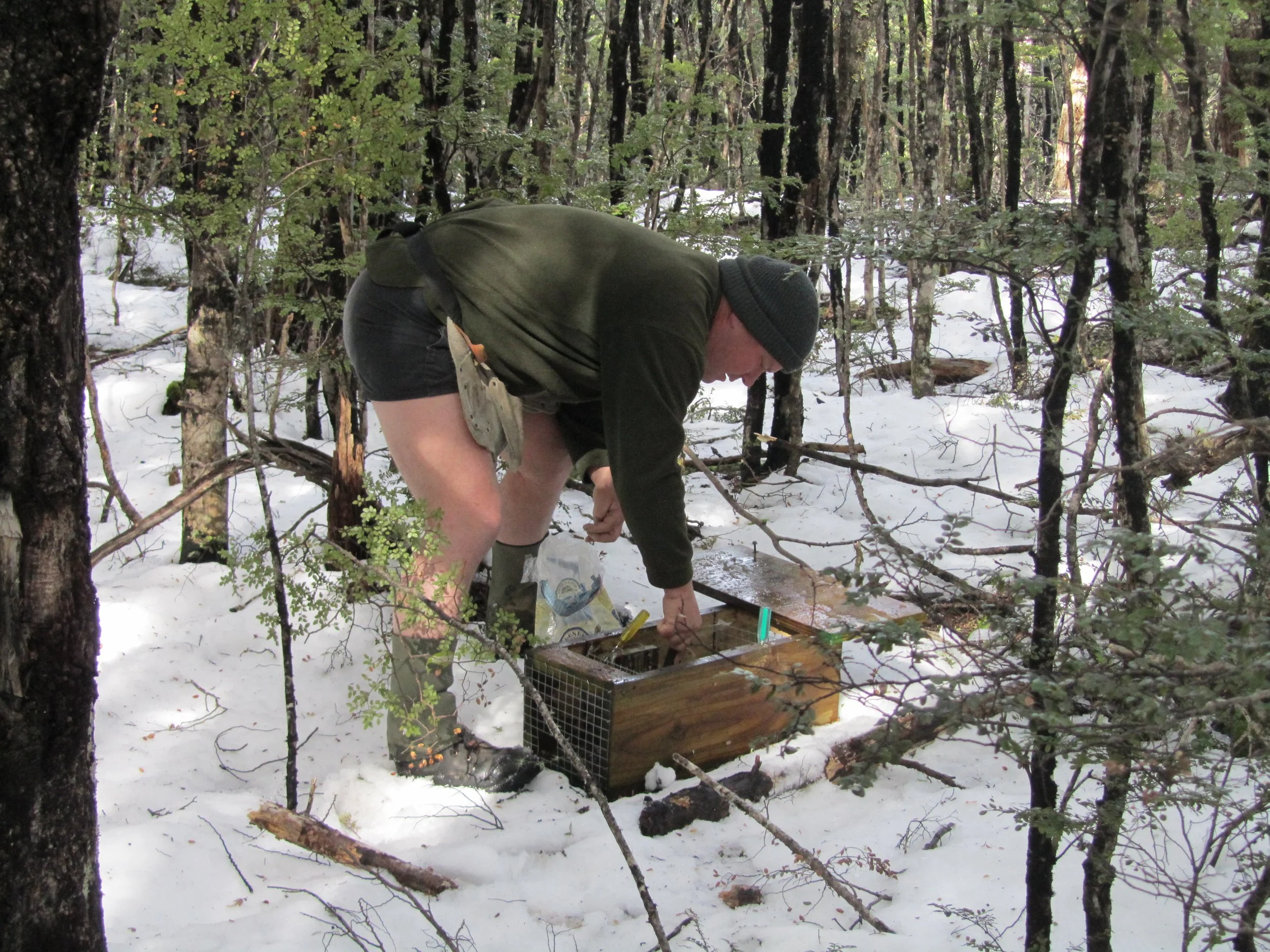
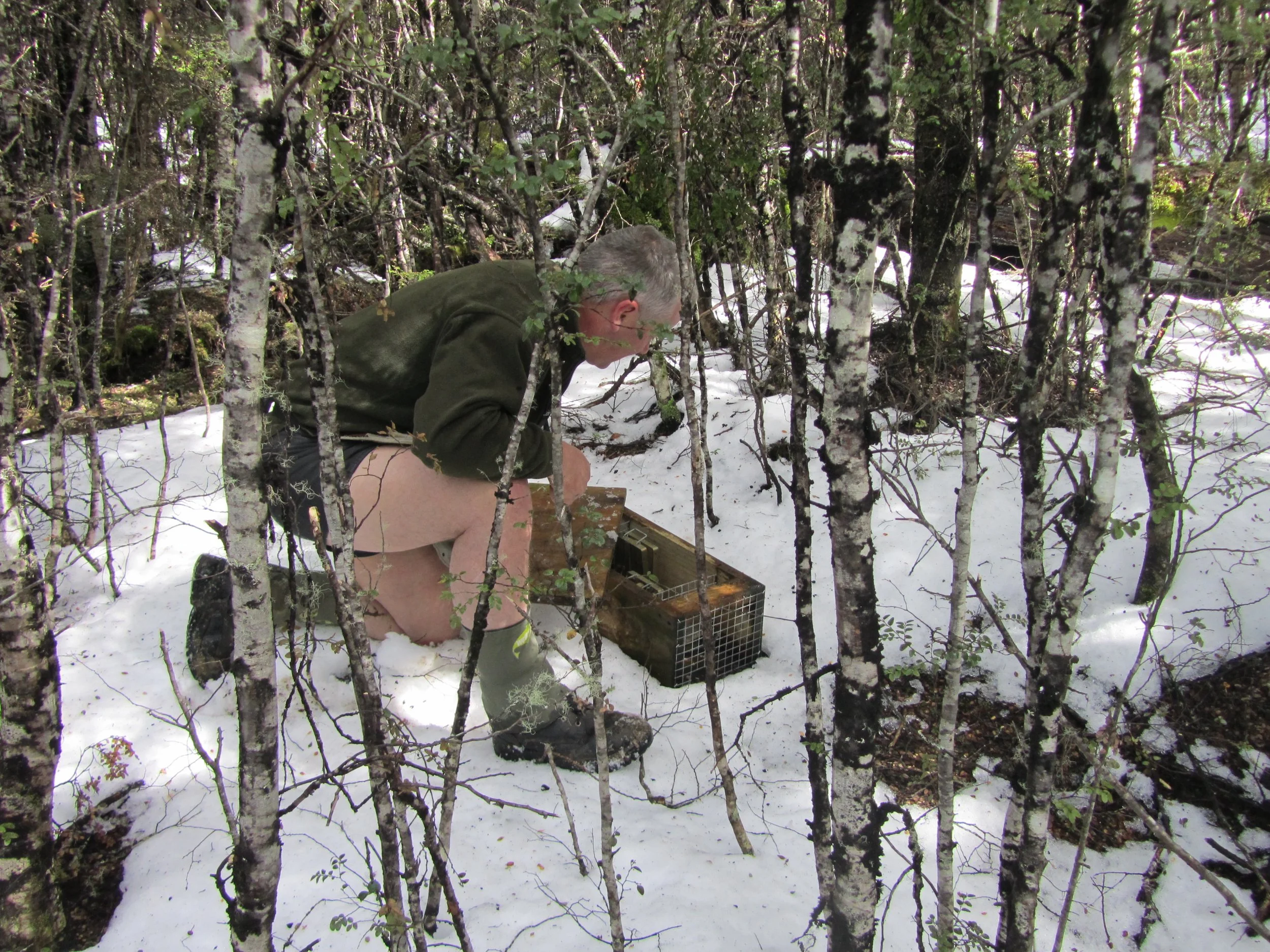
NZCT partnered with Canterbury Environmental Trust in 2006 to set up a network of traplines in the Craigieburn Forest Park and Castle Hill. The Trust supplied the project with 400 DOC200 double traps, most of which were placed along nine traplines in Craigieburn.
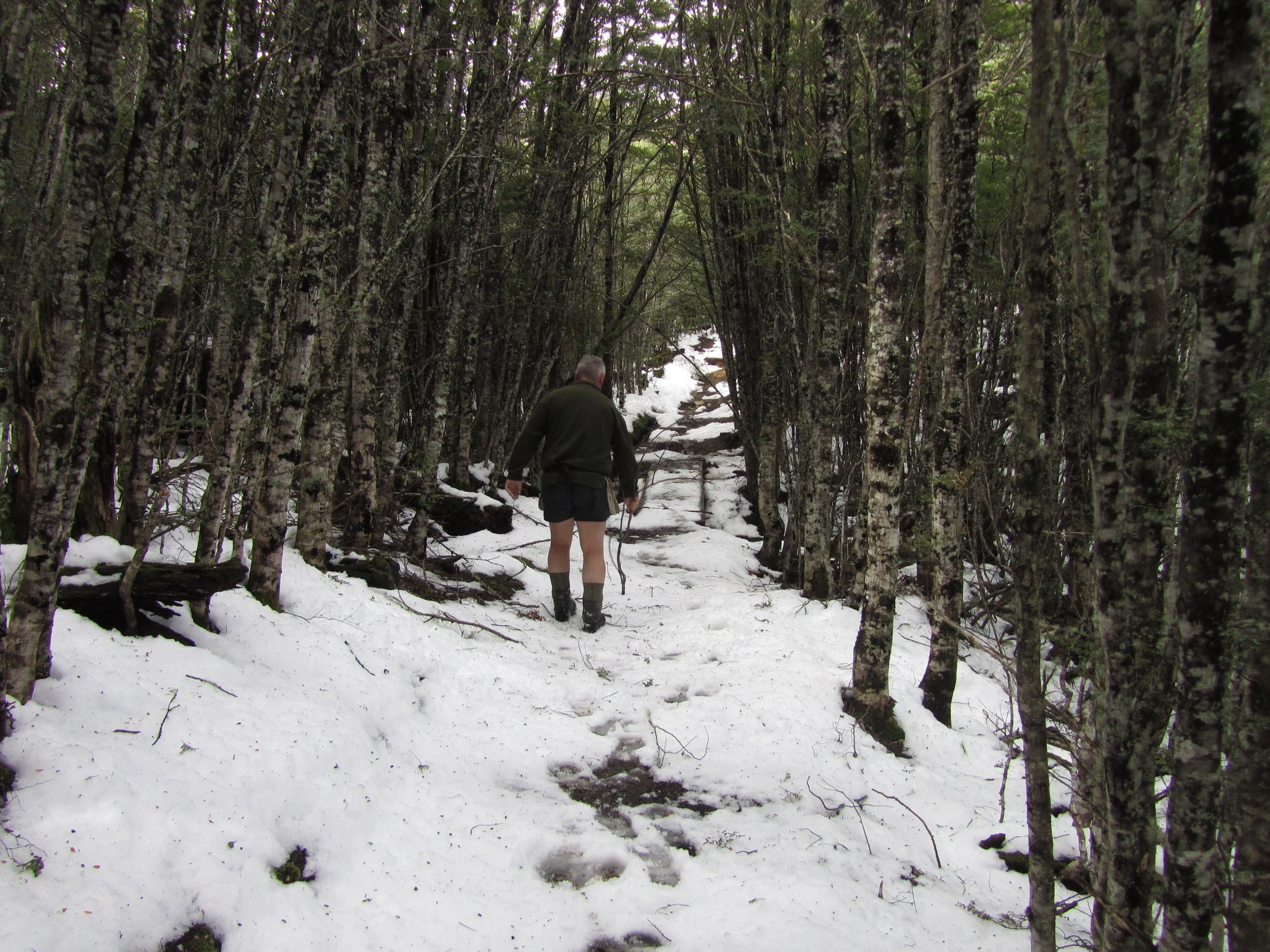
300 traps were placed with the help of, 30 St Andrew Collage environmental students, members of NZ Forest & Bird, Canterbury Environmental Trust and NZCT volunteers.
The ongoing management of this project was supported by the Canterbury Environmental Trust, Department of Conservation and Landcare Research.
Working Bees.
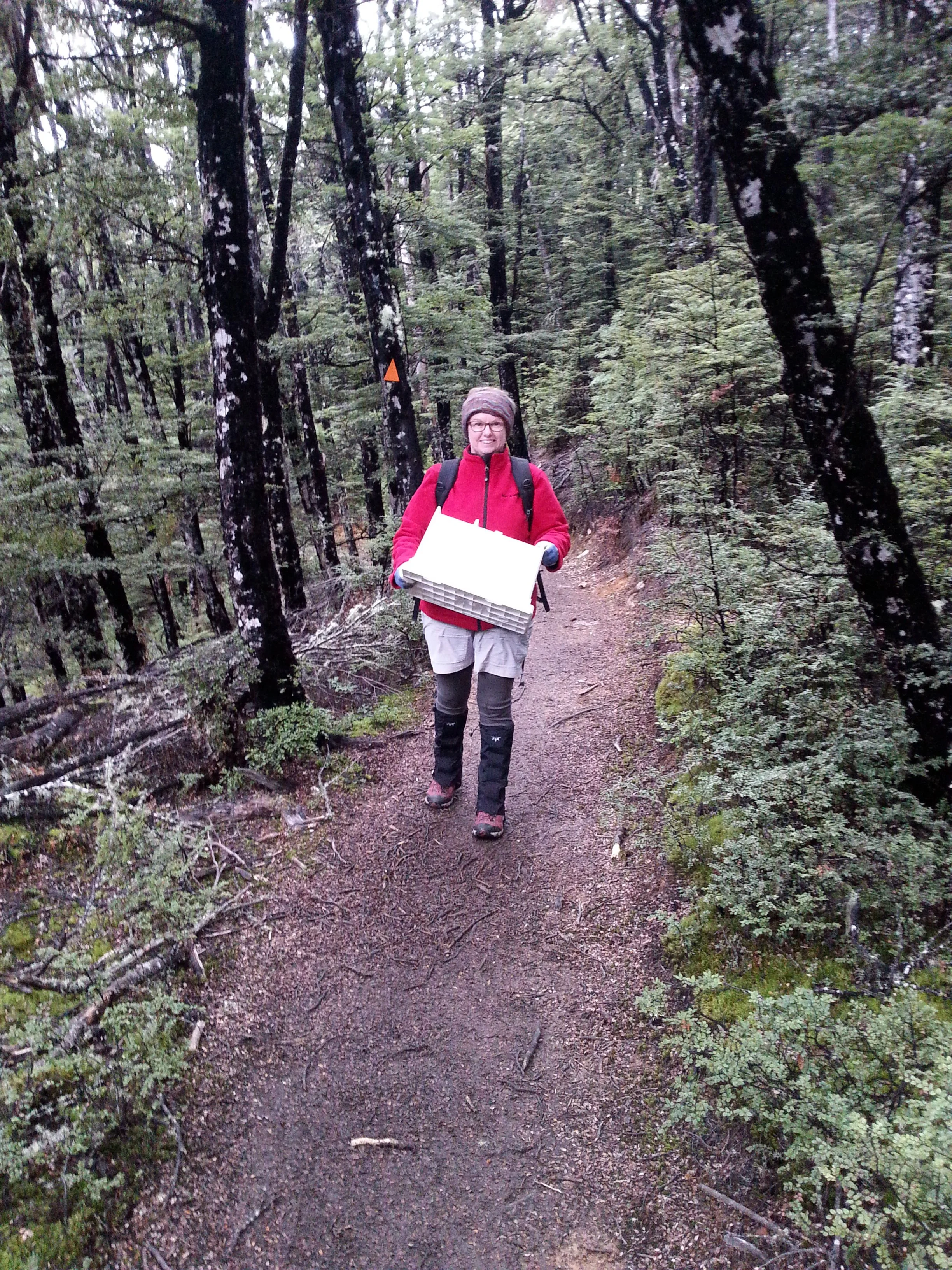
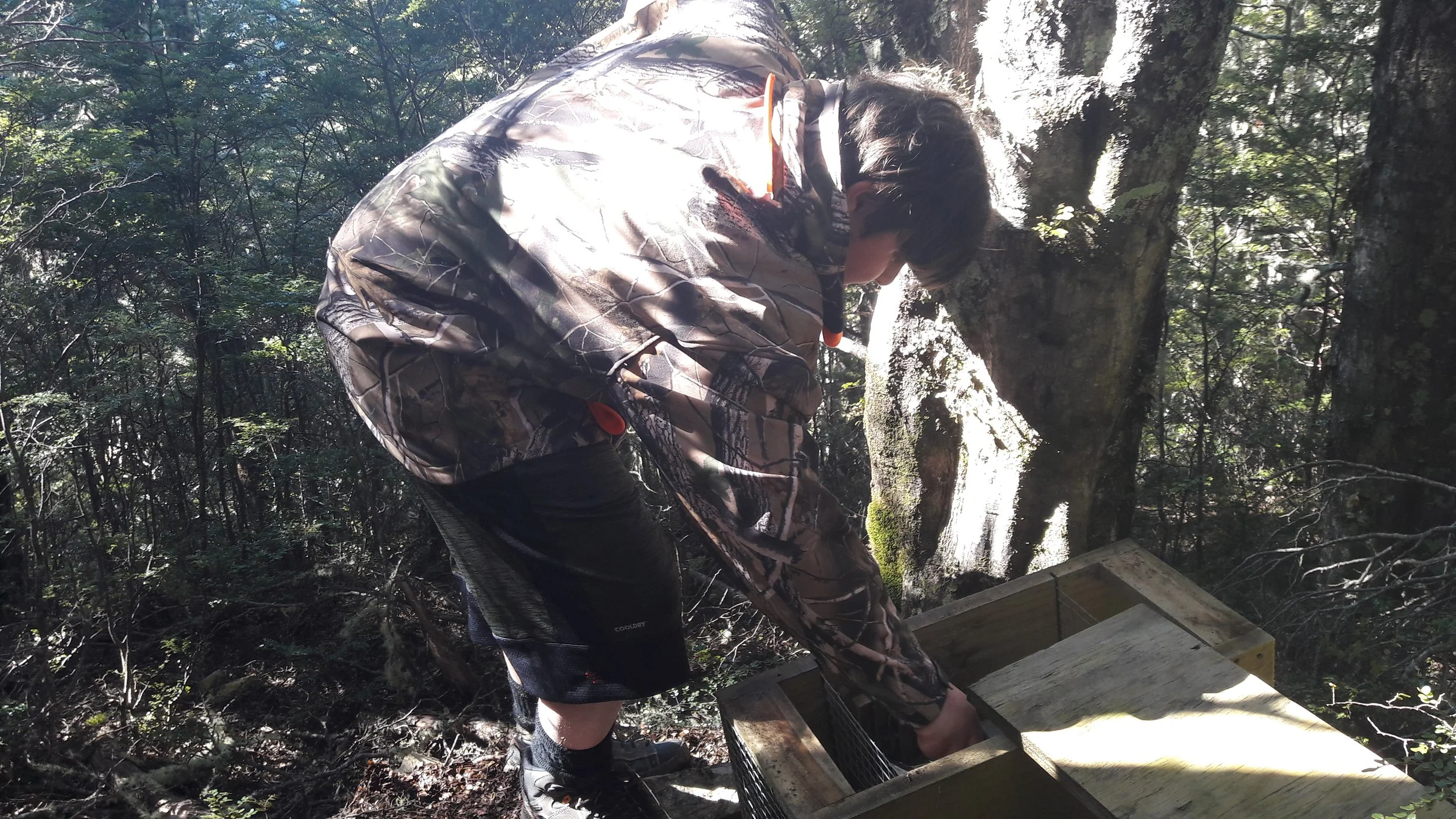
Over the years many working bees were carried out at Craigieburn, with site clearing, hut work and continued trapping. In 2010 a lease was granted for the area from DOC. In 2011 bush clearing at Craigieburn was completed and plans advanced for minor renovation of some of the buildings as well.
Placement of traps in the Craigieburn Forest
Headquarters; buildings, Nature Trail and Lyndon Saddle/Road link. (30 traps)
Lyndon Saddle/Craigieburn Valley link (4)
Lyndon Saddle (44)
Craigieburn Valley (Track until May 2010, Road after that, from grassland near SH 73 to and including ski lodges) (46 track, then 38 road)
Thomas Bush (Lower Logging Track; up Thomas River to above Flying Fox, and up to the Sinkhole) (30)
Cheeseman Skifield Road from top bushline to bottom bushline. (27)
Hutt Creek, including access road. (12)
Dracophyllum Flat (Jacks Pass to Forest Lodge) (40)
Broken River Skifield Road from Cave Stream Campsite to Skifield Carpark. (50)
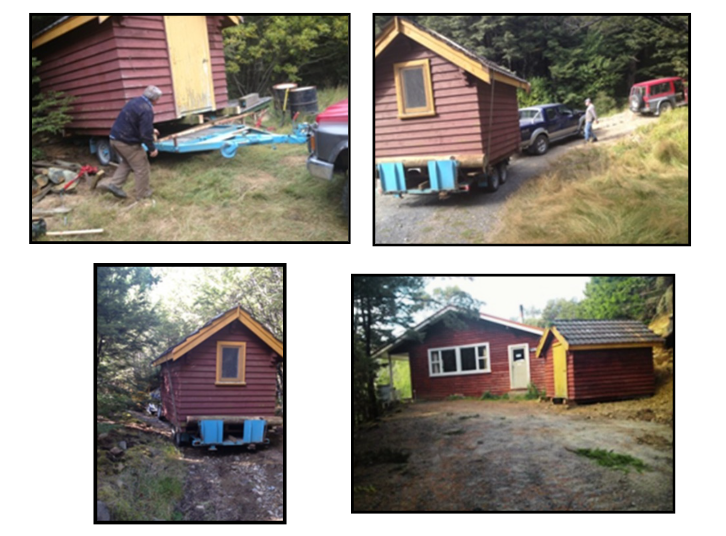
In 2013 a working bee held at the Trust’s facilities based at Craigieburn Forest, a few enthusiastic people volunteered to help shift the old Oil Store further up the hill to the Cottage being retained by Landcare. After some careful calculations, the front veranda was removed and the front of the shed jacked up high enough to enable Dave’s trailer to be gradually worked part way underneath. The trailer had been connected to the front of Dick’s Nissan. Once partially on the trailer, the wire rope from the front mounted winch on the Nissan was wrapped around the shed, and then the shed with much verbal assistance from Jenny Turner and others, was winched on to the trailer.
Getting it off the trailer was an exercise but with the aid of high lift jacks, pieces of wood to pack under it and tons of intelligent comments, it was lifted and partly slid off the trailer and then the trailer towed away from under it. High lift jacks were used to gradually lower the shed to the ground.
The end of a vison.
In 2014 the predator control catch numbers at Craigieburn were continuing to be large numbers. But it was becoming clear that progress on the Kiwi breading center has not made any further progress.
Over the next few years varies working bees on the buildings were carried out, the predator control lines were continued to be monitored and wasp control was also carried out.
Over 2017 and 2018 NZCT but all the trap line in to GPS tracking, and in 2018 the trust made the decision to relinquish the lease up at Craigieburn now that it was clear the kiwi breeding center would not be going ahead.
The NZCT continued to support the tapping project at Craigieburn for several years, while supporting the newly formed CTA - Craigieburn Trapping Alliance to slowly take over all the traplines.
The New Zealand Conservation Trust officially pulled back from the Craigieburn trapping project in 2021, leaving it in the capable hands of the Craigieburn Trapping Alliance.